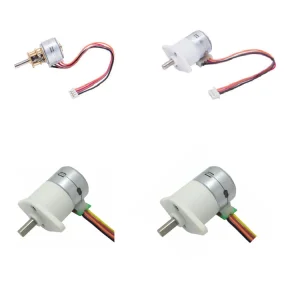
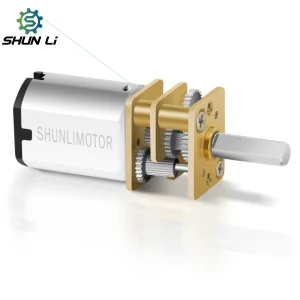
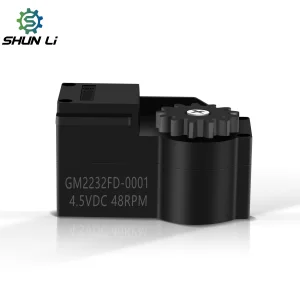
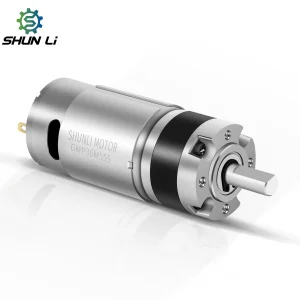
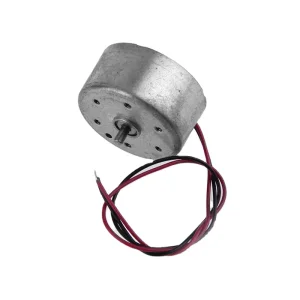
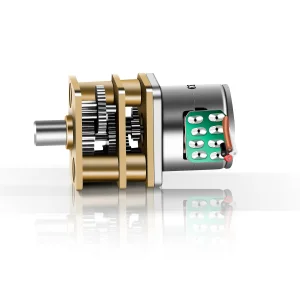
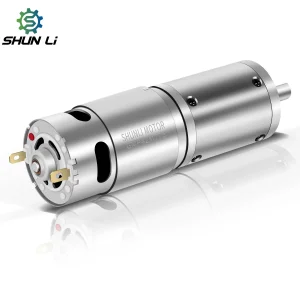
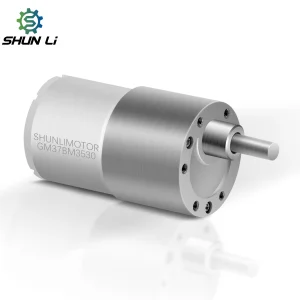
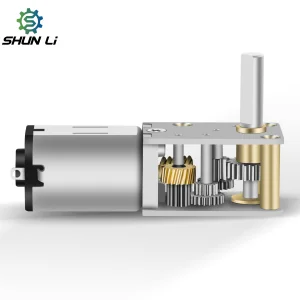
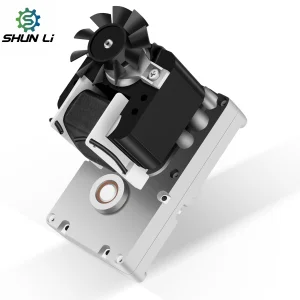
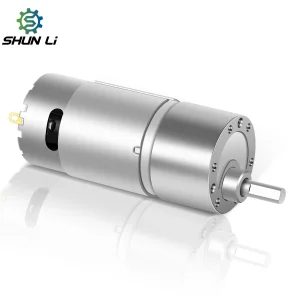
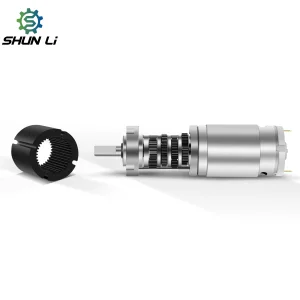
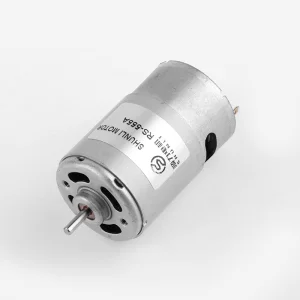
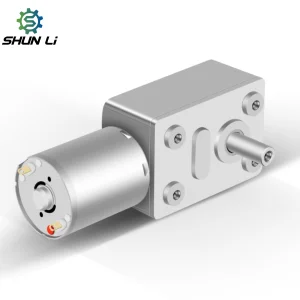
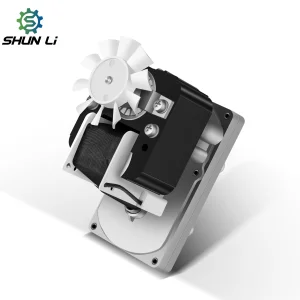
Explore our engineering capabilities across high-torque, custom-wound miniature gearboxes and electrical drive configurations.
At TorqFlex, we measure our success in micrometers and decibels. We understand that inside a premium robotic joint, a medical dosing pump, or a high-end smart lock, space is the ultimate luxury. Our mission is to pack maximum torque, unyielding durability, and near-silent acoustics into the most compact footprints imaginable.
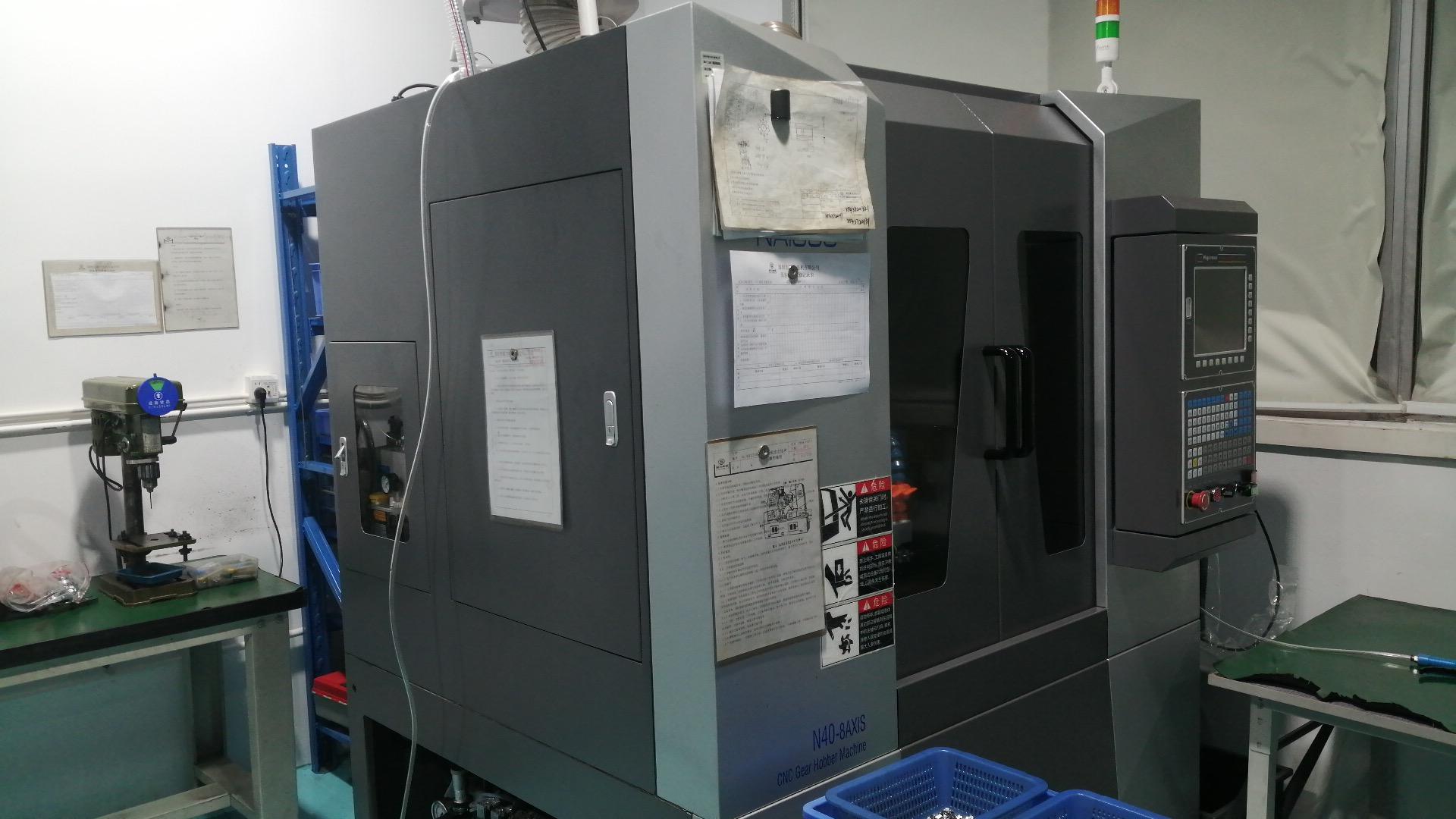
Our expertise lies in the harmony of miniature engineering. From precision-wound rotors and high-purity copper commutators to custom-designed planetary gearheads, every component inside a TorqFlex micro motor is optimized for low energy consumption and a friction-free lifespan. We constantly push the limits of micro-drive tech, utilizing advanced automated Swiss-style hobbing and Japanese dynamic balancing to ensure that our internal gear trains operate with zero-backlash precision. When the integrity of your high-tech device hangs on repeated mechanical perfection, TorqFlex delivers the silent power that anchors your design.
AC shaded pole gear motors represent one of the most resilient classes of single-phase induction motors used in modern automation and home heating. By placing a copper ring (shading coil) around a portion of each stator pole, the magnetic flux in that section is delayed, generating a shifting magnetic field that allows the motor to self-start.
Because they do not require starting capacitors or internal mechanical switches, shaded pole motors are fundamentally immune to many common failure mechanisms that afflict other motor topologies. When integrated with high-reduction gearboxes, they supply exceptionally reliable torque at low operational velocities.
| Technical Variable | Standard Range | High-Temperature Class Options |
|---|---|---|
| Input Voltage Options | 100V, 110V, 120V, 220V, 240V AC | Custom Multi-Tap Configurations |
| Operational Frequency | 50 Hz / 60 Hz / Dual Frequency | Dynamic Grid Tuning Available |
| Insulation Class Rating | Class B (130°C) | Class H (180°C) / Class F (155°C) |
| Starting Protection | Impedance Protection | Automated Thermal Interrupters |
| Output Gear Shaft Materials | Carbon Steel / Brass Alloys | Reinforced Sintered Stainless Steel |
Understanding the exact operational environment is critical to maximizing the life cycle of Shaded Pole Gear Motors. Below are the key sectors where TorqFlex designs are deployed:
Feeding solid fuel into combustion chambers requires consistent, stall-proof torque. Our gear assemblies endure continuous back-pressure and high soot environments.
Providing silent, continuous ventilation adjustments in commercial structures. Designed to run reliably in temperatures ranging from -30°C to +70°C.
From coffee vending carousels to commercial rotisserie gearheads, our FDA-grade lubricants and clean gears protect culinary outputs.
Dimensional Consistency
Thermal Tolerance Class H
Annual Export Output
Global Distributing Hubs
As energy performance directives grow increasingly stringent across Europe (ErP Directives) and North America (DOE Efficiency Mandates), the shaded pole motor is evolving. Traditional shaded pole architectures were criticized for low electrical-to-mechanical conversion efficiency. TorqFlex is breaking these limitations by redesigning stator profiles and optimizing copper winding densities to reduce parasitic iron losses.
By utilizing cold-rolled non-oriented electrical steel (NGO) stator laminations with high silicon content, we reduce hysteresis loss. In addition, our forward engineering team is currently testing hybrid shaded pole systems that integrate miniature internal permanent magnet rotors. These innovations deliver up to a 22% reduction in thermal signature and electrical consumption, ensuring that our motors remain compliant with modern sustainability goals.
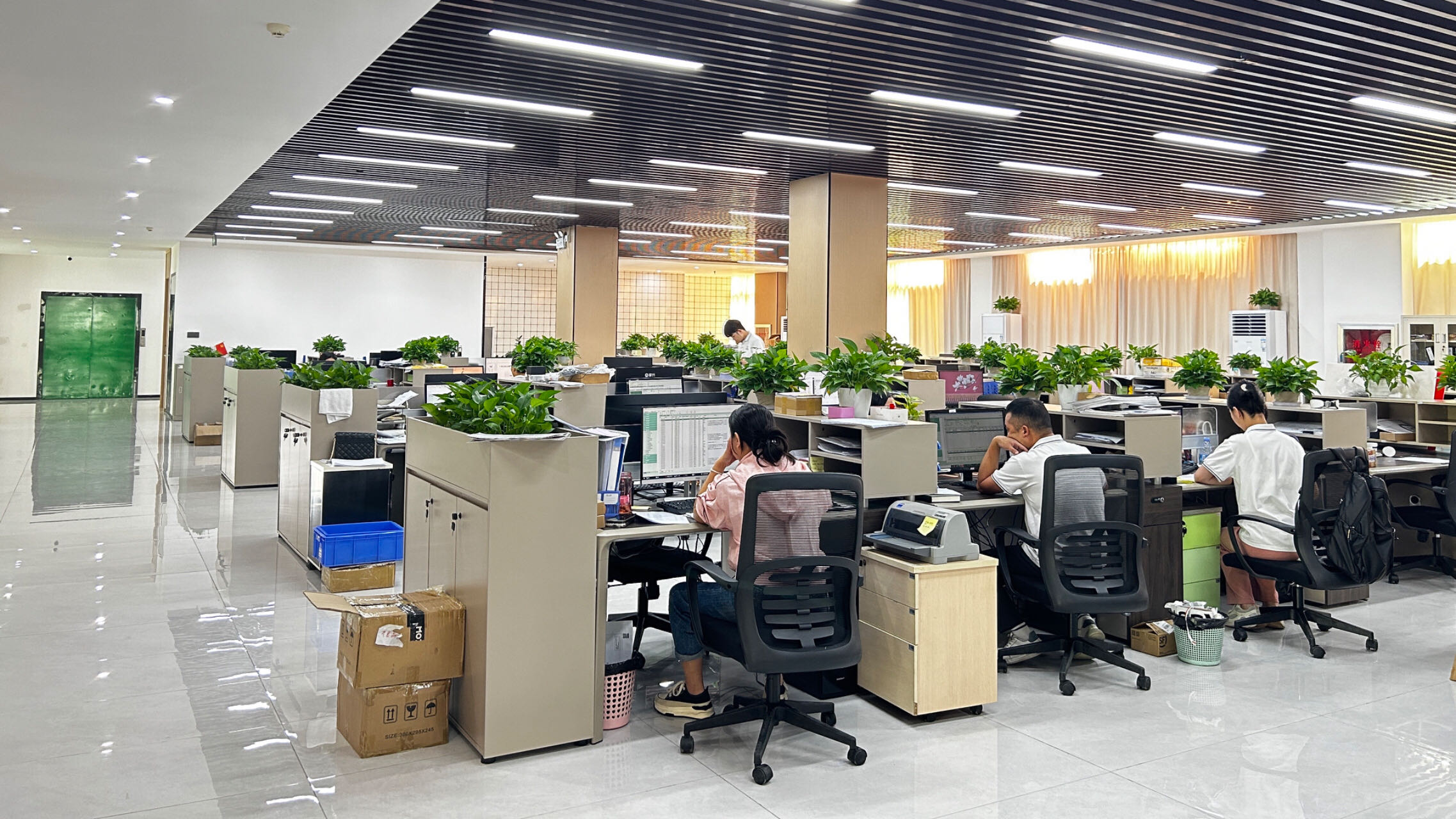
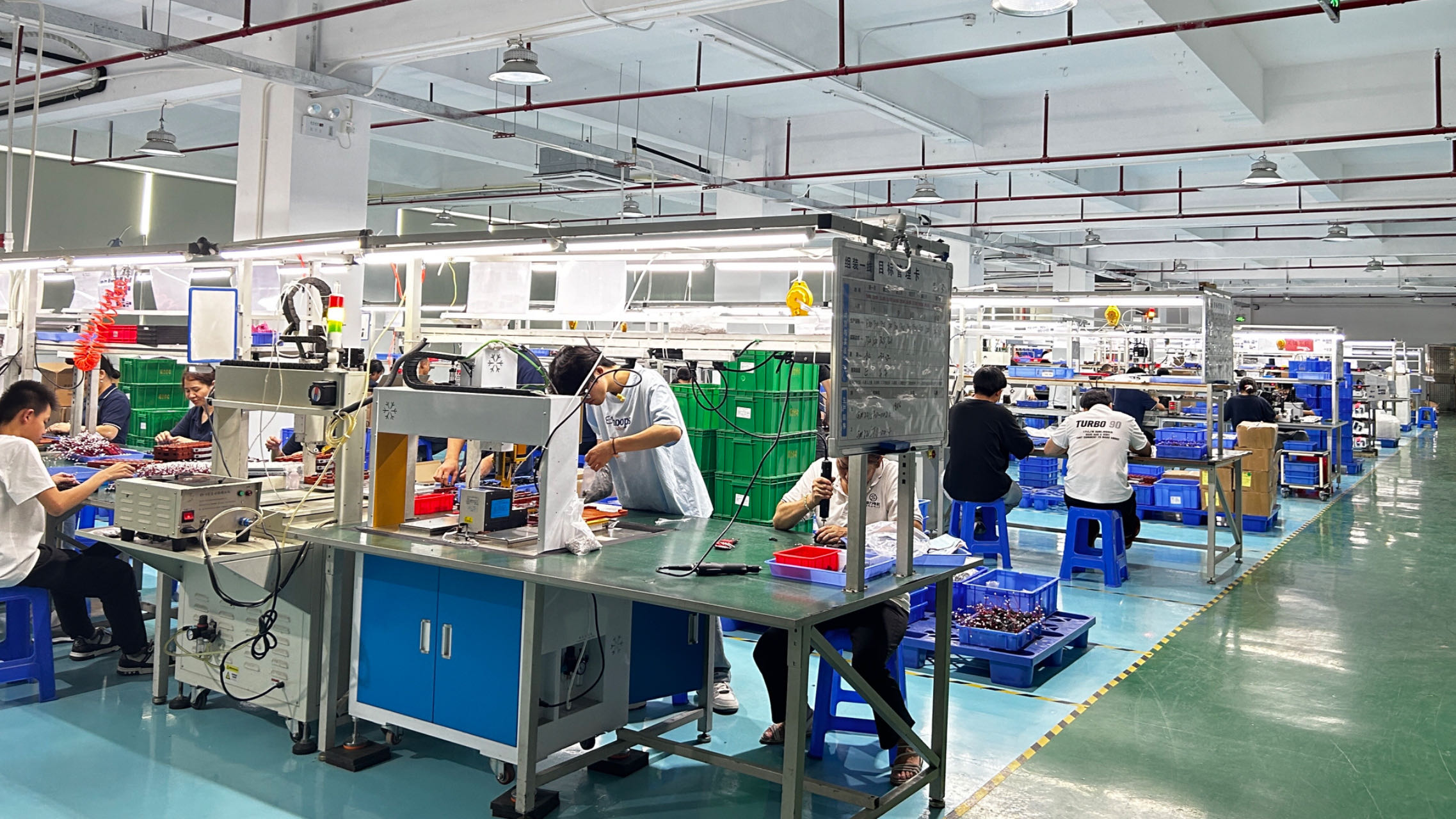
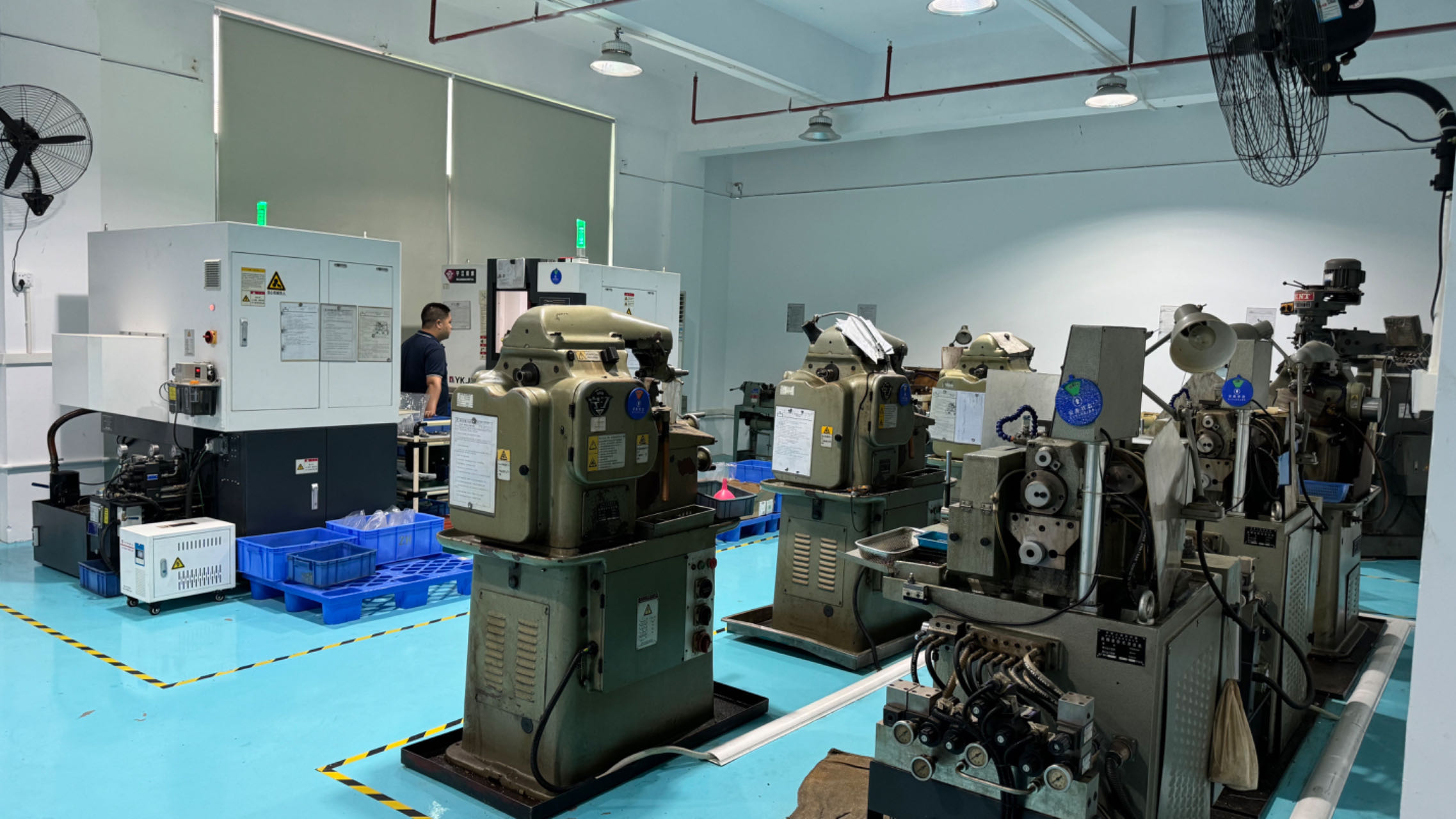
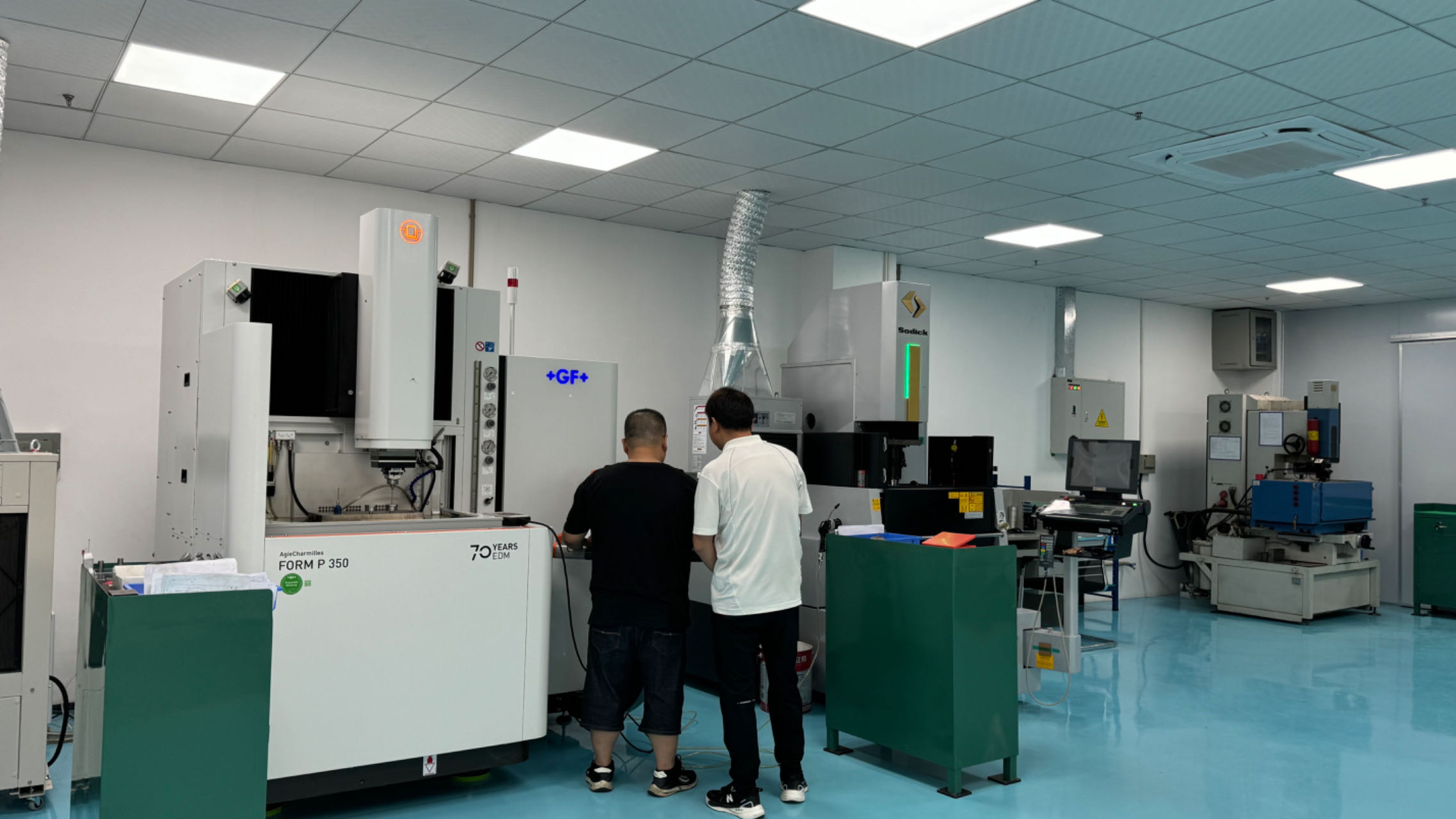
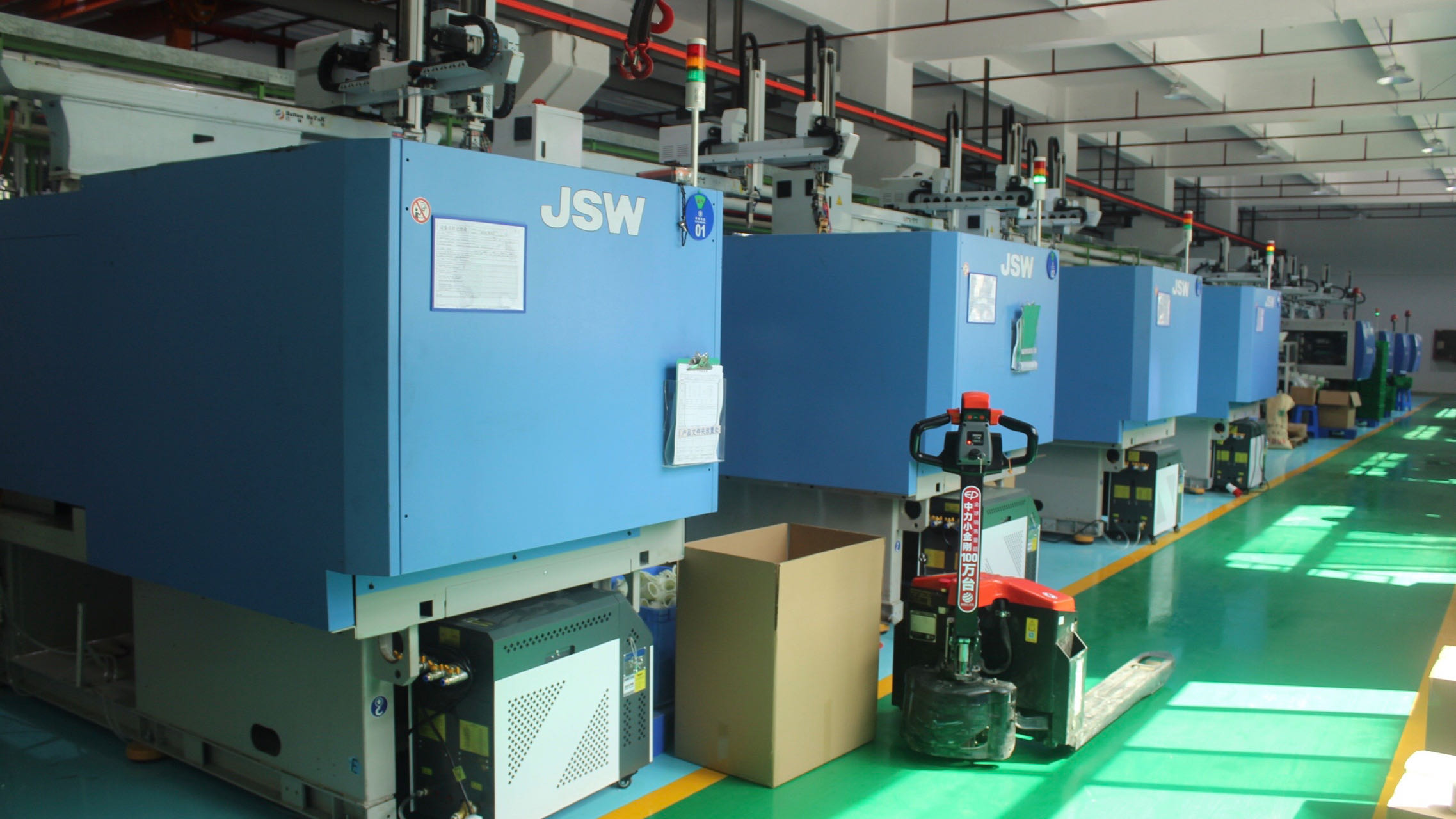
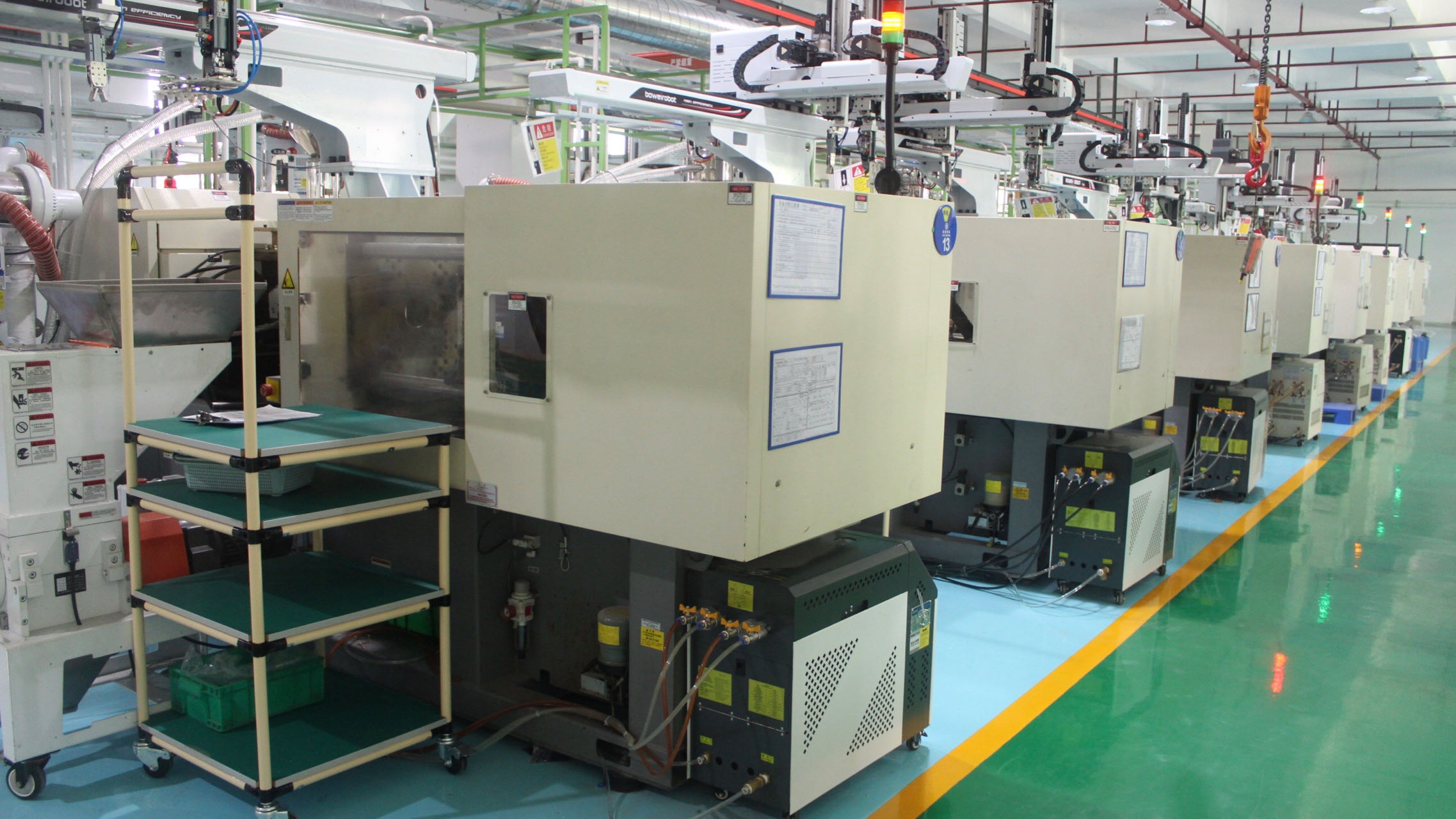
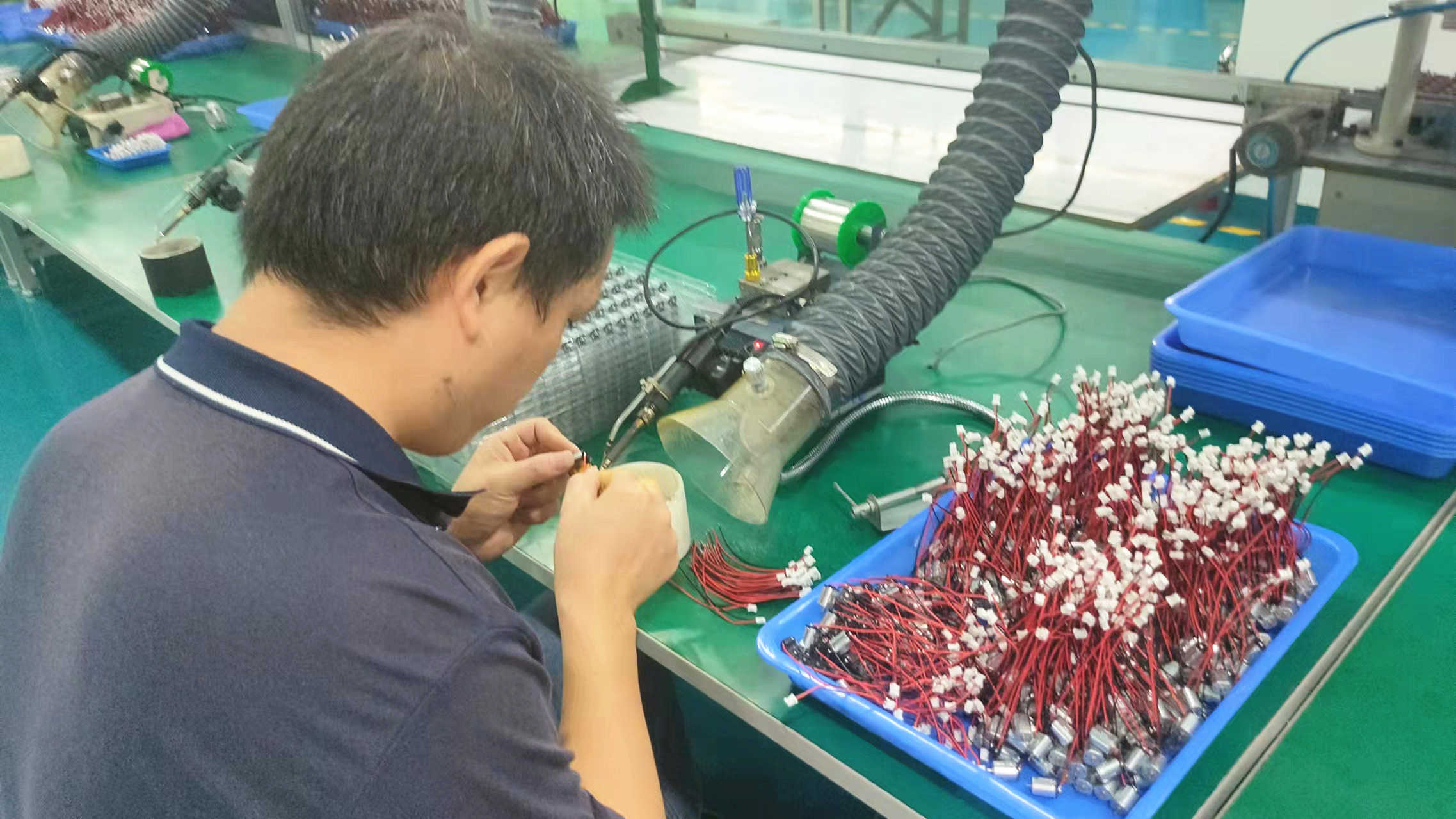
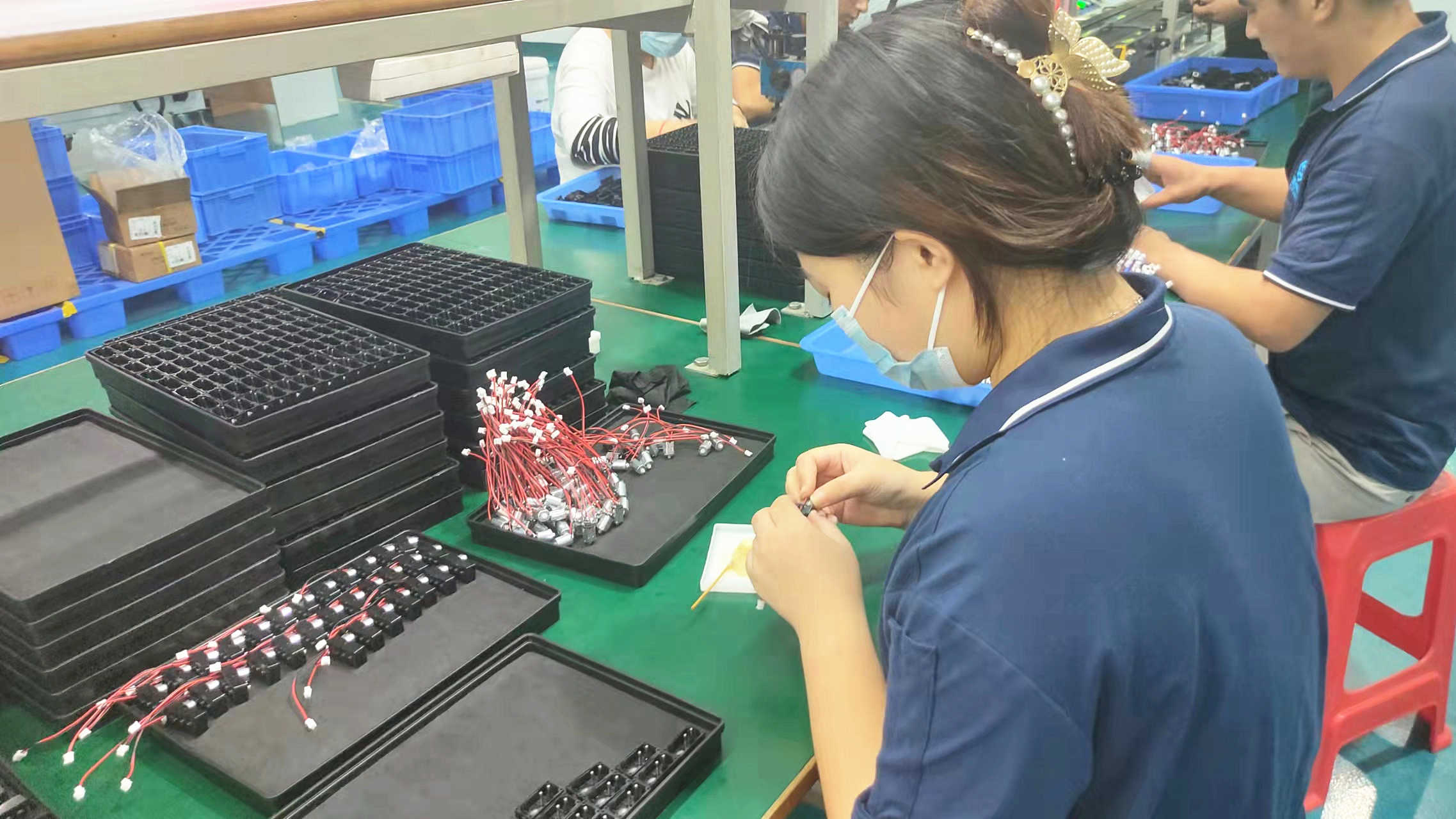
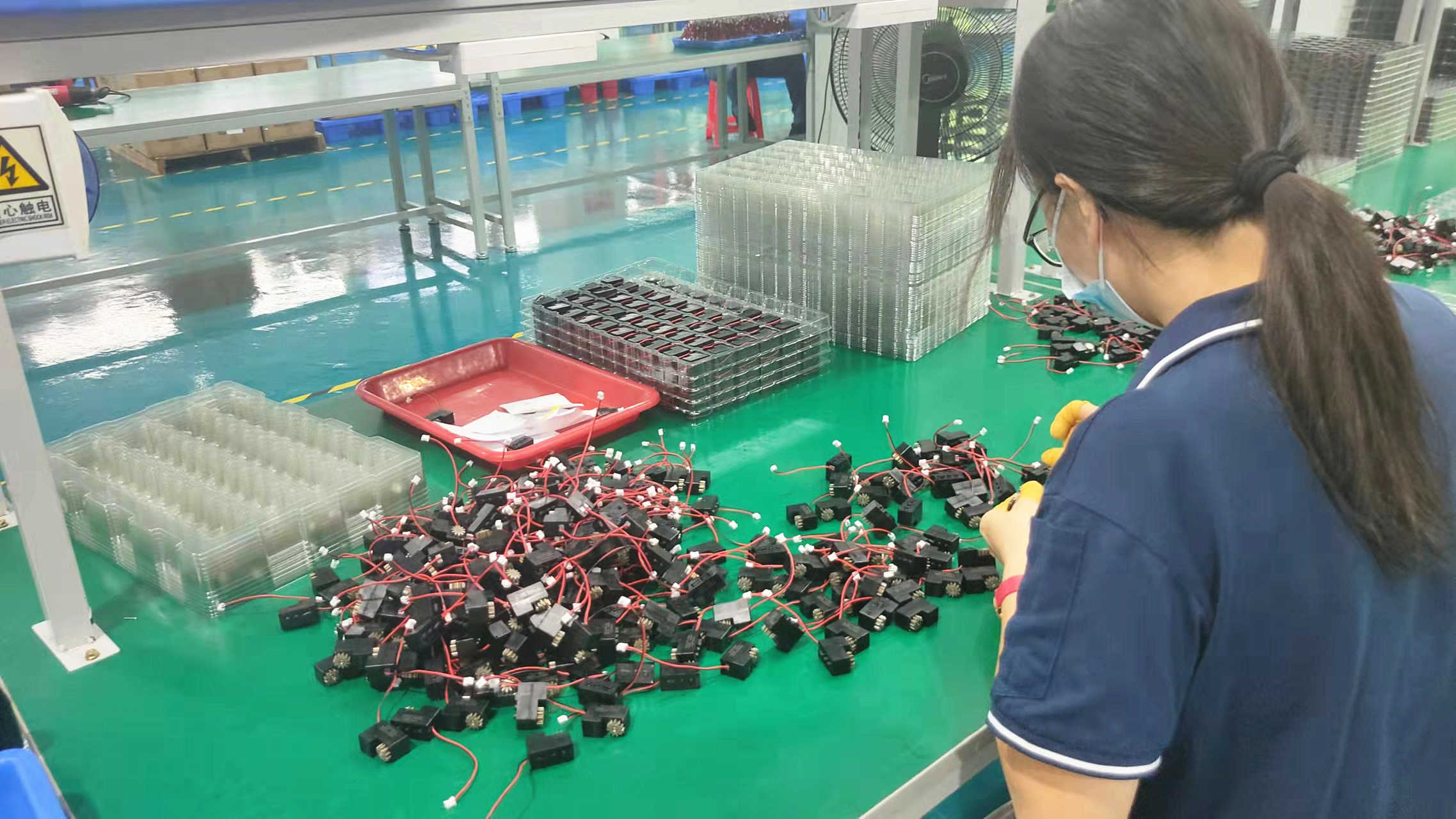
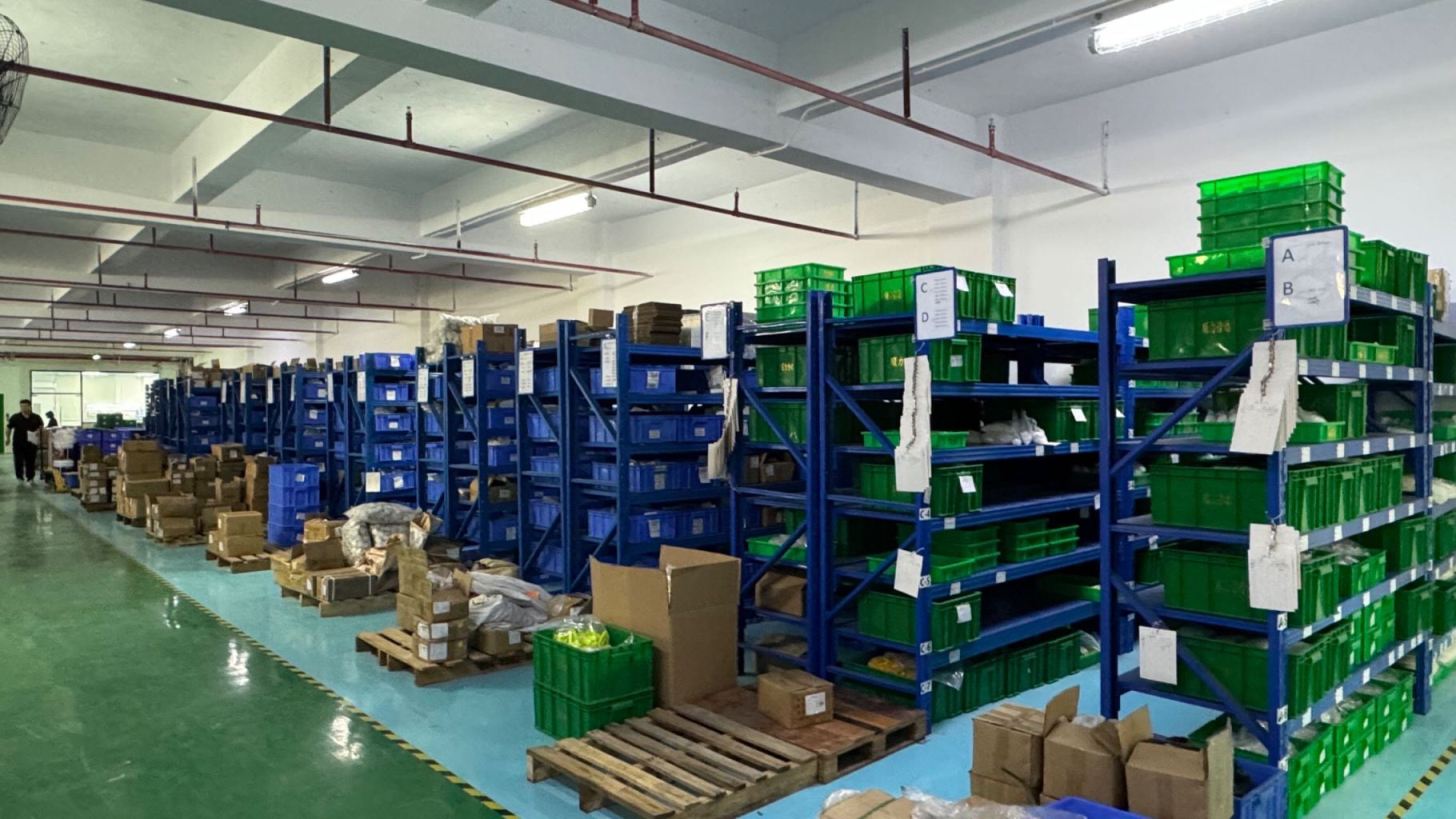
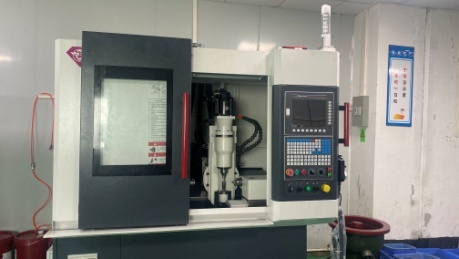
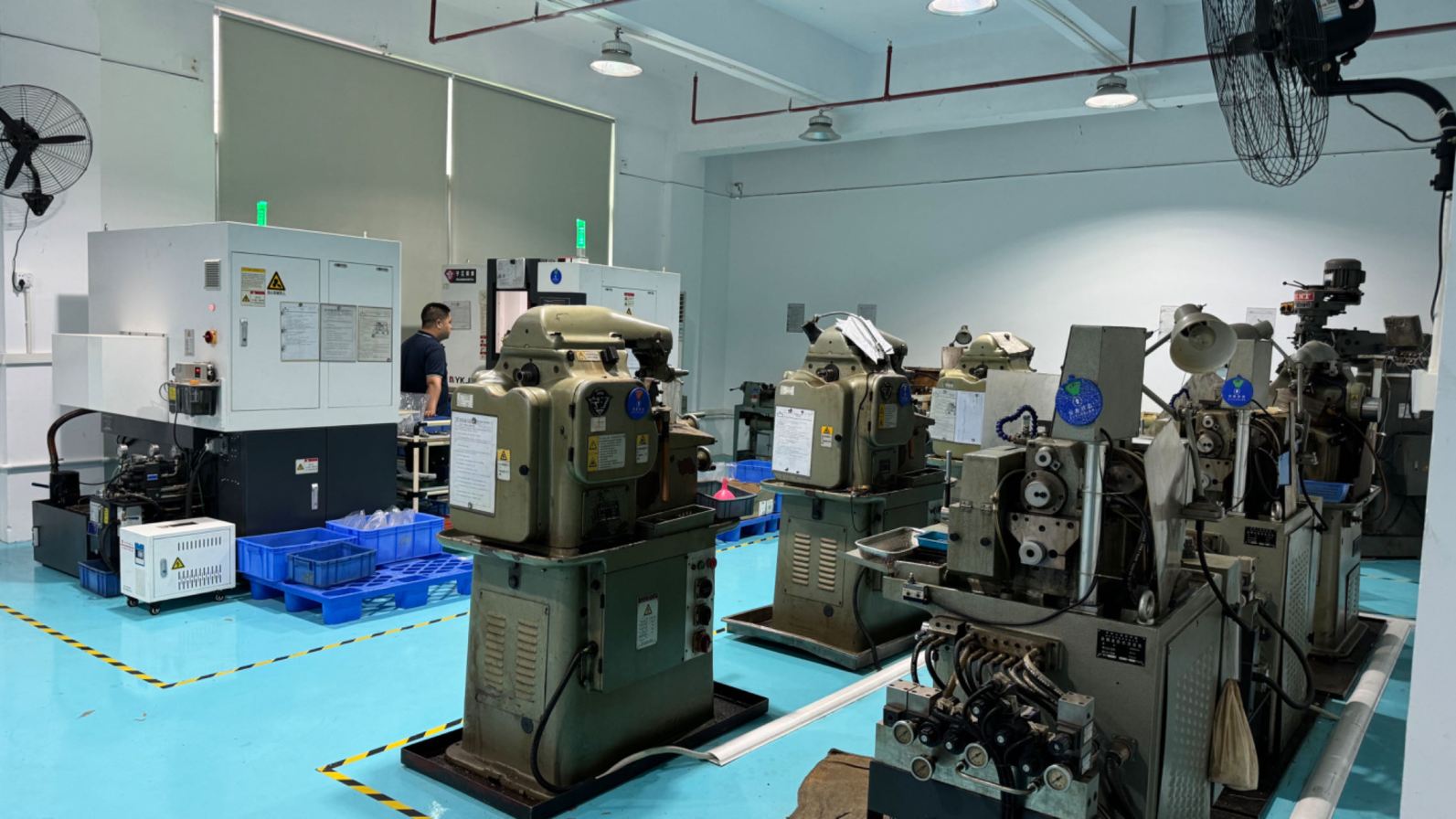
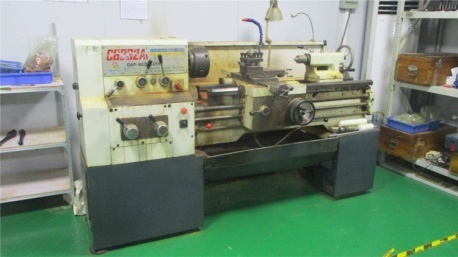
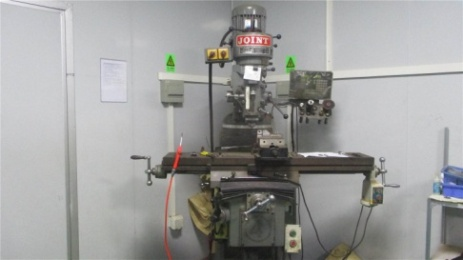
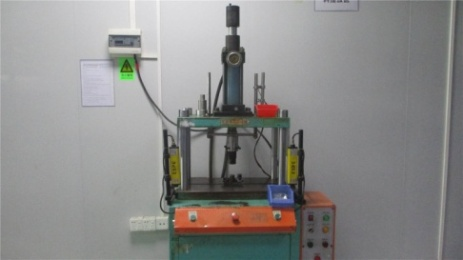
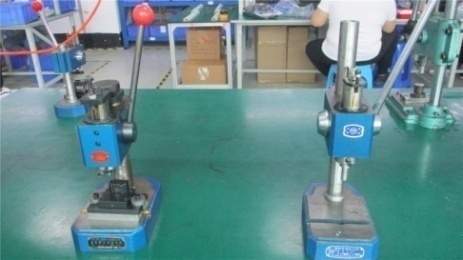
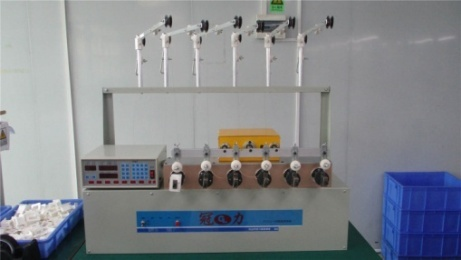
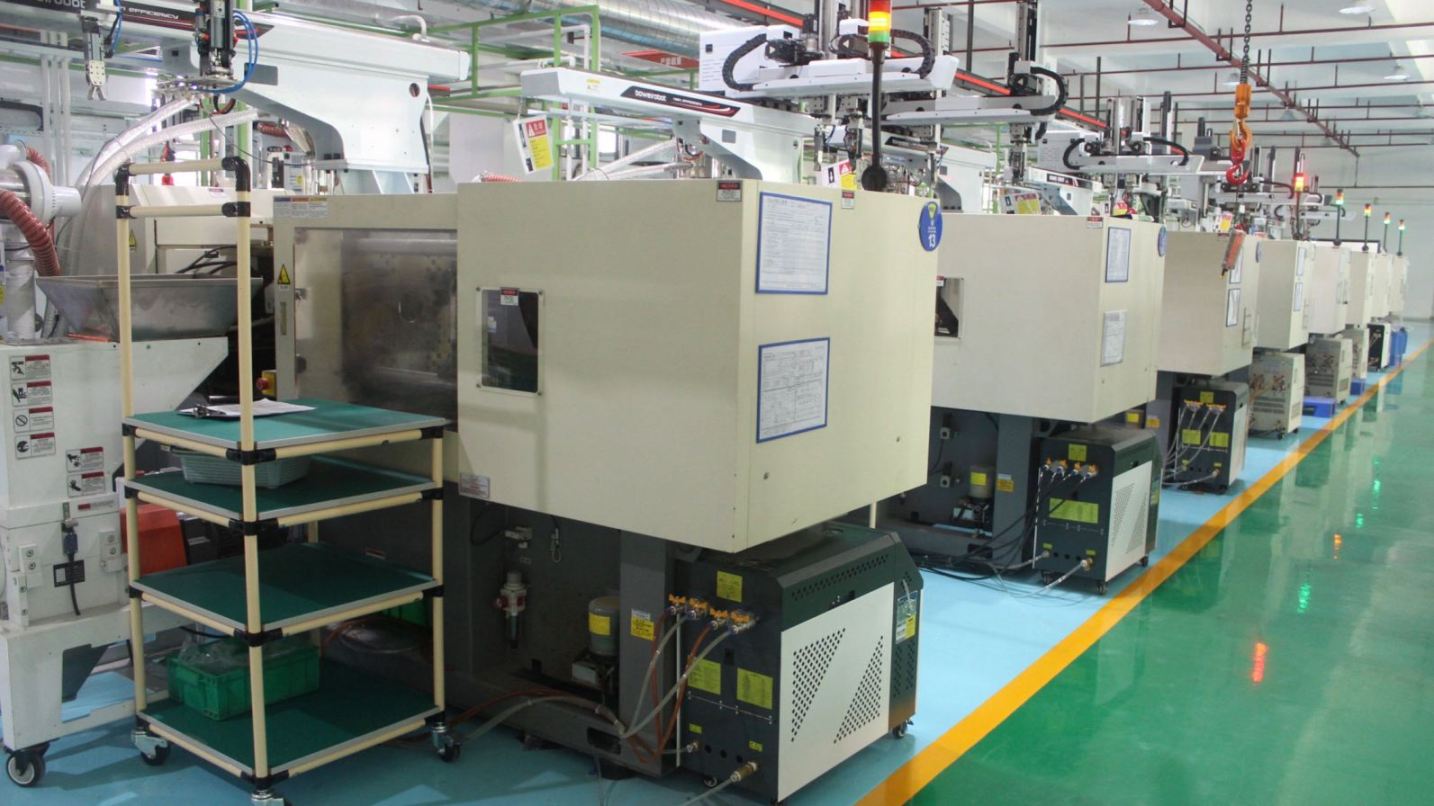
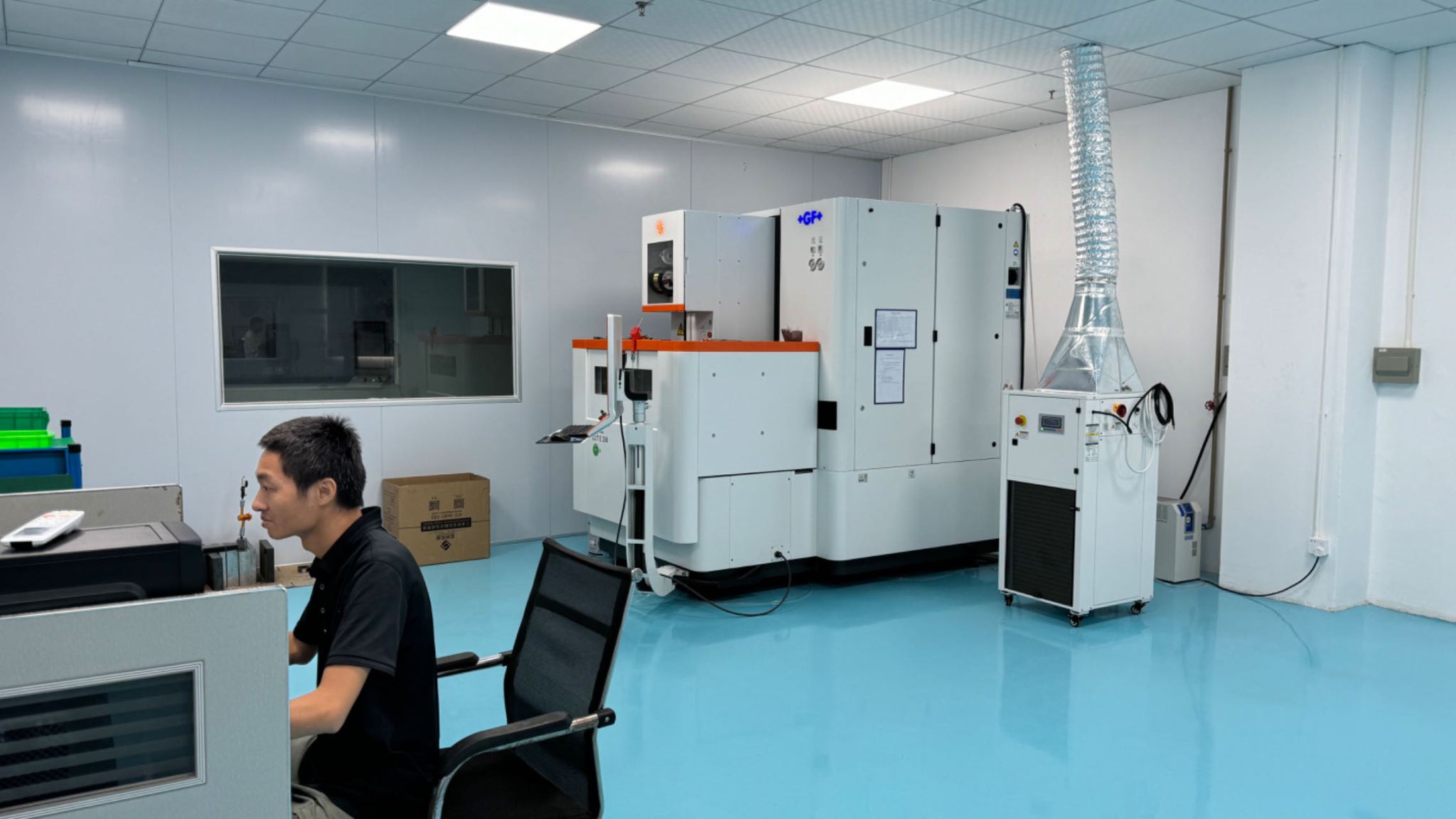
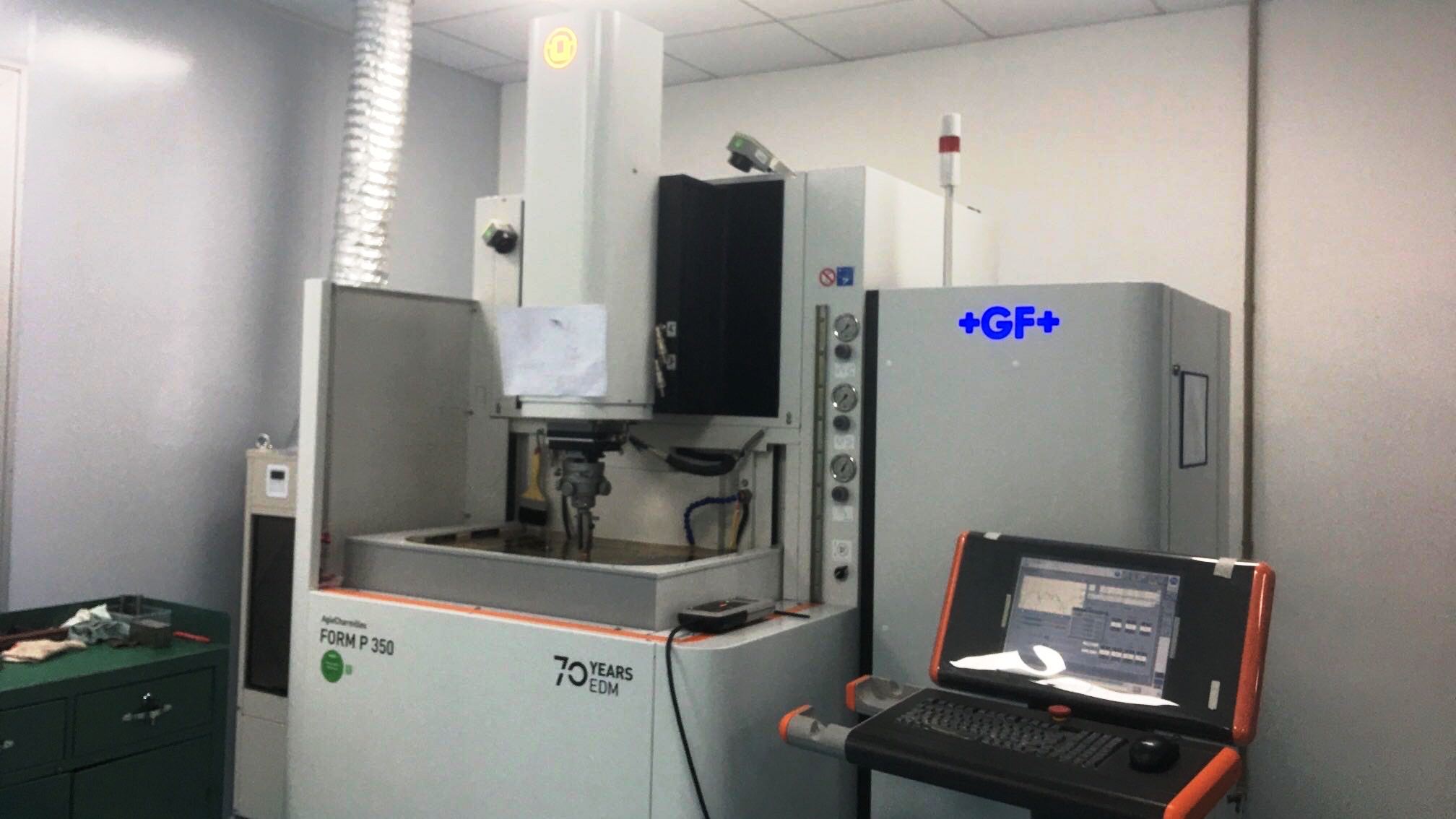
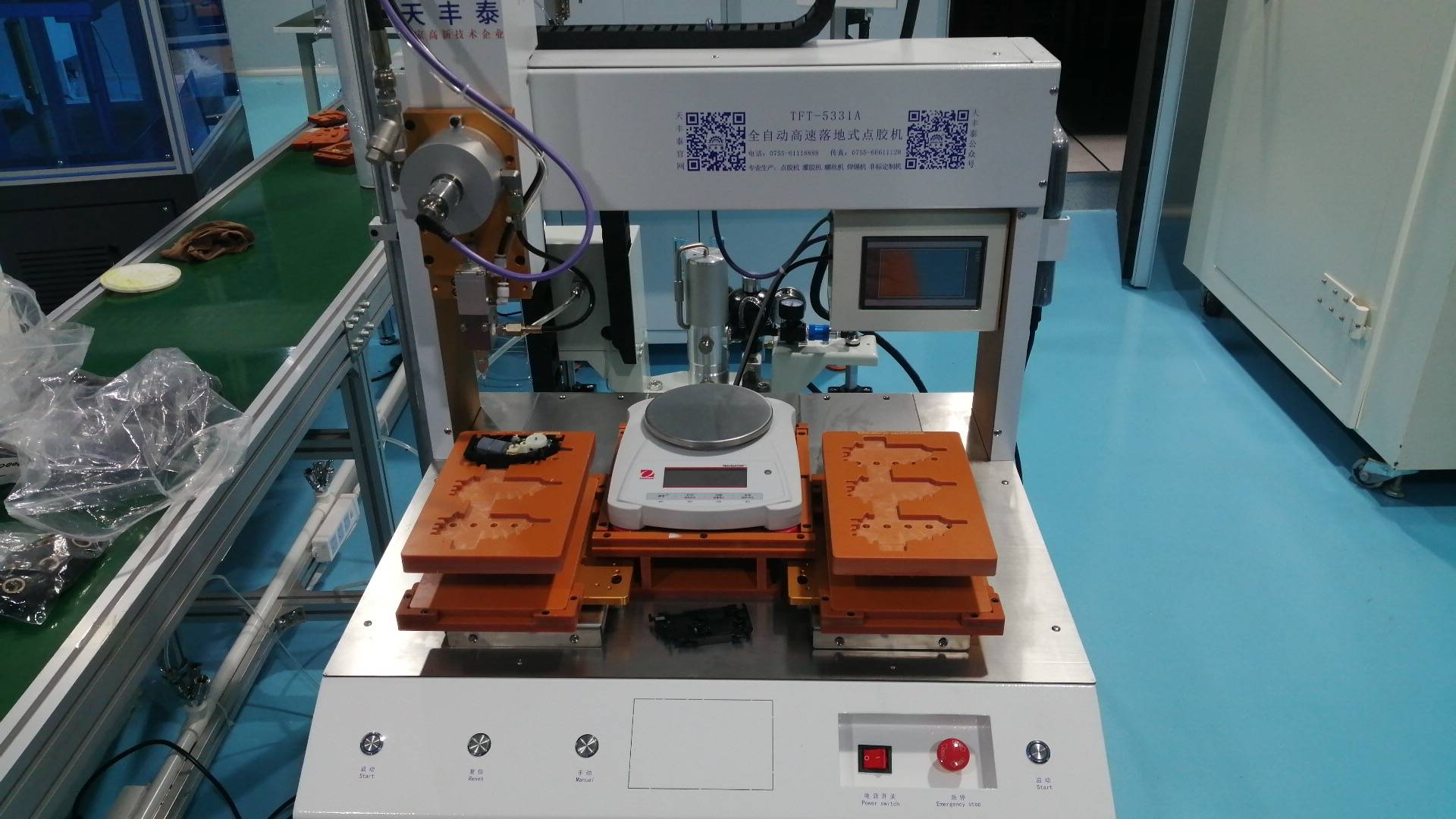
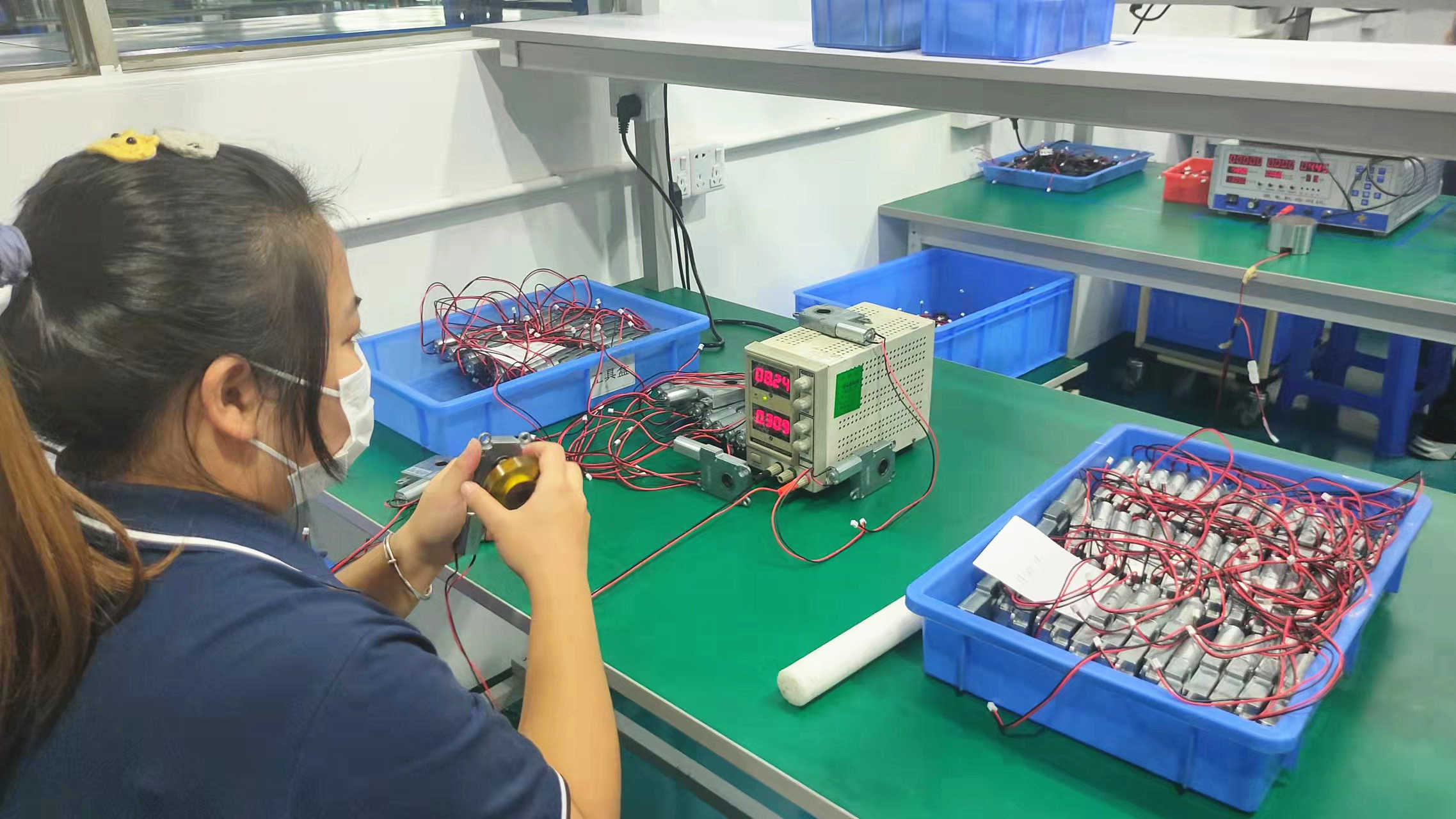
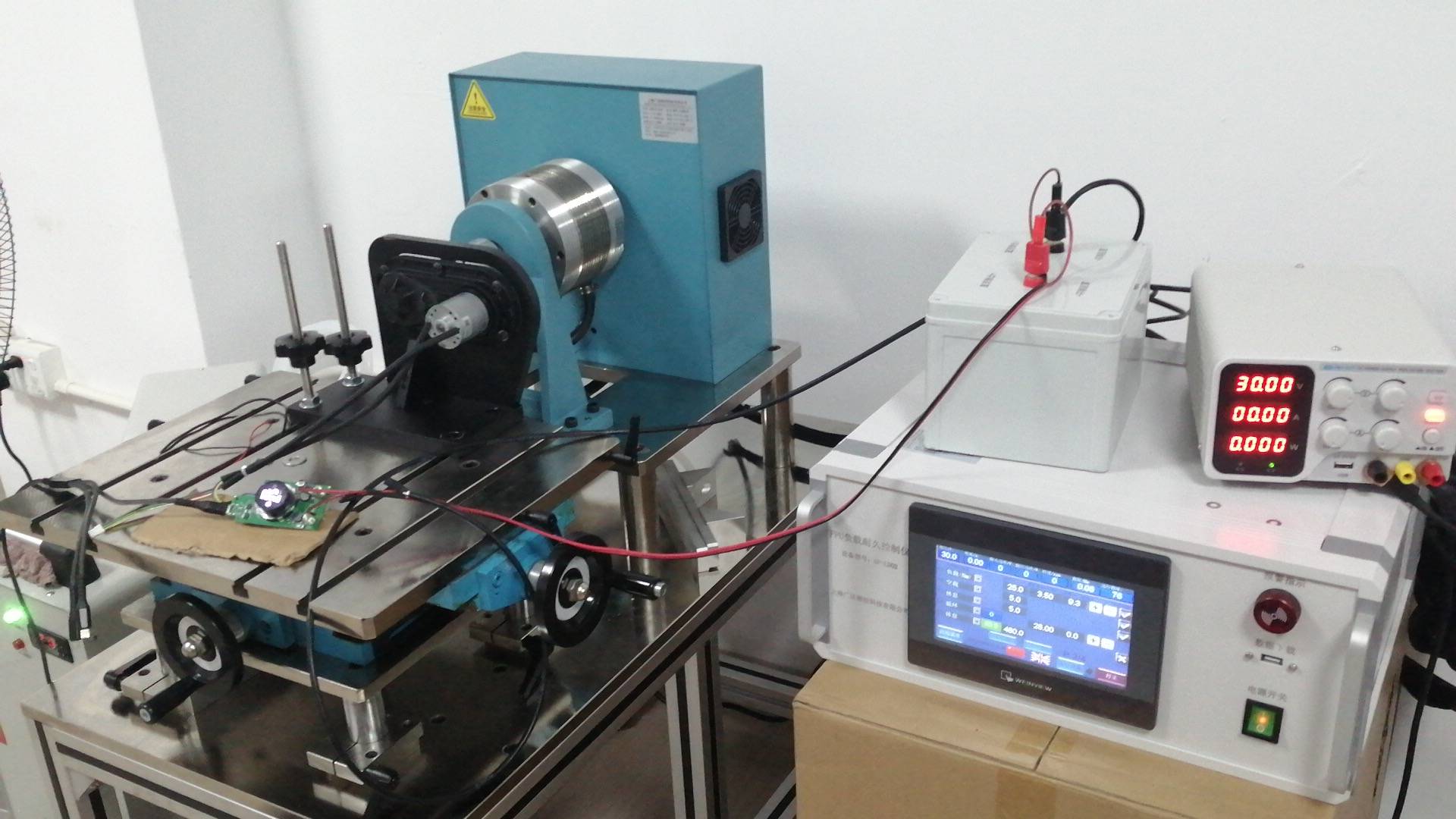
Why do major international brands source their custom shaded pole assemblies from our facility? It is a combination of raw material proximity, tooling integration, and high-precision production machinery. Our plant features integrated automated stamping presses, dynamic winding machines, and Swiss-style gear hobbing apparatus.
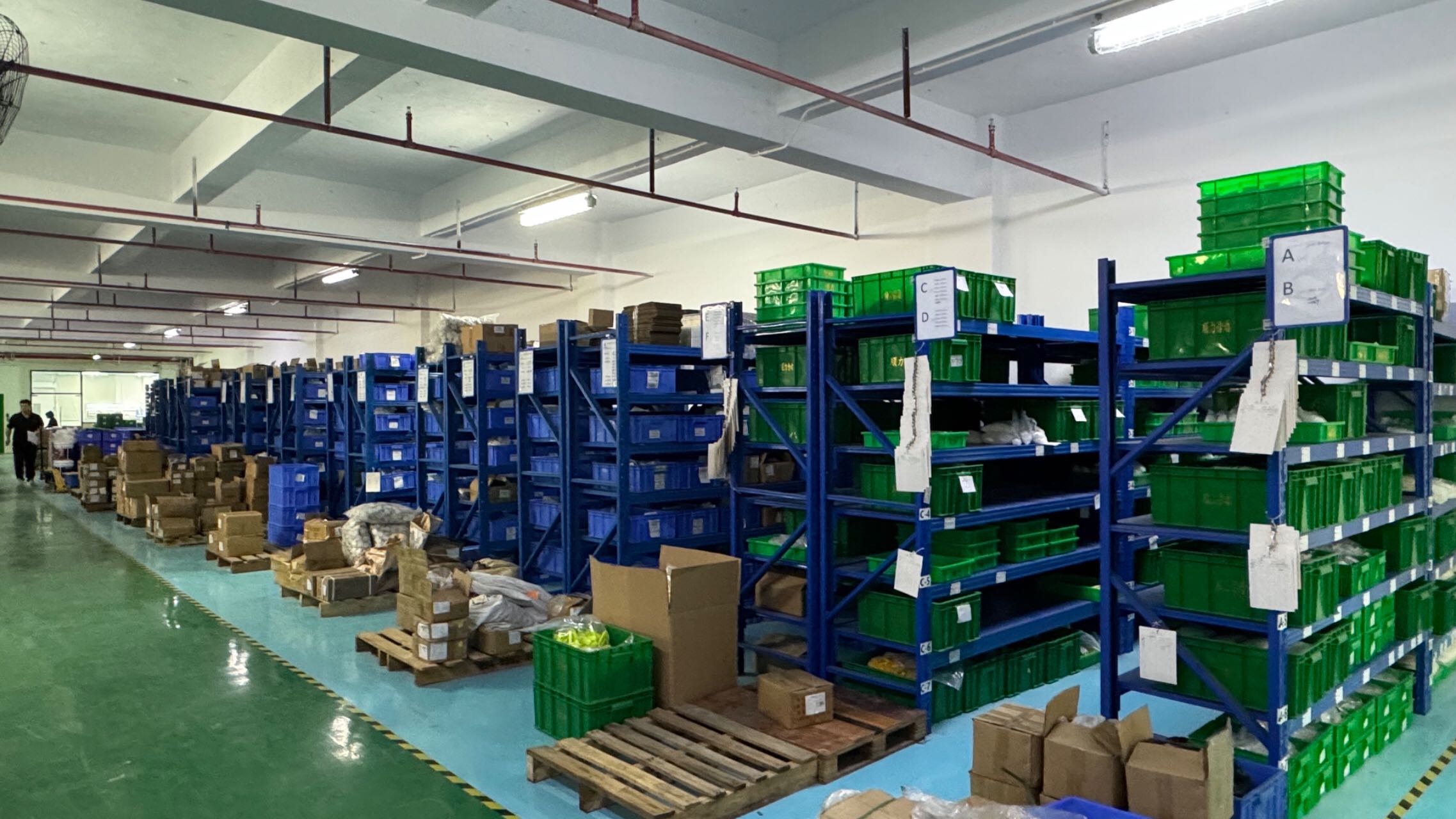
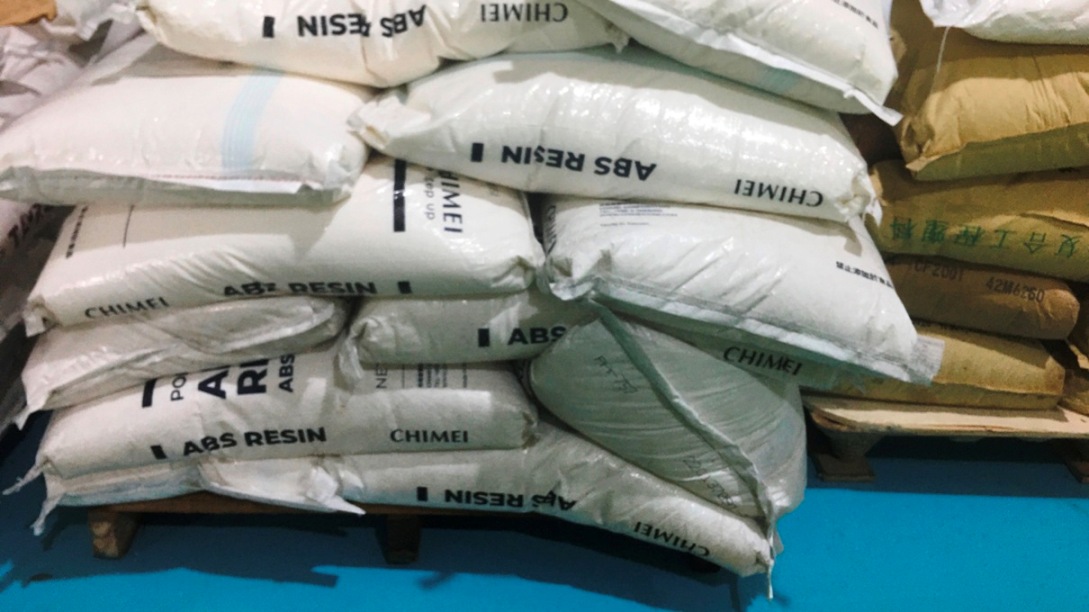
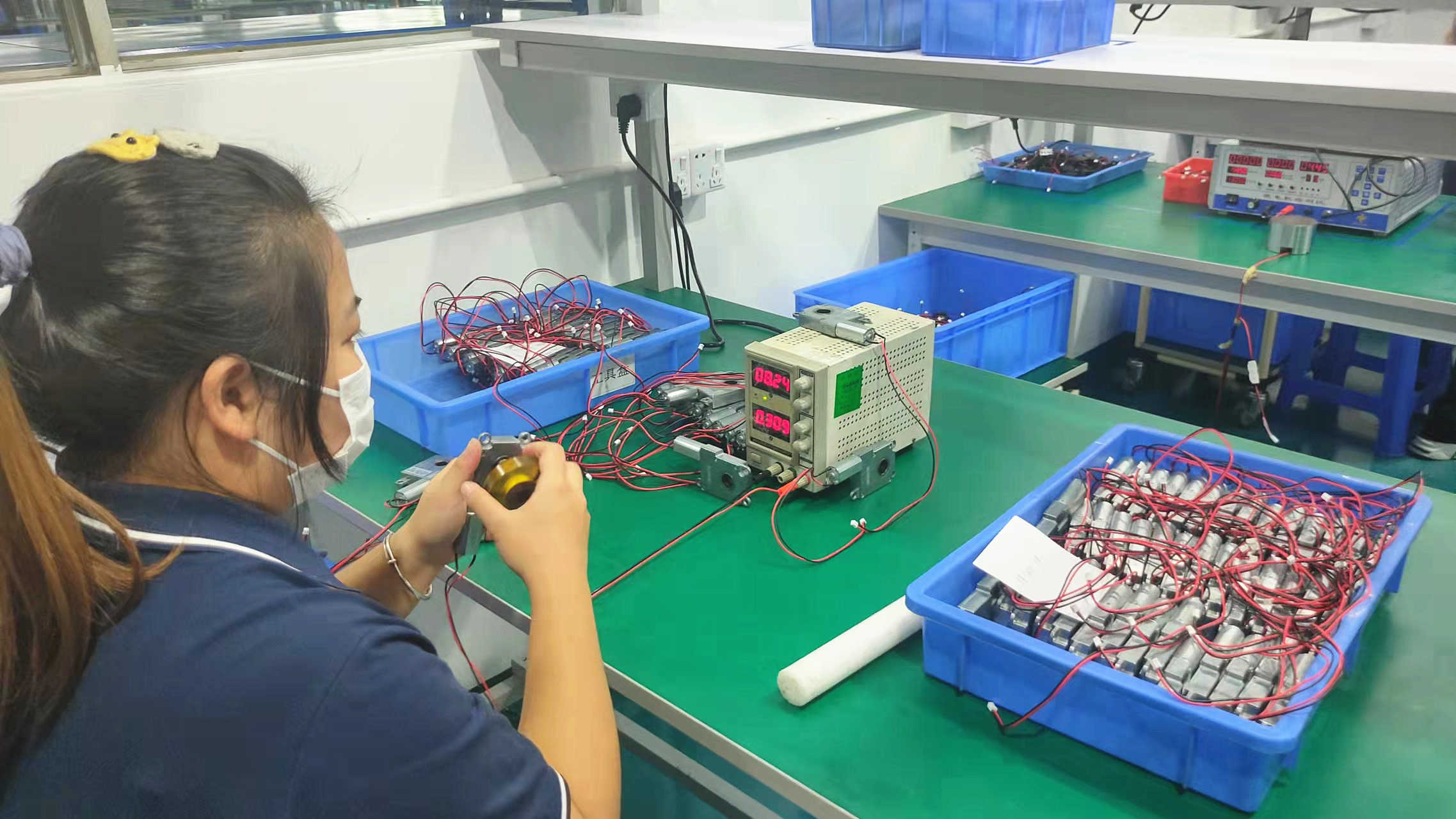
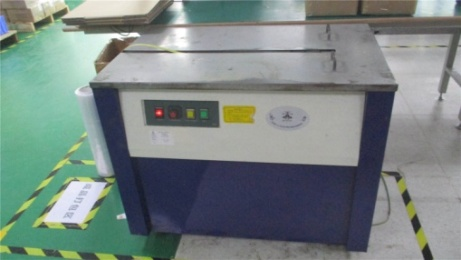
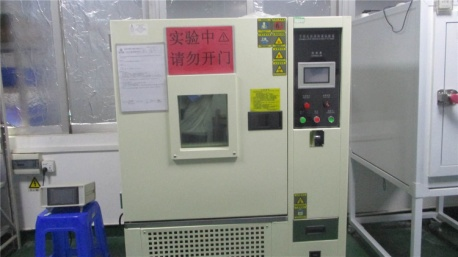
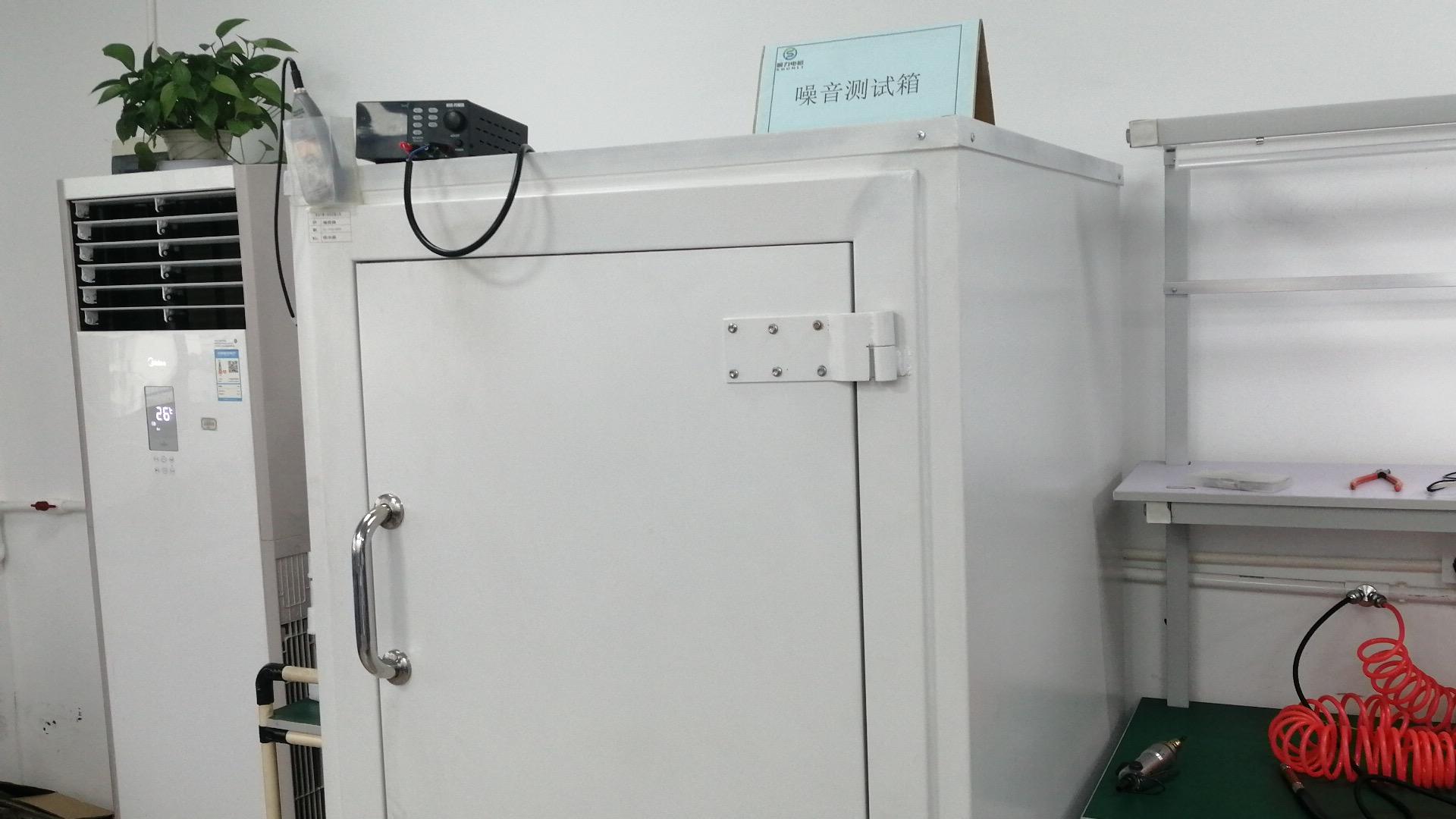
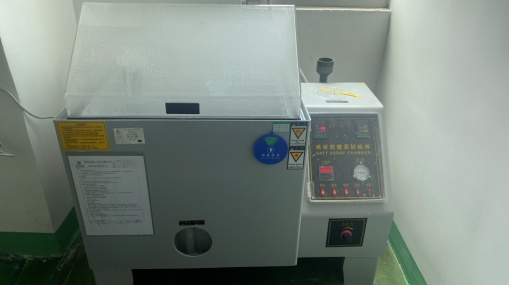
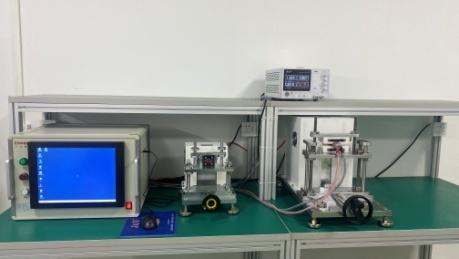
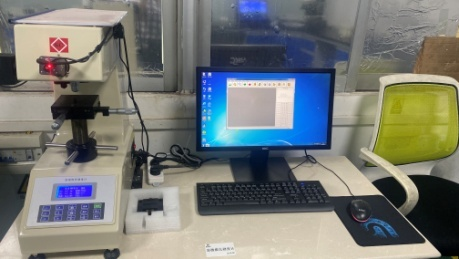
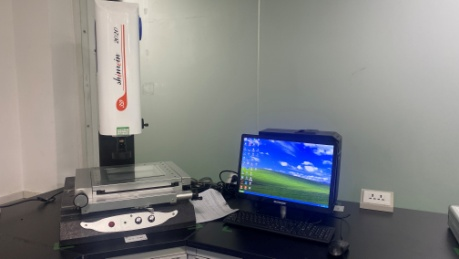
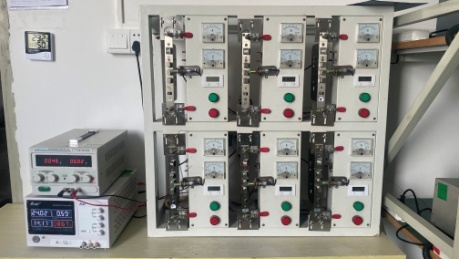
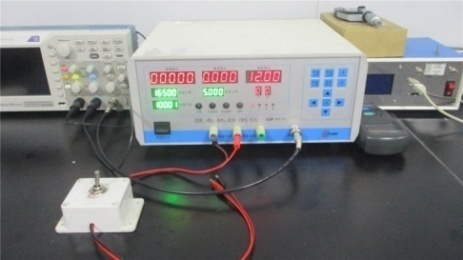
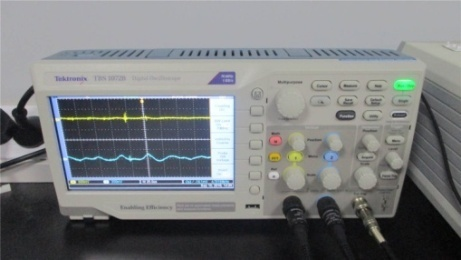
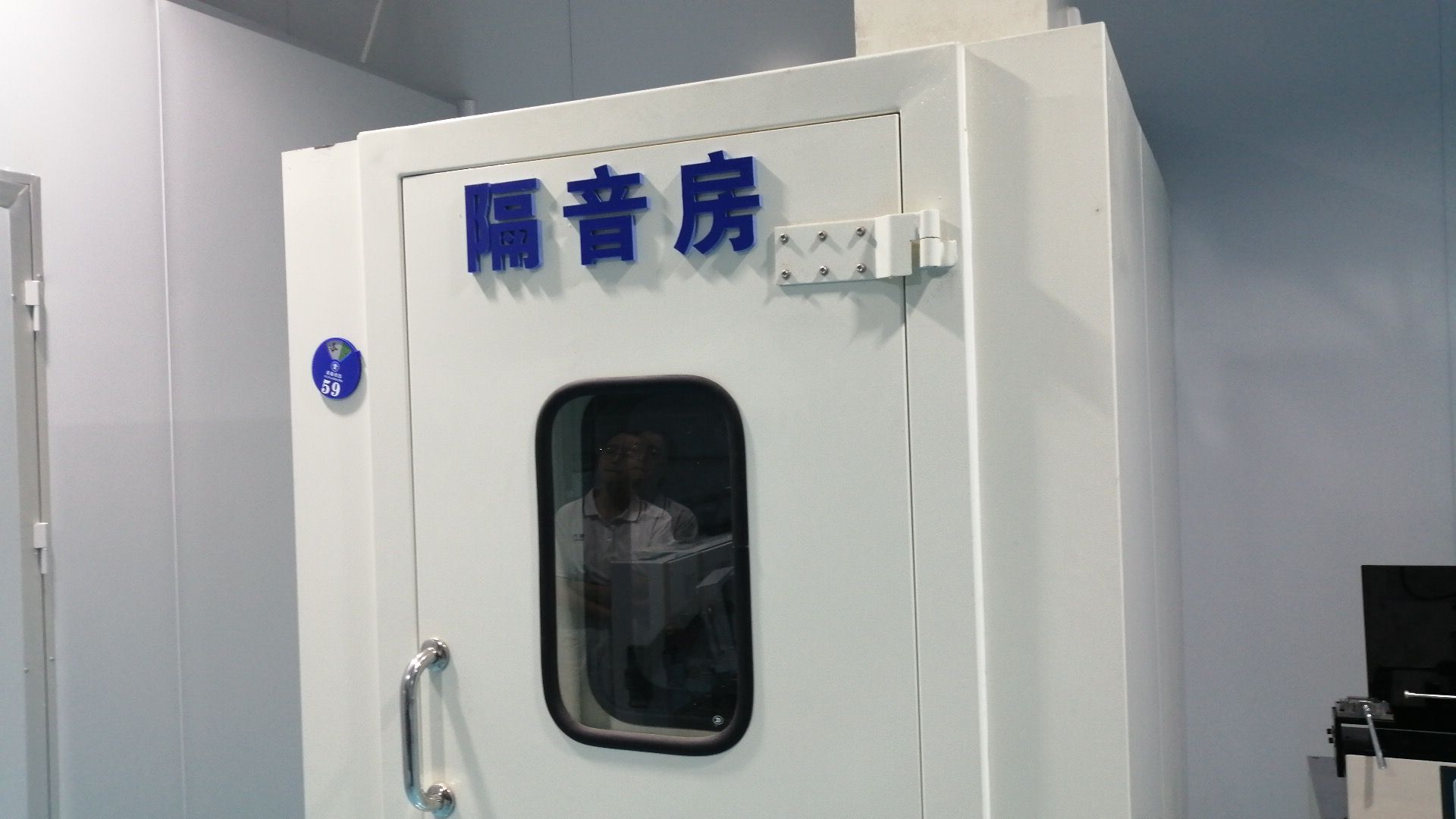
This allows TorqFlex to control everything from lamination punching to final packaging. By removing outsourced intermediate steps, we avoid raw material supply bottlenecks and deliver reliable lead times. Additionally, our automated testing suites ensure that every single motor leaving the assembly line is audited for noise thresholds and torque curve compliance.
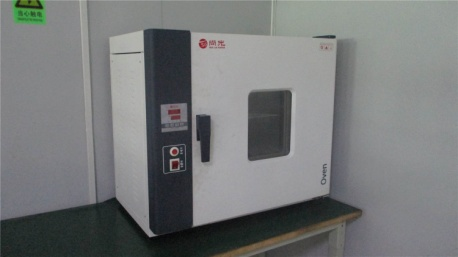
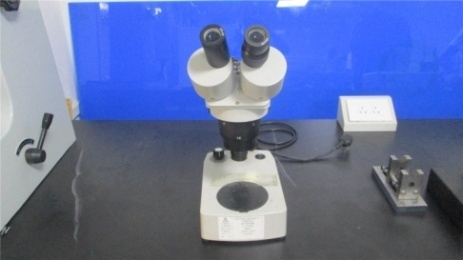
A comprehensive view inside our manufacturing, tooling, and metrology departments that anchor the TorqFlex standard.
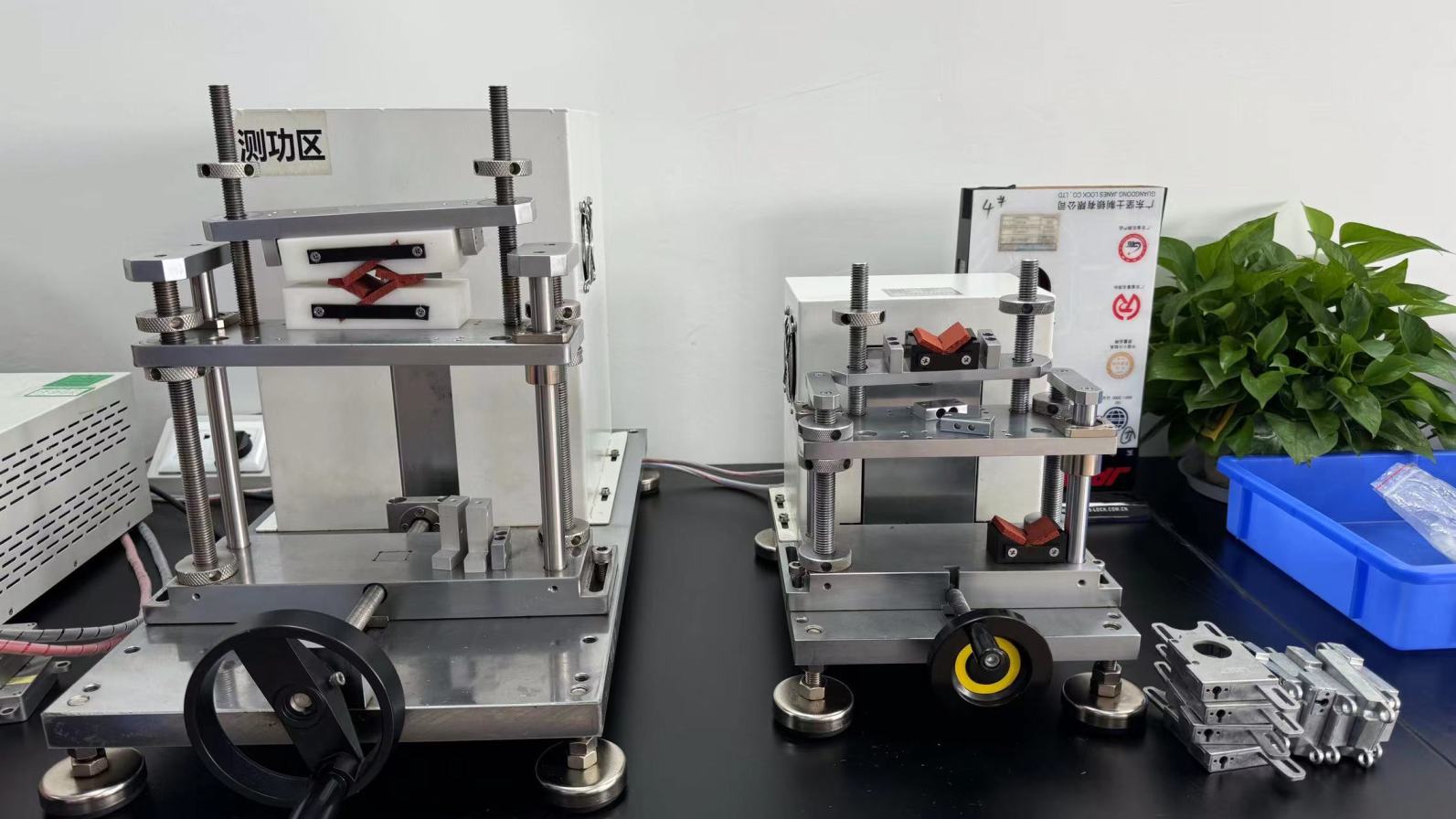
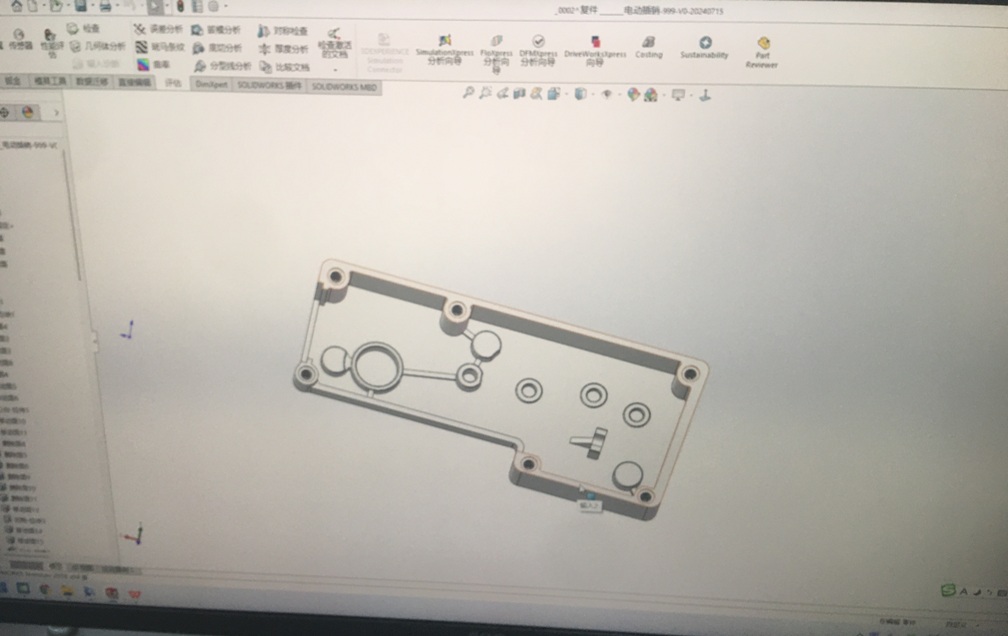
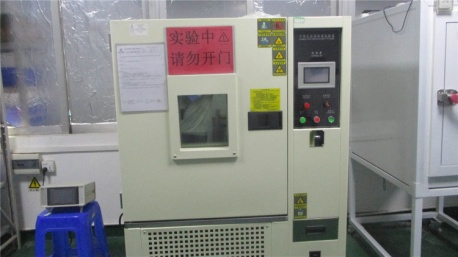
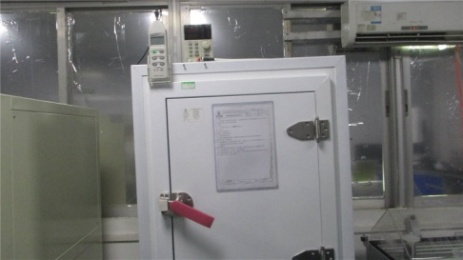
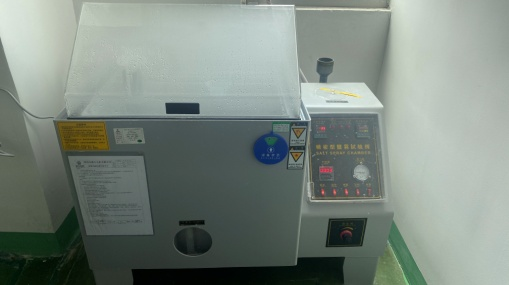
Operating in international markets requires adhering to strict safety protocols. Every AC Shaded Pole Gear Motor built by TorqFlex is designed to comply with UL (Underwriters Laboratories) standards for thermal protection, alongside European CE and RoHS declarations.
Our customization support goes beyond electrical parameters. We offer custom output shaft geometries, distinct mounting layouts, high-integrity wire harnesses, and specific gear reductions. With localized support centers across key markets in North America and Western Europe, we provide rapid responses to design changes and supply verification.
In-depth responses from our head of engineering regarding technical considerations, motor selection, and operational parameters.
Explore our industrial range of shaded pole assemblies, high-torque planetary systems, and customizable DC worm gear drives.
 TorqFlex Motor