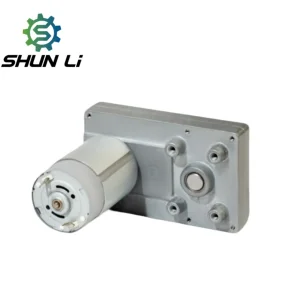
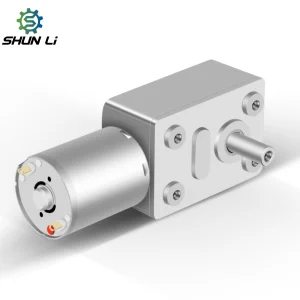
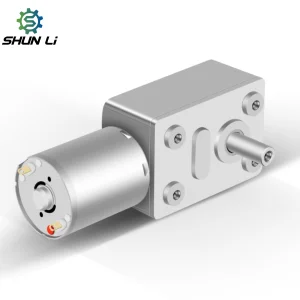
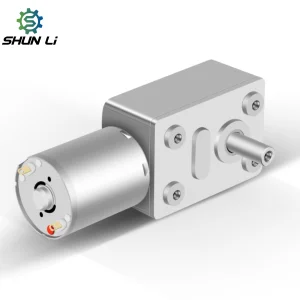
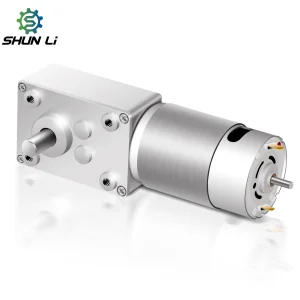
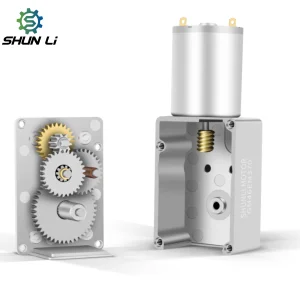
Explore our engineering catalog featuring robust worm gear configurations, self-locking setups, and micro-precision drive modules.
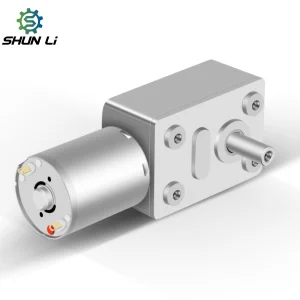
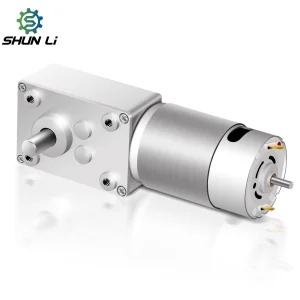
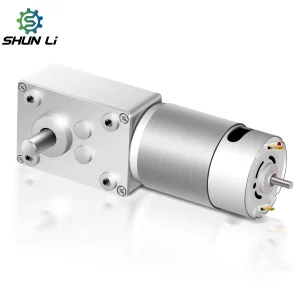
At TorqFlex, we measure our success in micrometers and decibels. We understand that inside a premium robotic joint, a medical dosing pump, or a high-end smart lock, space is the ultimate luxury. Our mission is to pack maximum torque, unyielding durability, and near-silent acoustics into the most compact footprints imaginable.
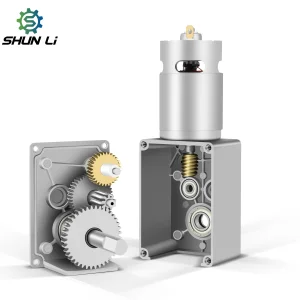
Our expertise lies in the harmony of miniature engineering. From precision-wound rotors and high-purity copper commutators to custom-designed planetary and worm gearheads, every component inside a TorqFlex micro motor is optimized for low energy consumption and a friction-free lifespan. We constantly push the limits of micro-drive tech, utilizing advanced automated Swiss-style hobbing and Japanese dynamic balancing to ensure that our internal gear trains operate with zero-backlash precision. When the integrity of your high-tech device hangs on repeated mechanical perfection, TorqFlex delivers the silent power that anchors your design.
Modern industrialization demands motion solutions that bridge the gap between heavy-duty output and miniature constraints. DC worm gear motors sit at this vital junction.
In applications such as automated shutter controls, hospital bed adjusters, and security gates, power failure cannot compromise stability. The high reduction ratio and friction-locking capability of a worm gear configuration prevent backdriving without requiring expensive external electromagnetic braking systems.
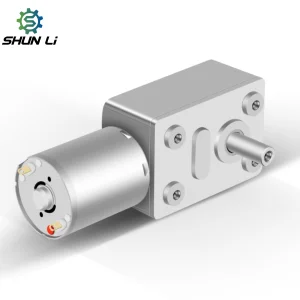
As engineering designs shift toward streamlined profiles, the 90-degree right-angle configuration allows the motor to run parallel to the application face. This minimizes depth clearance requirements, allowing mechanical design departments to reduce frame sizes and cut raw materials costs.
Traditional straight-spur gearheads face catastrophic acoustic failure at high speeds. The sliding contact of worm gears absorbs shock loads and reduces high-frequency mechanical whining, critical for indoor, medical, and consumer-facing automated environments.
Sourcing micro gear motors extends beyond basic torque specs. Global engineering buyers audit manufacturers across critical operational parameters.
From flat D-cut shafts and keyways to dual-shaft extensions and custom helical profiles, OEMs need direct-to-assembly fits that eliminate secondary machining stages at their facilities.
With the rise of battery-operated and solar-harvesting grid-independent devices, 12V and 24V brushed/brushless systems must maintain peak efficiency curves under intermittent duty cycles.
Robotic kinematics and automated ATMs require high-resolution feedback loops. Integrating Hall sensors or optical encoders directly onto the motor rear shaft is critical for closed-loop motion control.
The micro-motor industry is undergoing rapid technical evolution to support smart infrastructure and automation.
Integration of BLDC (Brushless DC) technology with worm gearboxes to extend operational lifespan from 2,000 hours to over 10,000 hours, eliminating carbon brush maintenance.
Replacing standard brass worm wheels with high-density phosphor bronze (QSn6.5-0.1) and engineering plastics (POM/PEEK) to minimize coefficient of friction and operational wear.
Implementation of ultra-precise gear tooth matching and high-vacuum synthetic lubrication grease, lowering operational decibel levels to < 40dB for medical pumps and residential smart locks.
Integration of CANopen, Modbus, or simple PWM speed control drives directly into the rear cover of the motor frame to support Industrial IoT connectivity.
As the premier global manufacturing hub, China's motor assembly lines combine specialized engineering ecosystems with vertical integration.
Proximity to localized rare-earth magnet deposits and specialized steel rolling mills guarantees a secure, cost-stable supply of raw inputs, shielding buyers from macro geopolitical swings.
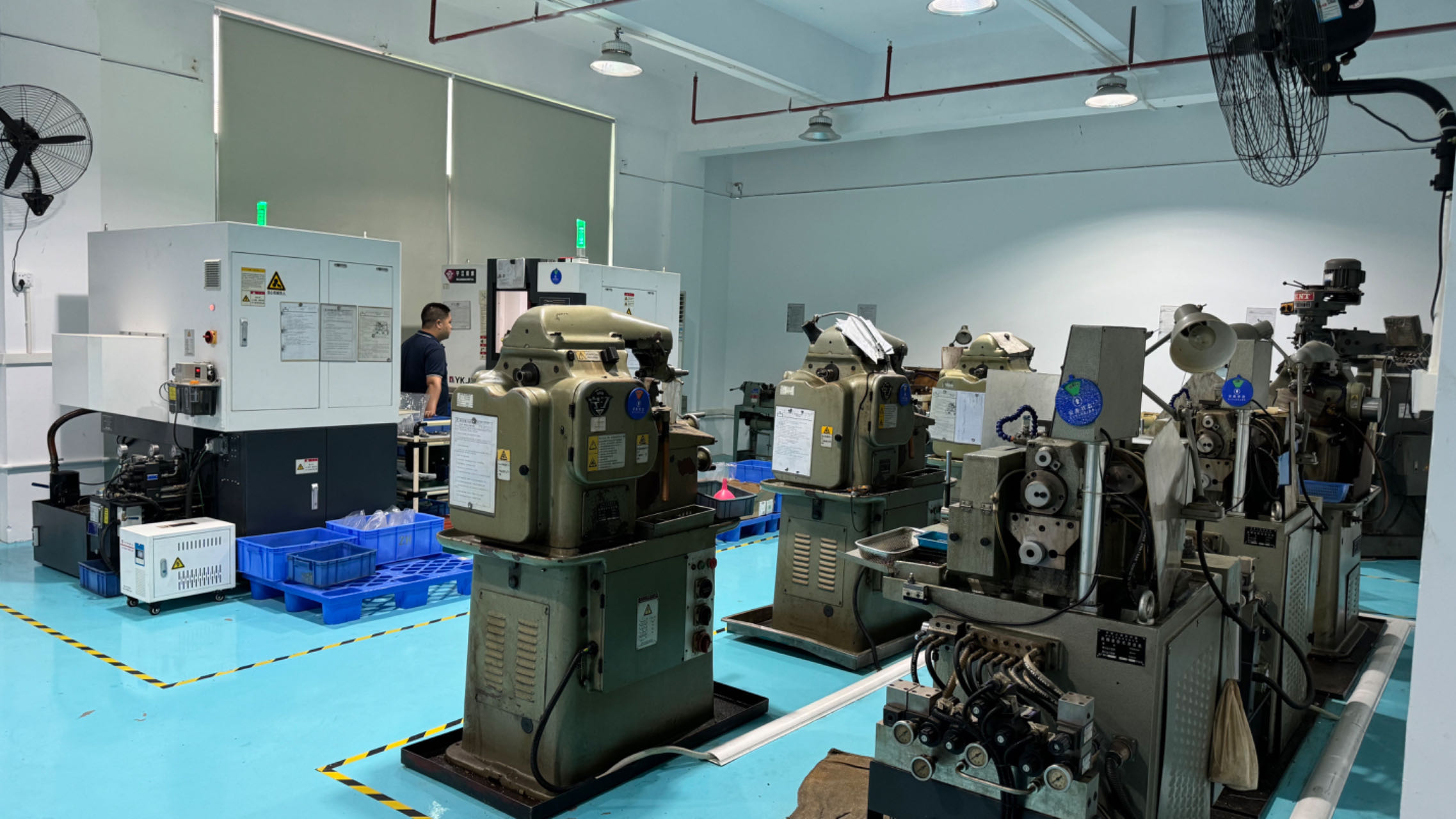
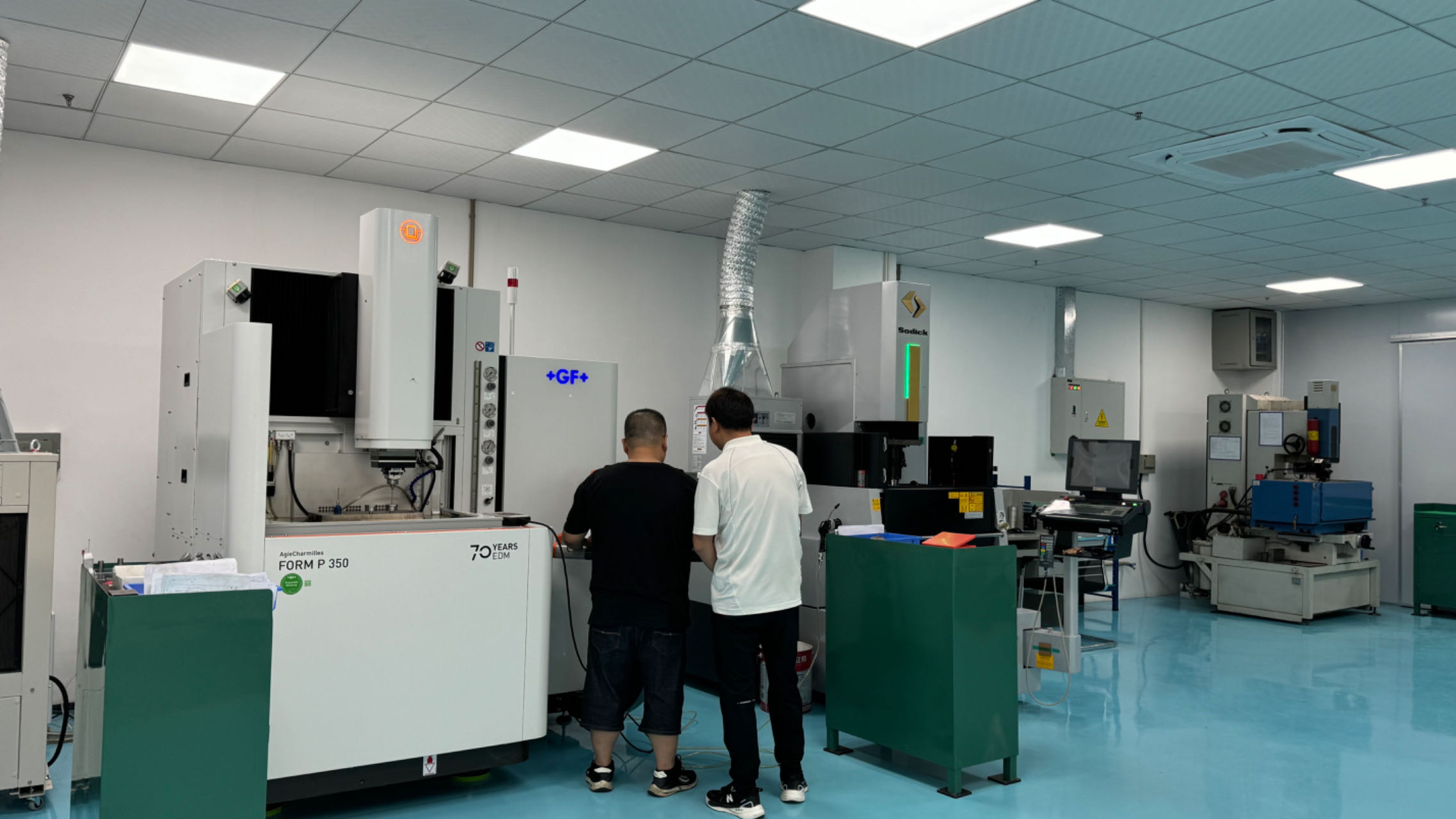
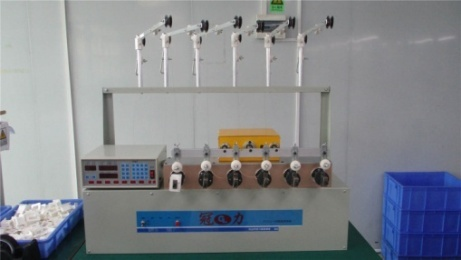
Advanced machinery including slow-feeding NC wire-cut machines, automated gear riveters, and computer wire winding machines ensure high repeatability and lower reject rates.
Strategic factory locations near major ports like Shanghai, Ningbo, and Shenzhen facilitate streamlined customs, optimized ocean freight, and direct customs documentation delivery.
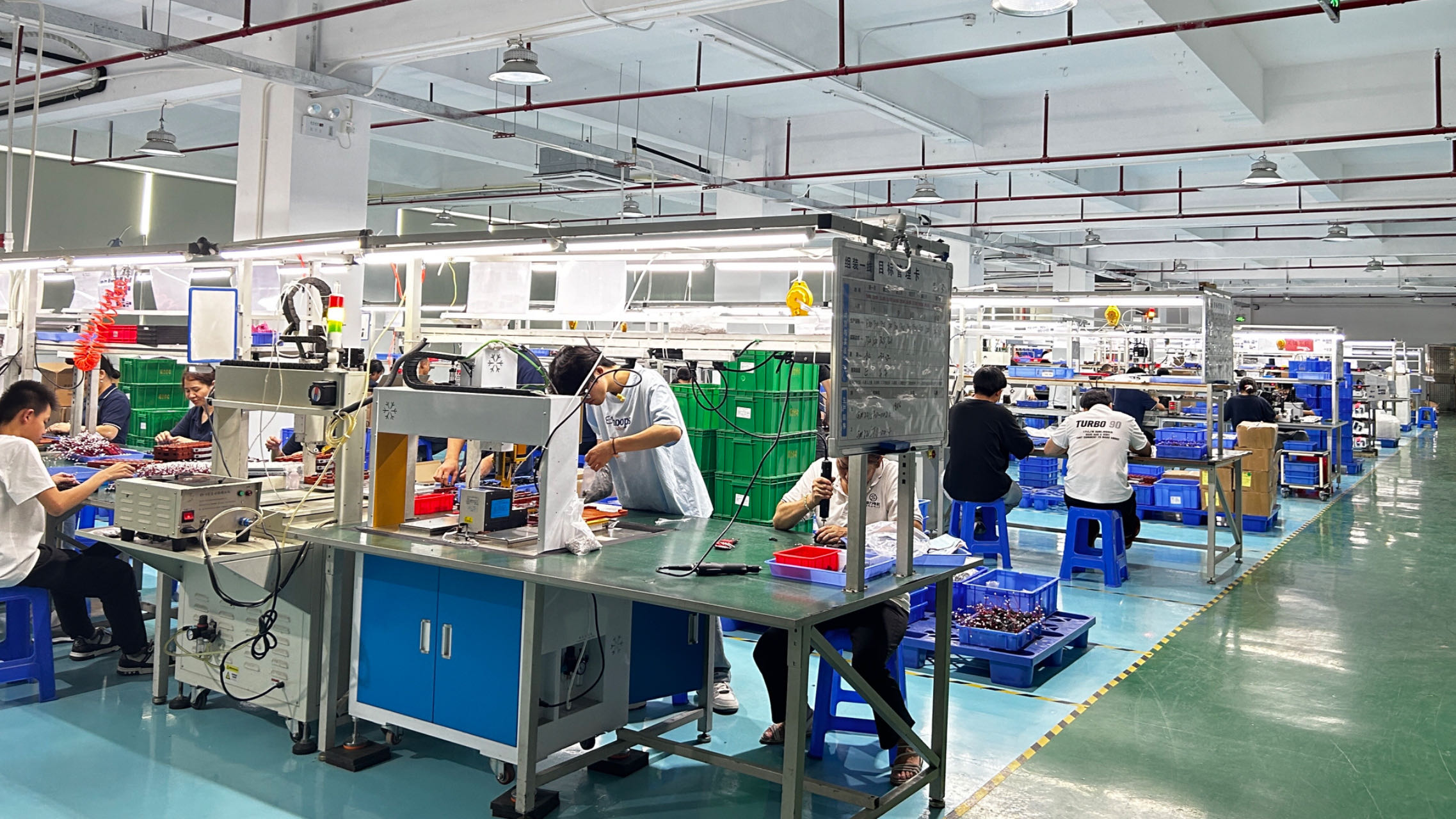
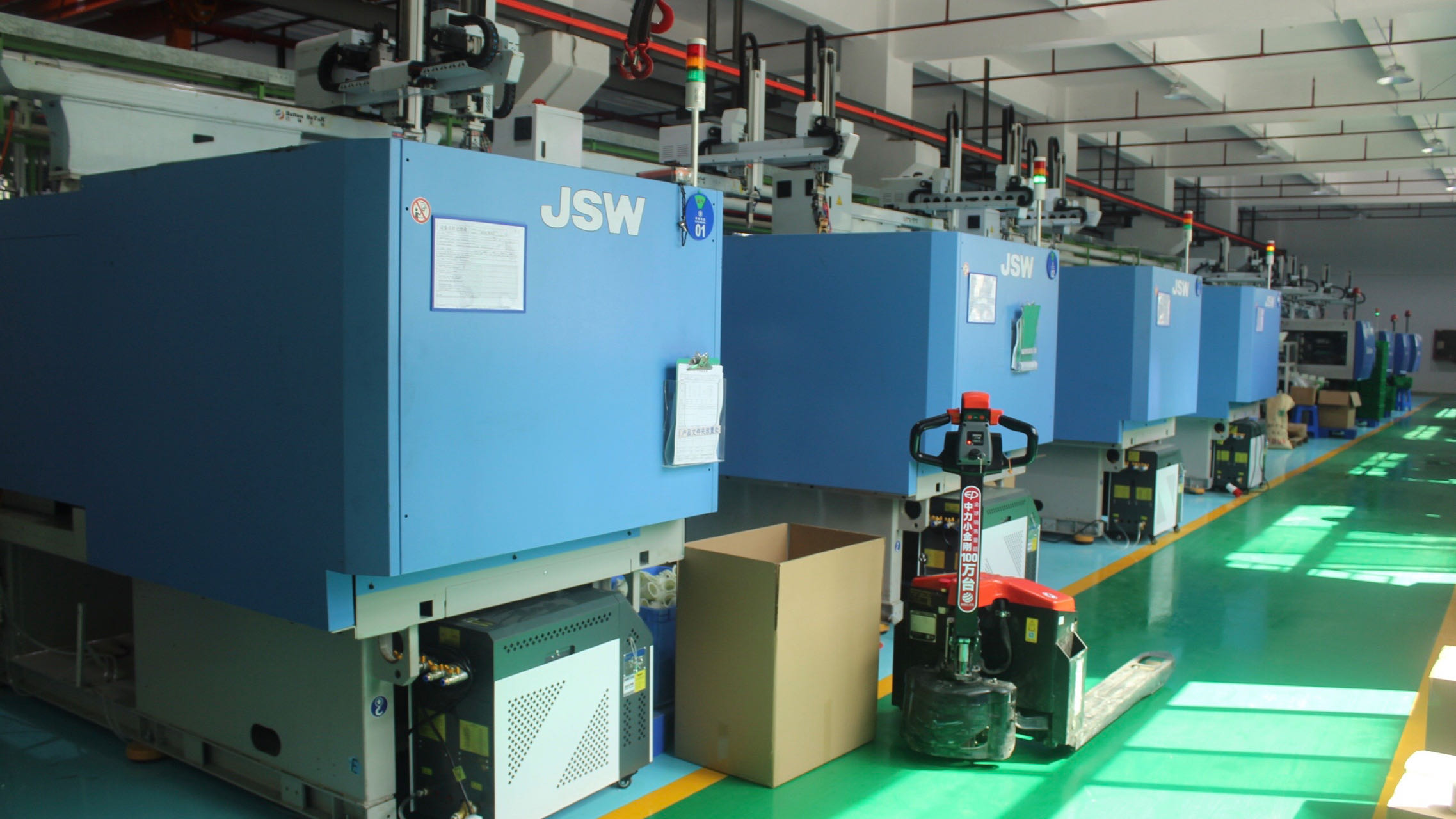
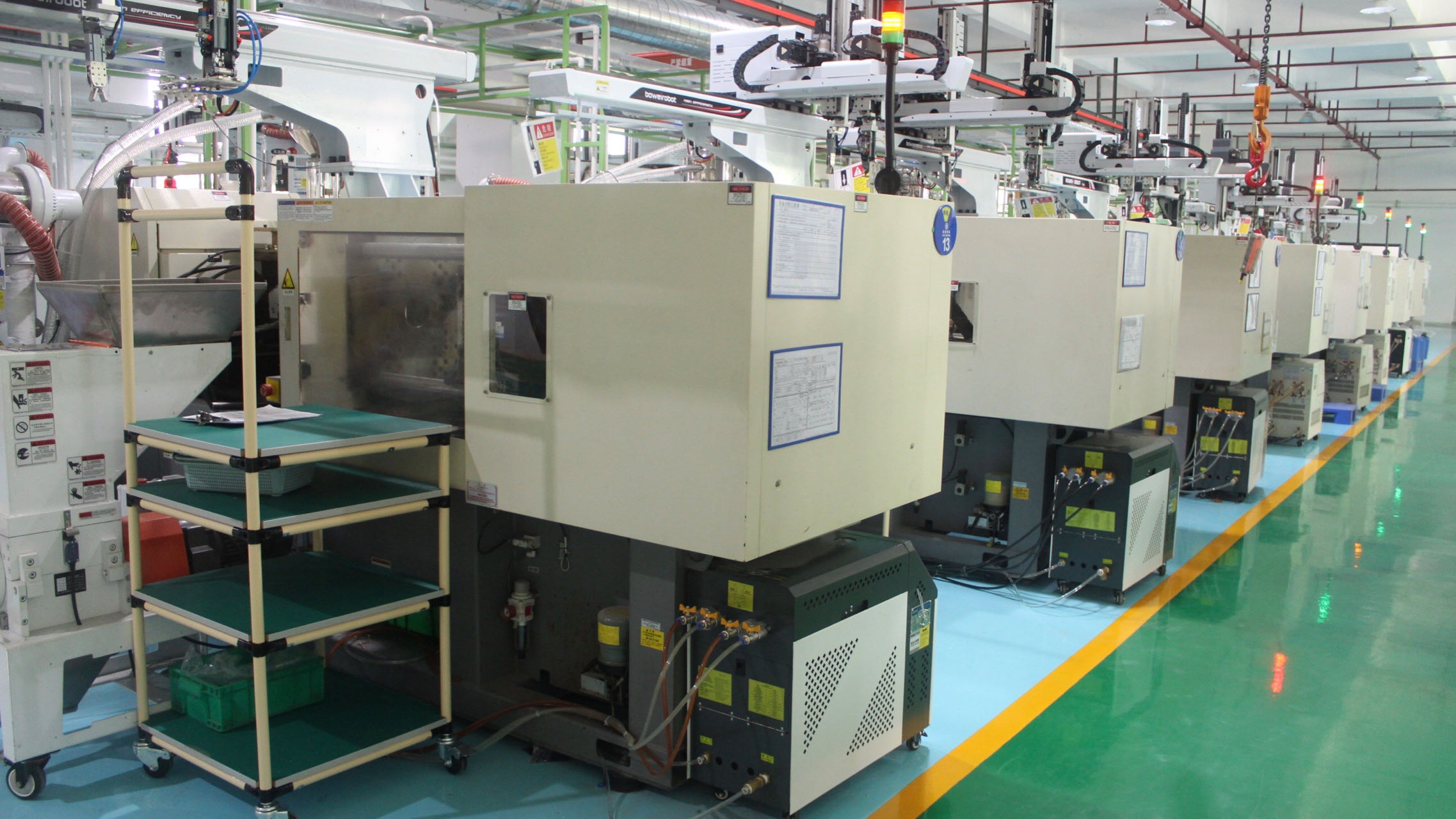
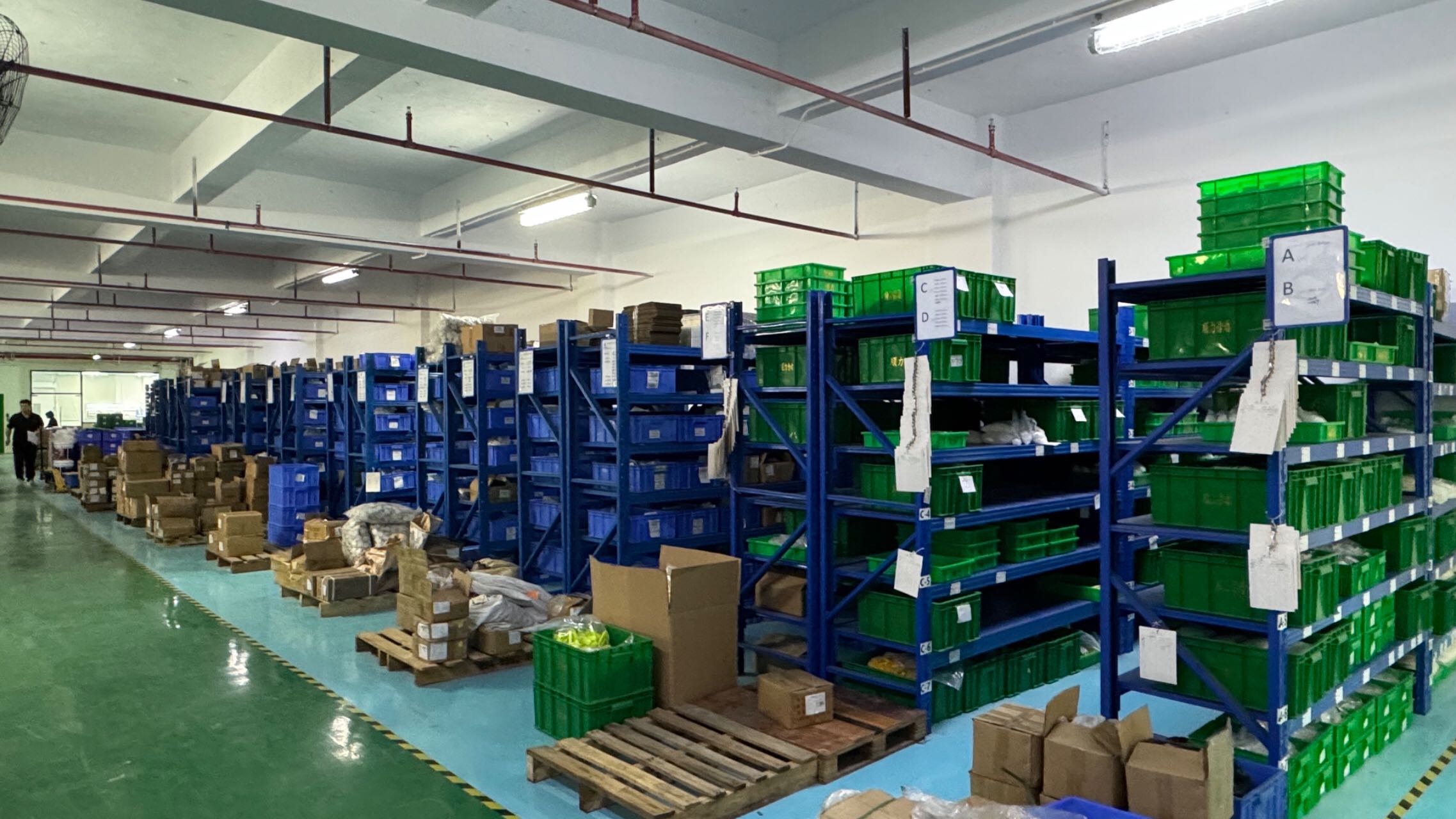
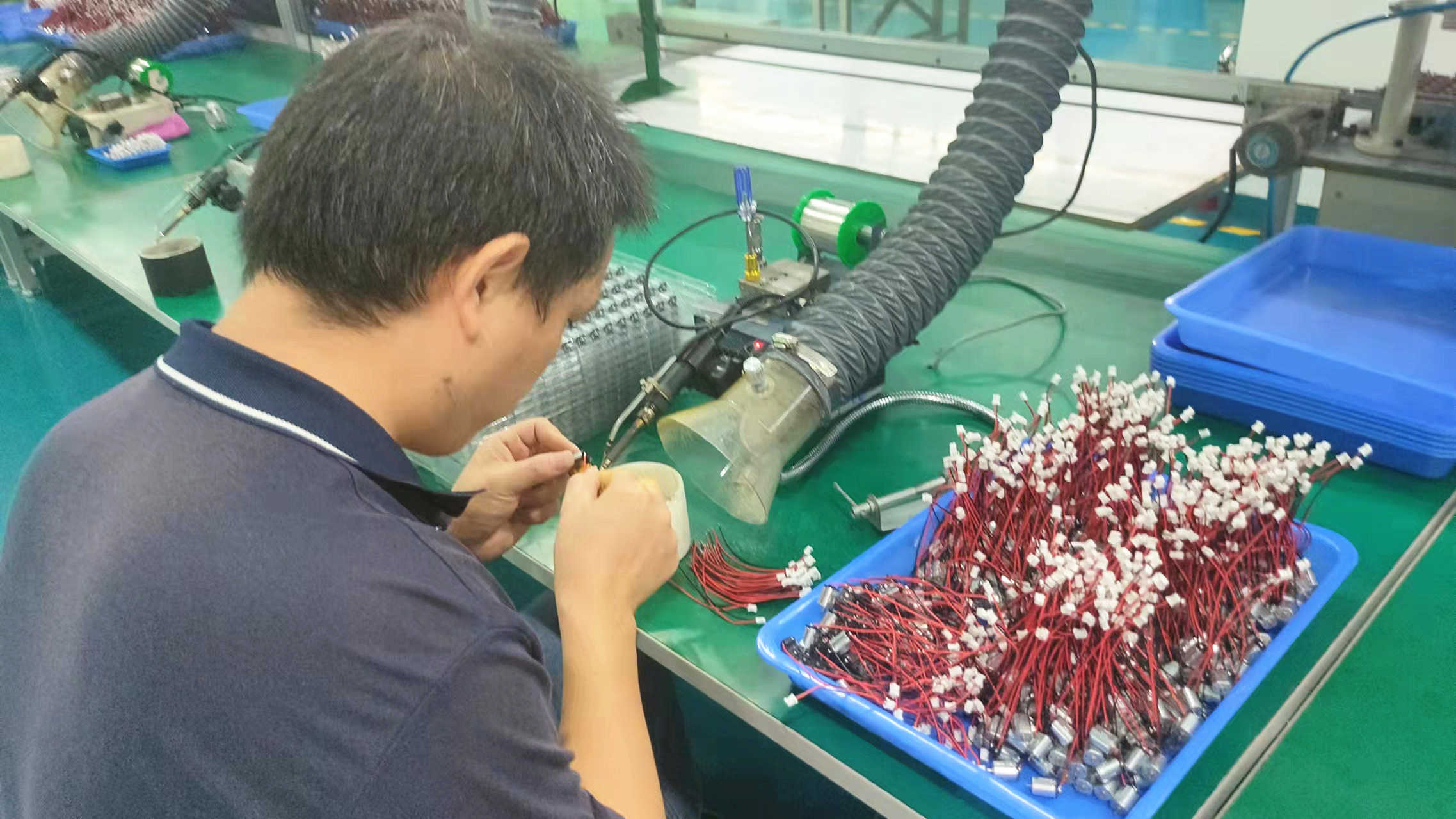
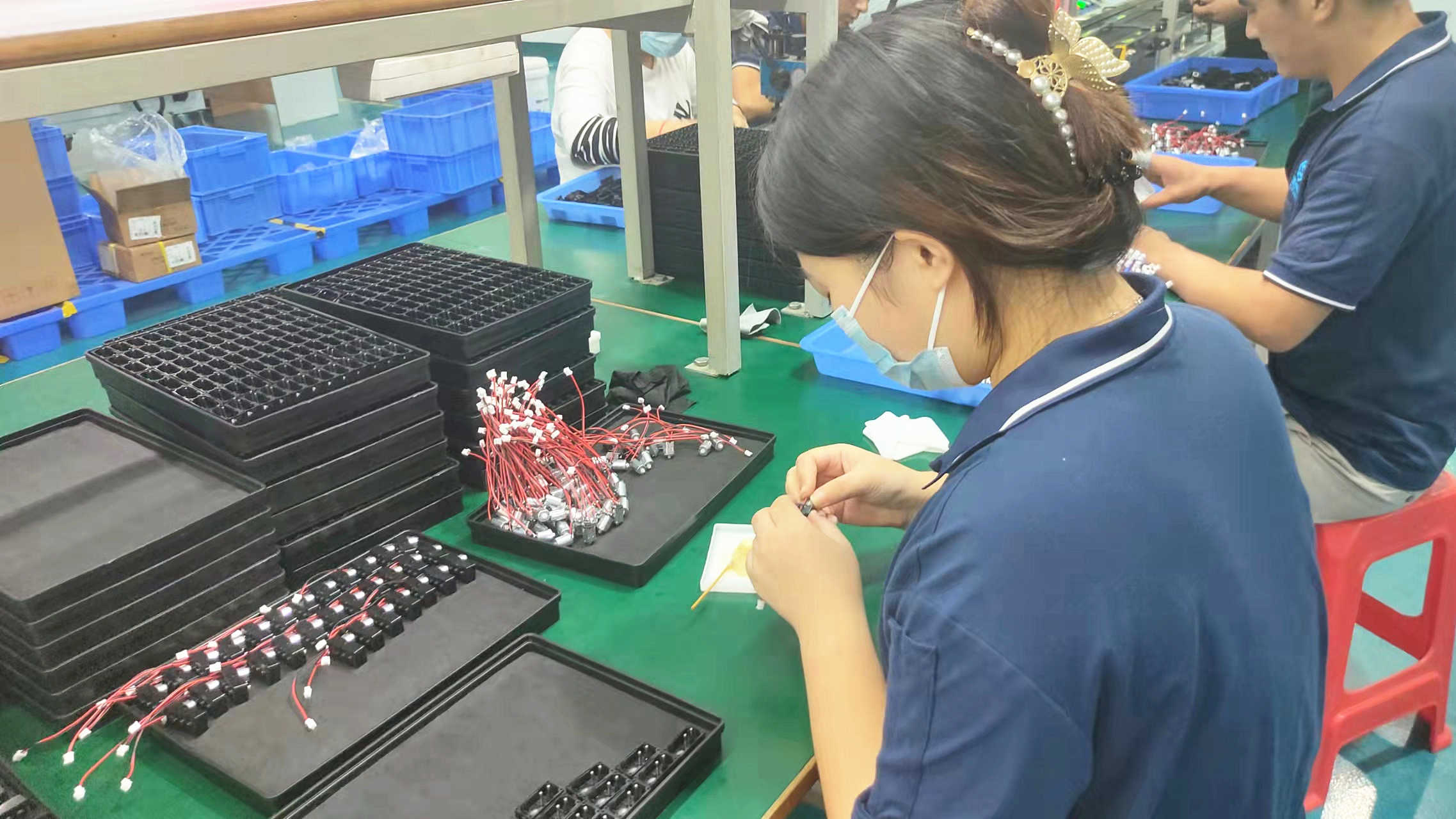
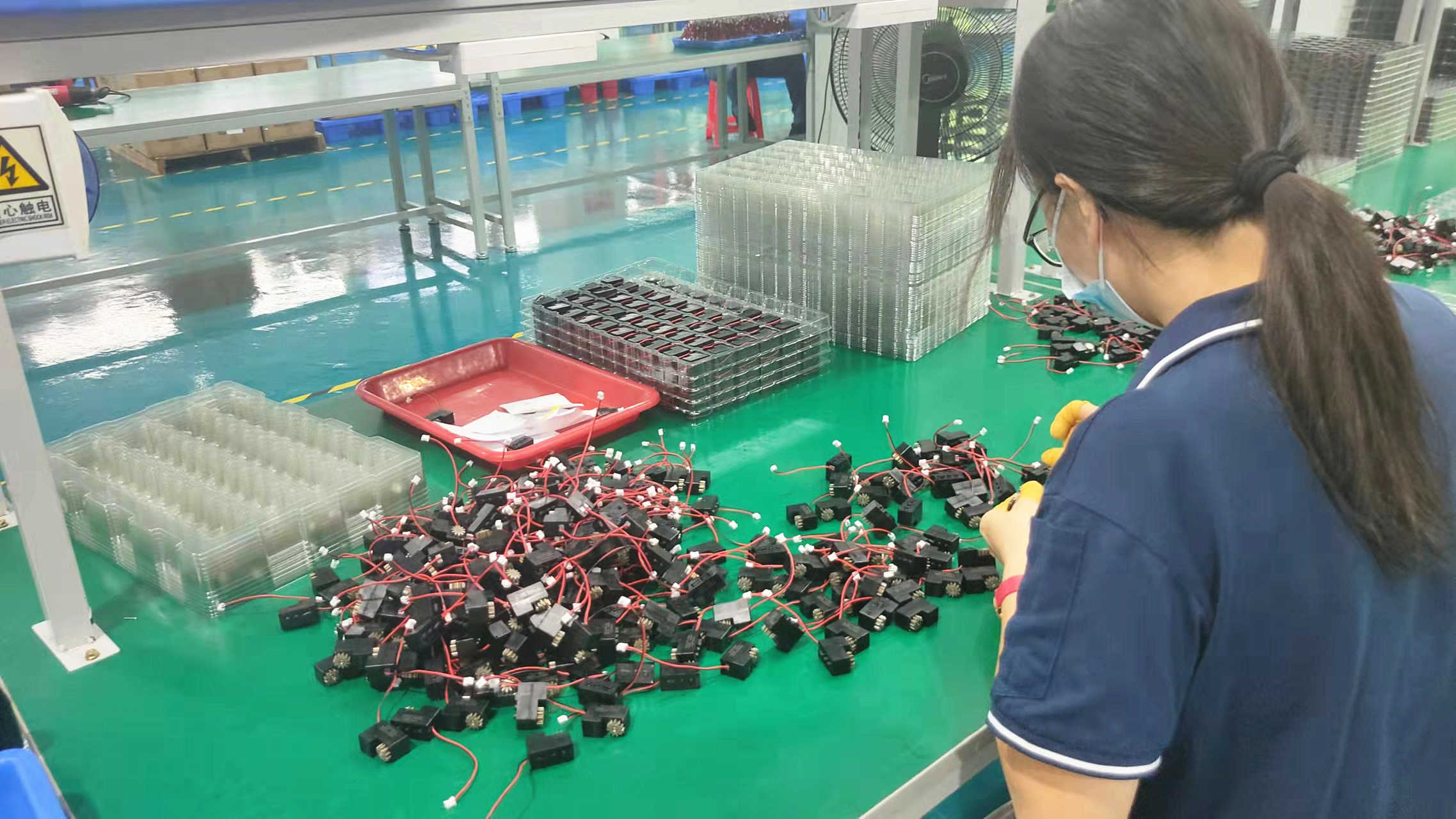
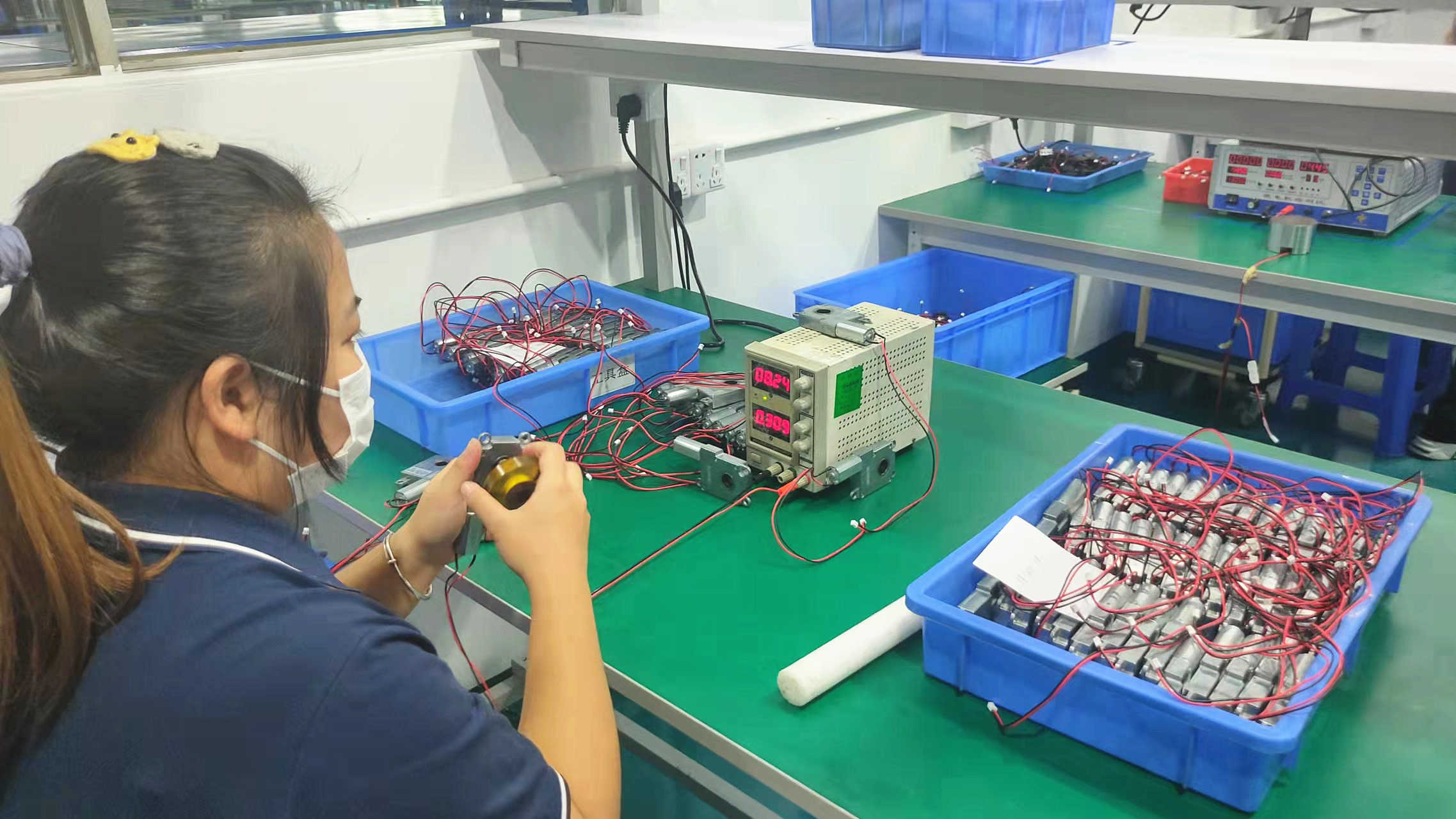
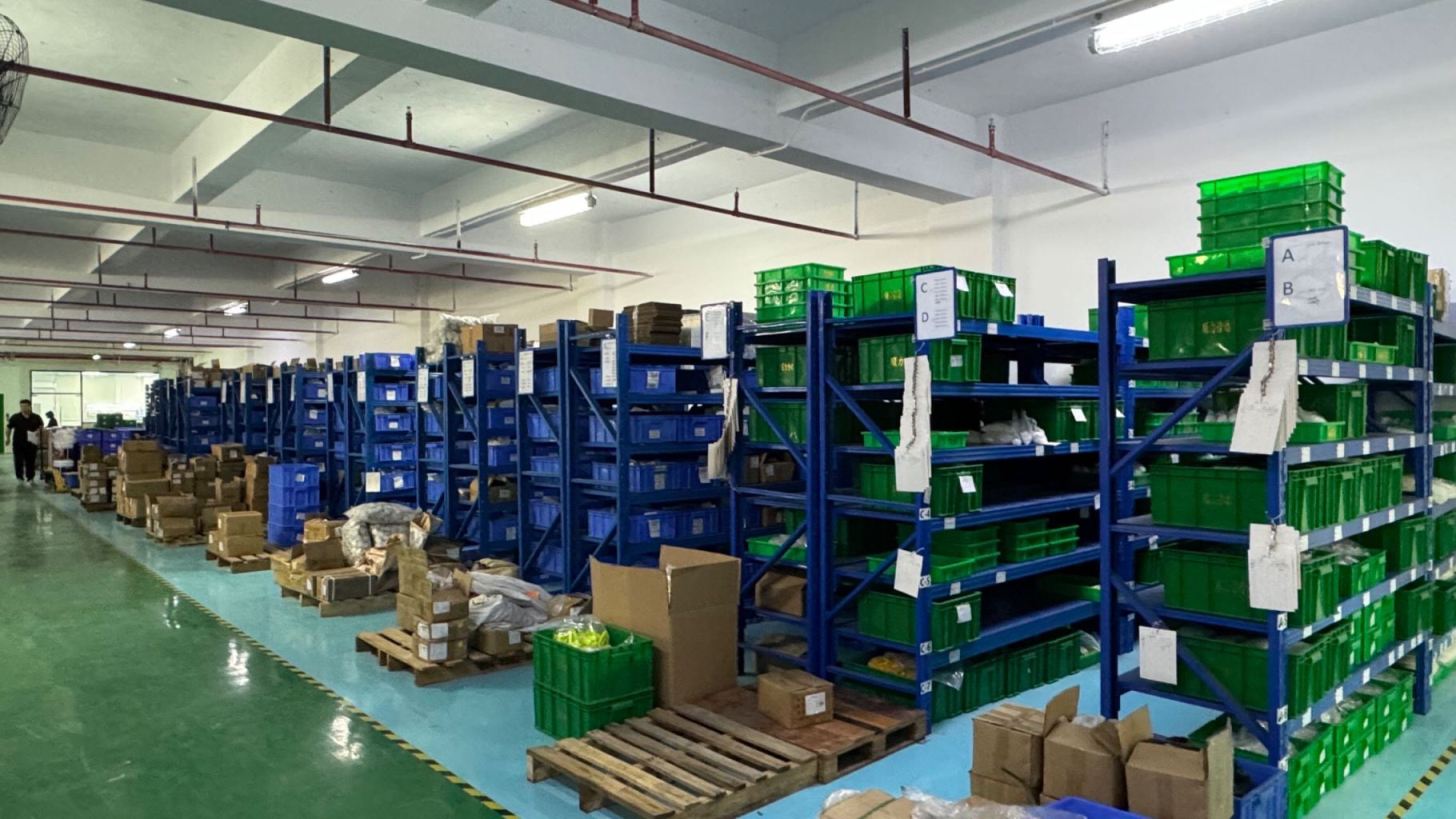
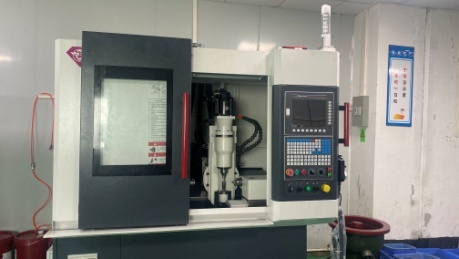
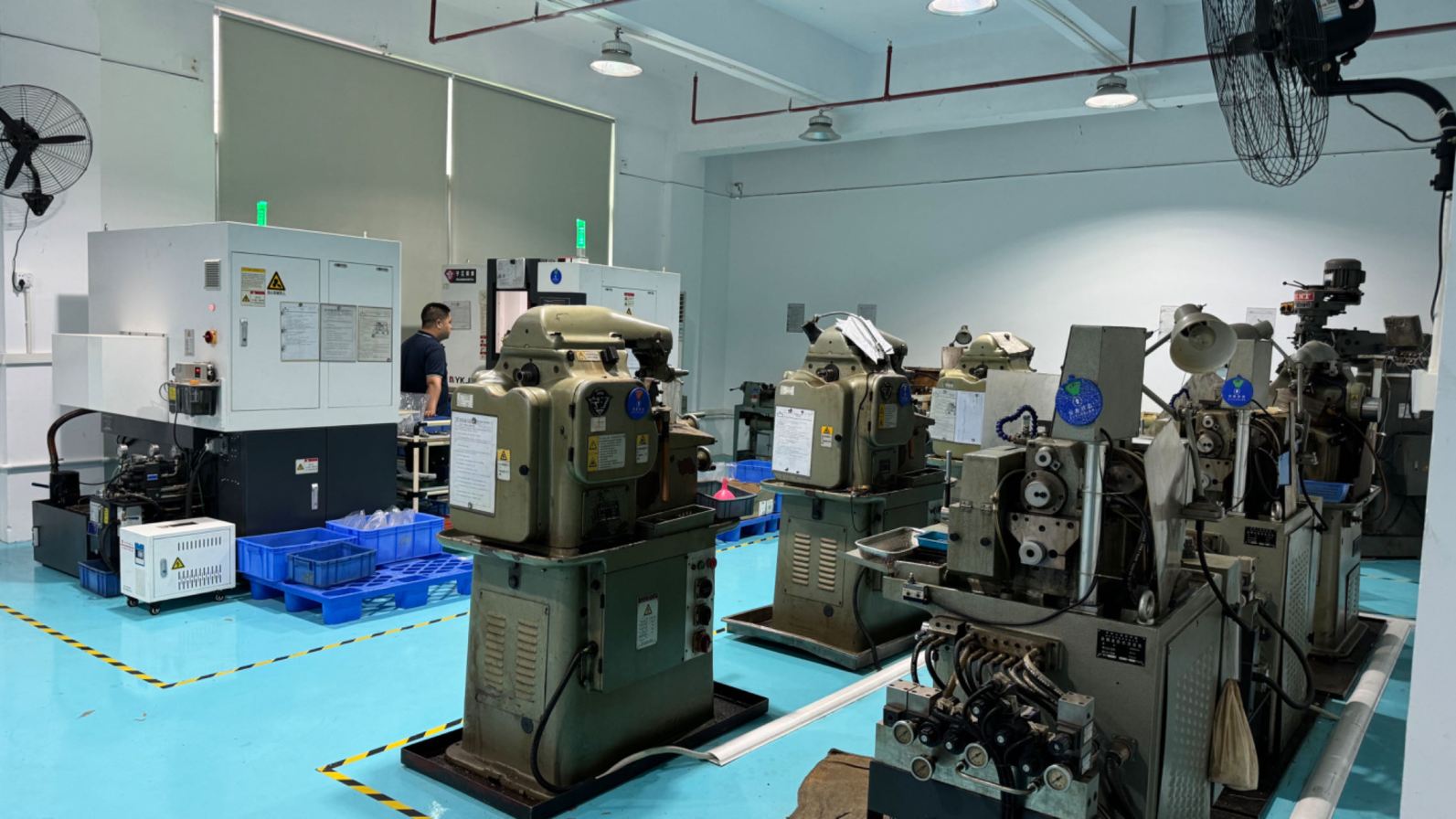
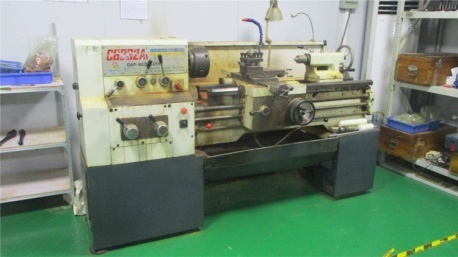
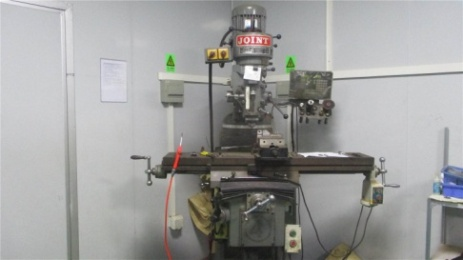
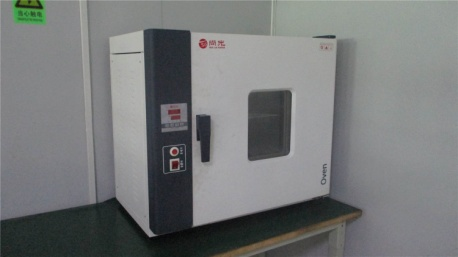
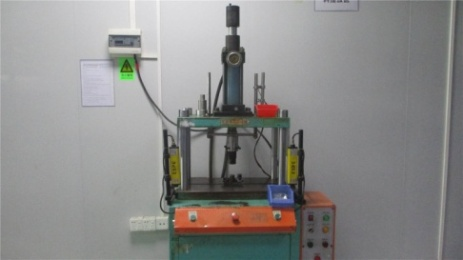
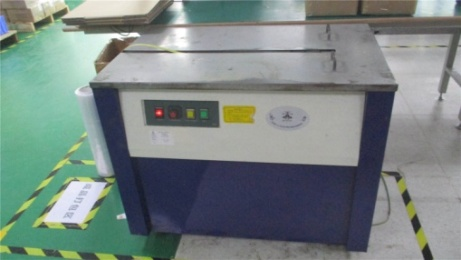
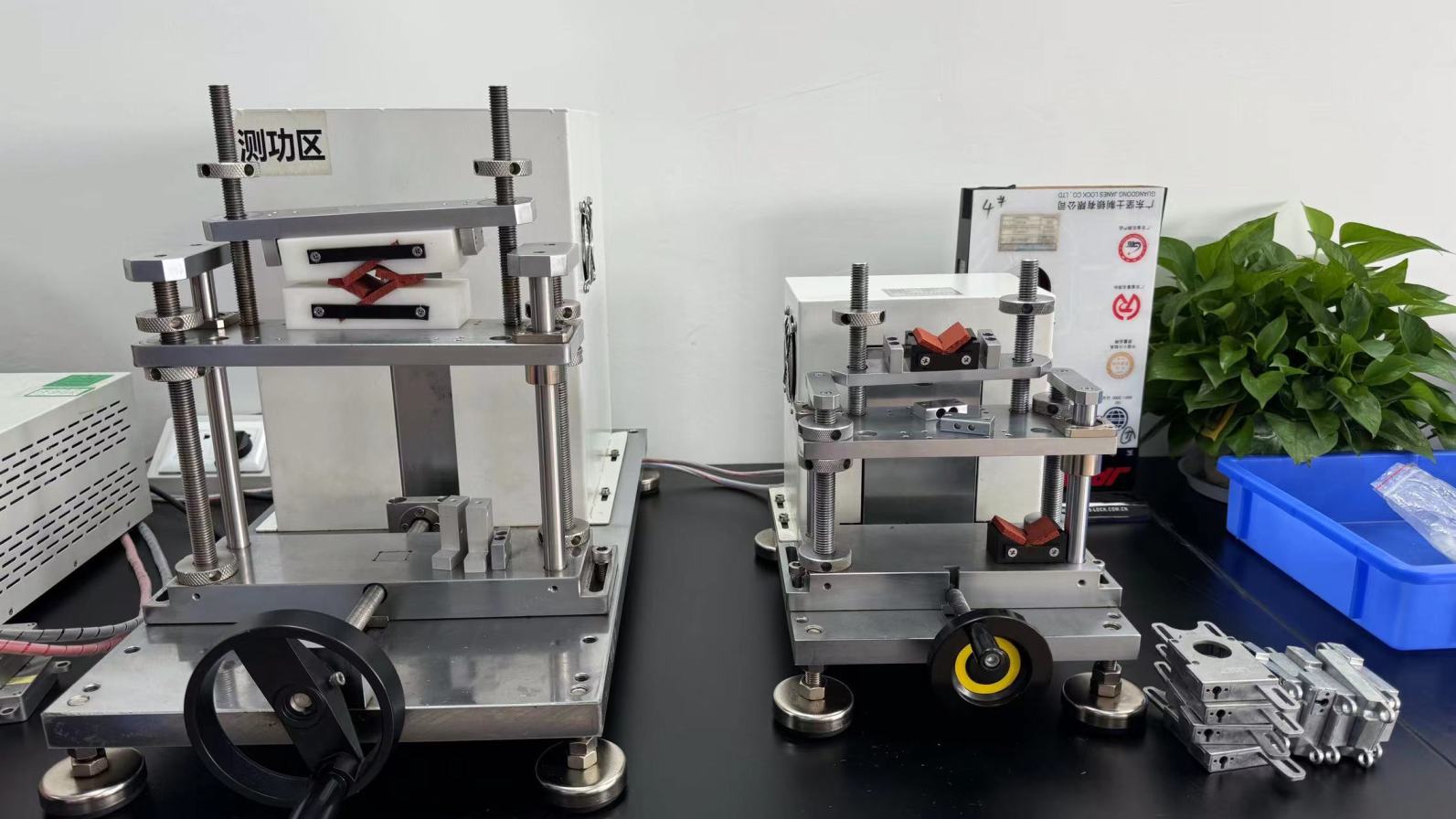
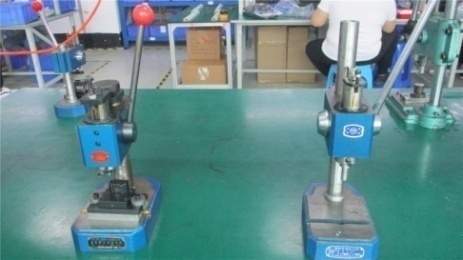
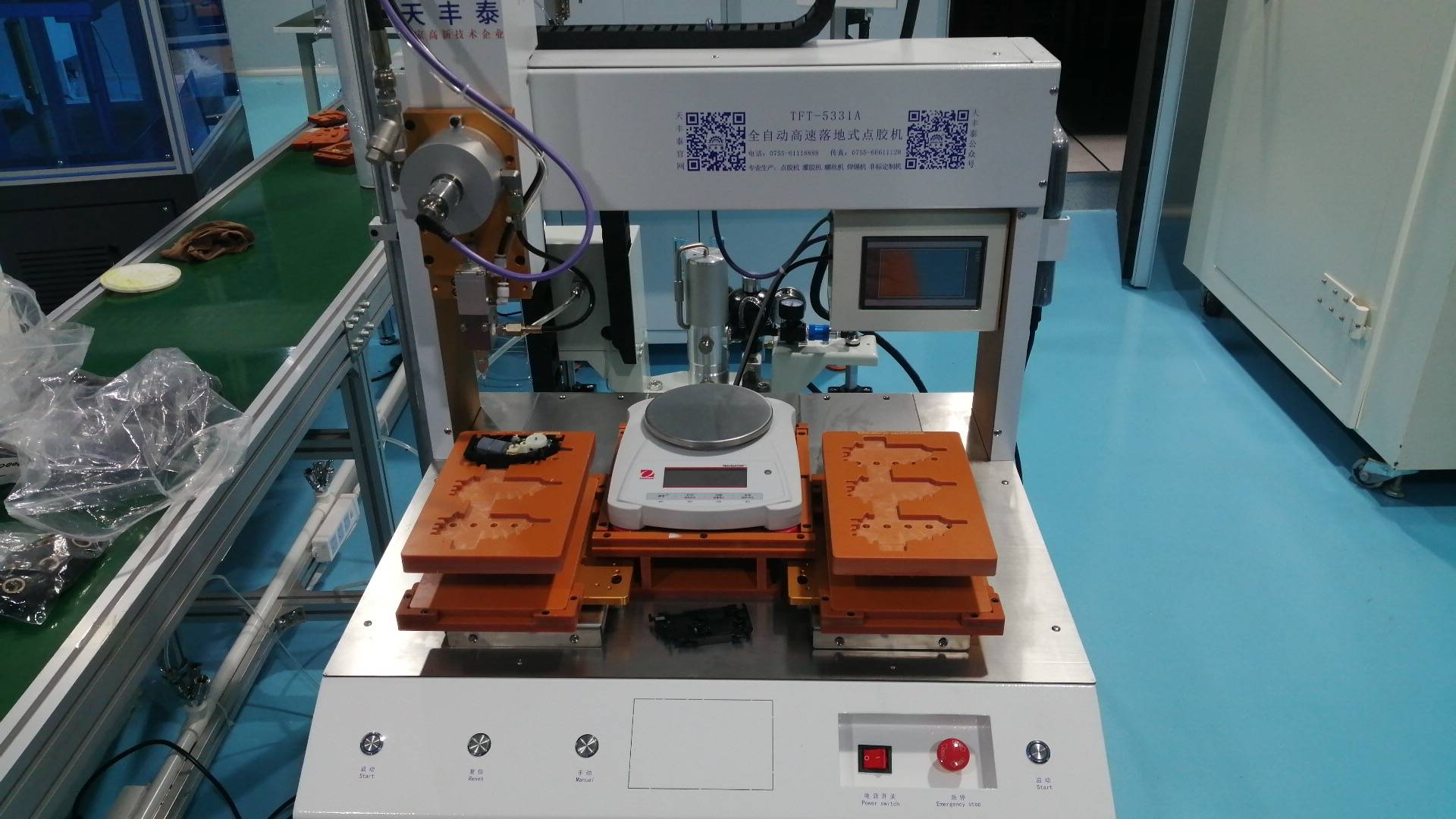
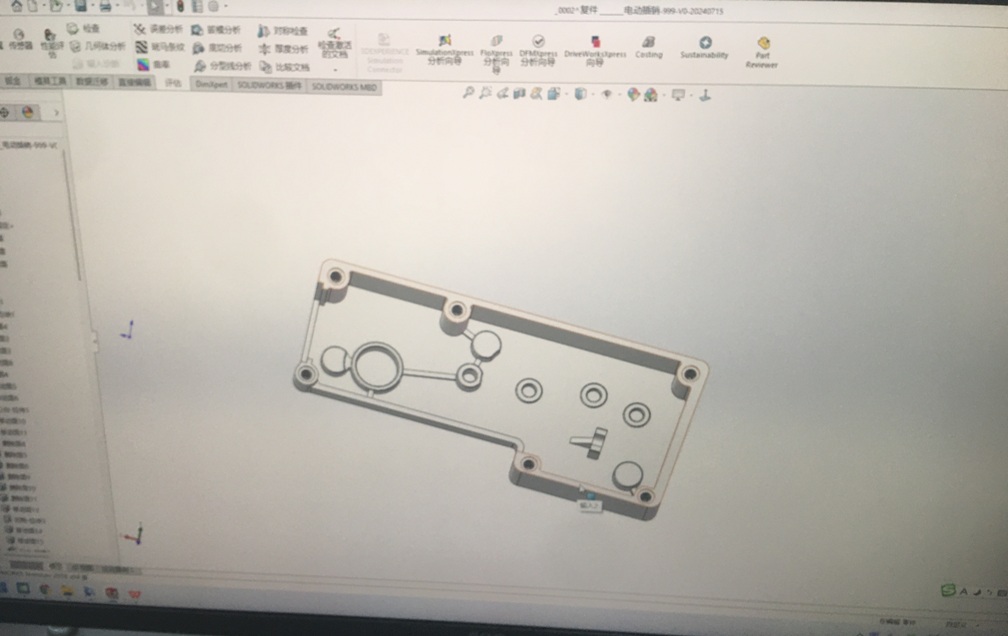
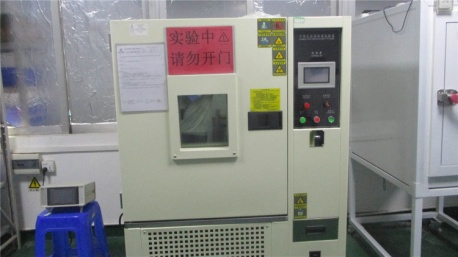
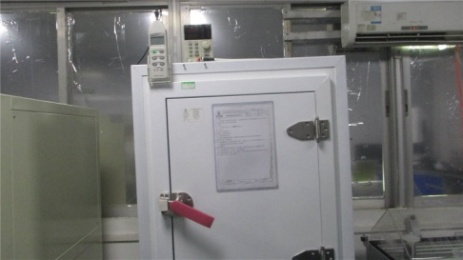
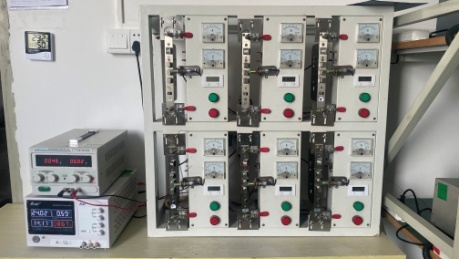
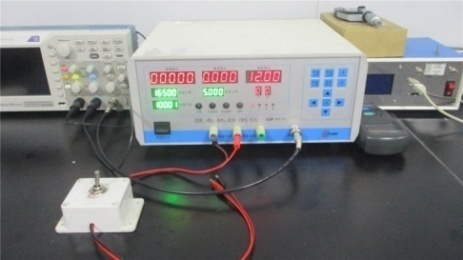
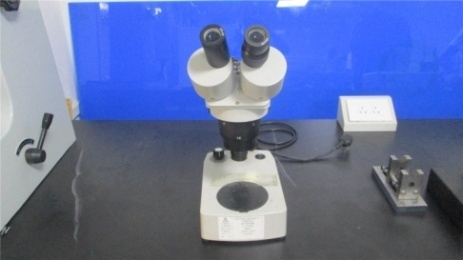
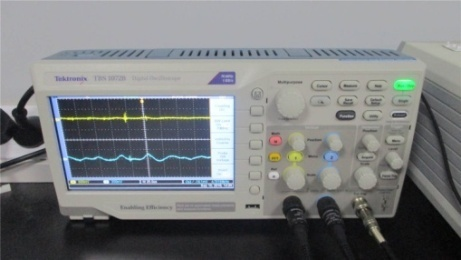
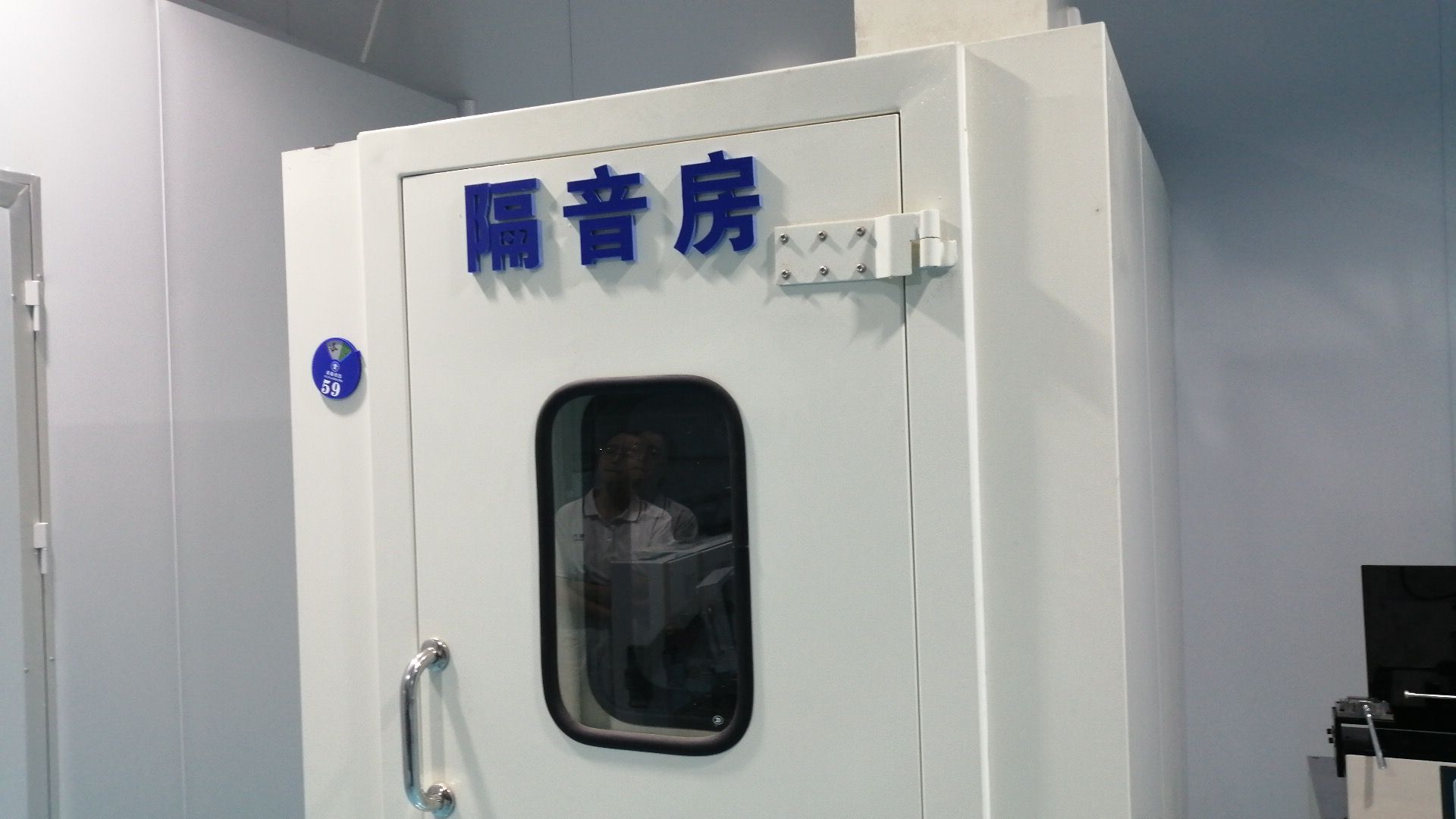
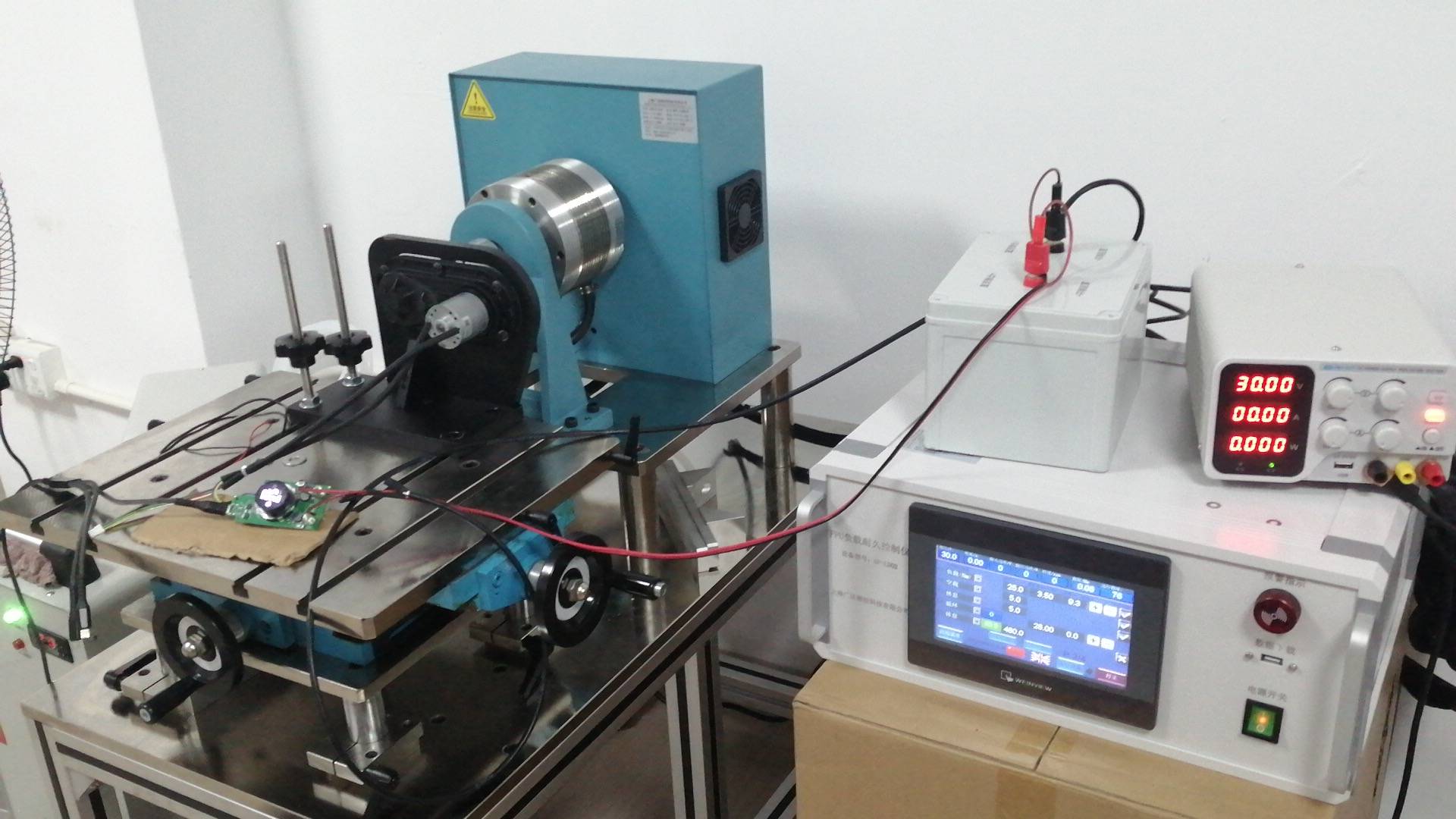
Our production facility employs state-of-the-art lathing, winding, assembling, and testing equipment to ensure every motor meets stringent mechanical tolerances.


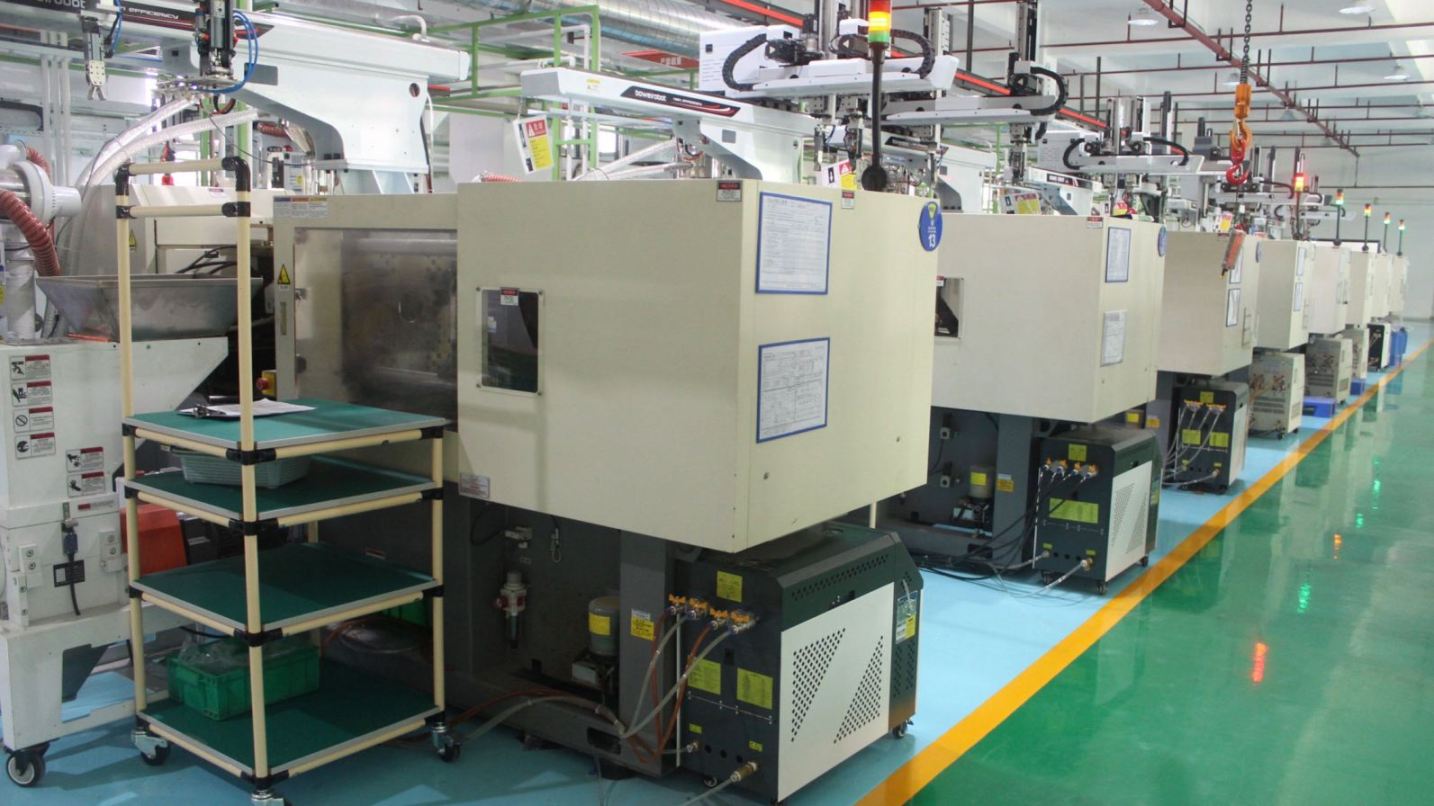
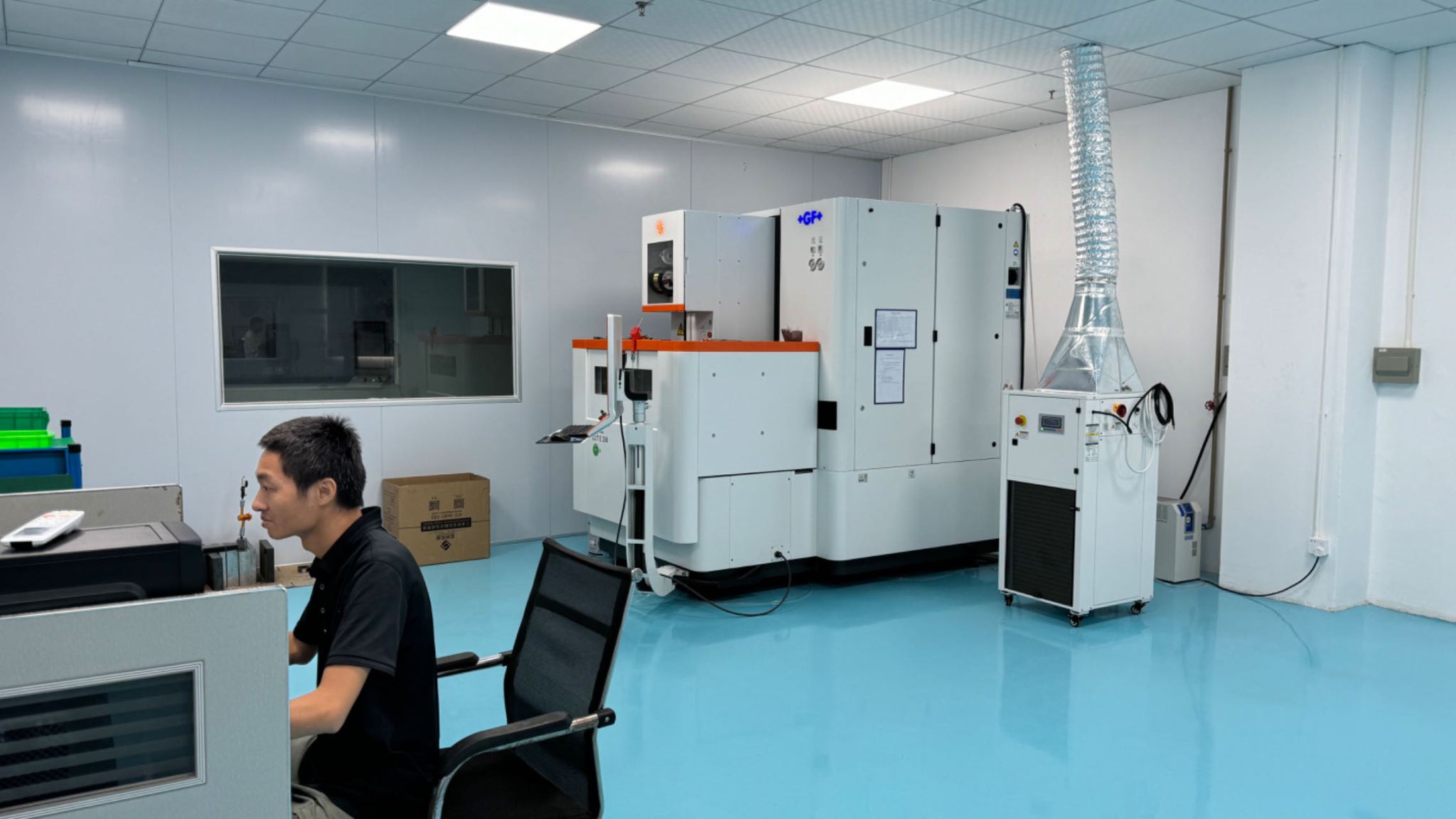
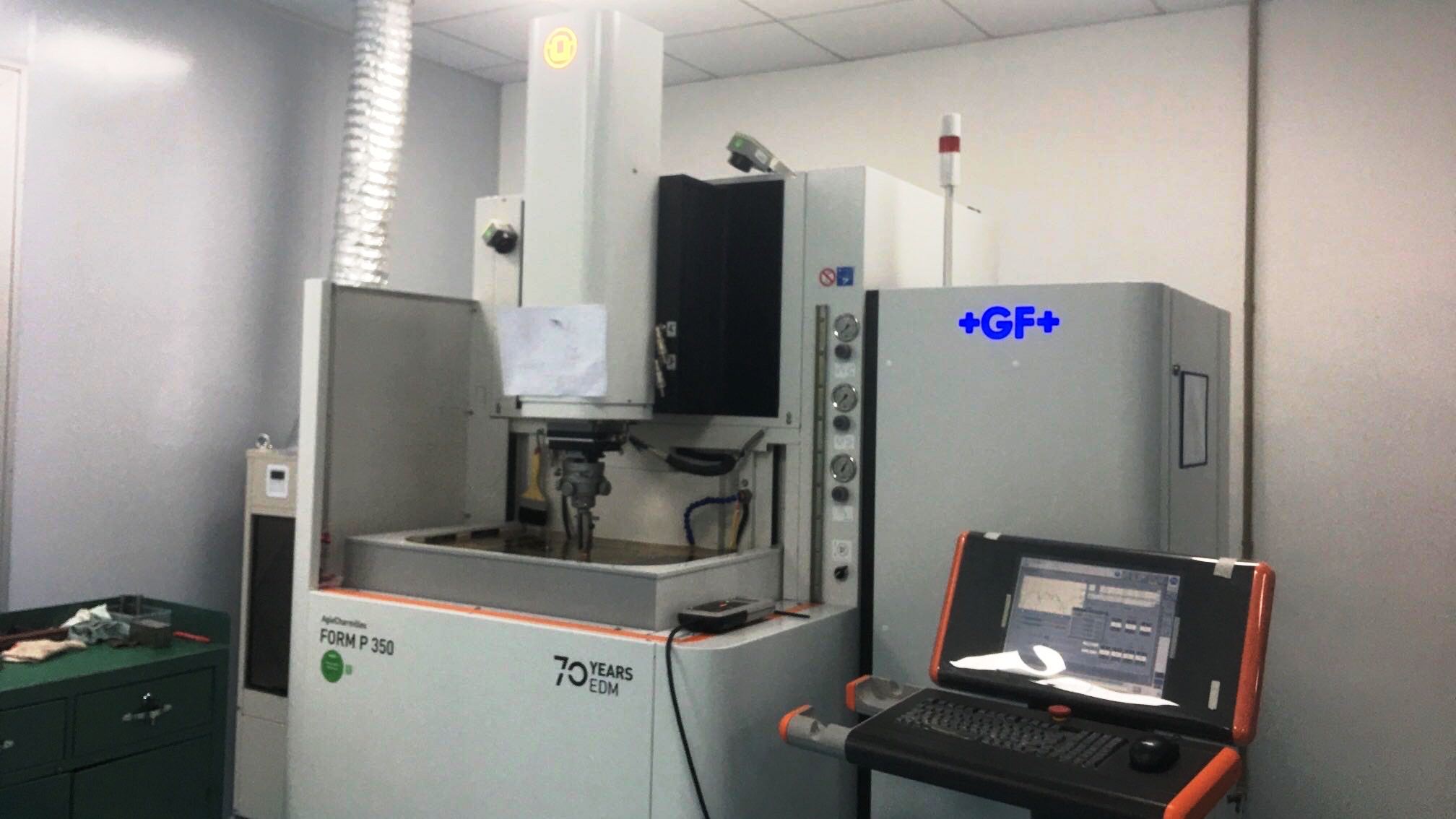
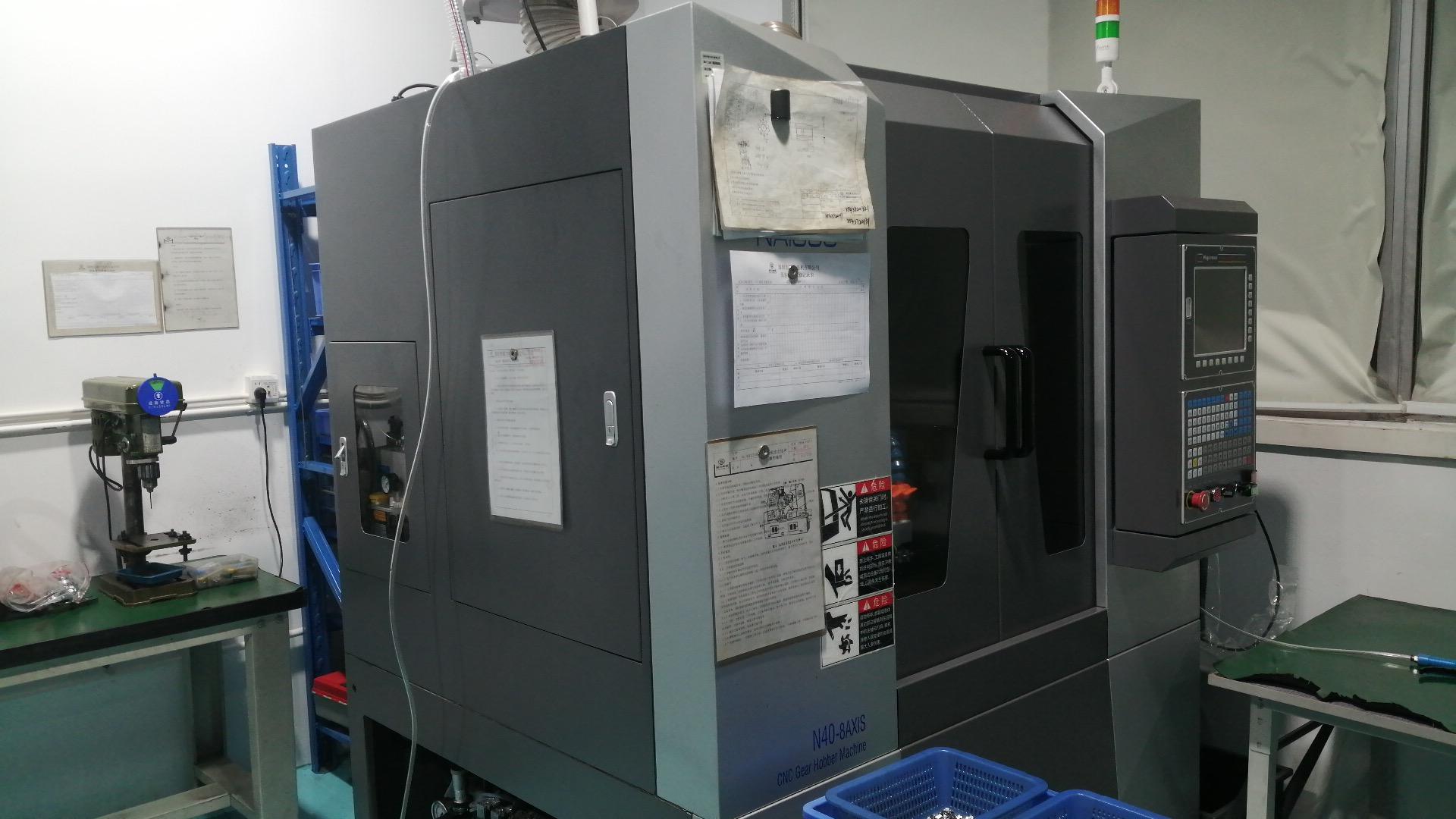
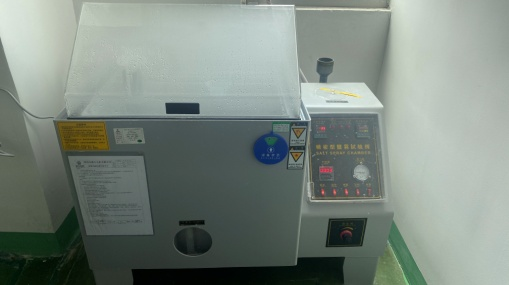
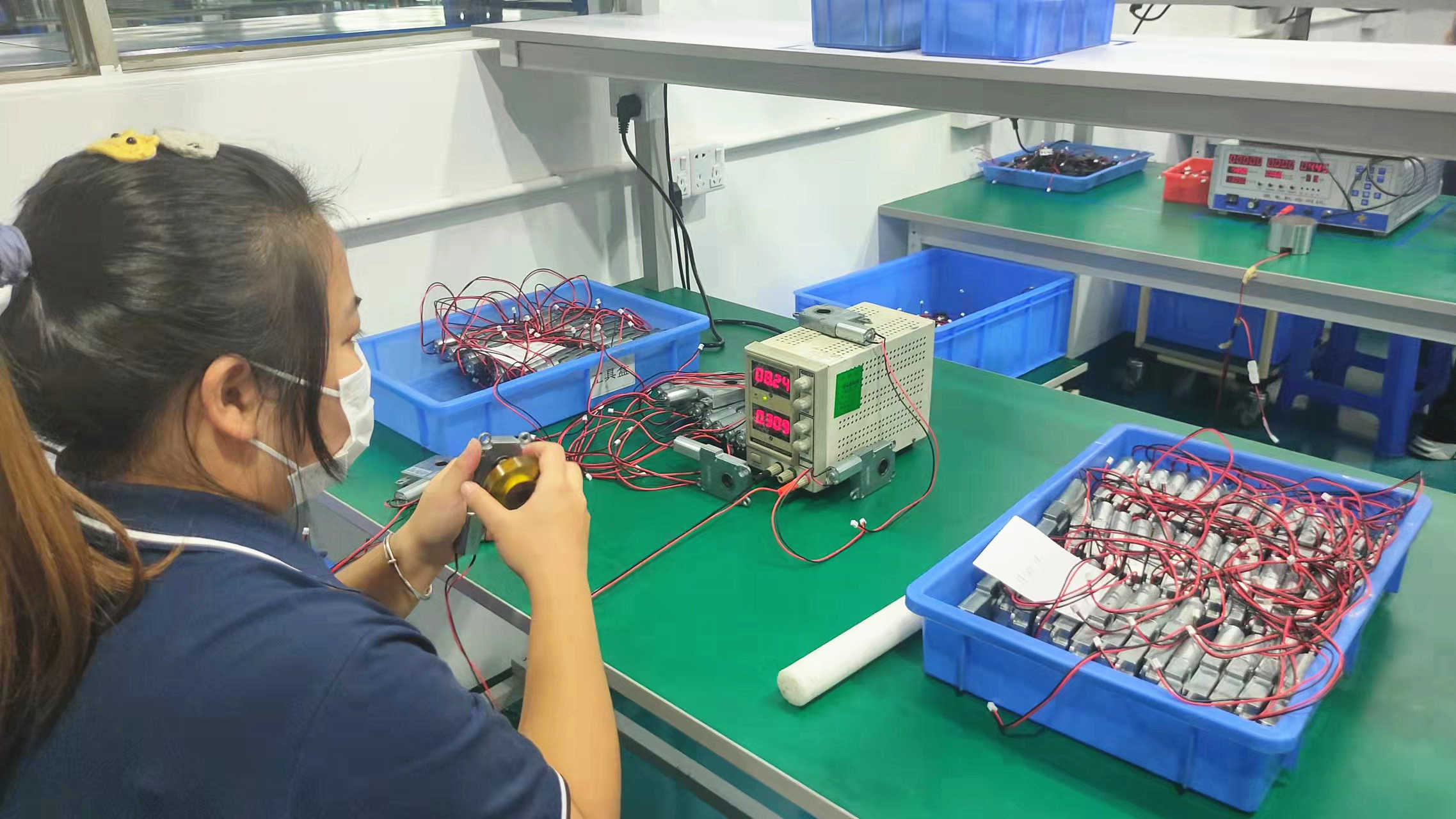
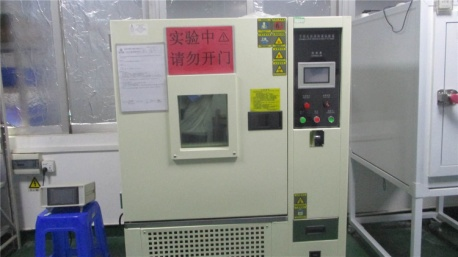
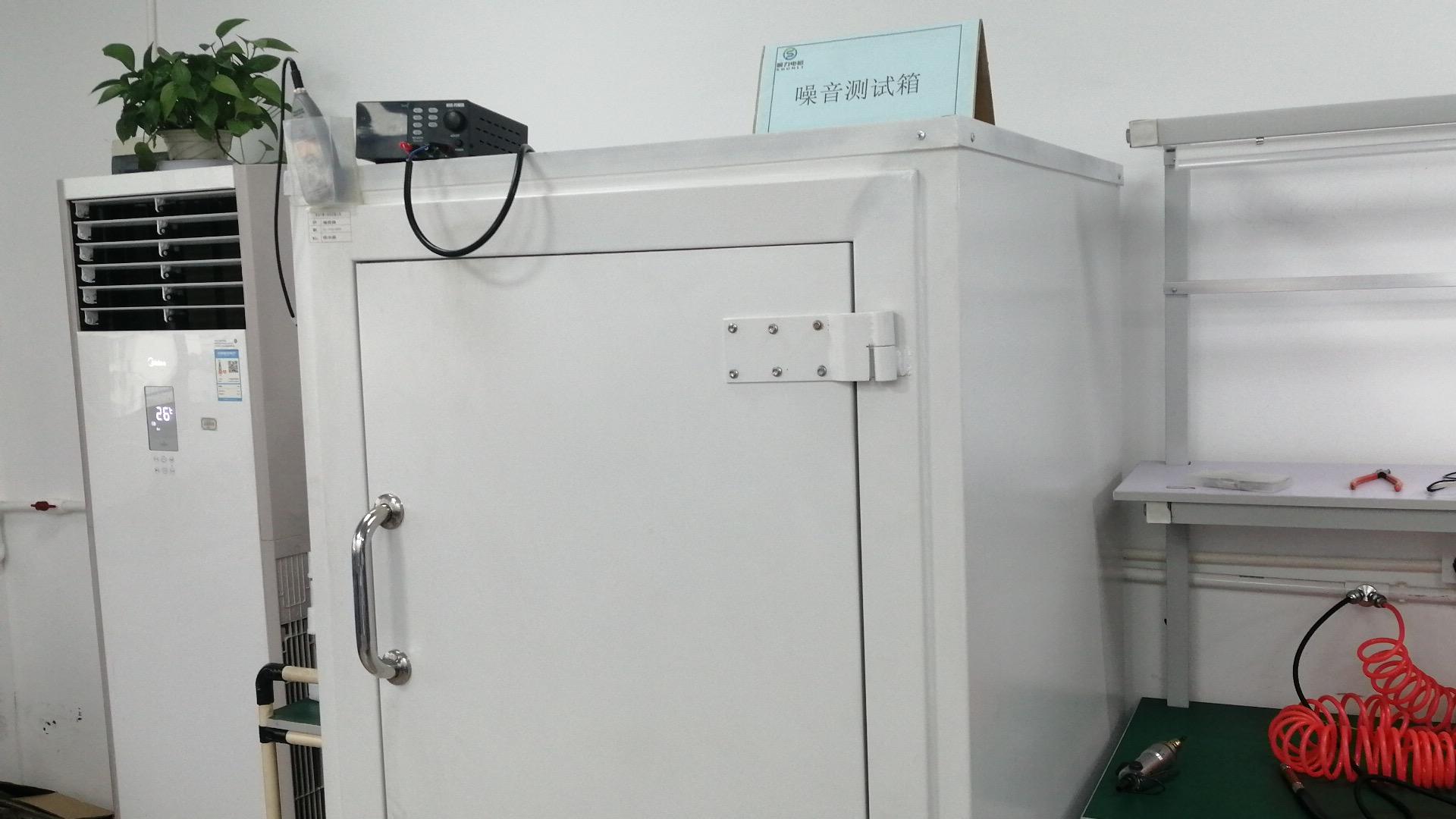
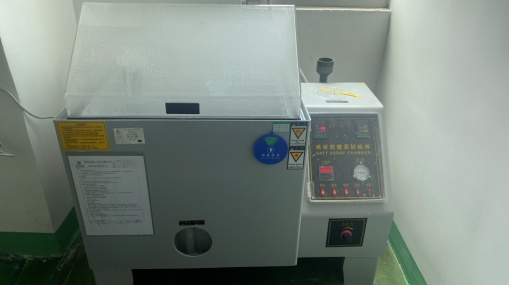
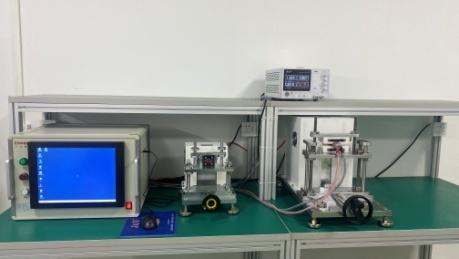
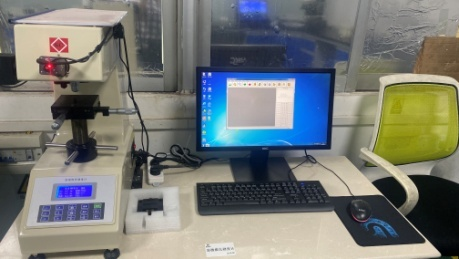
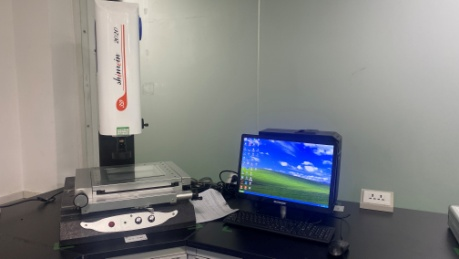
DC worm gear motors provide high reduction ratios in space-critical applications. Typical use cases include:
Used in helical product dispensing spirals, coin acceptance selectors, and automated delivery traps. The self-locking gear design prevents manual manipulation of delivery mechanisms, improving security without draw-back solenoids.
Installed in high-precision medication dispensers, diagnostic lab mixers, and electric adjustable hospital beds. Zero-backlash configurations ensure smooth movements, while soundproof enclosures limit motor noise near patients.
Used in service robots, packaging arms, and conveyor diverters. Right-angle output shafts minimize radial joint widths, enabling compact structural profiles and simplified wiring channels.
Explore our secondary catalog of micro worm drives, featuring customizable voltage curves, low-noise gear trains, and direct-mount right-angle reducers.
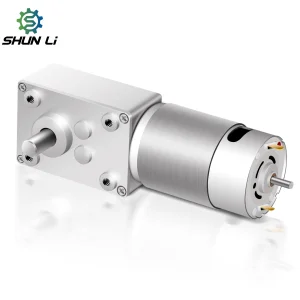
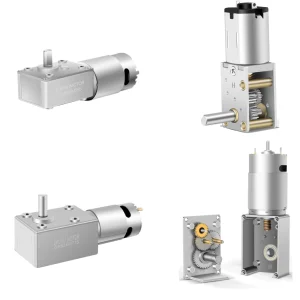
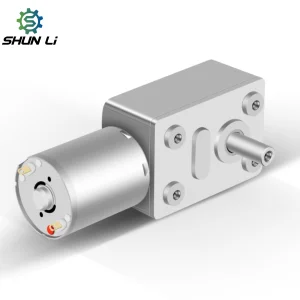
Get insights into design engineering, gear material selection, and procurement parameters for DC worm gear motors.
 TorqFlex Motor