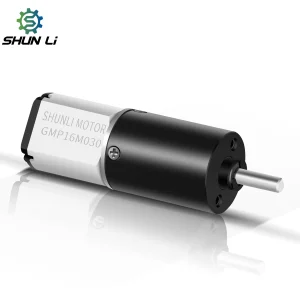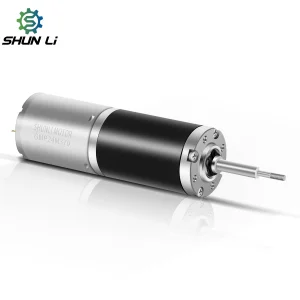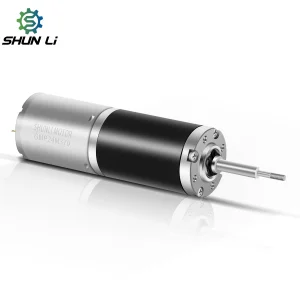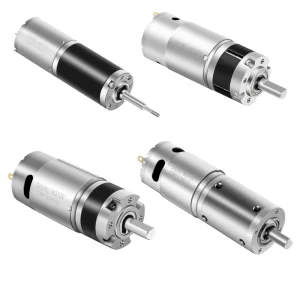
The Greater Philadelphia area, including the historic Navy Yard, the biomedical hubs of University City, and the bustling distribution networks along the Delaware River, is witnessing a massive transition. Industrial automation, advanced surgical instrumentation, and autonomous delivery systems require electric drives that can output massive torque under strict spatial limitations.
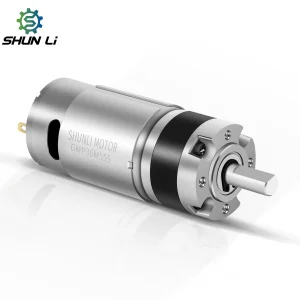
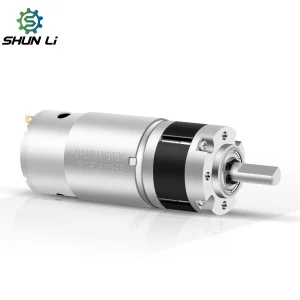
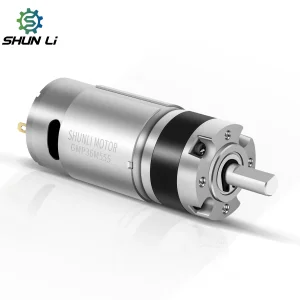
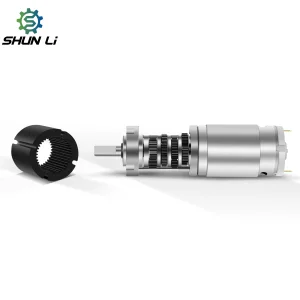
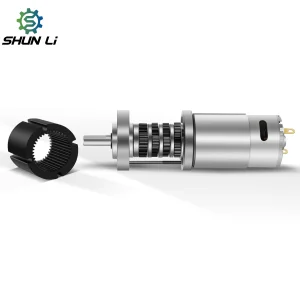
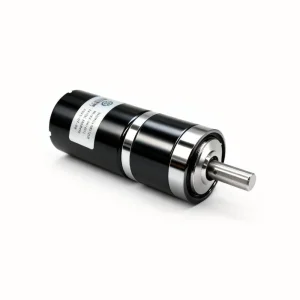
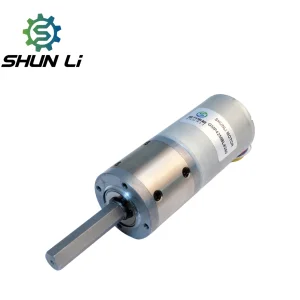
Traditional spur gear assemblies are no longer viable for high-performance applications due to their susceptibility to tooth wear and lower efficiency. Planetary gear systems solve this design bottleneck. By distributing torque load across multiple planet gears circling a central sun gear, these motors deliver outstanding mechanical power transfer in a footprint up to 70% smaller than conventional gearboxes. TorqFlex serves as a vital engineering partner, ensuring localized access to high-precision planetary gearmotors built on micro-millimeter tolerance thresholds.
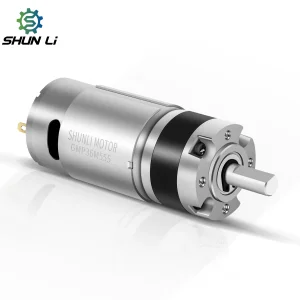
Engineering teams in Pennsylvania demand reliable component sources that understand the nuances of compliance, precision, and integration. We engineer planetary motors from 16mm to 42mm, featuring options like brushless motors (BLDC), high-resolution encoders, and custom shaft profiles.
By blending state-of-the-art Swiss-style hobbing and automated quality checking systems with a streamlined supply chain, we deliver custom prototypes to Philadelphia in record time, followed by cost-effective volume manufacturing. This ensures that Delaware Valley enterprises can transition from initial R&D testing to commercial rollout without delays.
At TorqFlex, we measure our success in micrometers and decibels. We understand that inside a premium robotic joint, a medical dosing pump, or a high-end smart lock, space is the ultimate luxury. Our mission is to pack maximum torque, unyielding durability, and near-silent acoustics into the most compact footprints imaginable.
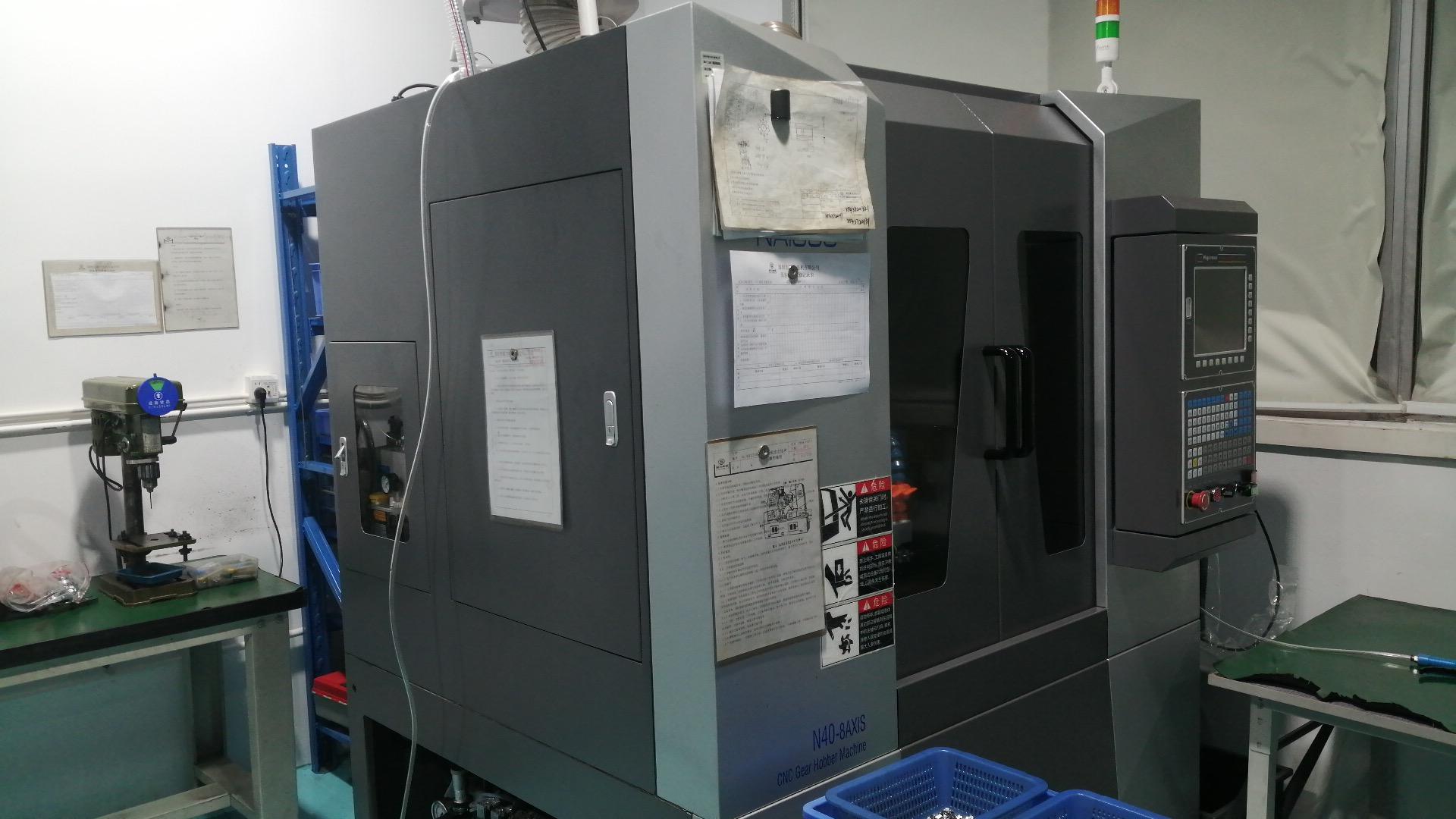
Our expertise lies in the harmony of miniature engineering. From precision-wound rotors and high-purity copper commutators to custom-designed planetary gearheads, every component inside a TorqFlex micro motor is optimized for low energy consumption and a friction-free lifespan. We constantly push the limits of micro-drive tech, utilizing advanced automated Swiss-style hobbing and Japanese dynamic balancing to ensure that our internal gear trains operate with zero-backlash precision. When the integrity of your high-tech device hangs on repeated mechanical perfection, TorqFlex delivers the silent power that anchors your design.
The global demand for planetary gearmotors is heavily driven by automation, logistics, and medical technology. North American markets, particularly industrial hubs like Philadelphia, have historically sourced mechanical components from domestic partners or high-cost European engineering firms. However, as global pricing pressure increases and product lifecycles shorten, OEMs must seek alternative avenues.
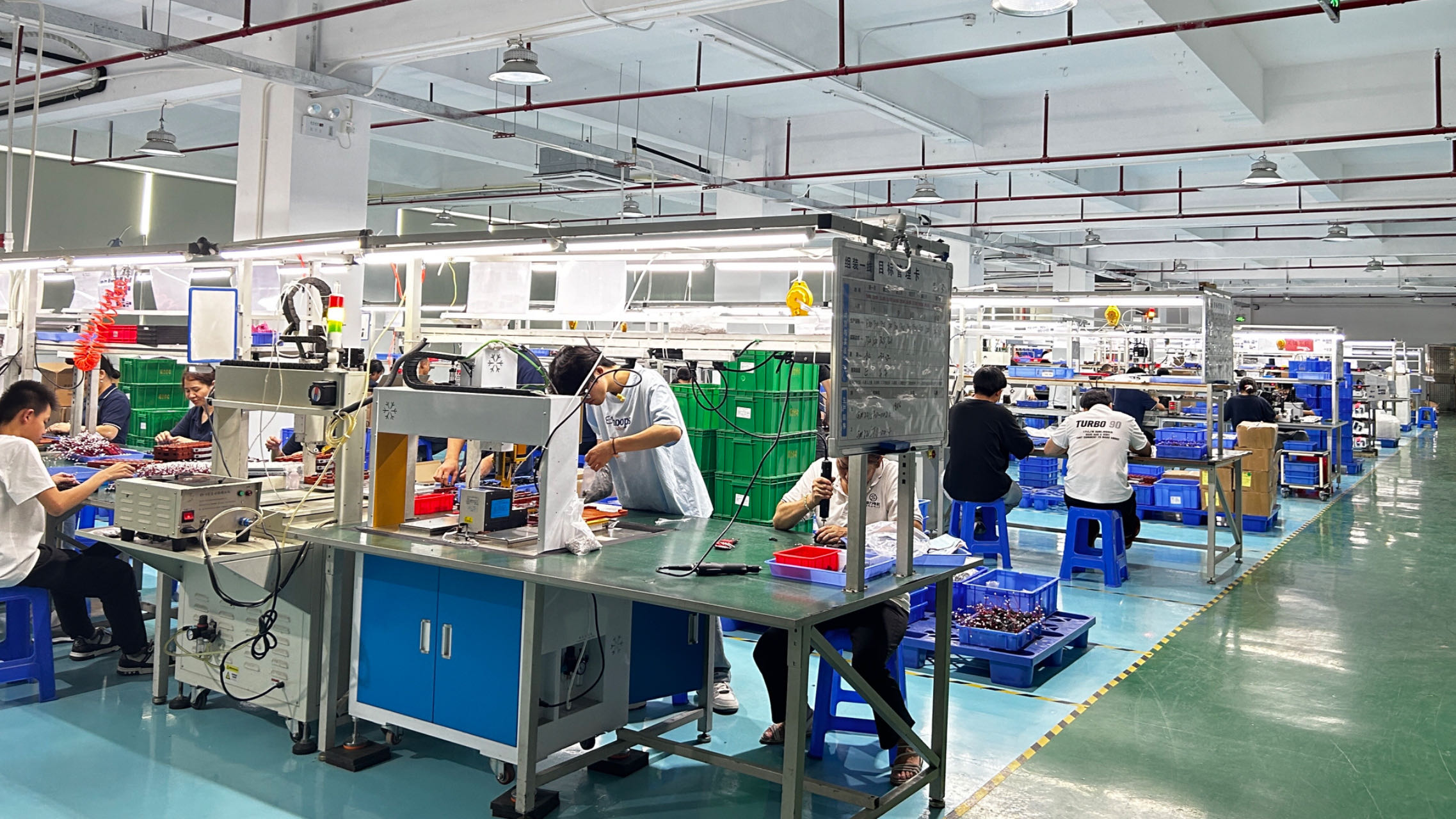
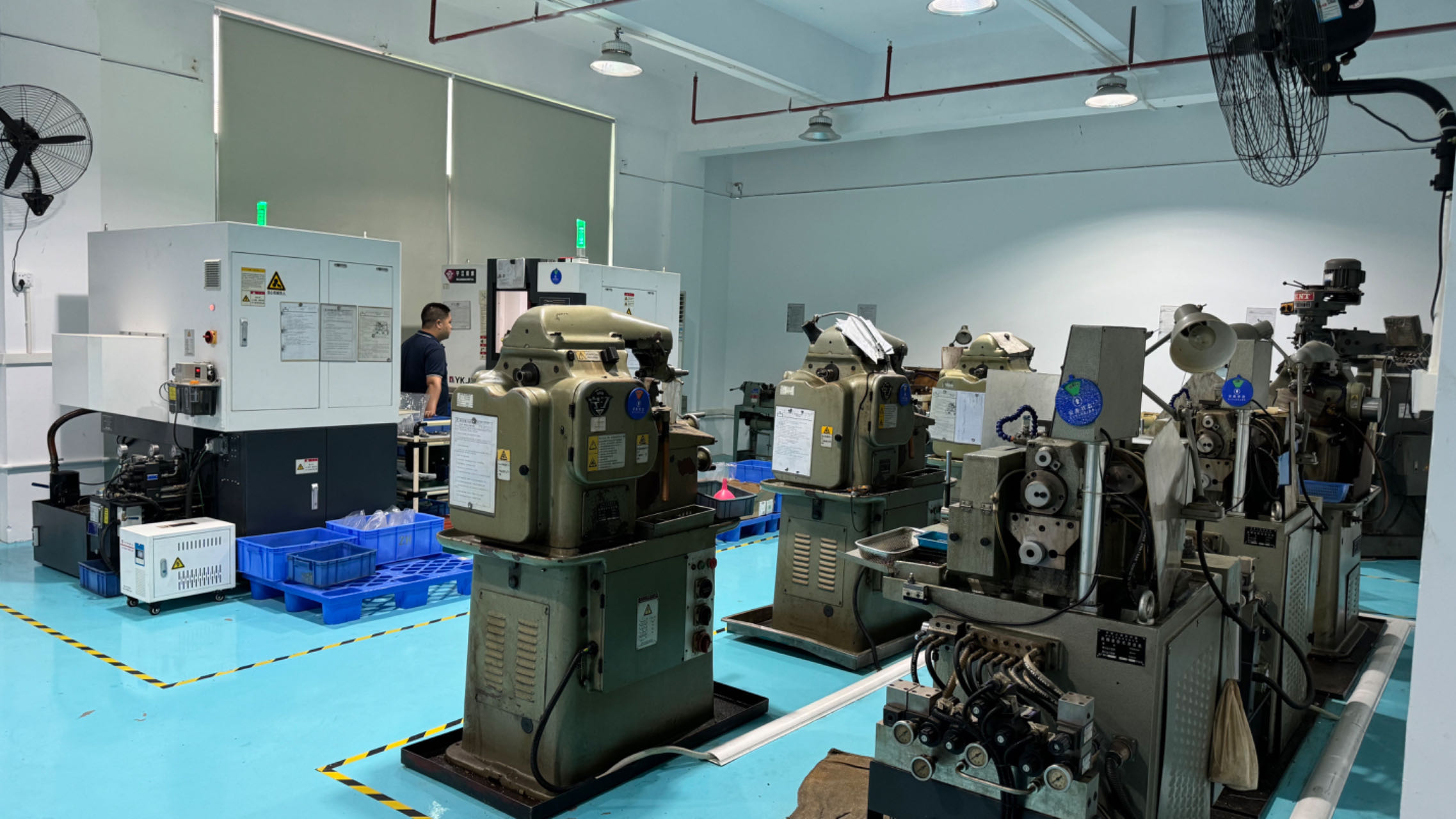
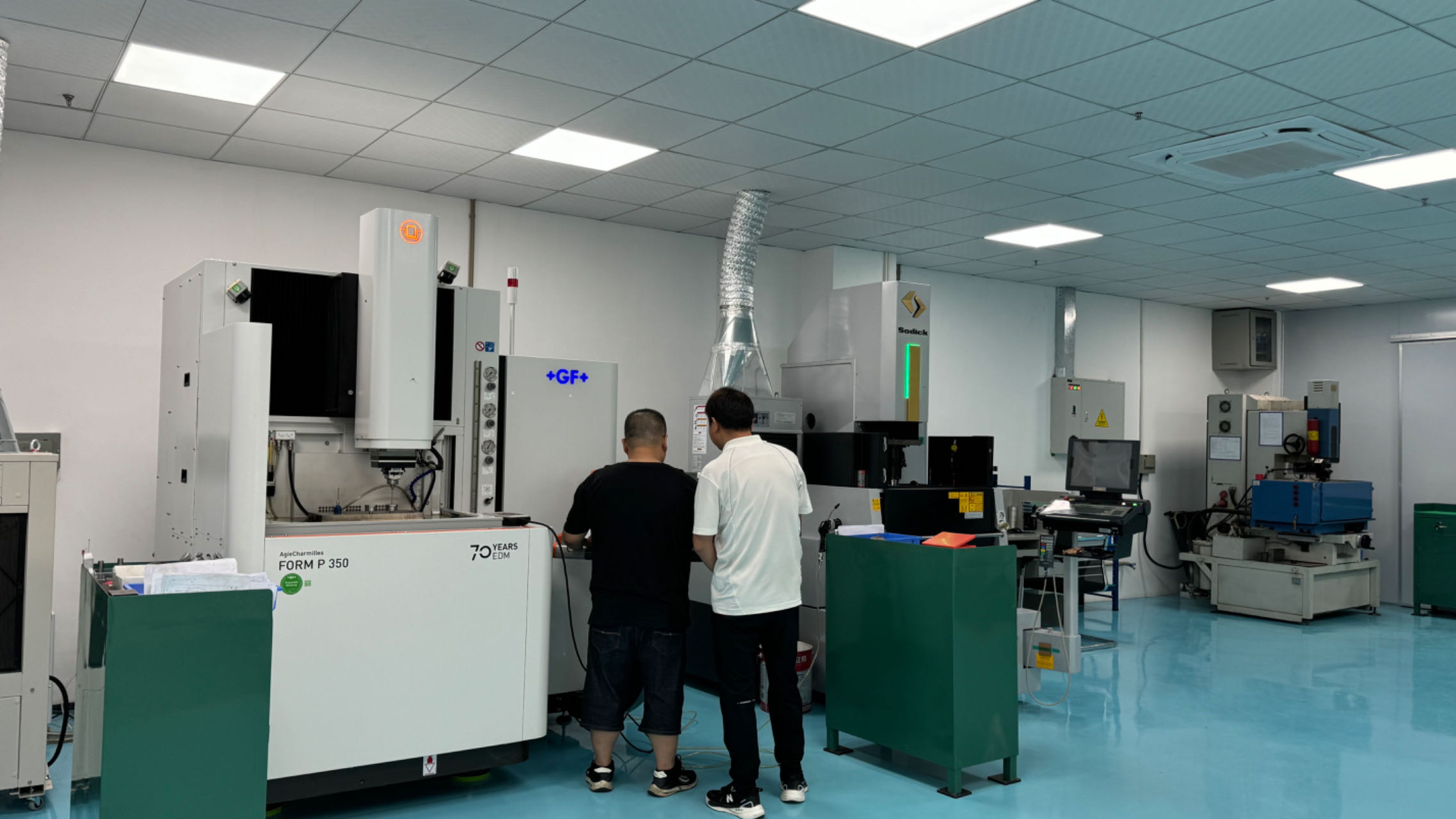
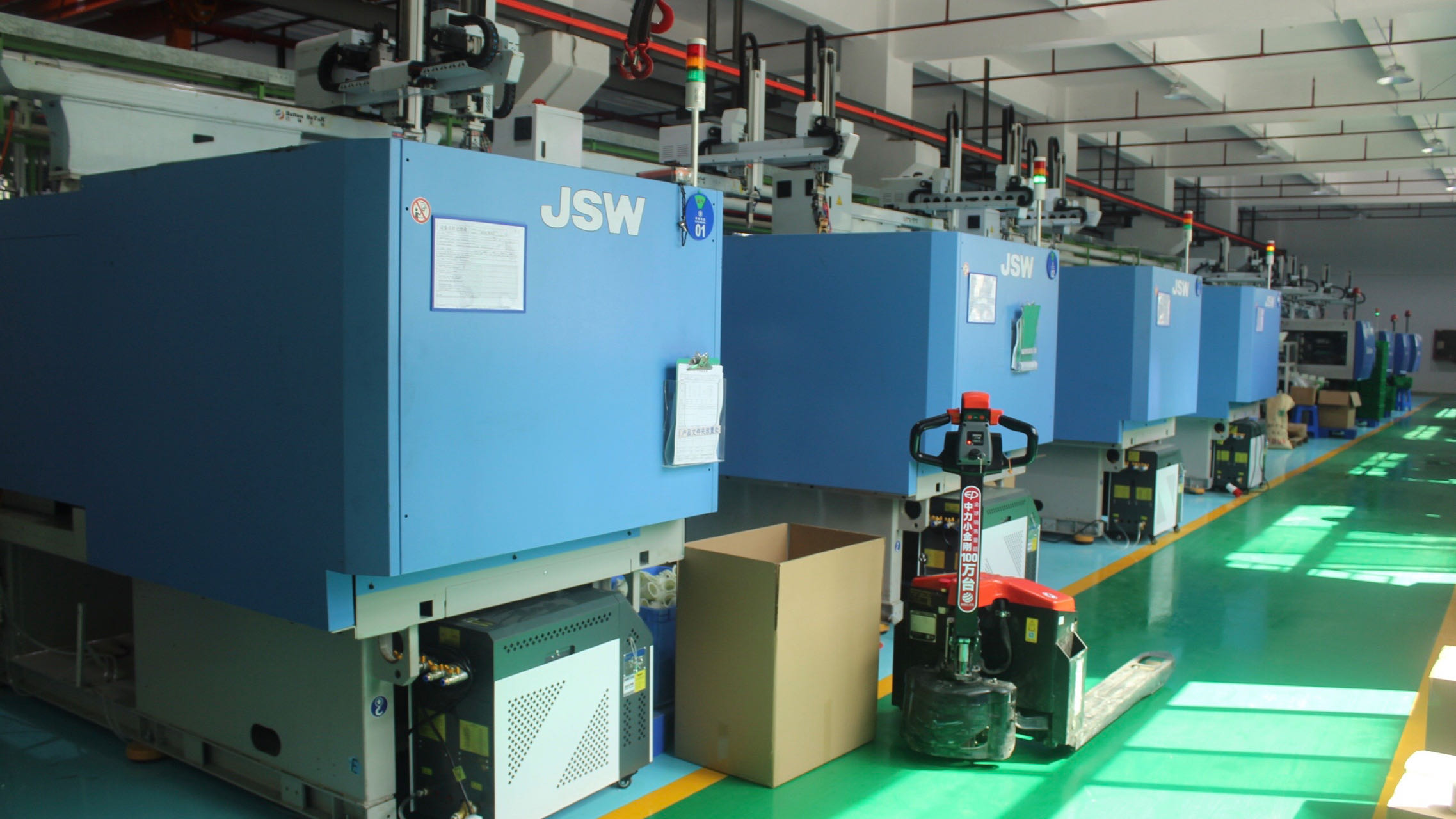
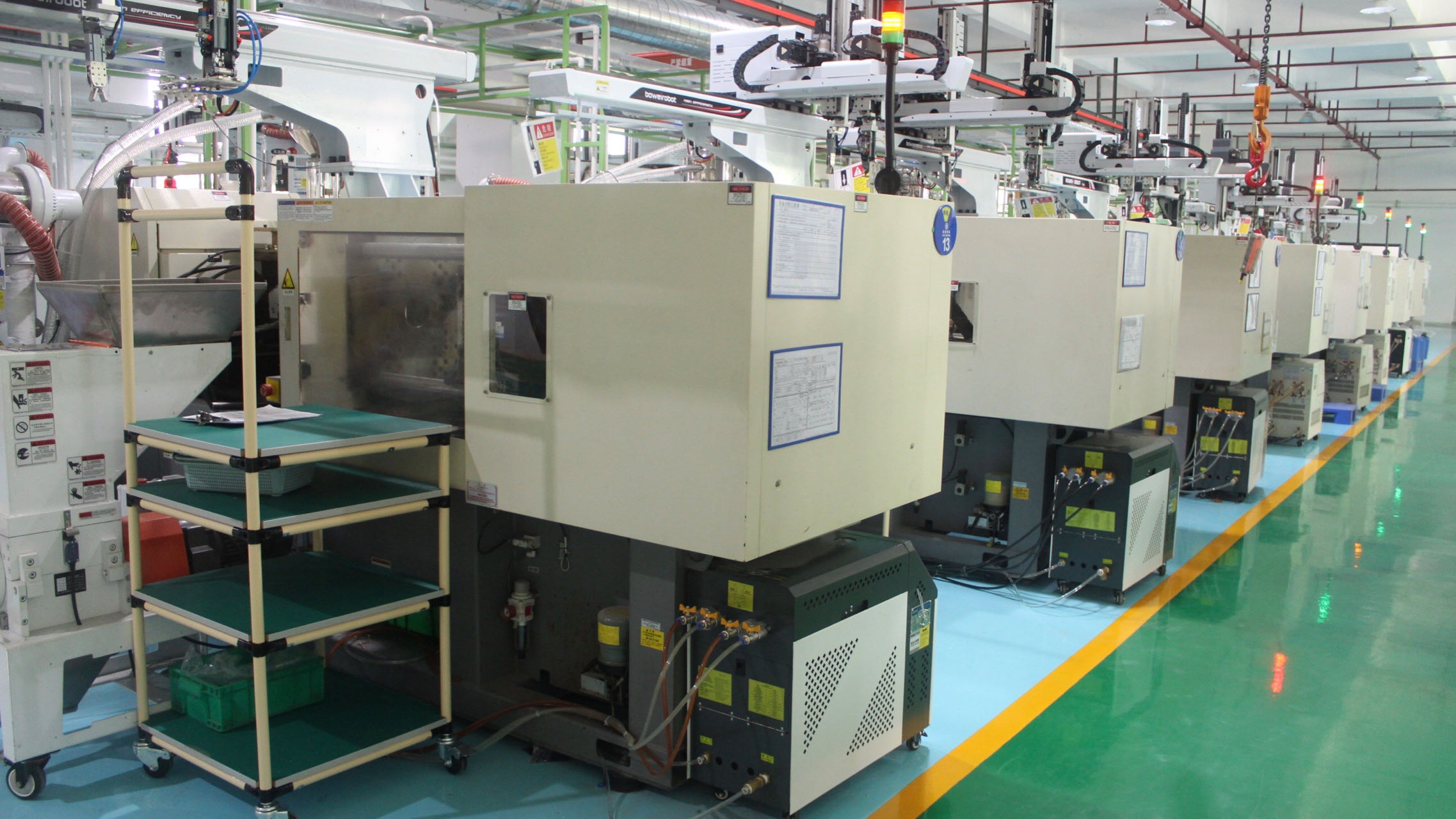
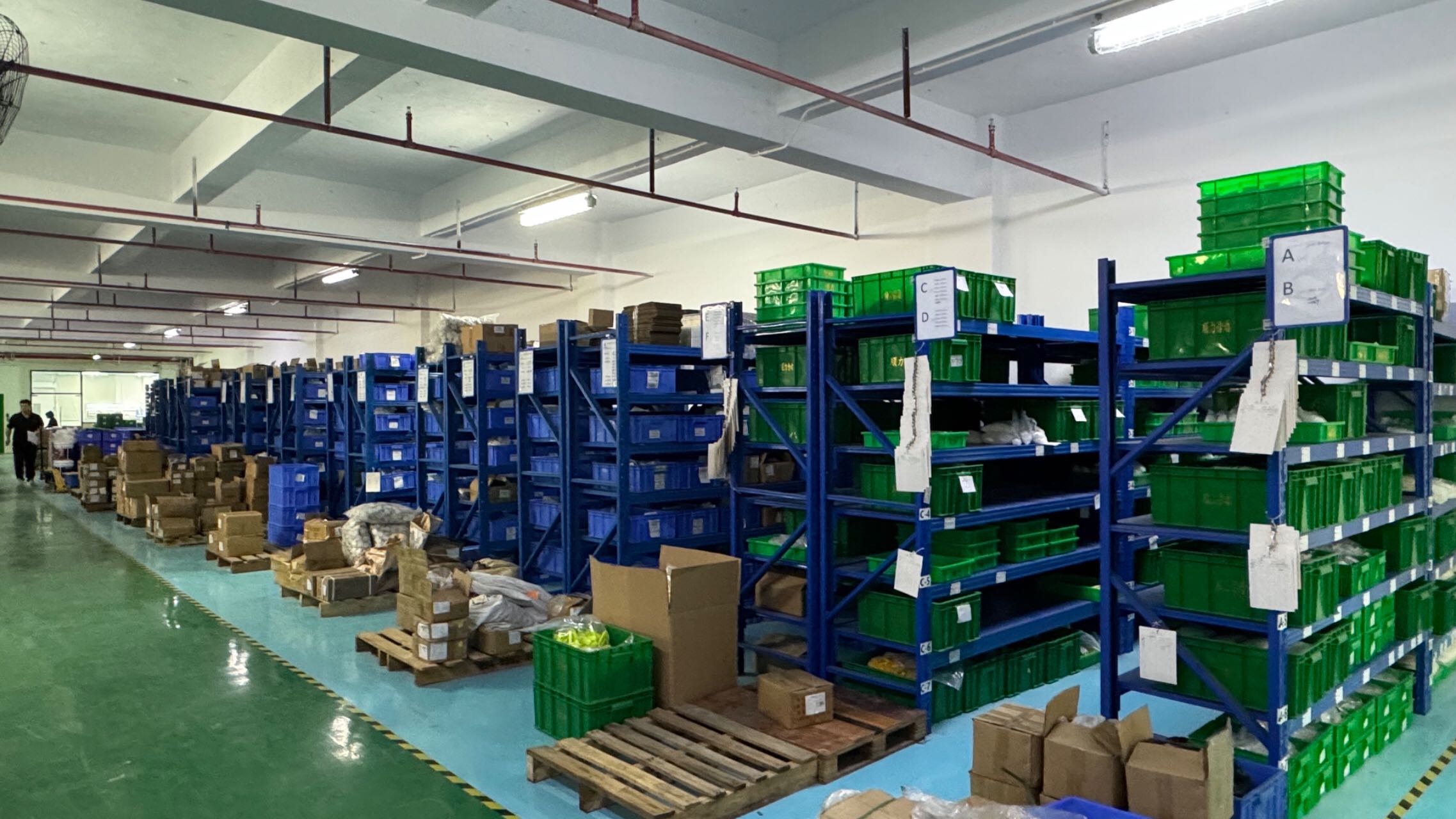
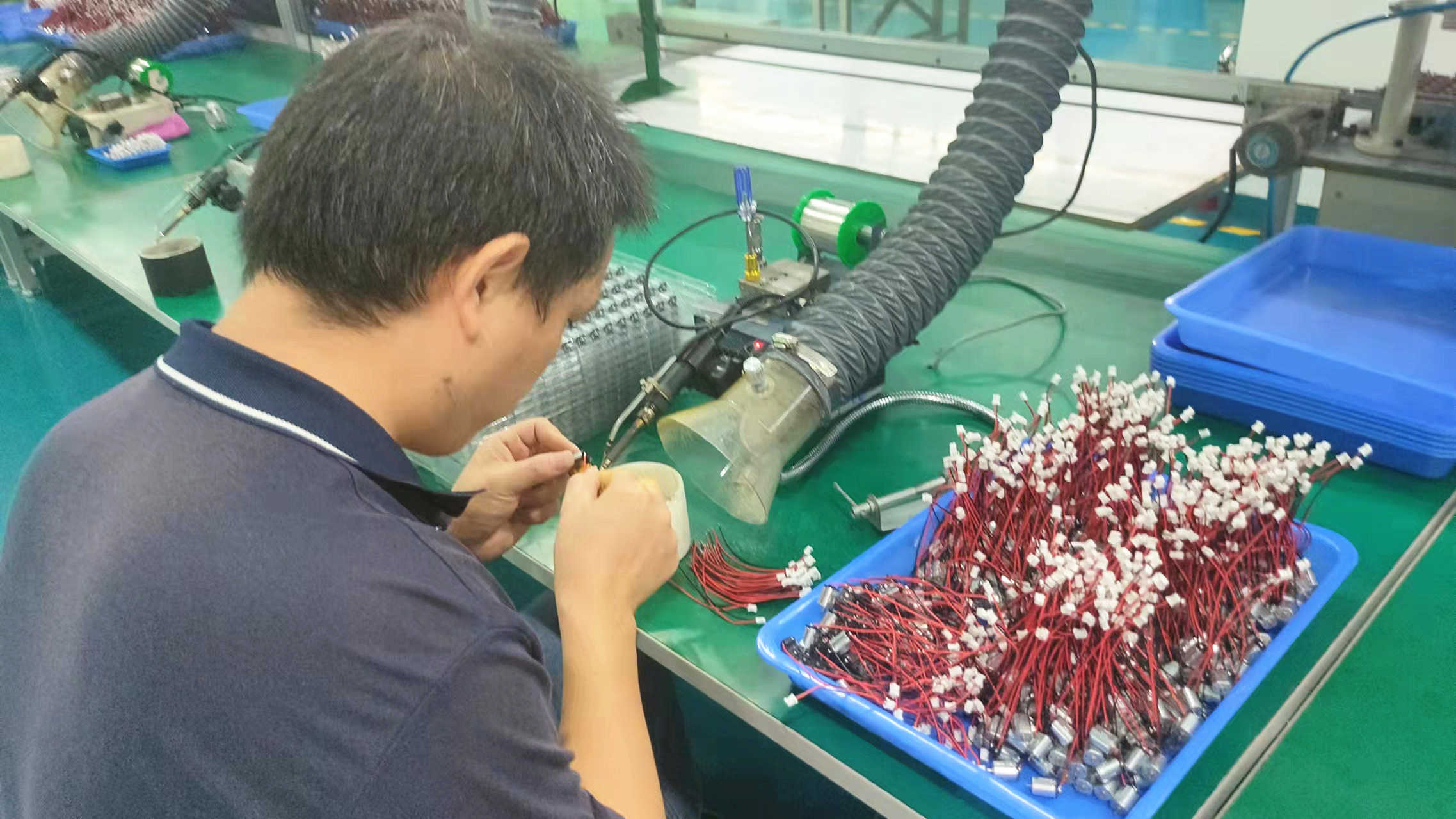
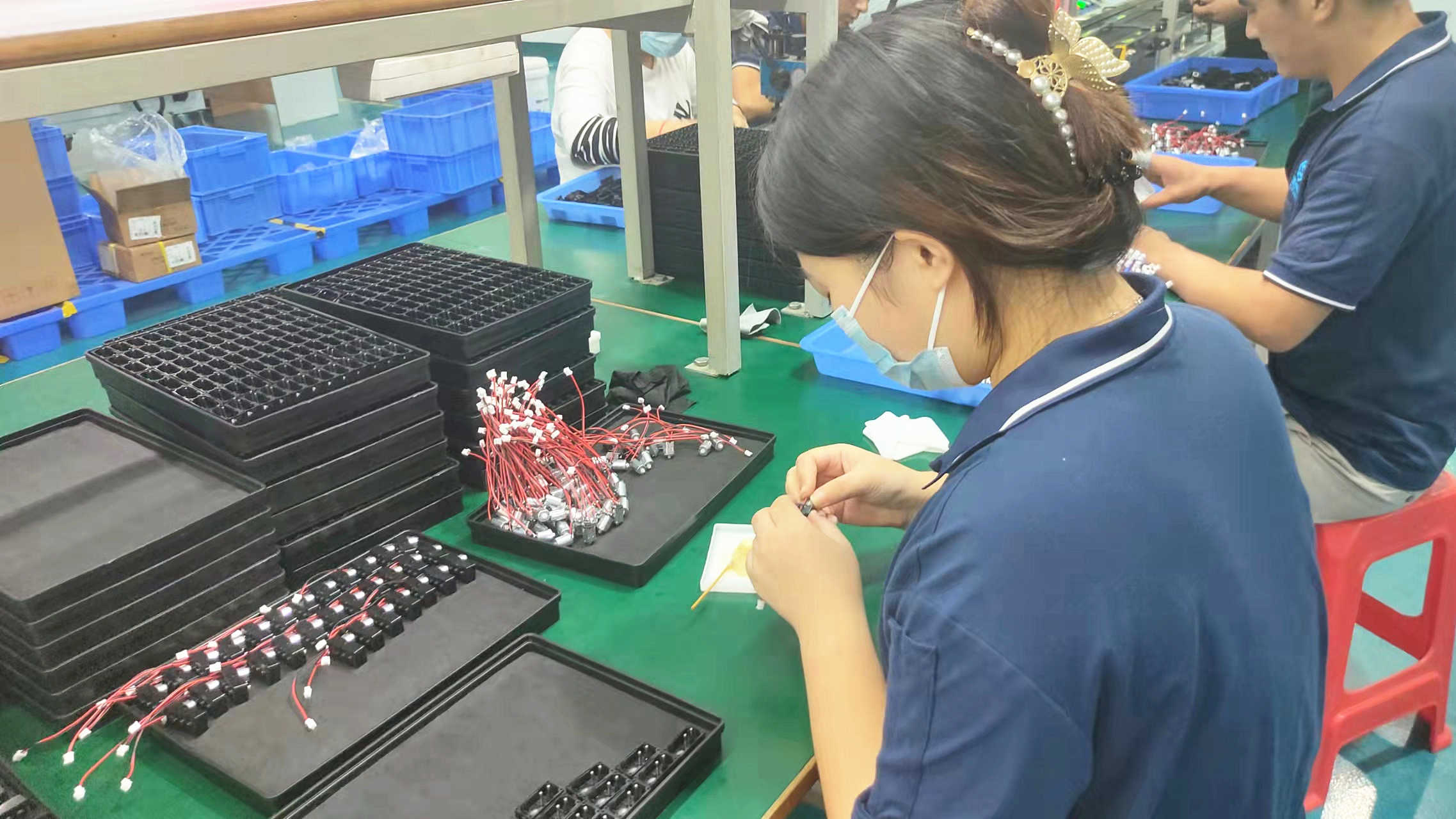
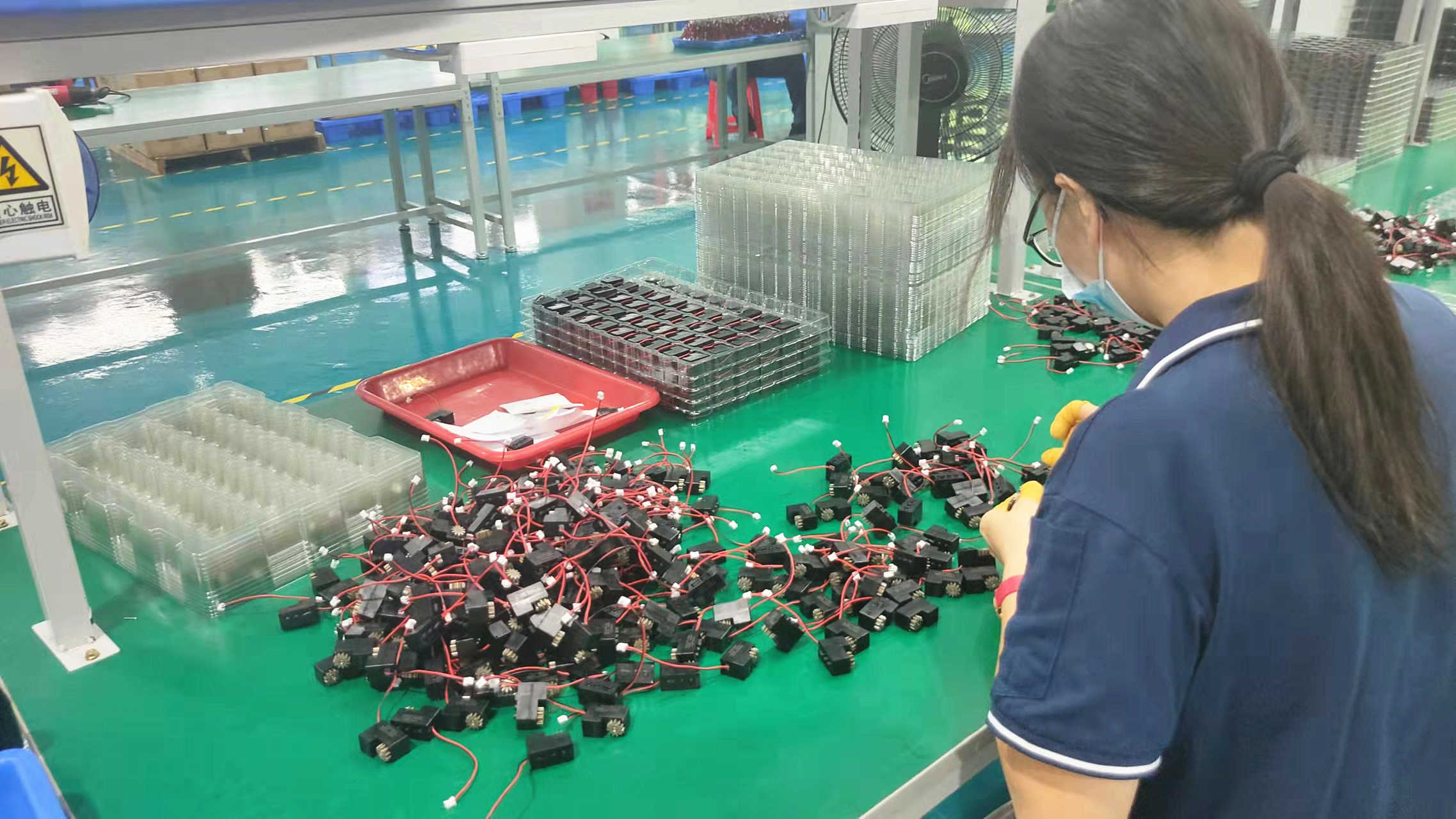
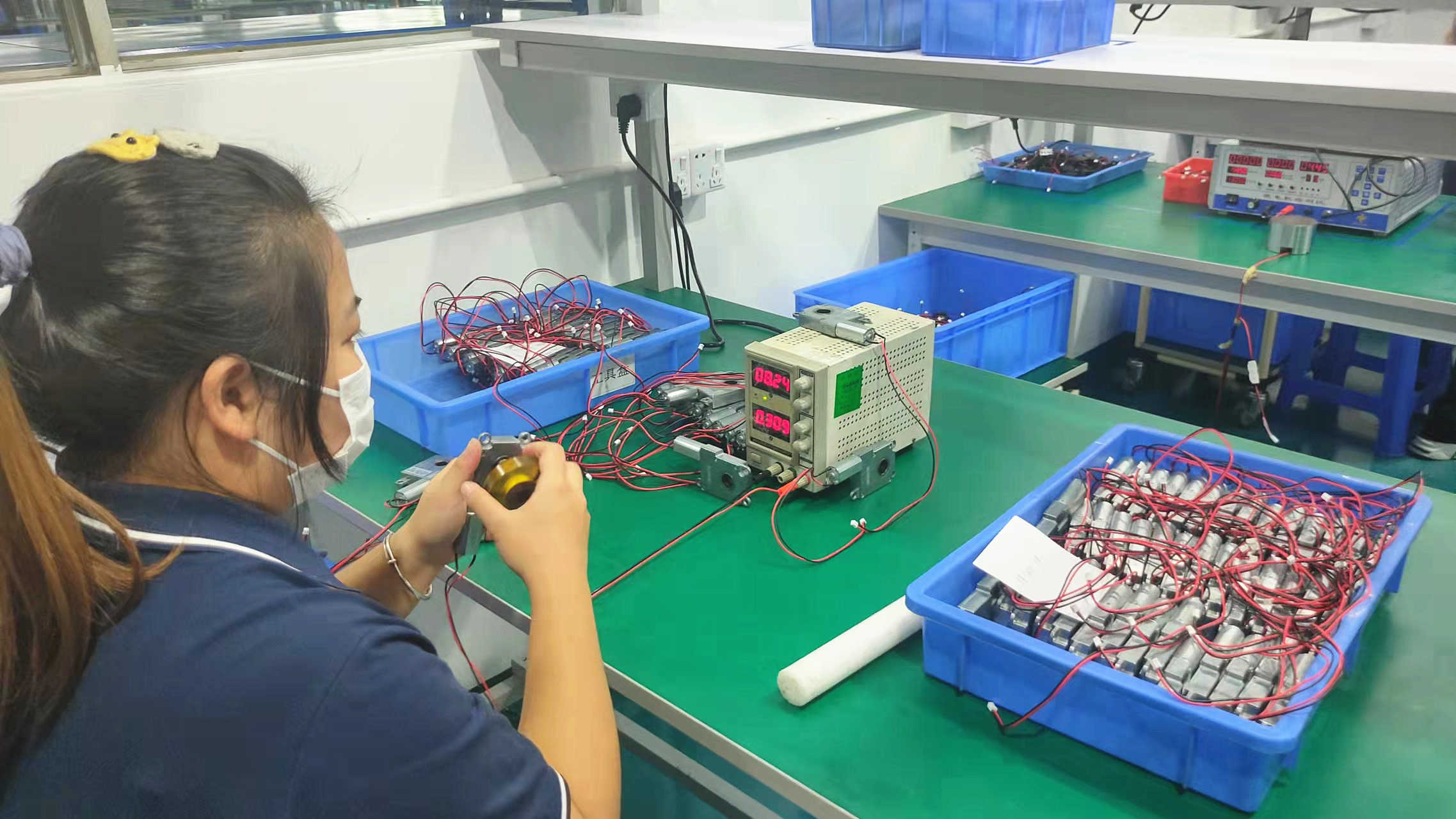
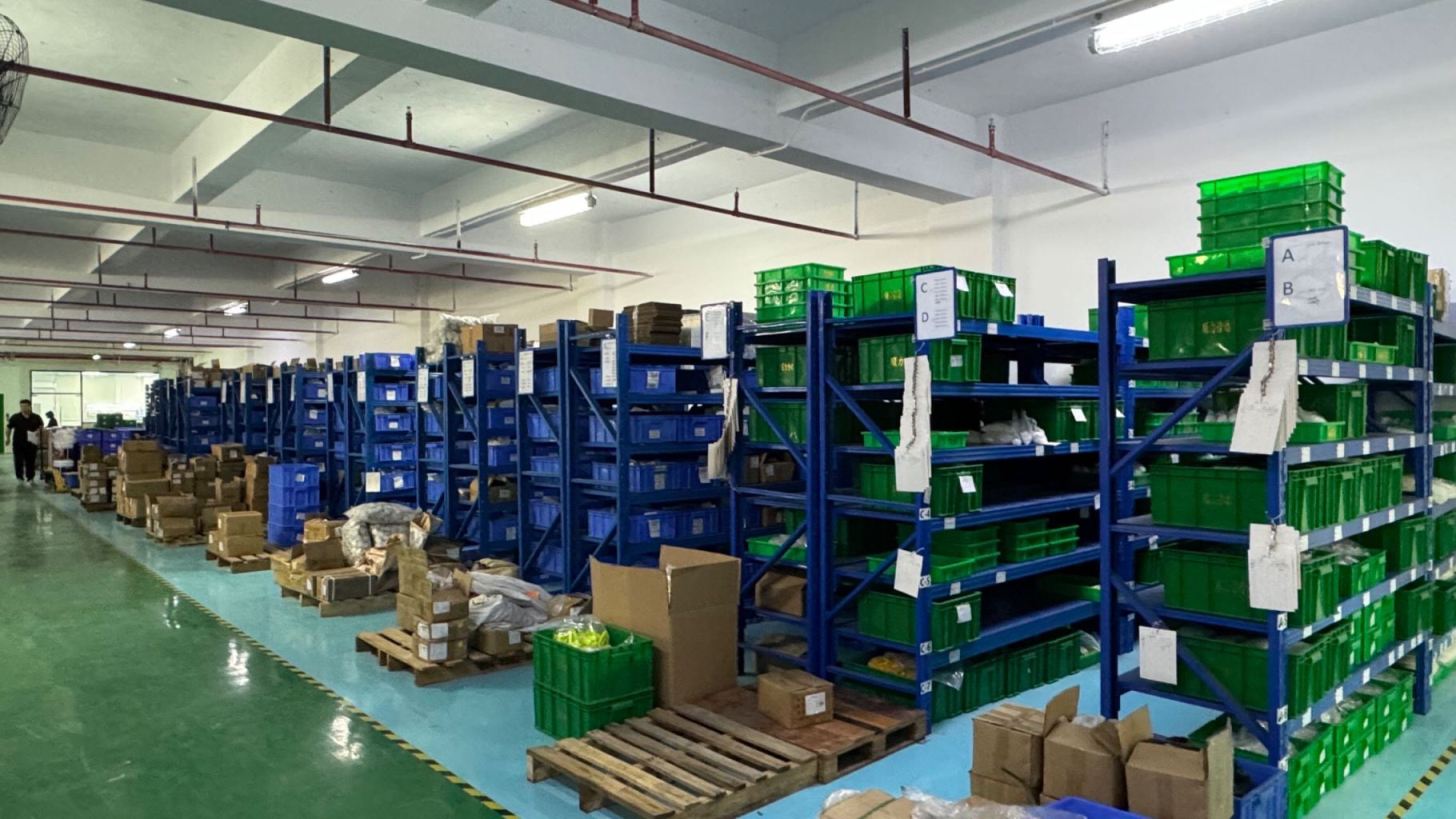
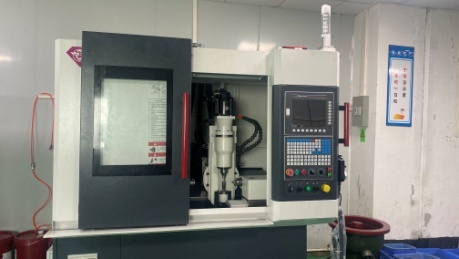
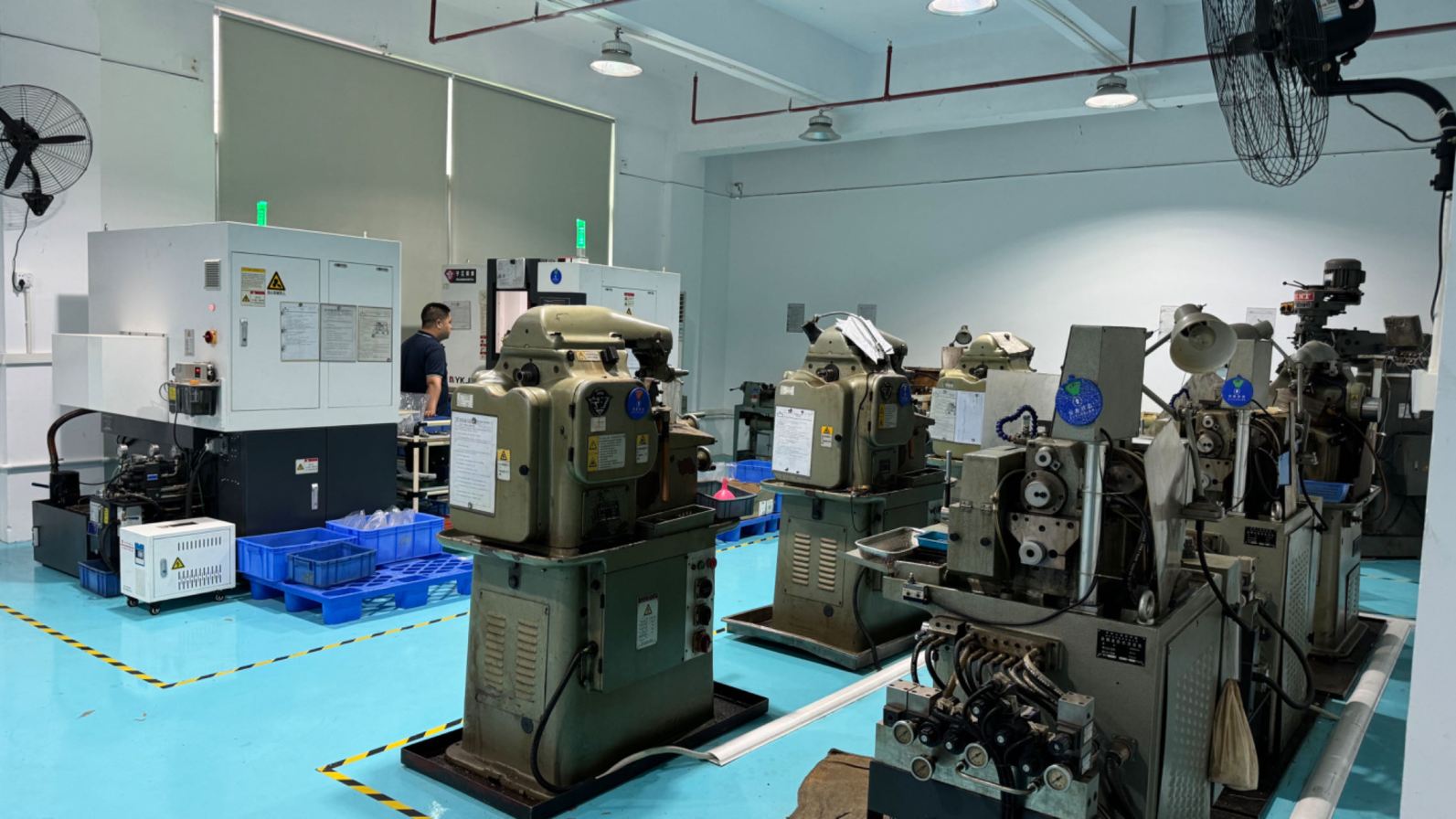
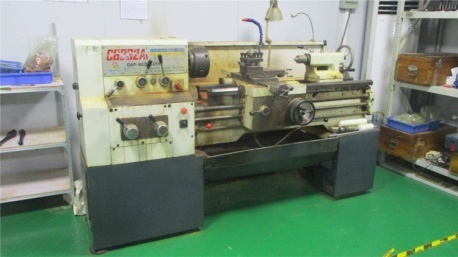
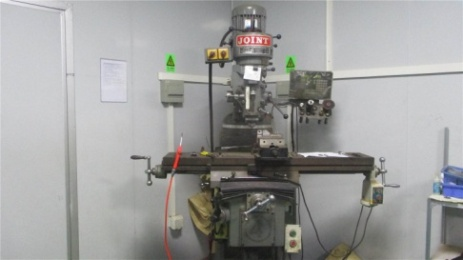
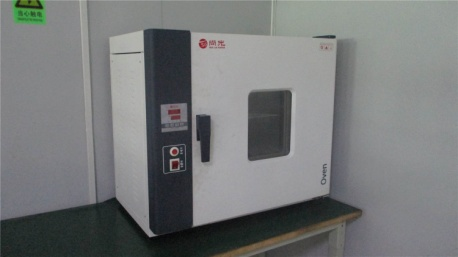
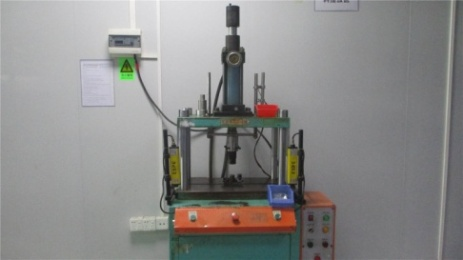
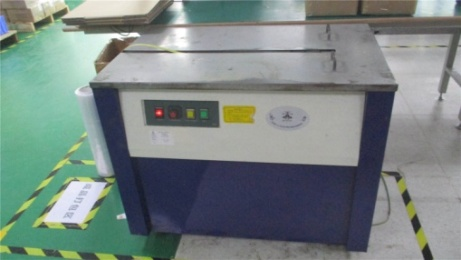
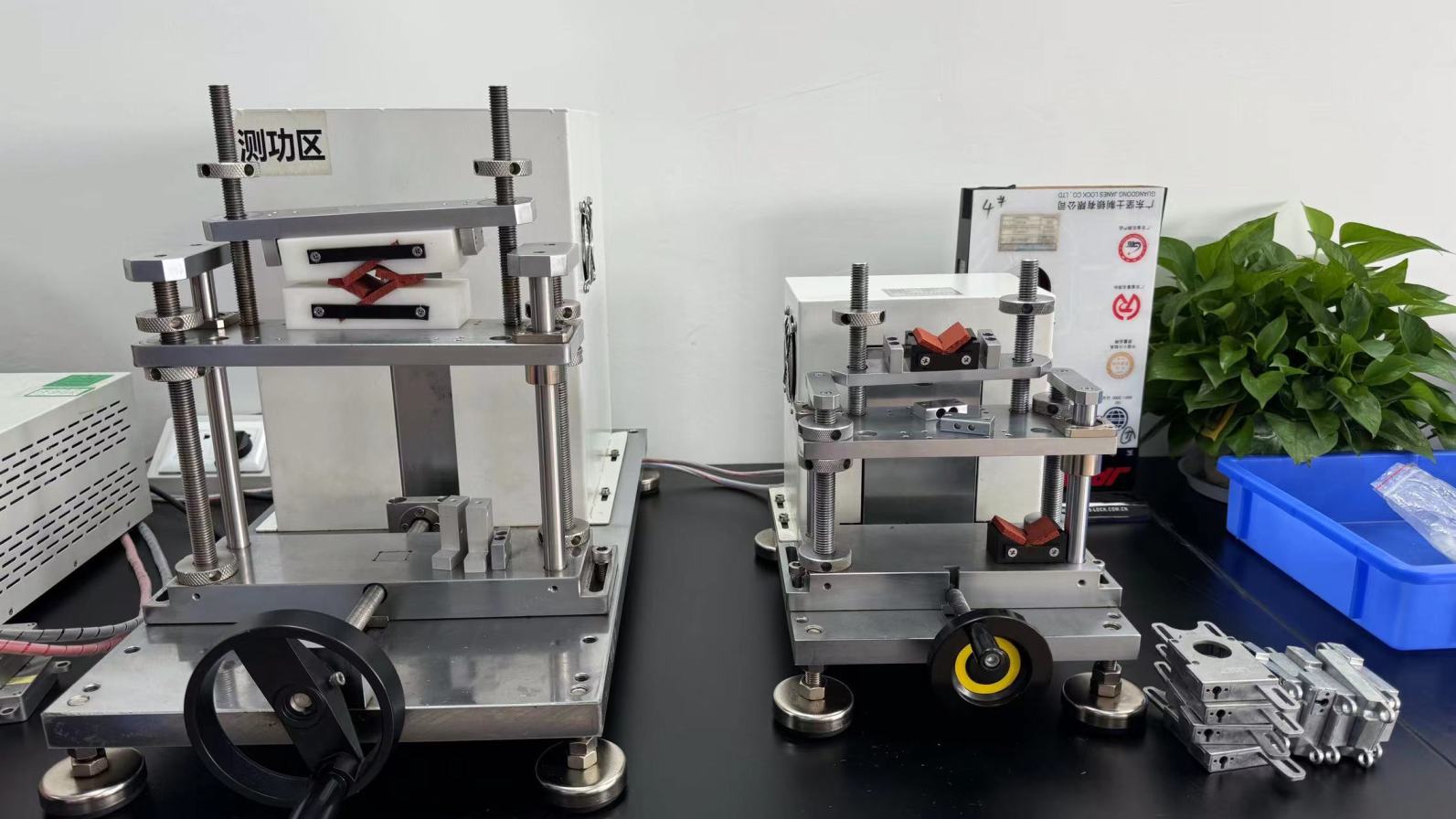
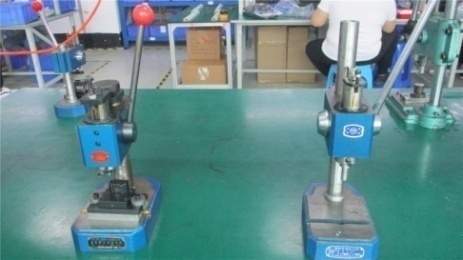
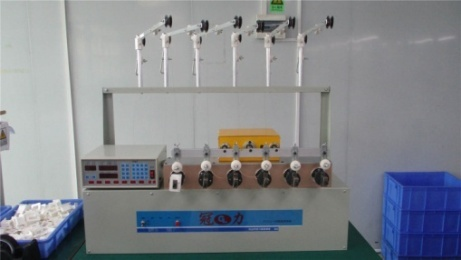
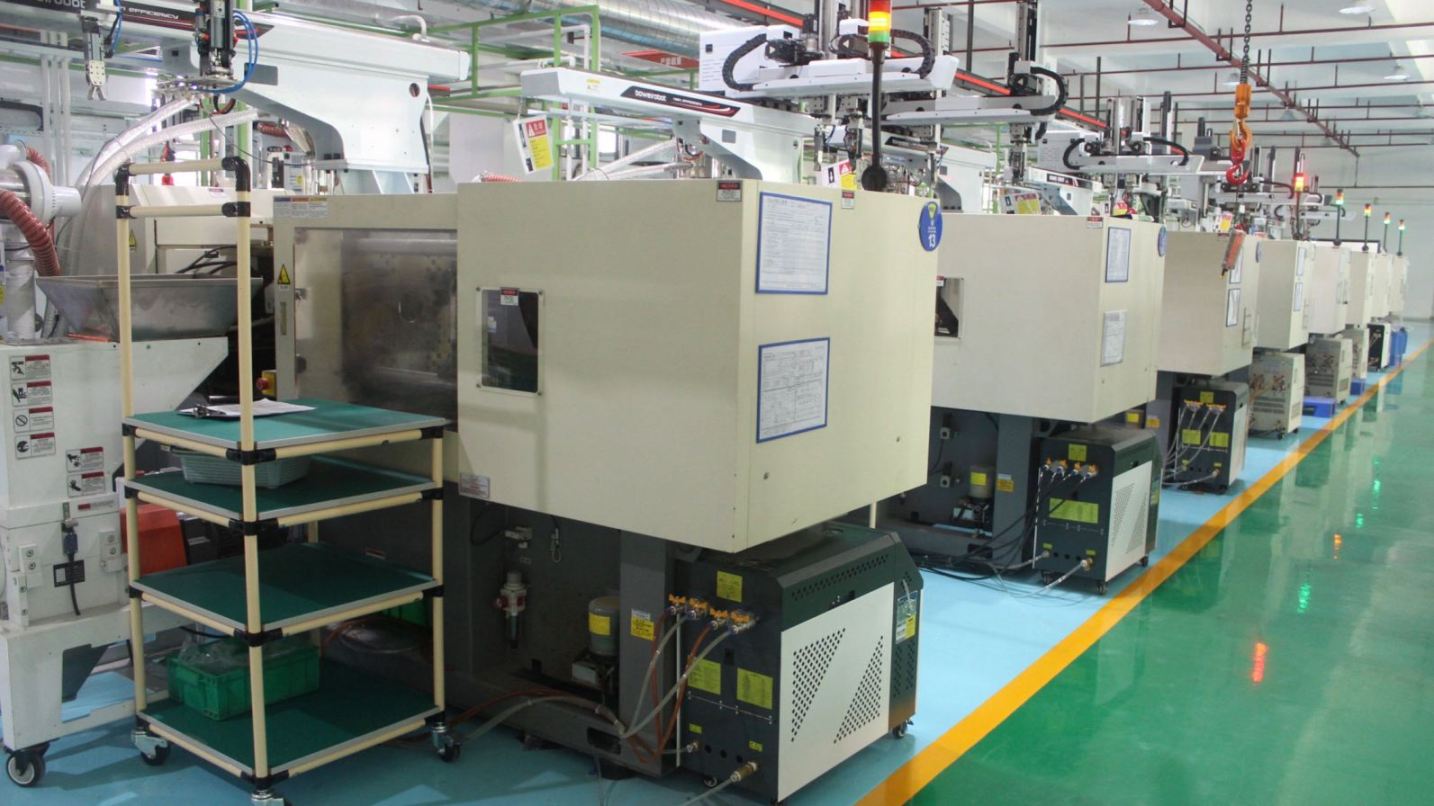
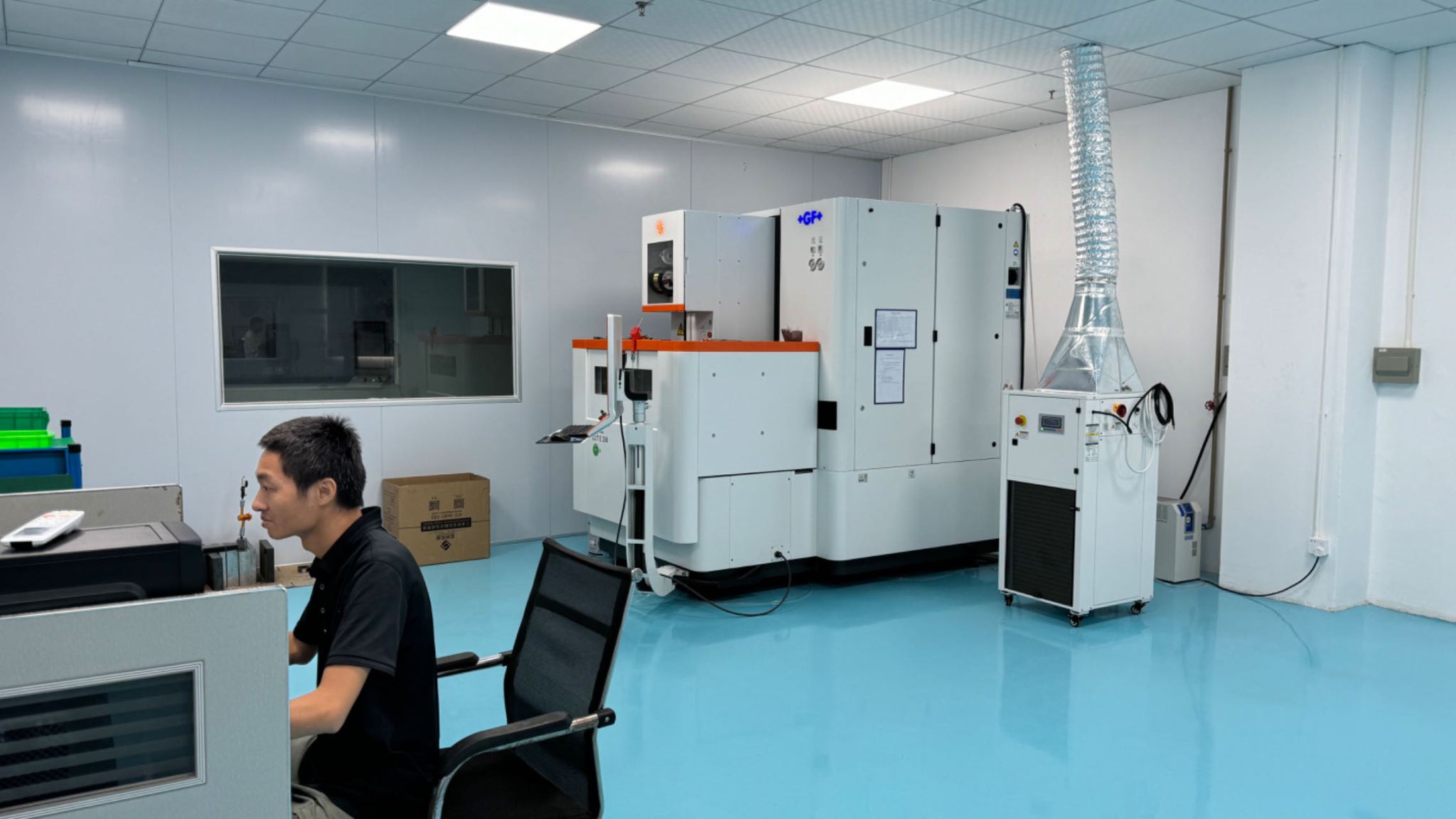
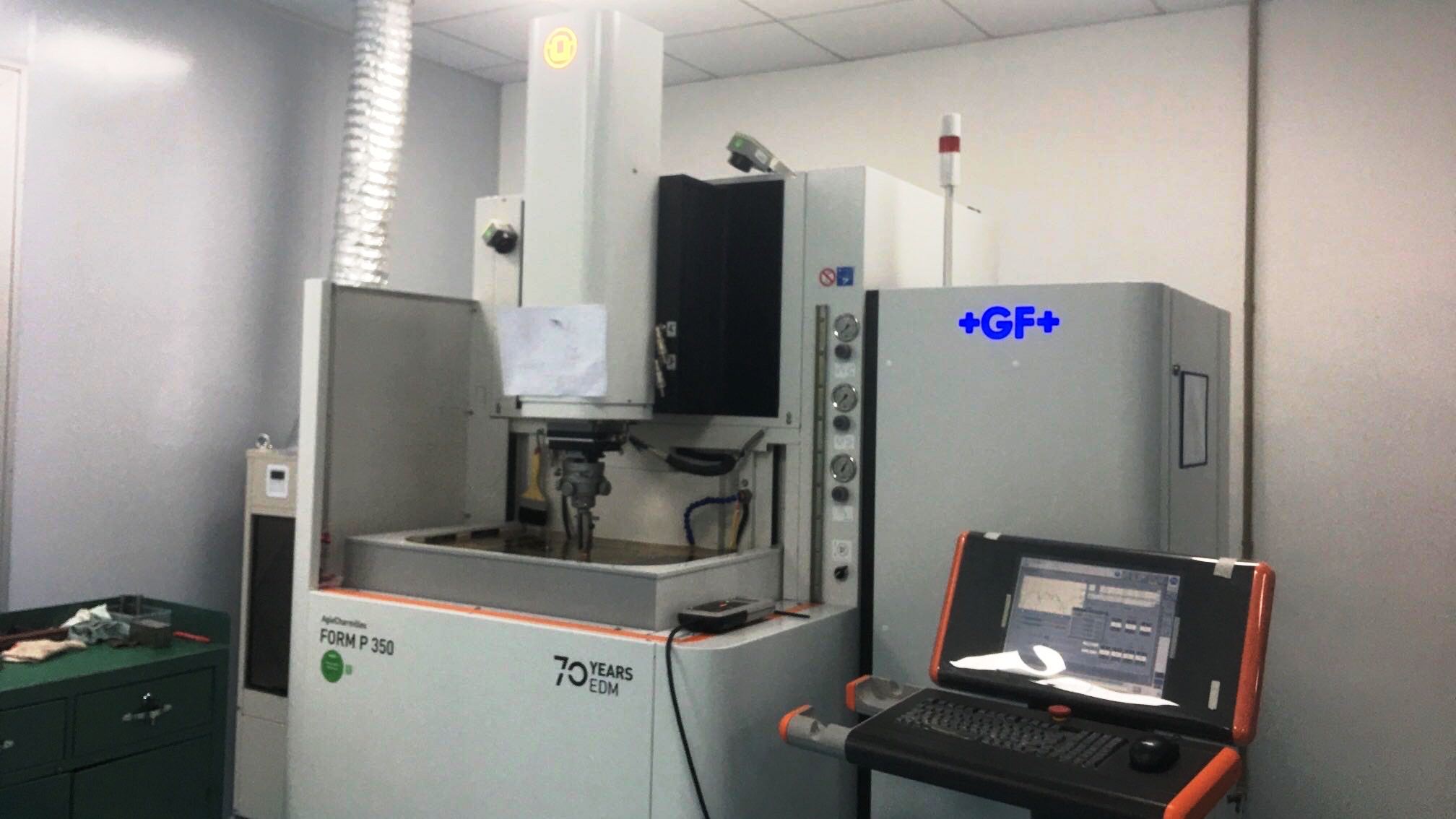
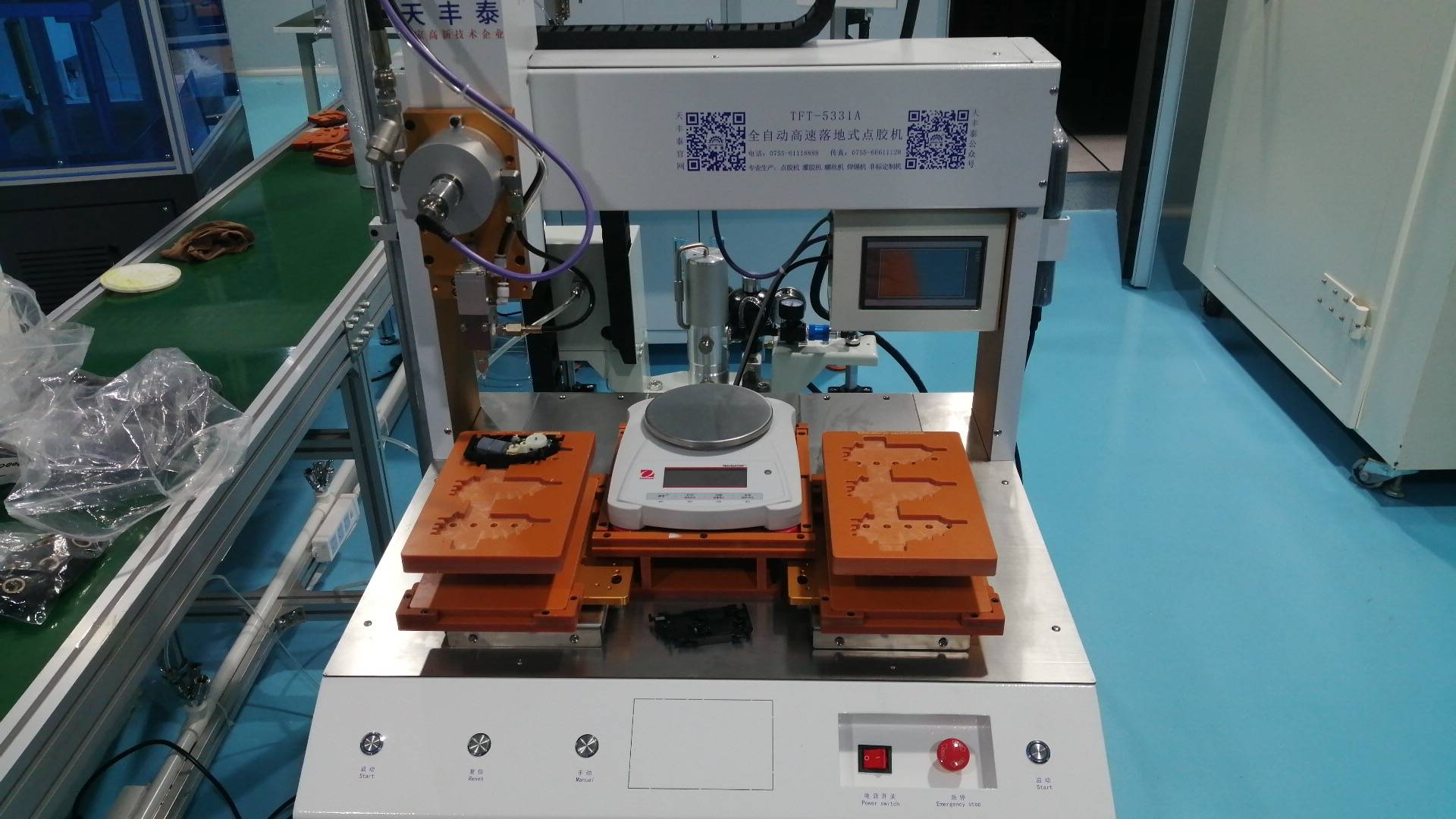
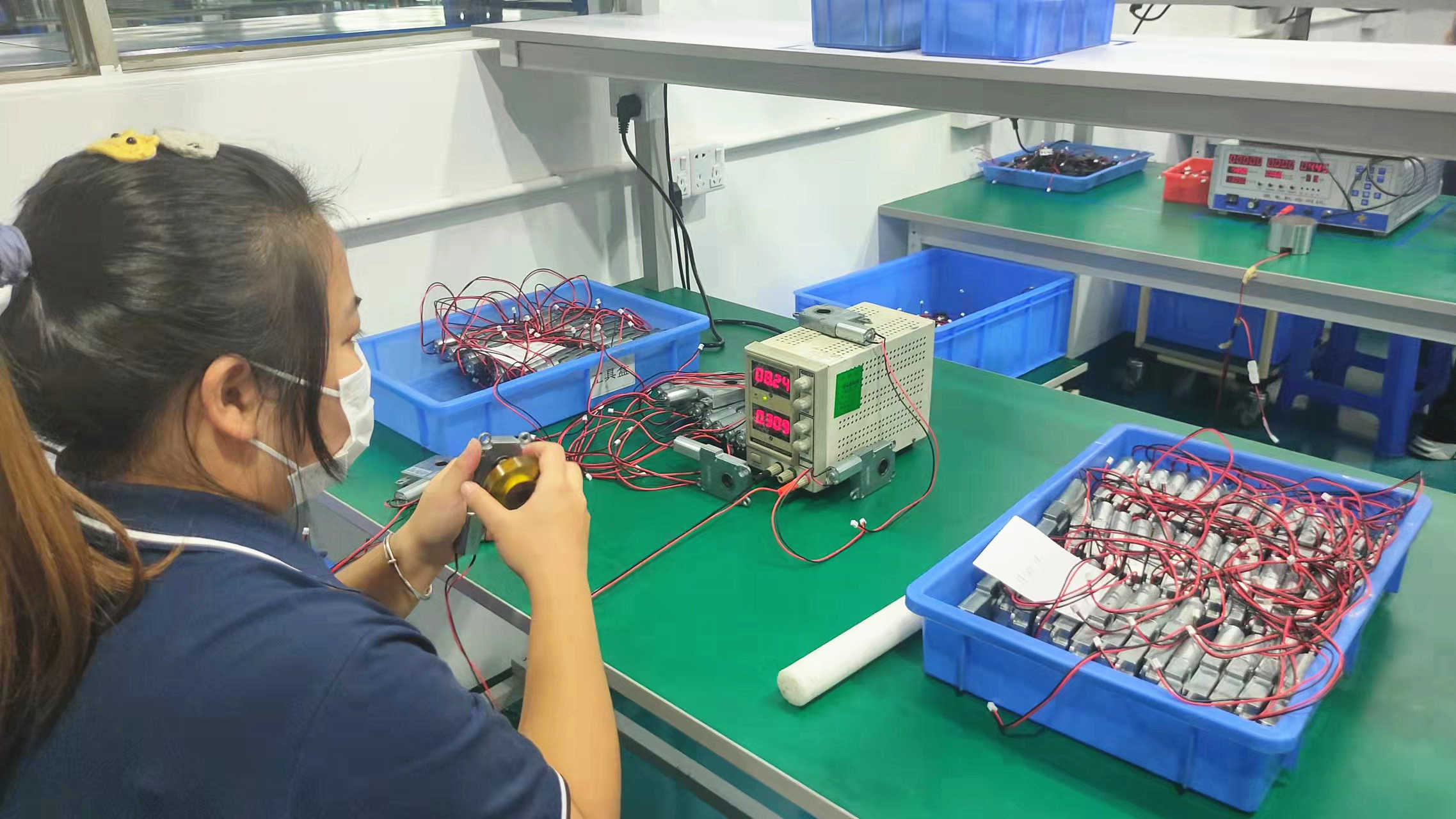
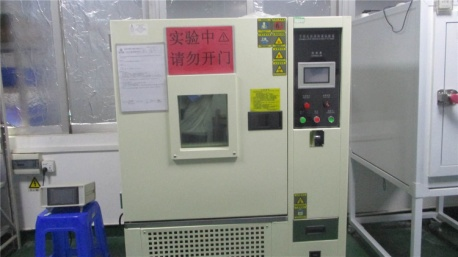
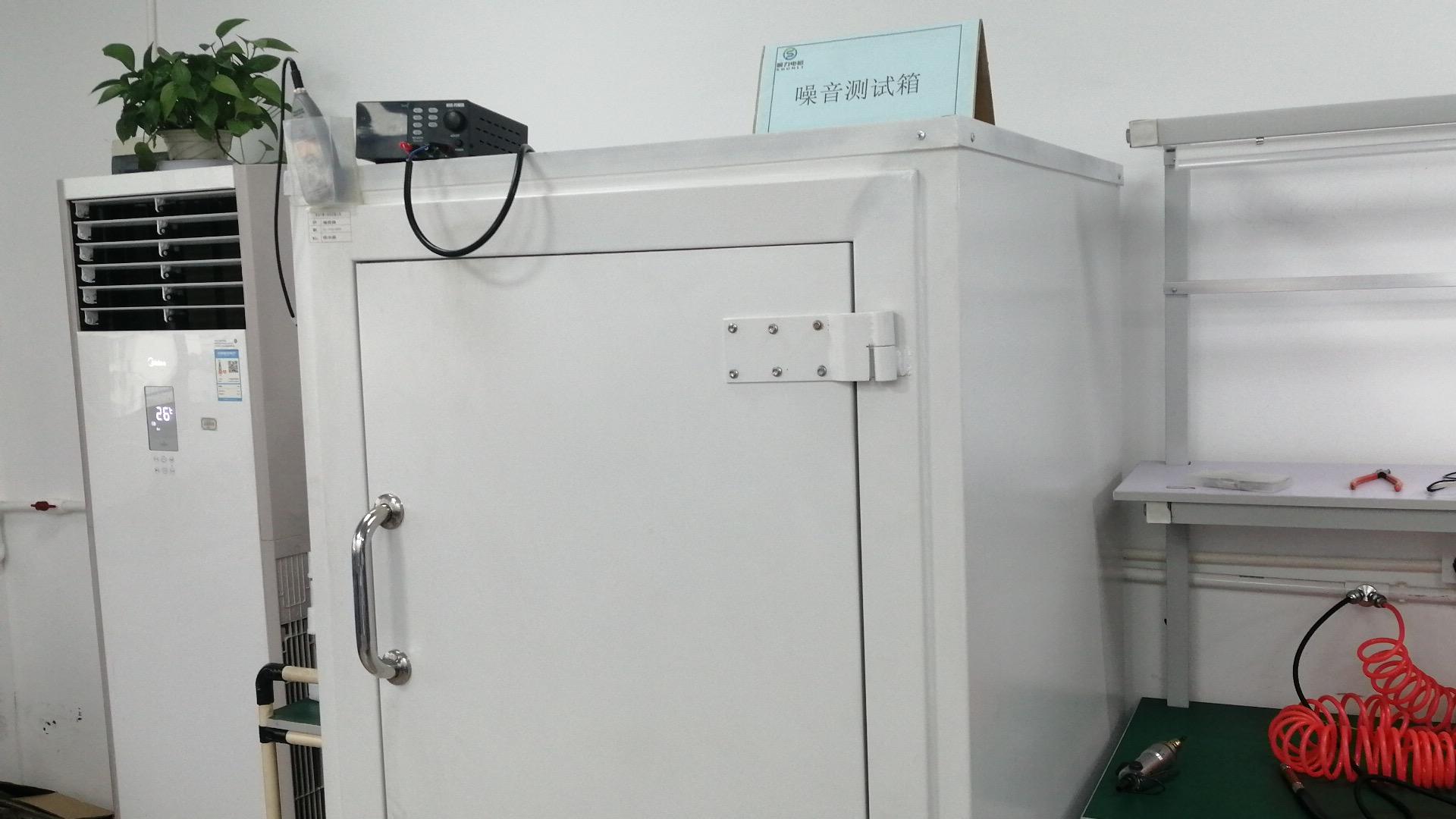
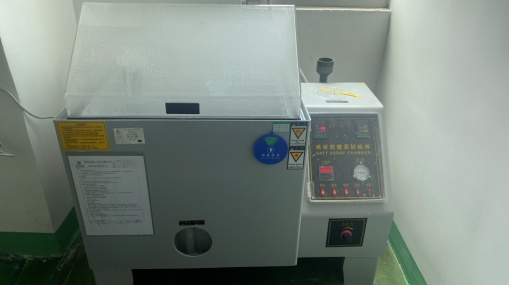
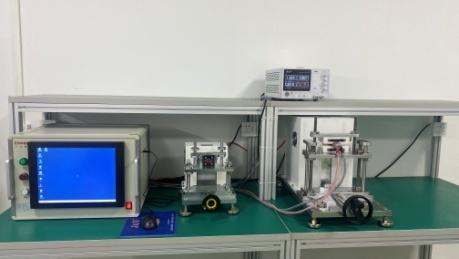
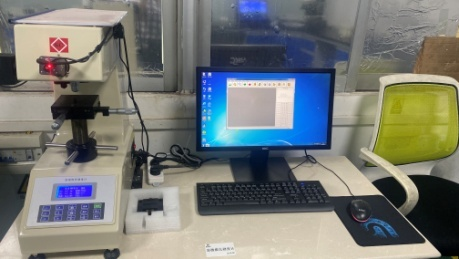
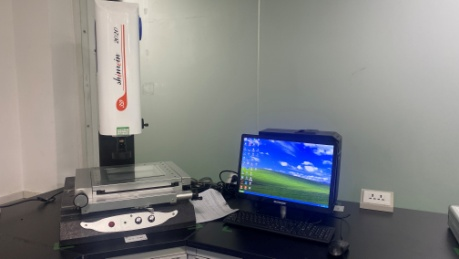
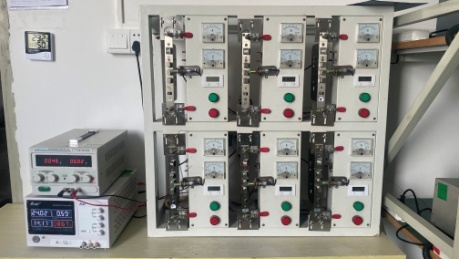
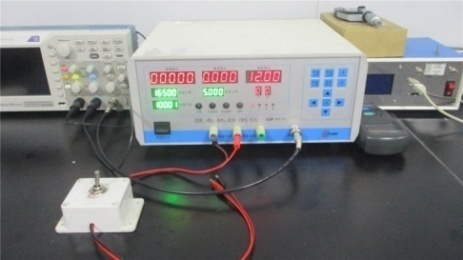
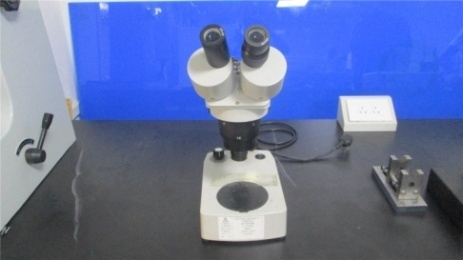
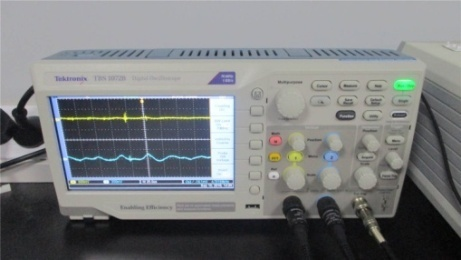
Our manufacturing complex in Guangdong, China, bridges the gap between high-end European performance specifications and manufacturing cost efficiencies. Our factory utilizes high-precision equipment to achieve precise gear tooth profiles, matching the reliability of top tier manufacturers:
Our motors are actively deployed in key business sectors throughout the Delaware Valley:


The micro-motor landscape is changing rapidly. The demand for increased efficiency and intelligence has introduced several design enhancements to modern planetary gear systems:
While brushed DC motors remain highly effective for short-duty-cycle operations, brushless DC (BLDC) motors are becoming the standard for continuous use, such as in robotic joints and smart valves. Eliminating carbon brushes extends motor life to more than 10,000 hours, reduces EMI emissions, and improves overall efficiency.
Using advanced software-driven tooth profiles, we manufacture sun and planet gears with optimized profiles. This design increases the contact area under load, reducing wear and localized shear stresses while enhancing overall torque capacity.
Modern applications require precise velocity and position monitoring. Integrating magnetic or optical encoders directly onto the motor’s rear shaft enables sub-degree precision, a critical feature for surgical robots and precise automated dispensing lines.
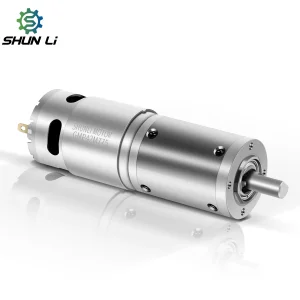
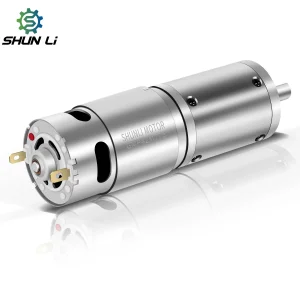
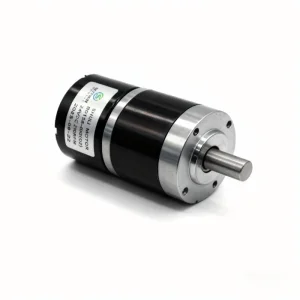
 TorqFlex Motor