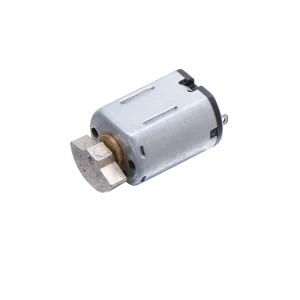
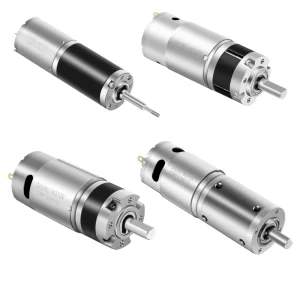
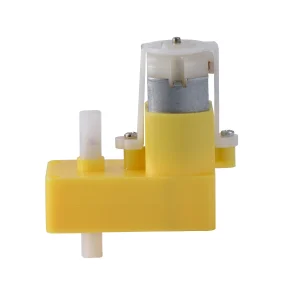
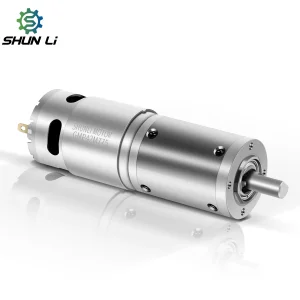
Premium raw materials, high-density copper coils, and hardened structural casings optimized for longevity.
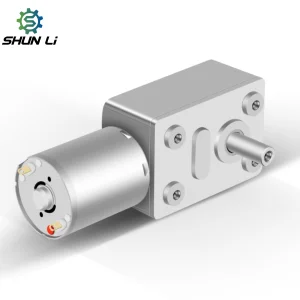
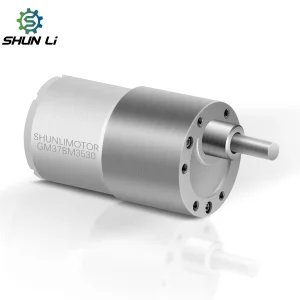
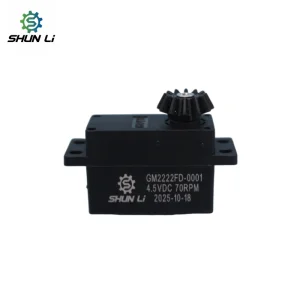
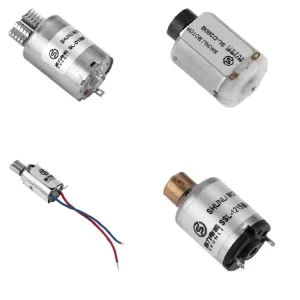
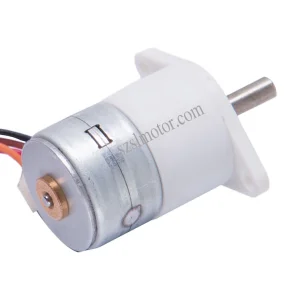
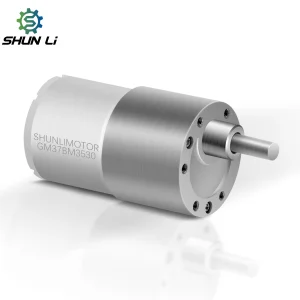
Analyzing key paradigm shifts in industrial automation, material handling, and custom gearmotor design.
The global heavy-duty DC motor sector is undergoing a massive structural transformation. As international production hubs transition toward high efficiency and extreme power density, the requirements placed on DC motors have transcended traditional rotational output. Contemporary applications demand dynamic load tolerances, precision speed profiles, and continuous operation in demanding thermal environments. From automated automated guided vehicles (AGVs) in smart logistics centers to medical dosing systems requiring exact repeatability, heavy-duty DC motors serve as the fundamental mechanical anchors for modern robotic and automation architectures.
In the industrial sphere, performance reliability is critical. Organizations lose substantial capital when key production machinery shuts down due to failure of micro-drives or primary gearboxes. China has consolidated its status as a major manufacturing ecosystem for customized motor components. Modern manufacturing plants in regions like Guangdong and Zhejiang now utilize cutting-edge manufacturing equipment, moving past basic replica production into advanced design processes, high-alloy metallurgy, and specialized winding techniques.
Market studies project the global geared DC motor market will grow at a 6.2% CAGR through 2030, driven by the rapid automation of distribution hubs, heavy equipment modernization, and the micro-electromechanical needs of advanced robotic joints.
Crucially, the intersection of electronics, smart control algorithms, and magnetic motor architectures is accelerating. The implementation of brushless DC (BLDC) systems alongside planetary gearheads with low backlash allows designers to execute fine-tuned motion commands that were once considered impossible with direct-current configurations. By choosing components built with high-magnetic-density NdFeB (Neodymium Iron Boron) structures and precision-ground steel gears, companies can achieve elevated startup torques and low thermal profiles within extremely compact physical sizes.
Understanding the mechanical design elements that differentiate standard DC motors from premium drive units.
| Parameter / Aspect | Standard Commercial DC Motors | TorqFlex Professional Heavy Duty Range | Core Application Benefit |
|---|---|---|---|
| Armature Winding Density | Standard fill density, common copper wire | Maximum fill coefficient, high-purity oxygen-free wire | Higher torque capacity with reduced heat loss |
| Gear Train Precision | Standard pressed or cast metal gearing | Swiss-hobbed, CNC slow-feed wire-cut steel teeth | Negligible backlash, minimal wear patterns |
| Bearings & Journals | Basic sleeve bushings or standard bearings | Dual shielded NMB ball bearings (Japanese imports) | High radial/axial load tolerance, low noise output |
| Commutator Durability | Basic copper segments, basic brush material | Silver-copper alloy segment with high-grade carbon/metal brushes | Clean electrical contact, reduced spark wear |
| Dynamic Balancing | Standard rotational check | ISO 1940 G2.5 micro dynamic balancing process | Reduced vibration and extended bearing lifetimes |
By using premium stator magnets and computer-optimized winding layouts, our motors deliver consistent torque curves across a wide operating envelope, avoiding sudden torque loss under thermal loads.
Our gear reducers are constructed using robust steel housings and precise spur, helical, or worm designs to achieve quiet operation, structural self-locking capabilities, and minimal mechanical play.
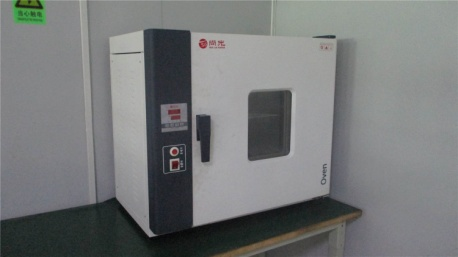
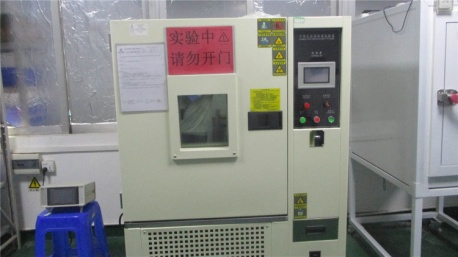
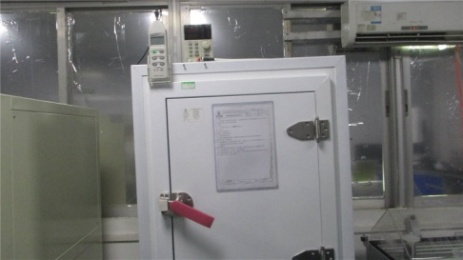
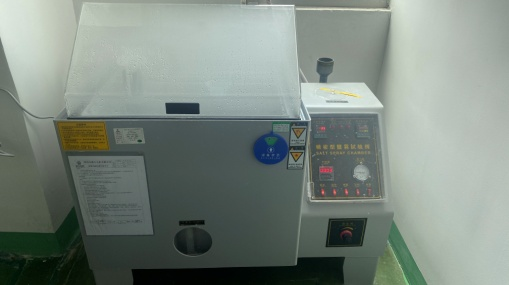
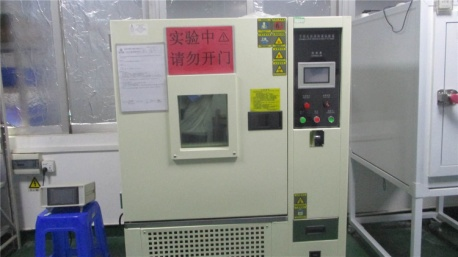
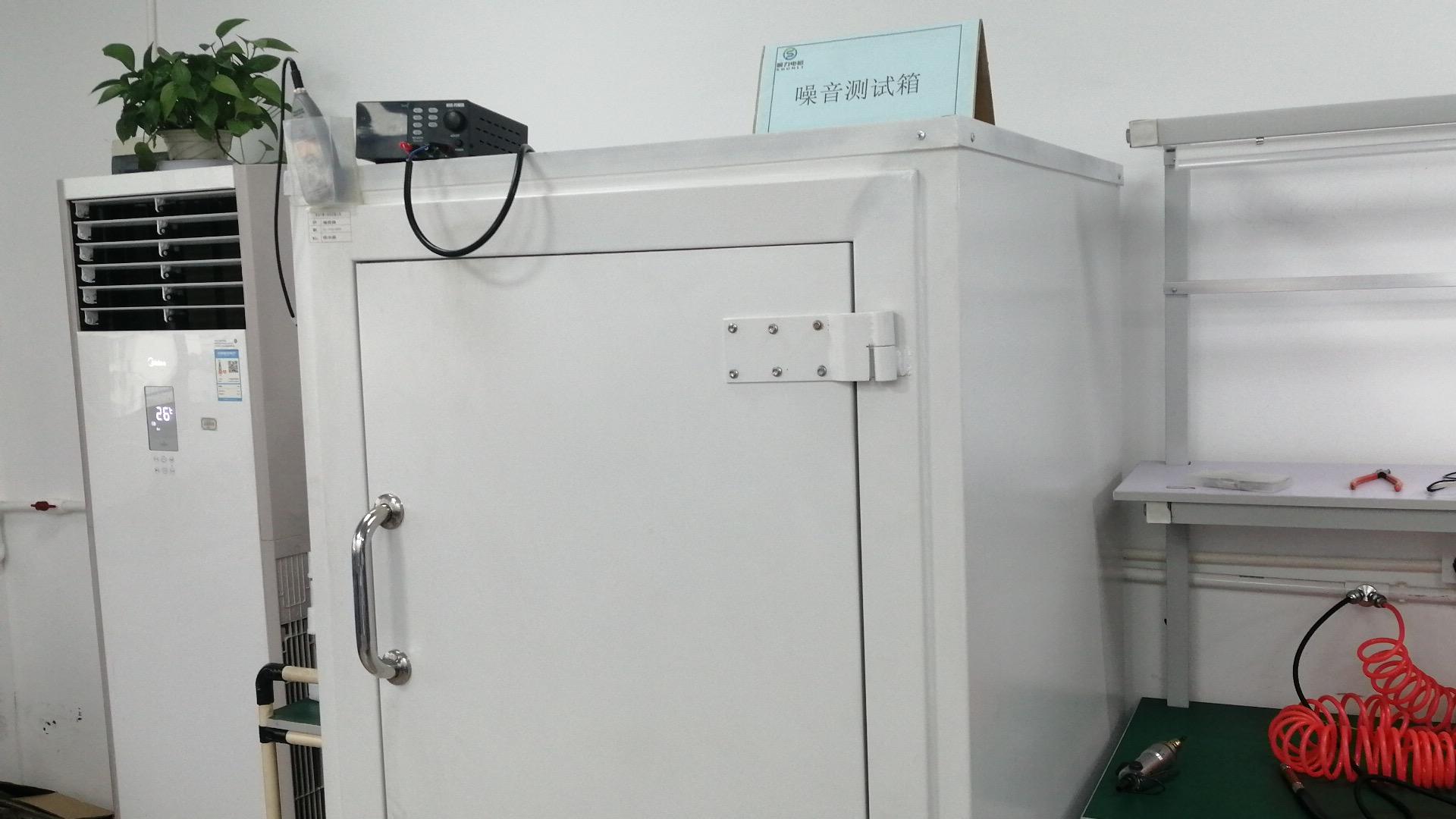
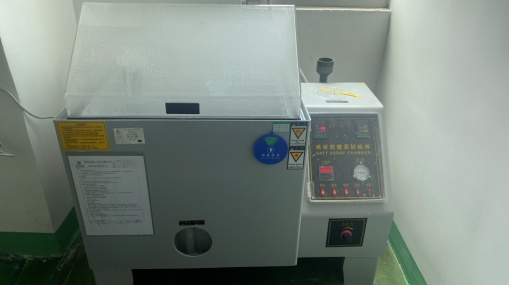
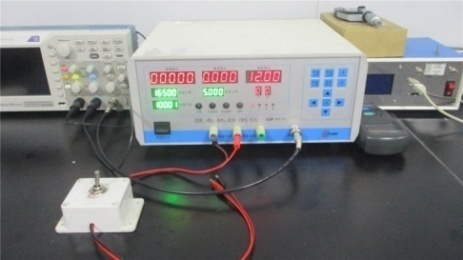
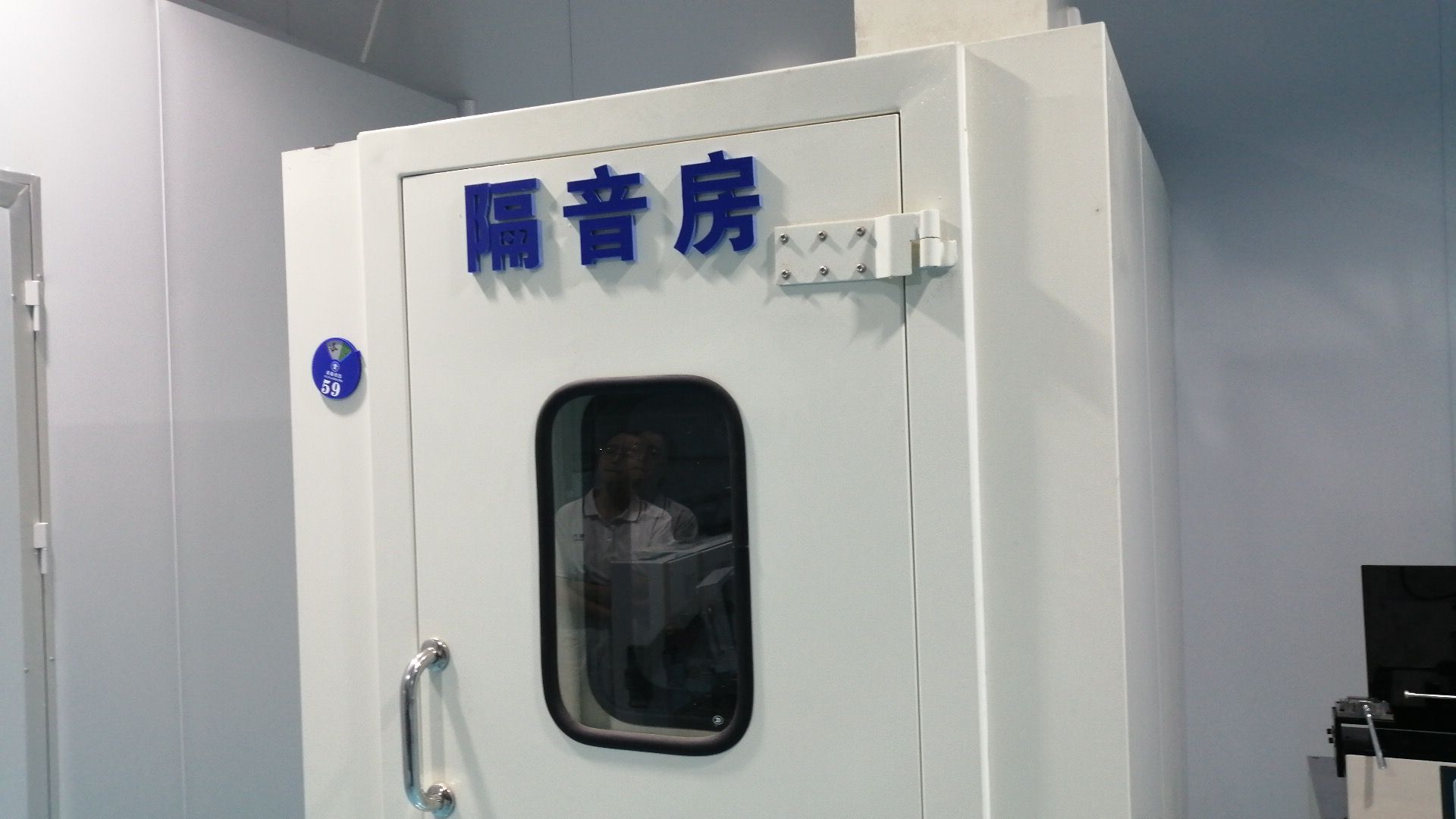
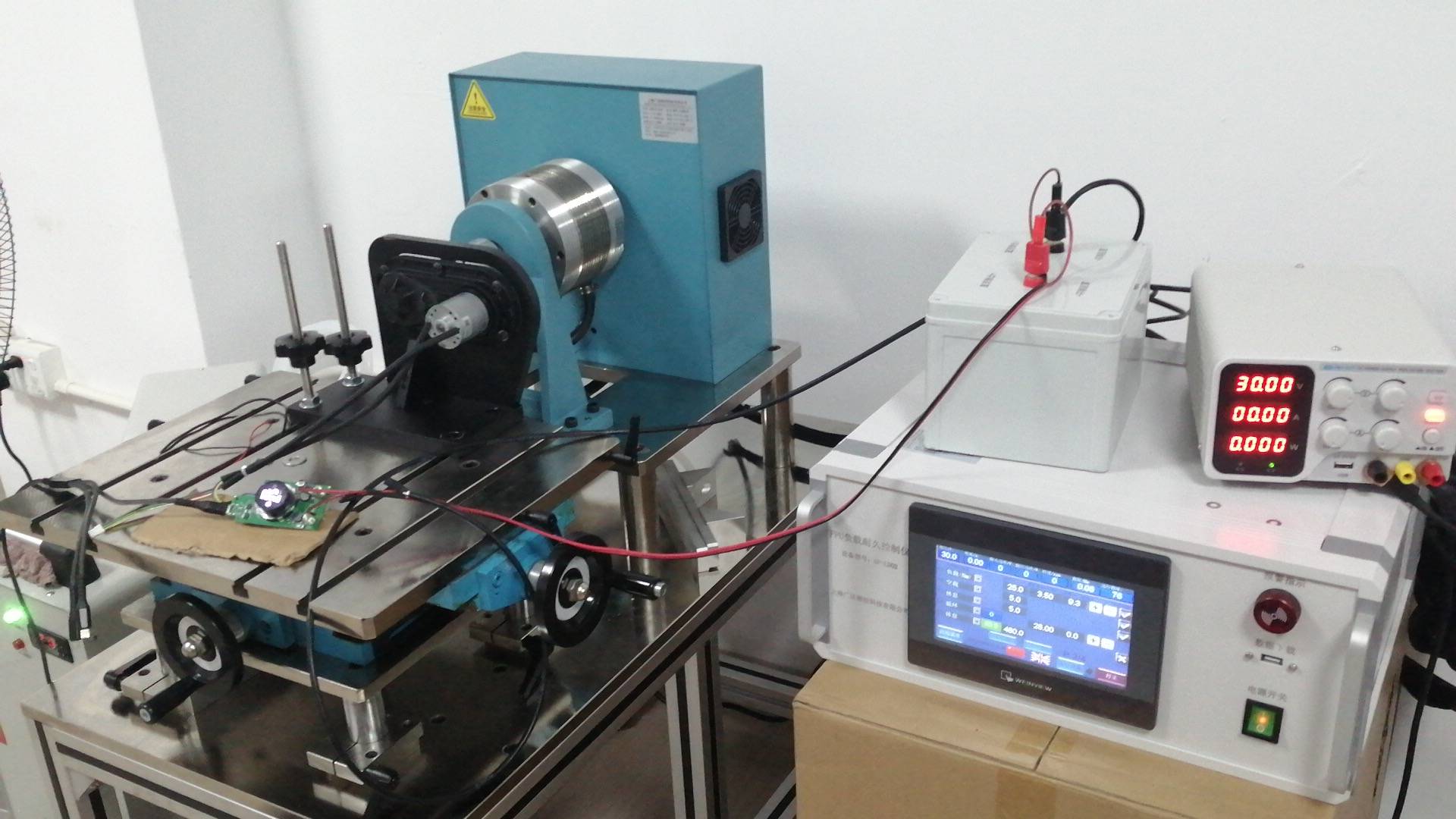
Every motor model goes through rigorous environmental chambers, salt spray resistance chambers, soundproof diagnostic bays, and dynamic dynamometer trials to guarantee predictable lifecycle wear.
How precise micro-engineering dictates structural longevity in demanding applications.
At TorqFlex, we measure our success in micrometers and decibels. We understand that inside a premium robotic joint, a medical dosing pump, or a high-end smart lock, space is the ultimate luxury. Our mission is to pack maximum torque, unyielding durability, and near-silent acoustics into the most compact footprints imaginable.
Our expertise lies in the harmony of miniature engineering. From precision-wound rotors and high-purity copper commutators to custom-designed planetary gearheads, every component inside a TorqFlex micro motor is optimized for low energy consumption and a friction-free lifespan. We constantly push the limits of micro-drive tech, utilizing advanced automated Swiss-style hobbing and Japanese dynamic balancing to ensure that our internal gear trains operate with zero-backlash precision. When the integrity of your high-tech device hangs on repeated mechanical perfection, TorqFlex delivers the silent power that anchors your design.
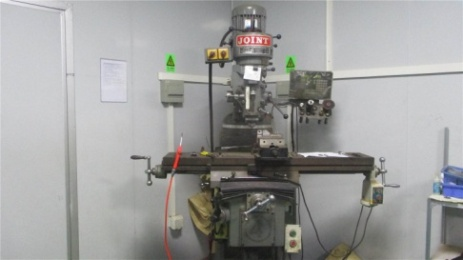
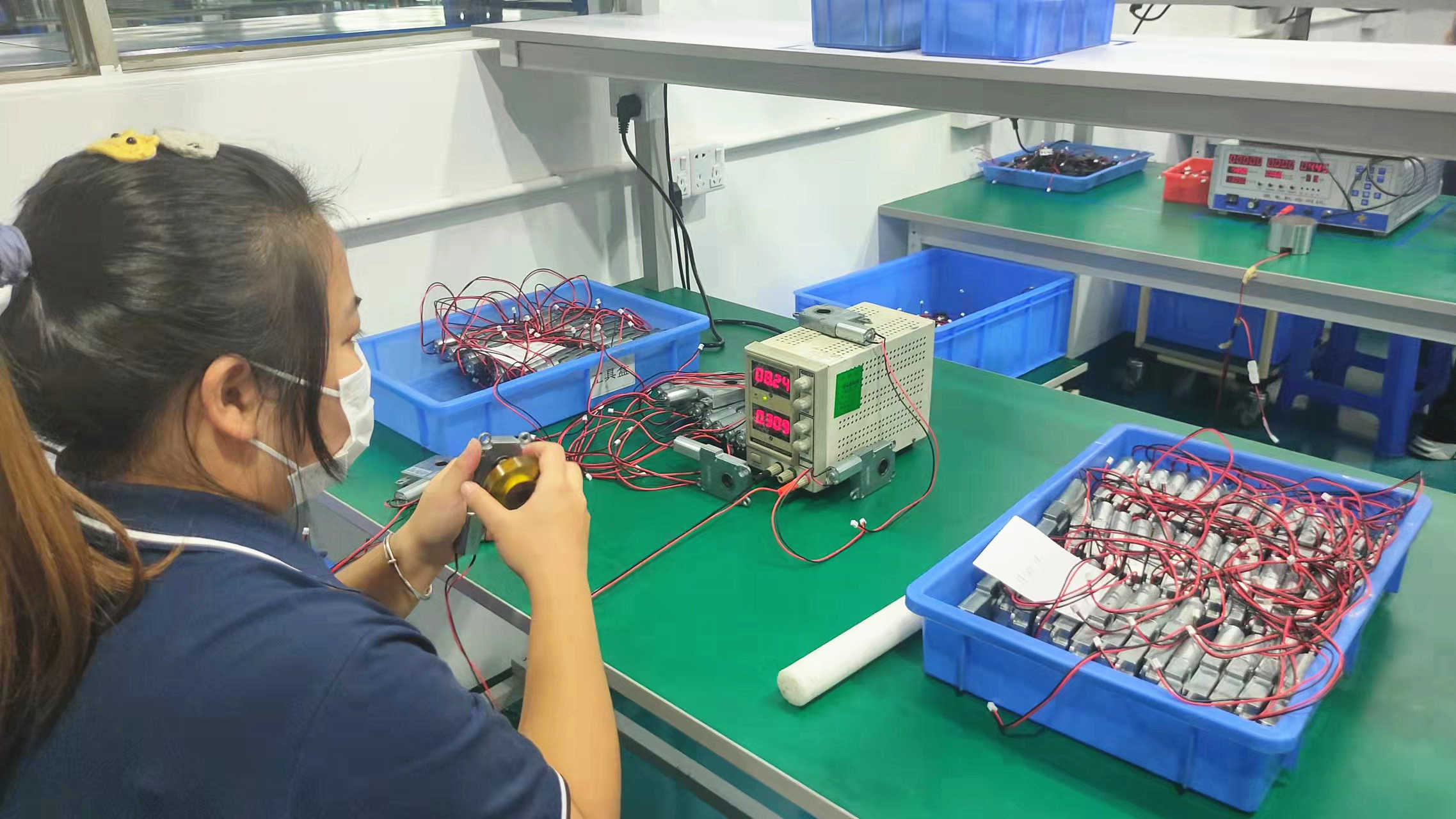
By leveraging advanced machinery, we minimize variance in winding geometries and magnetic core alignments. Standard motors often suffer from high thermal losses and brush chatter under continuous loads, but our design tolerances prevent these issues. Our motors undergo continuous testing through every processing phase—from raw materials to final packaging. Through this disciplined manufacturing approach, we provide solutions that fit easily into the tightest envelopes of current industrial and clinical systems.
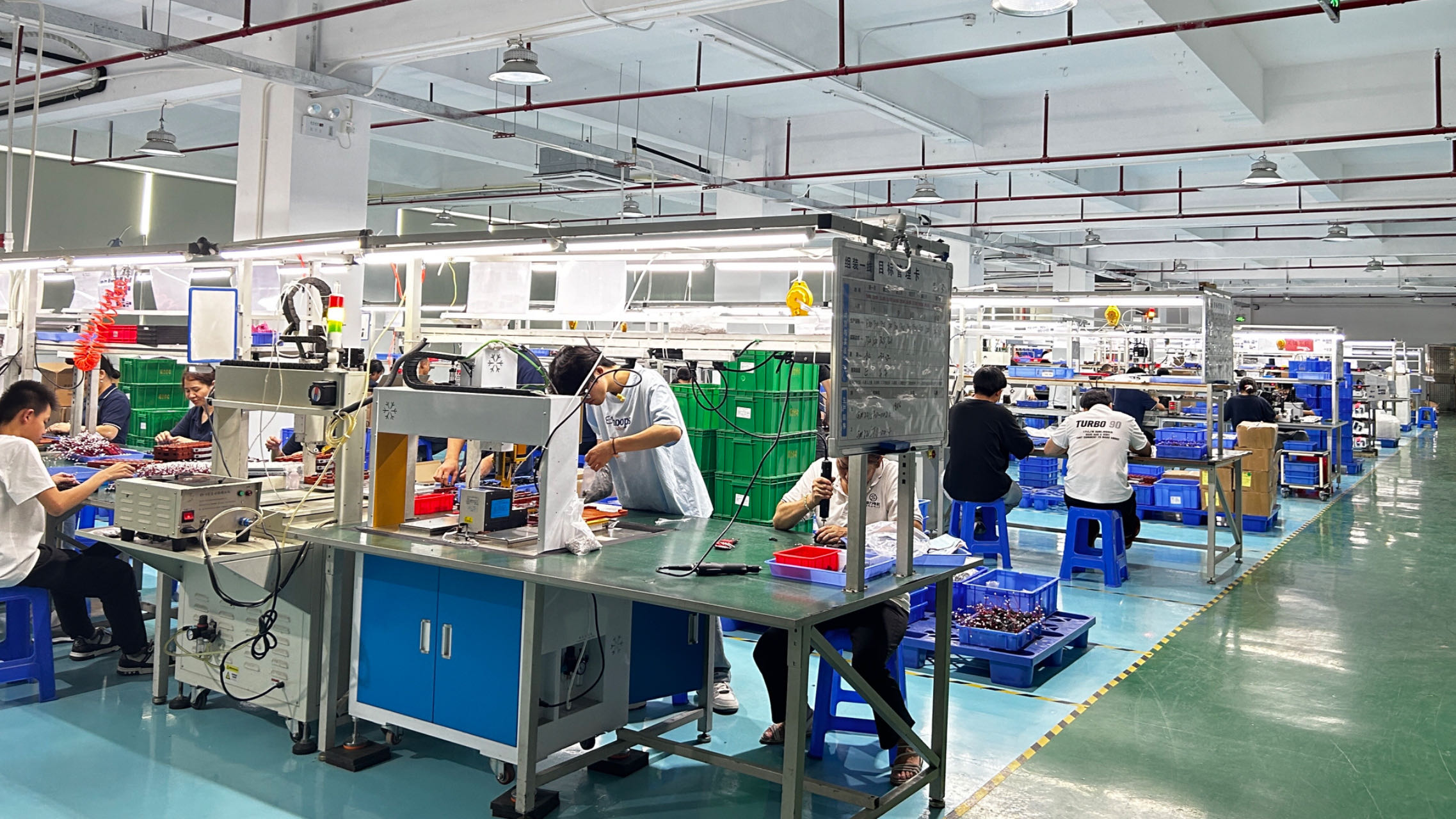
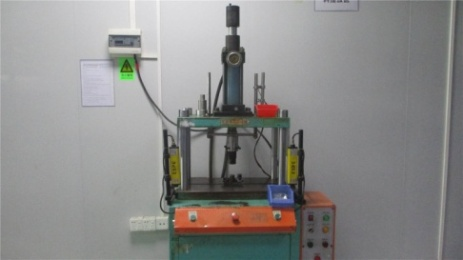
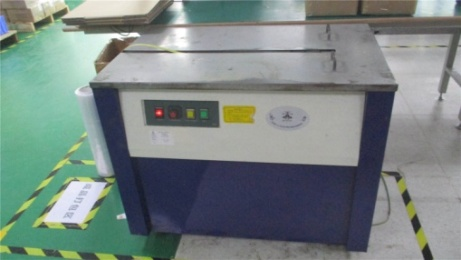
Meticulous step-by-step assembly protocol ensuring complete product reliability.

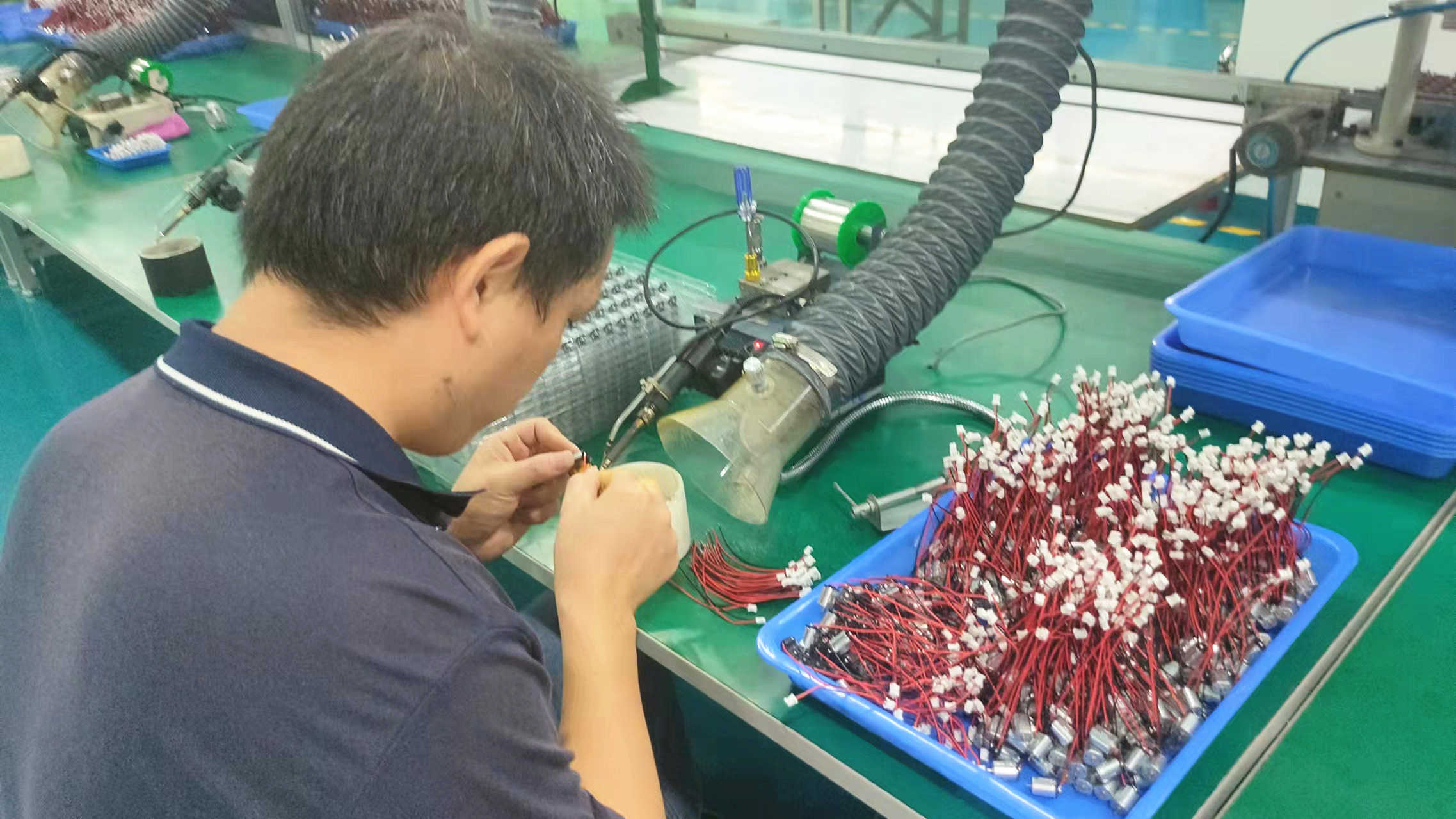
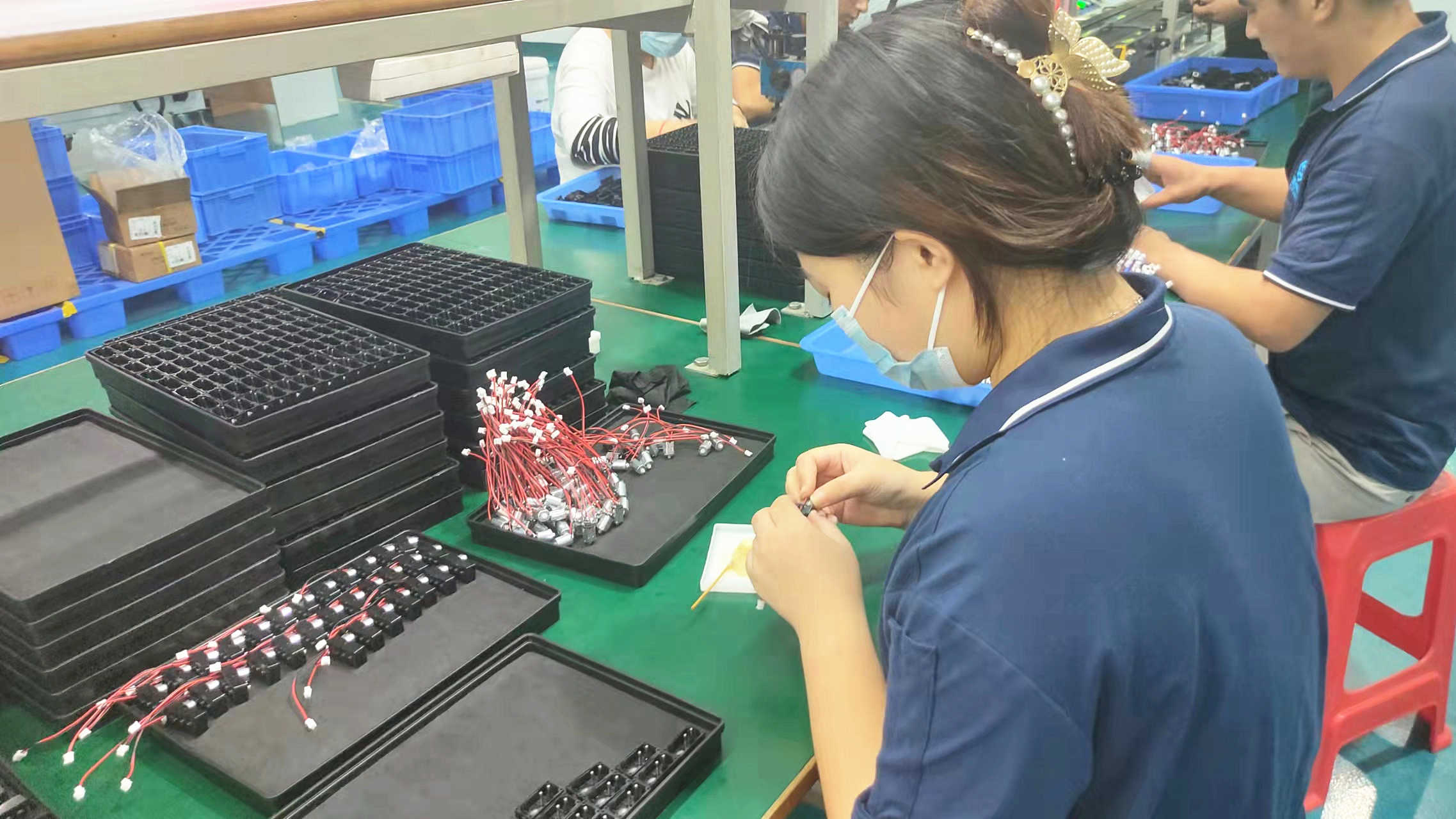
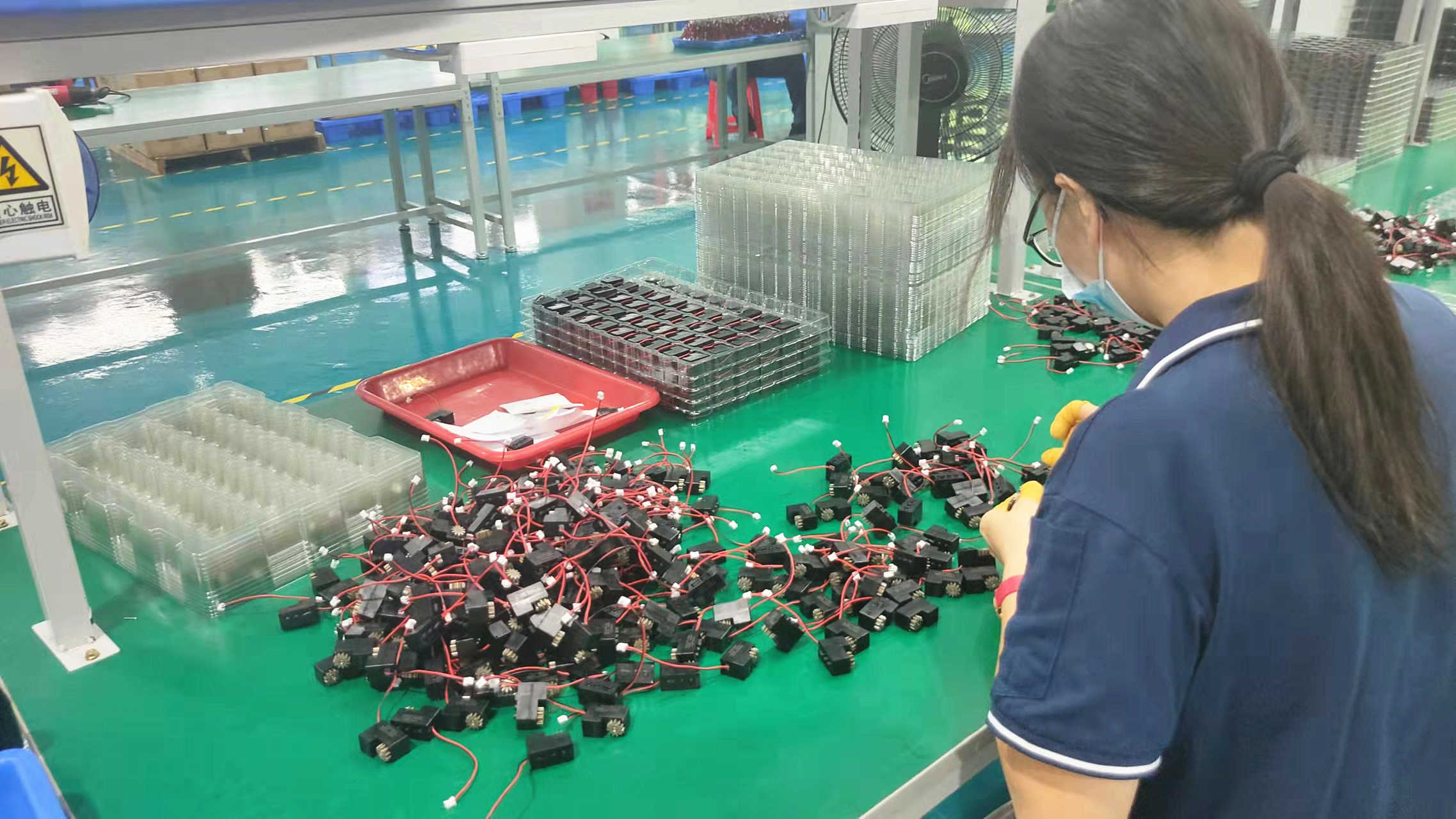
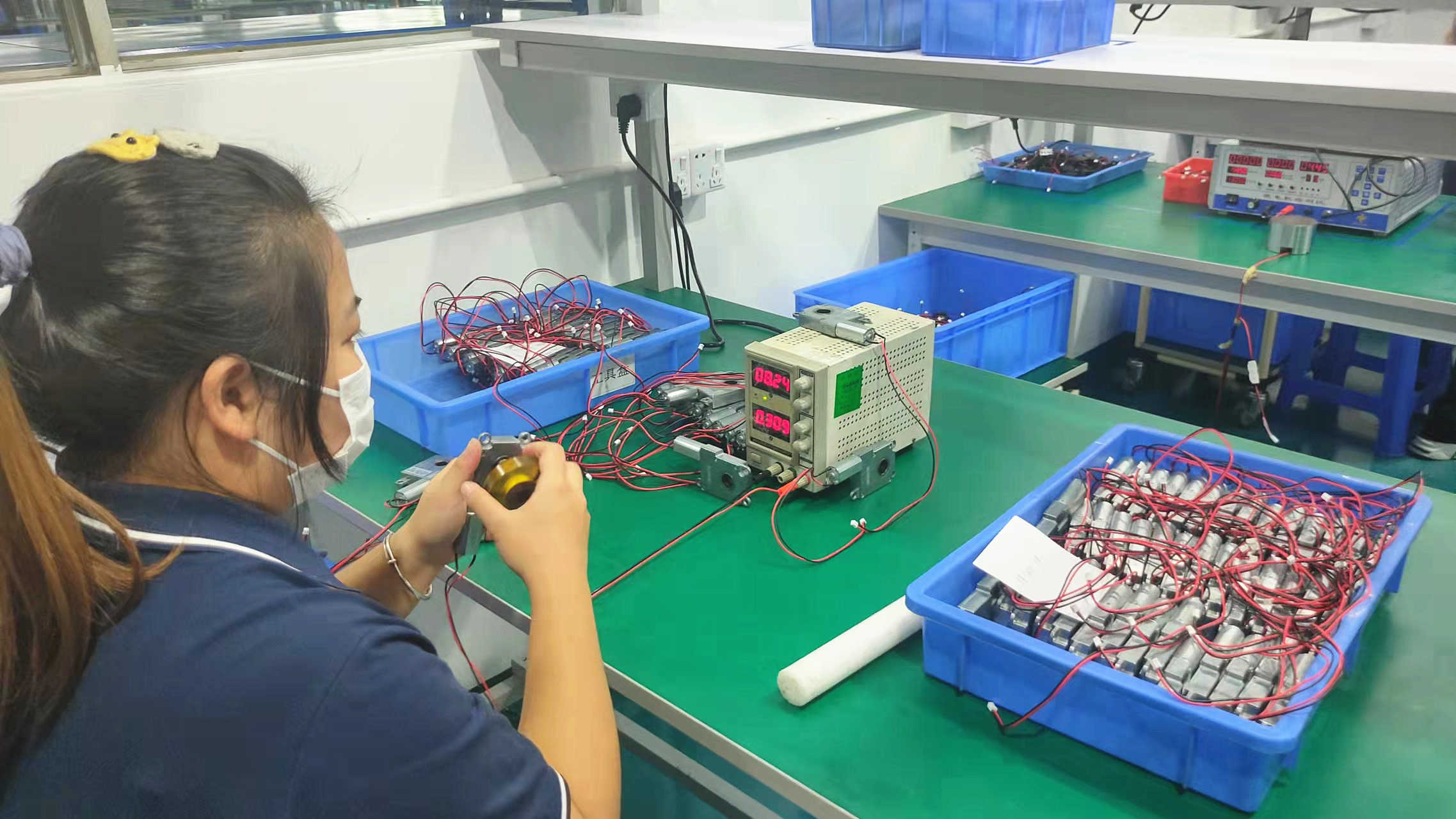
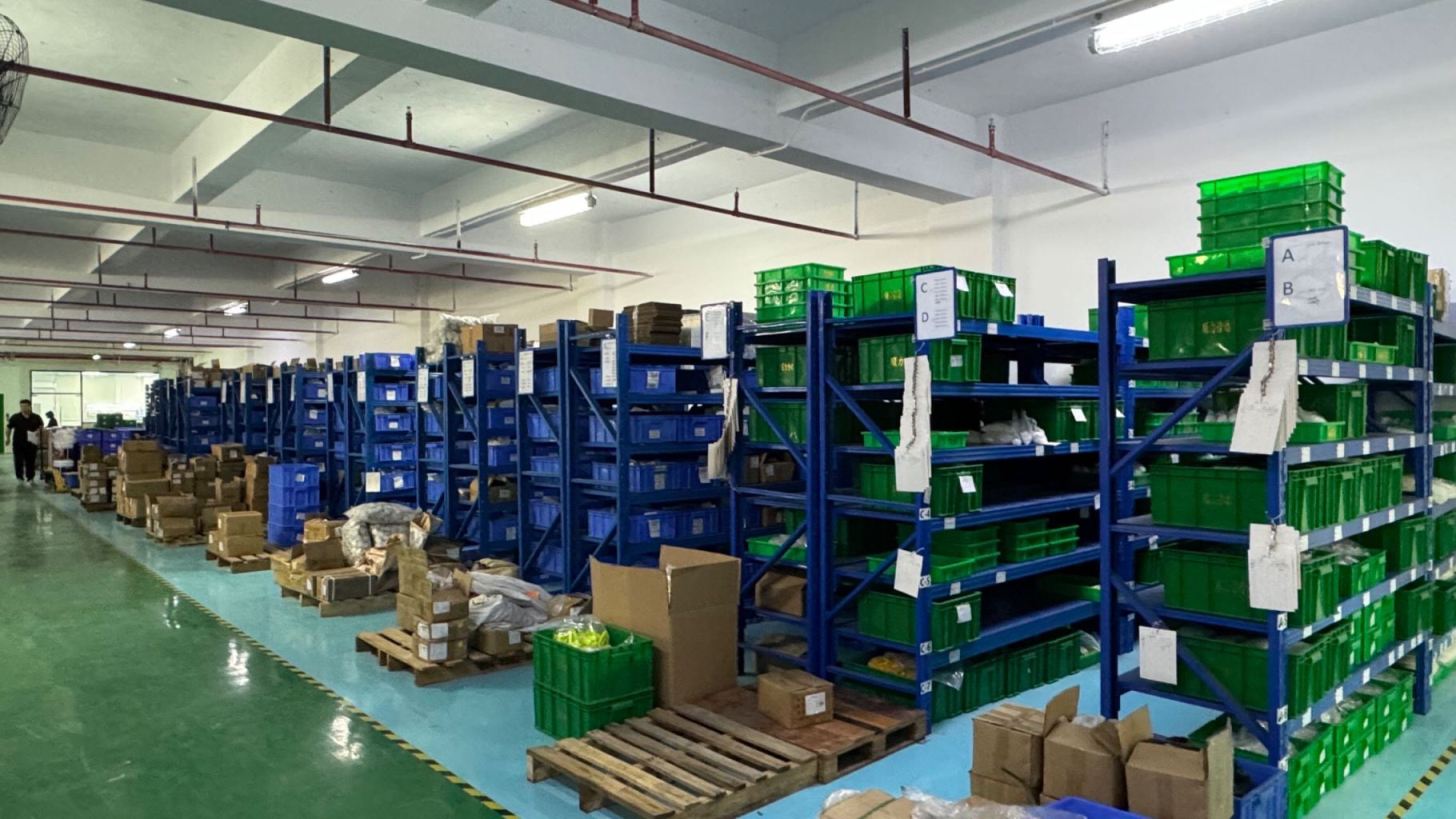
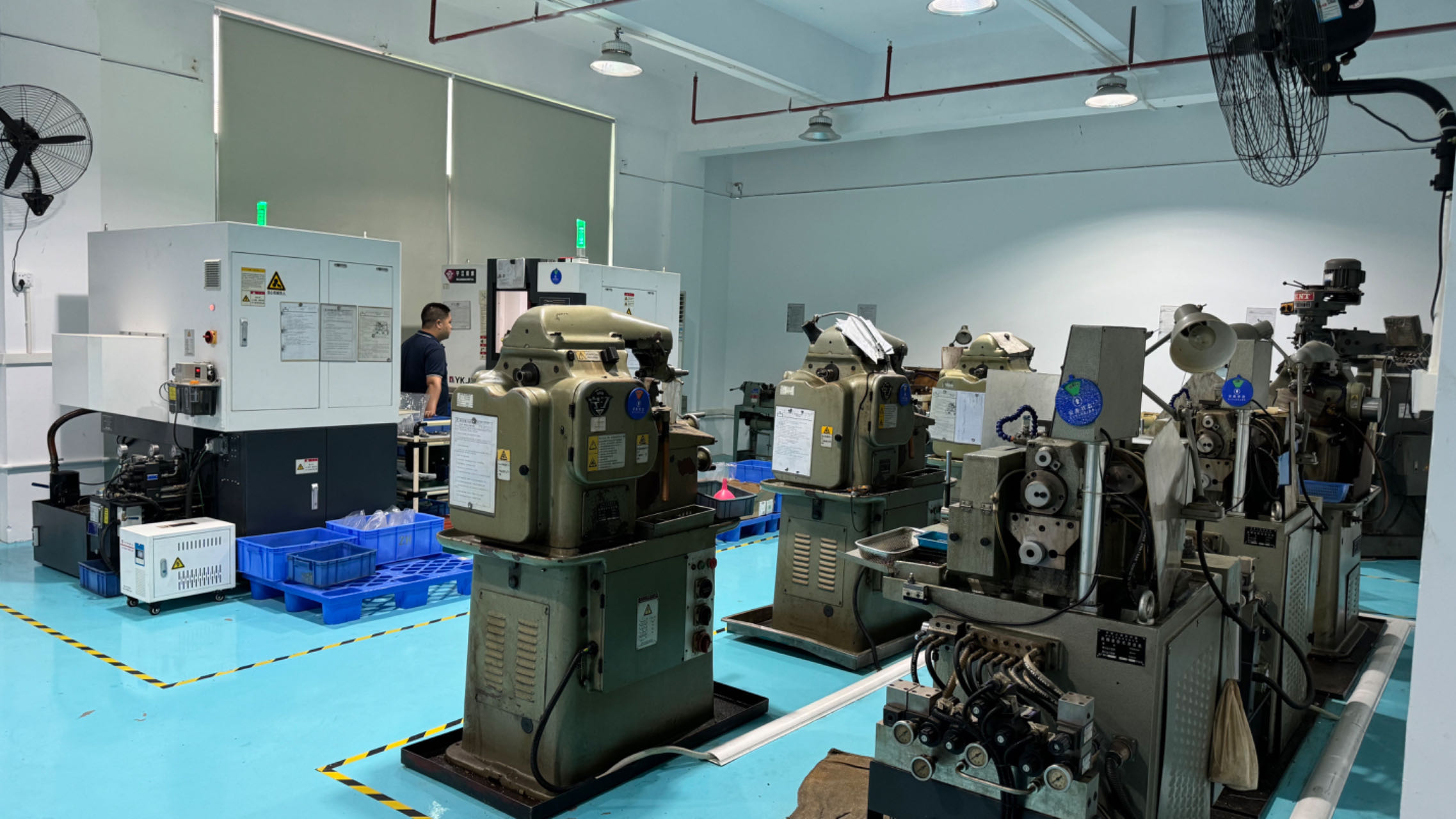
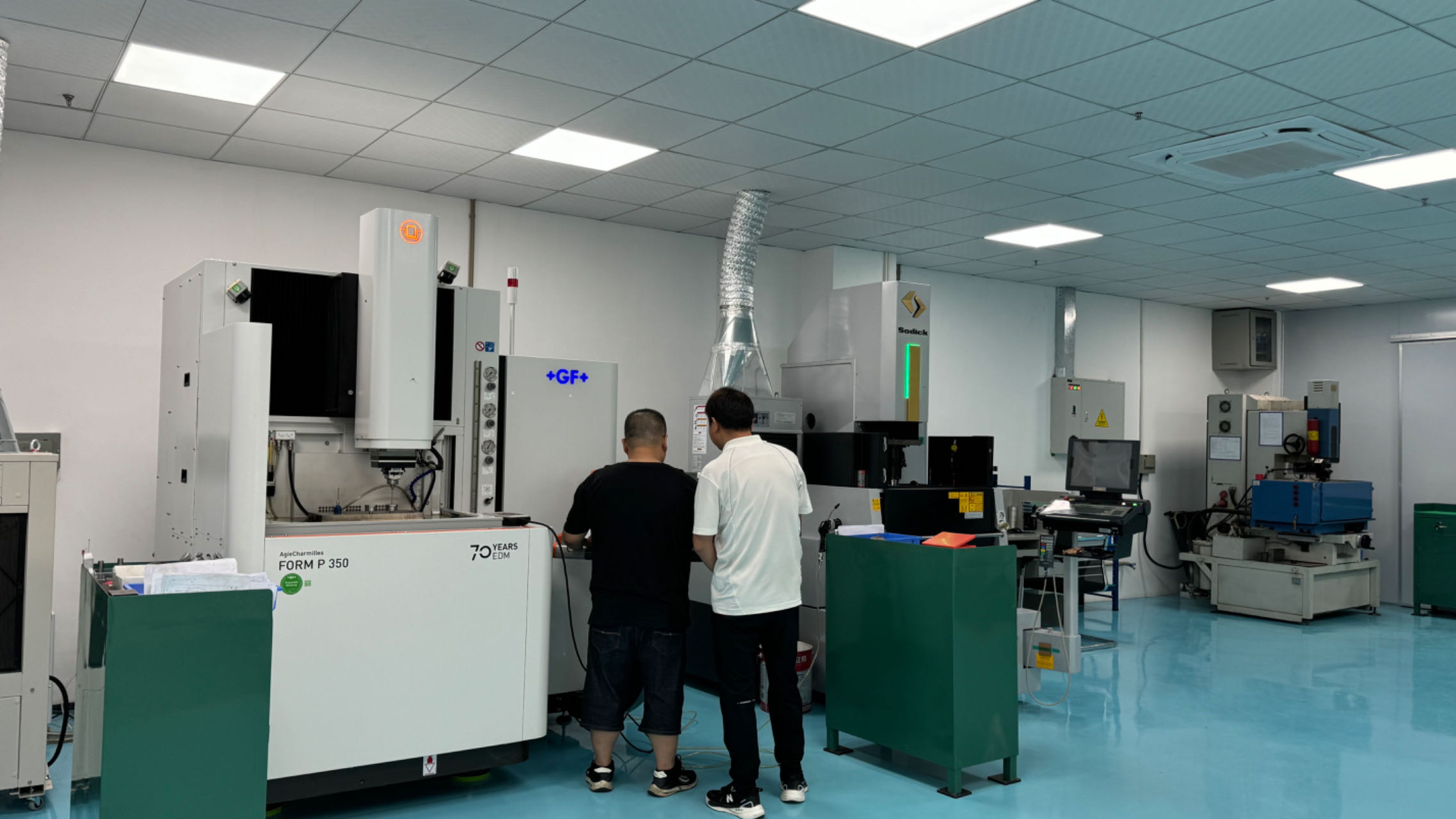
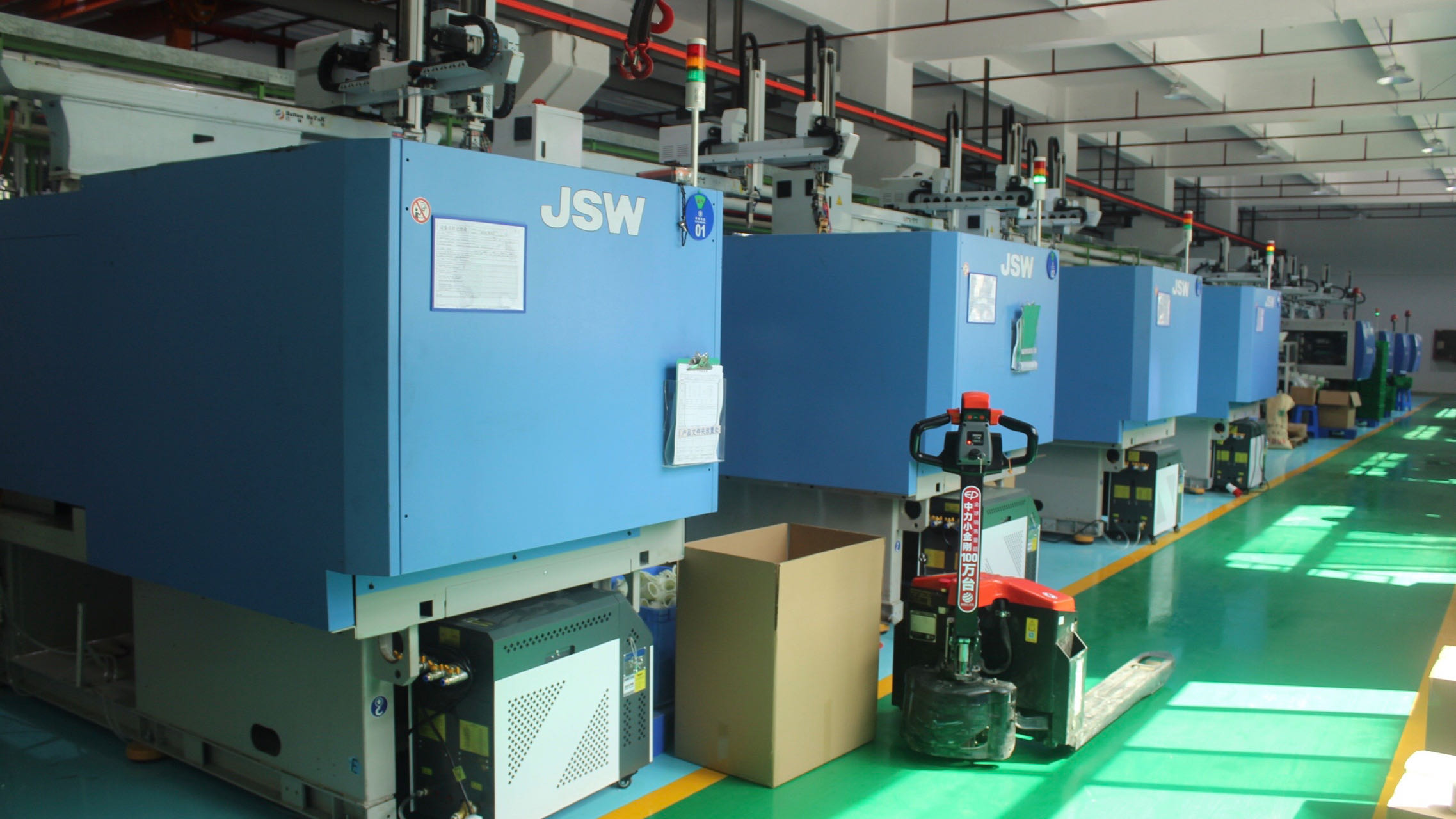
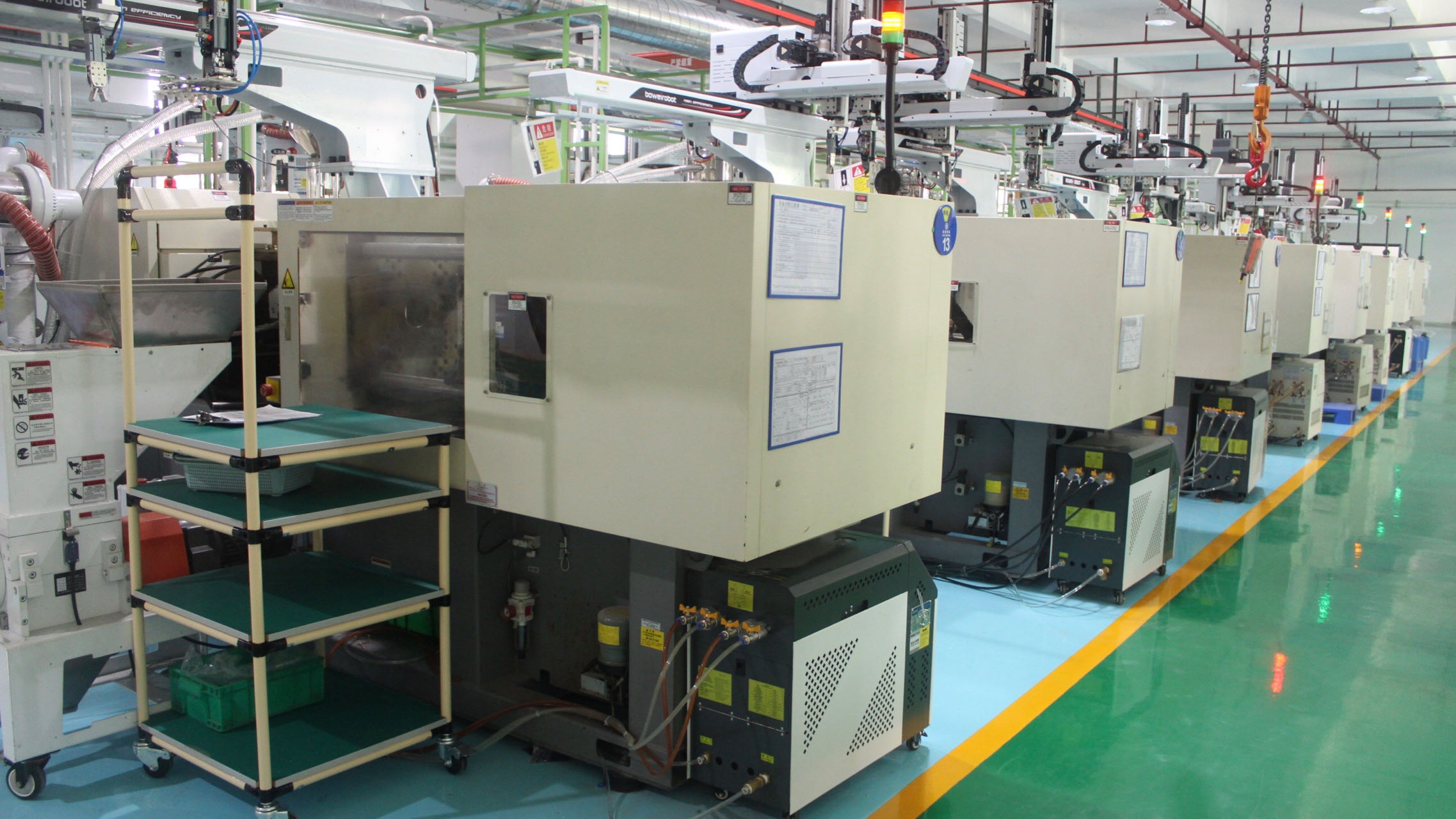
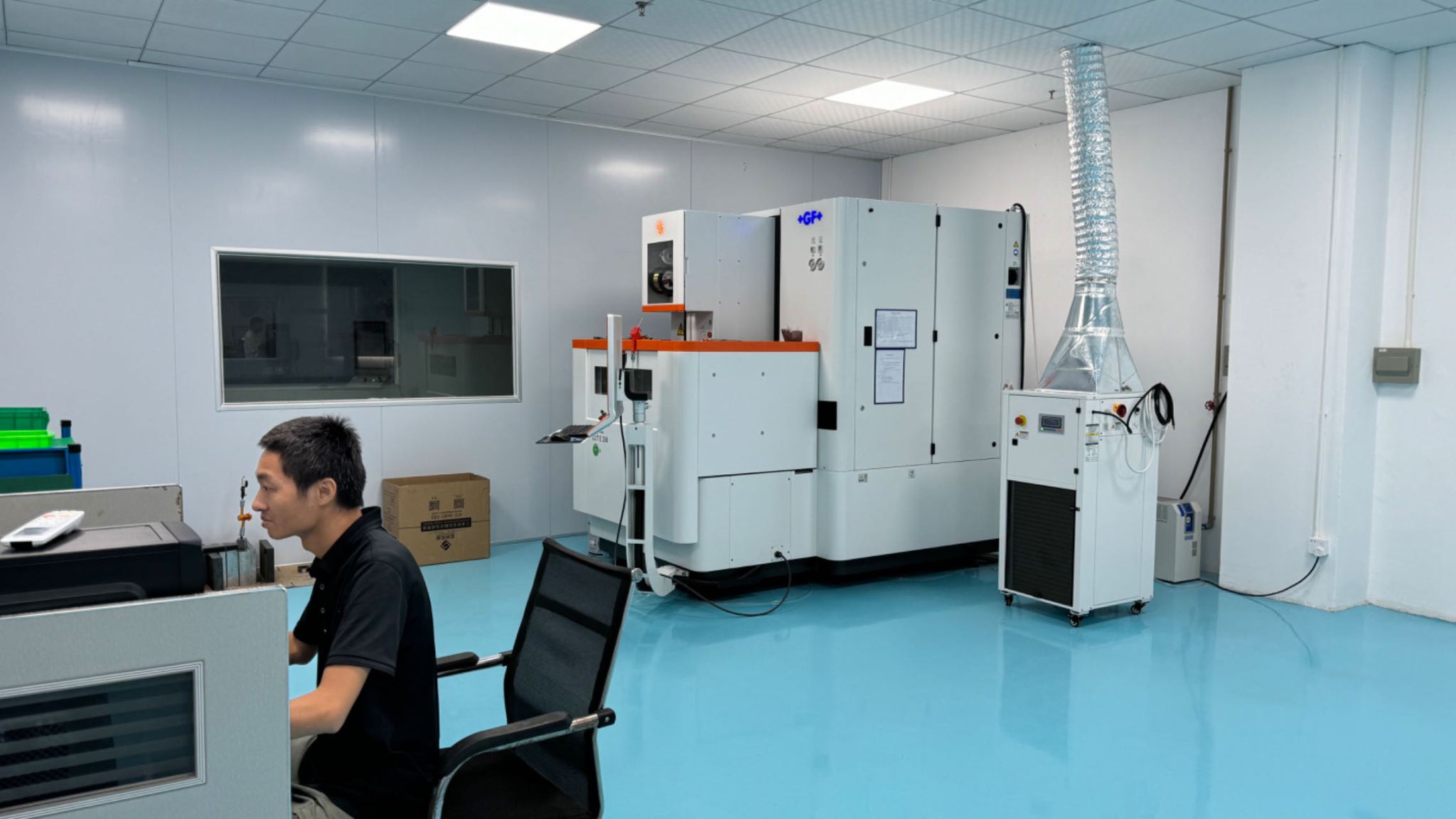
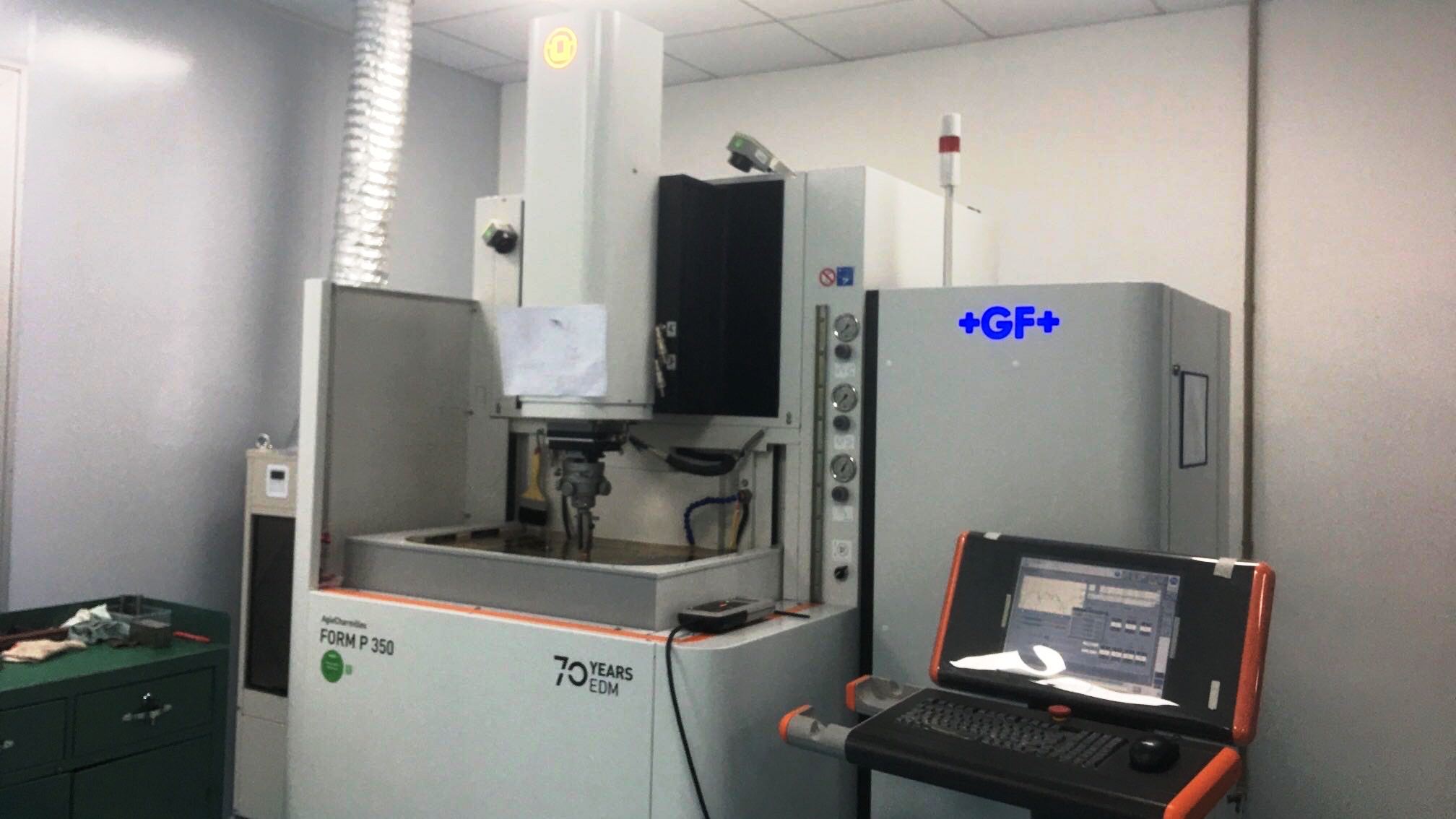
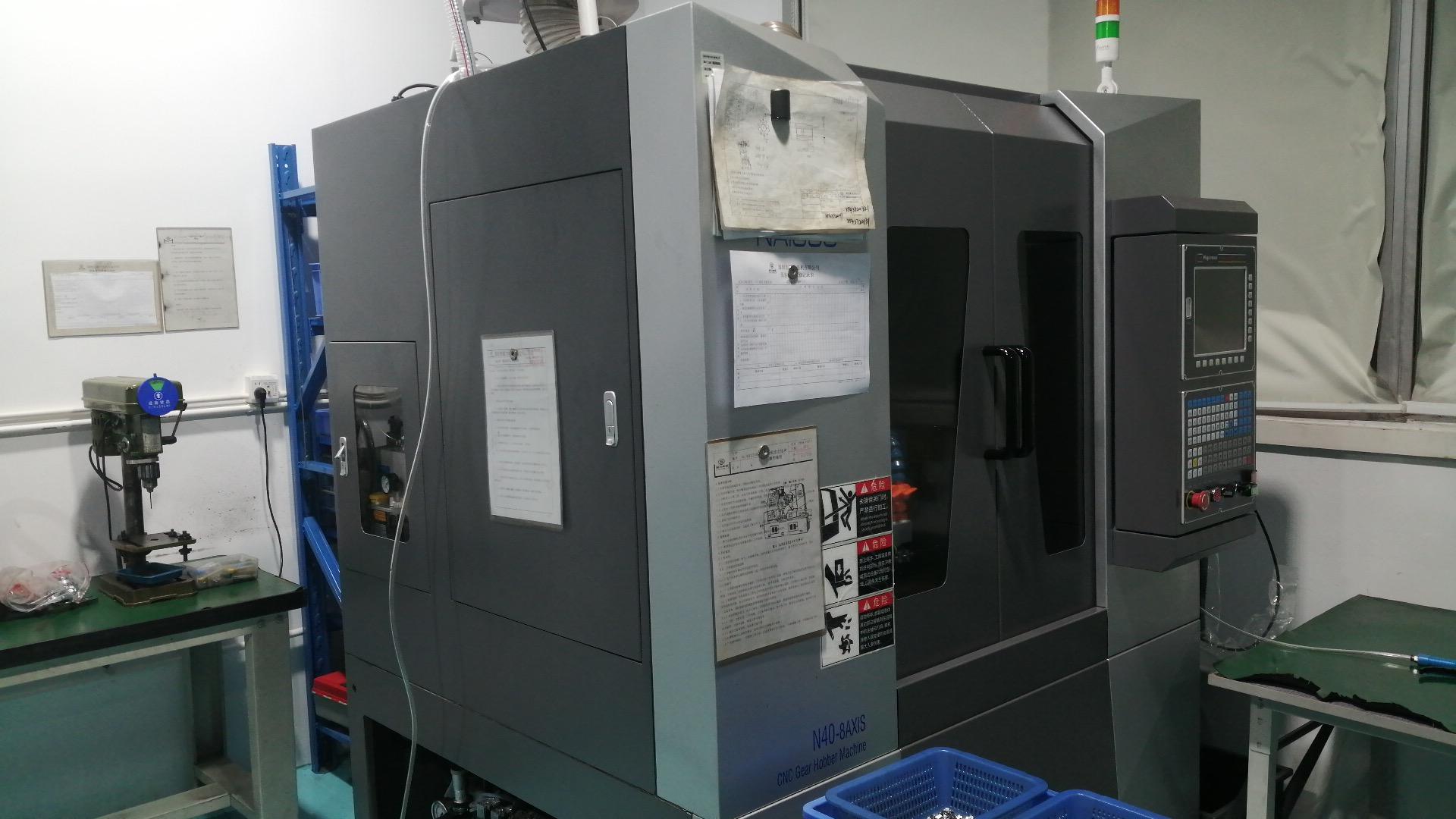
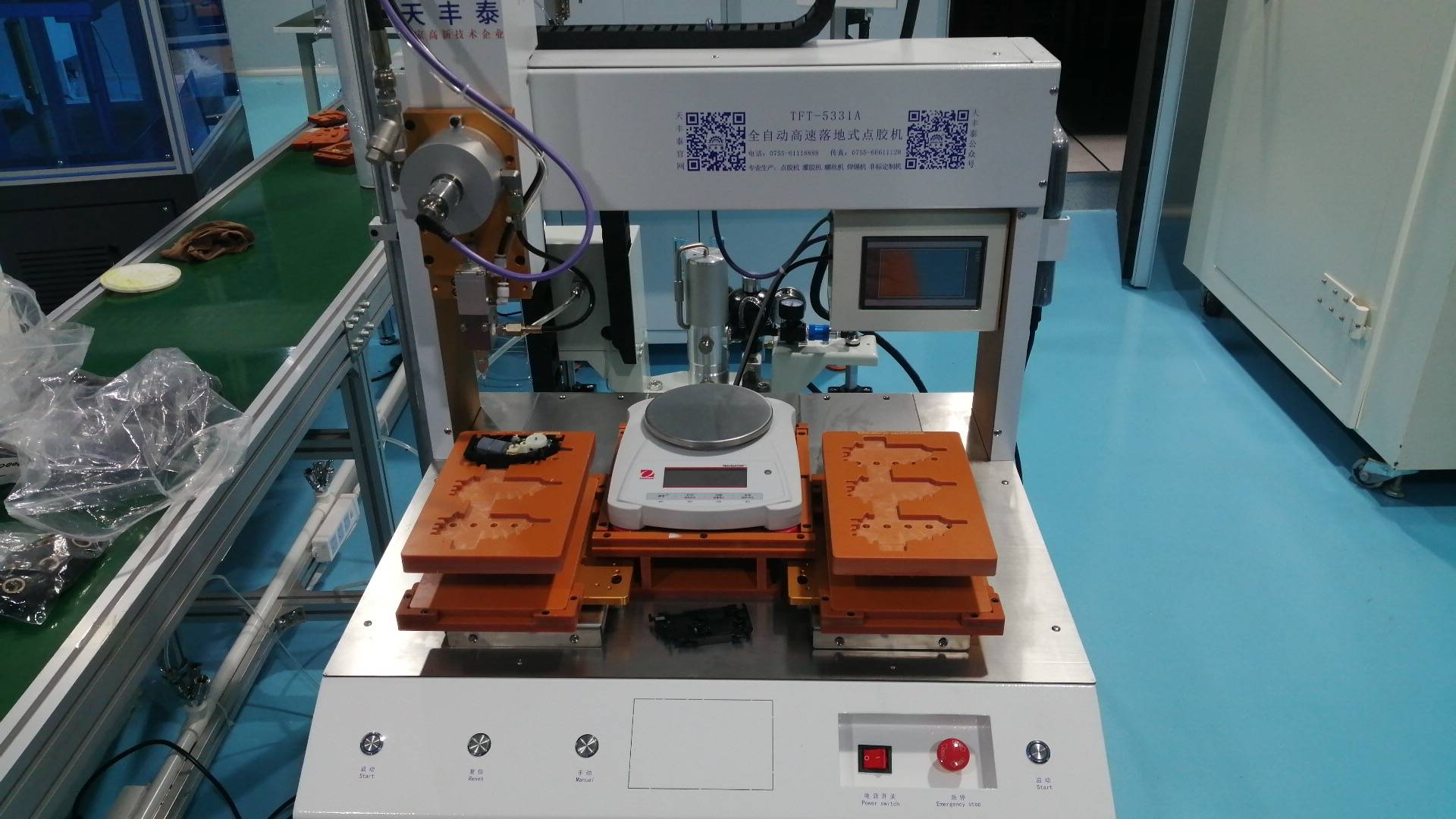
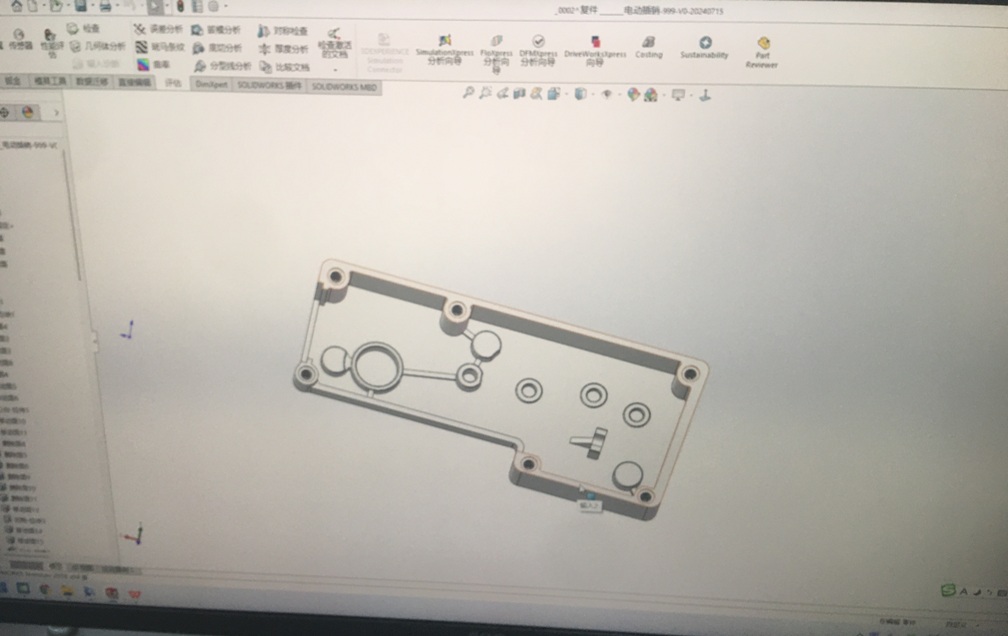
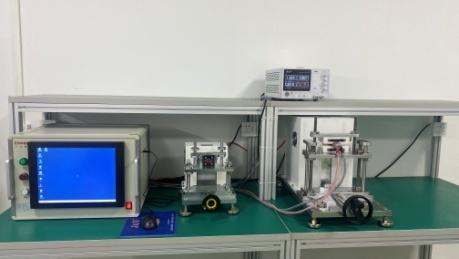
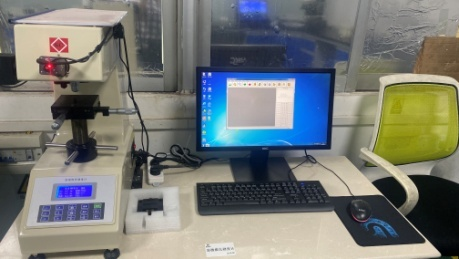
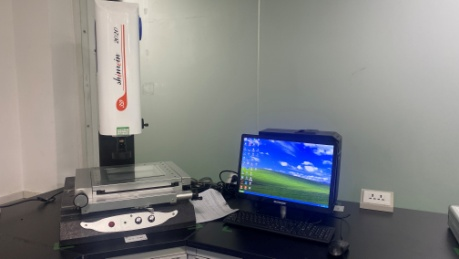
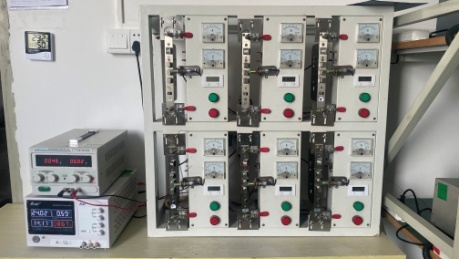
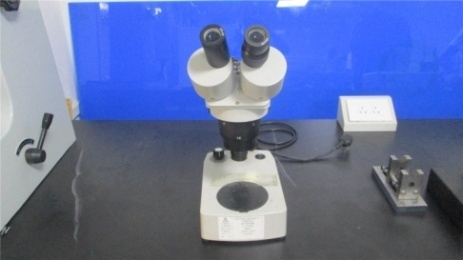
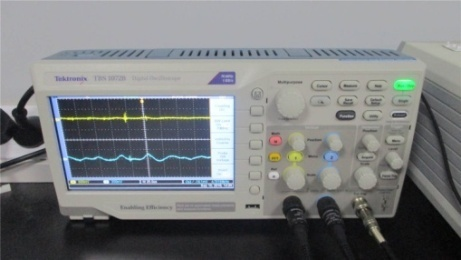
A comprehensive inventory of state-of-the-art precision machinery and analytical instruments.
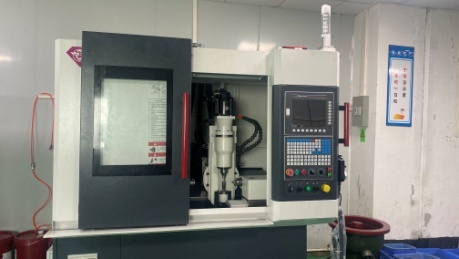
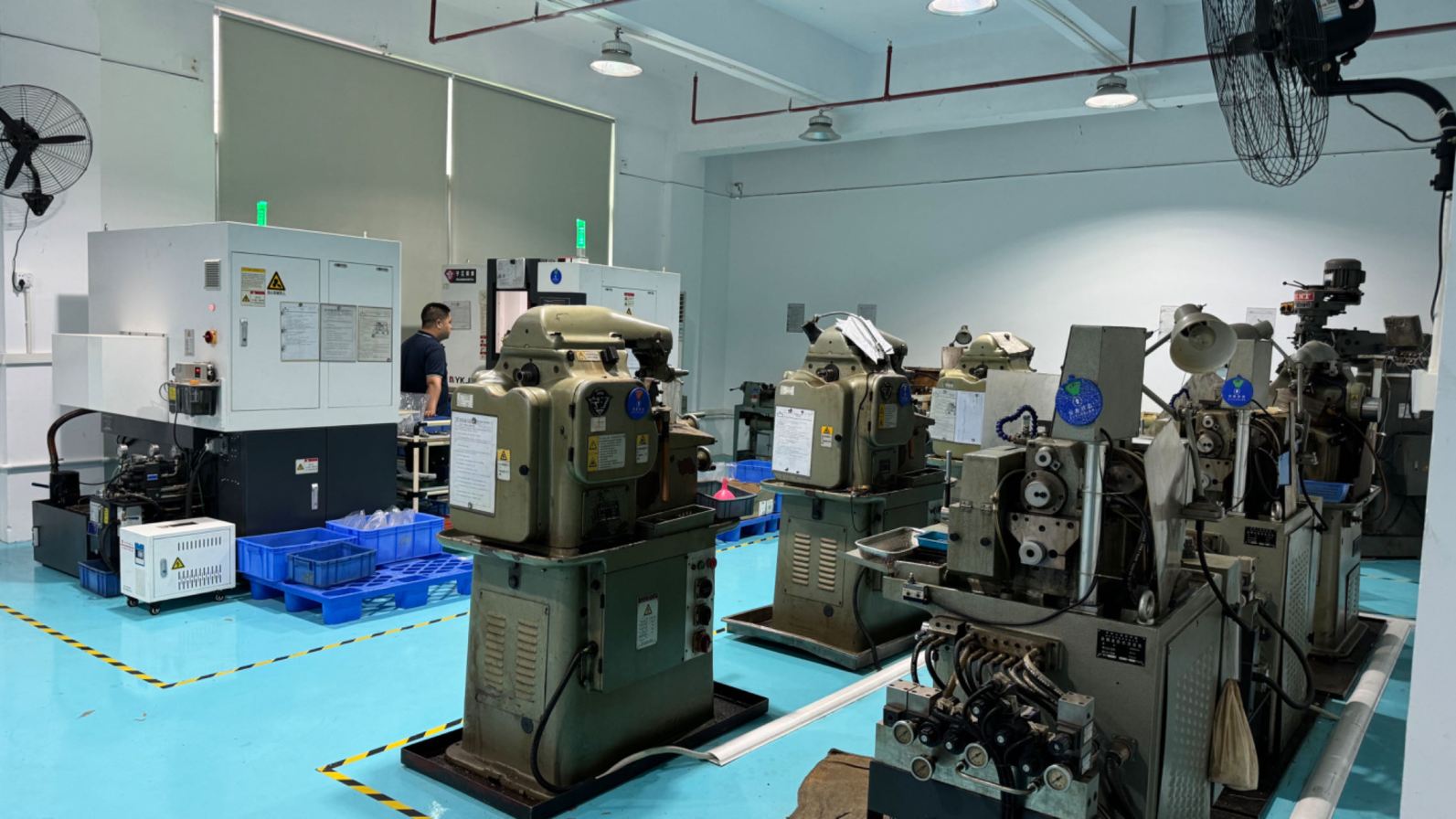
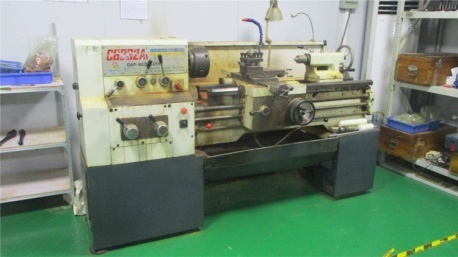
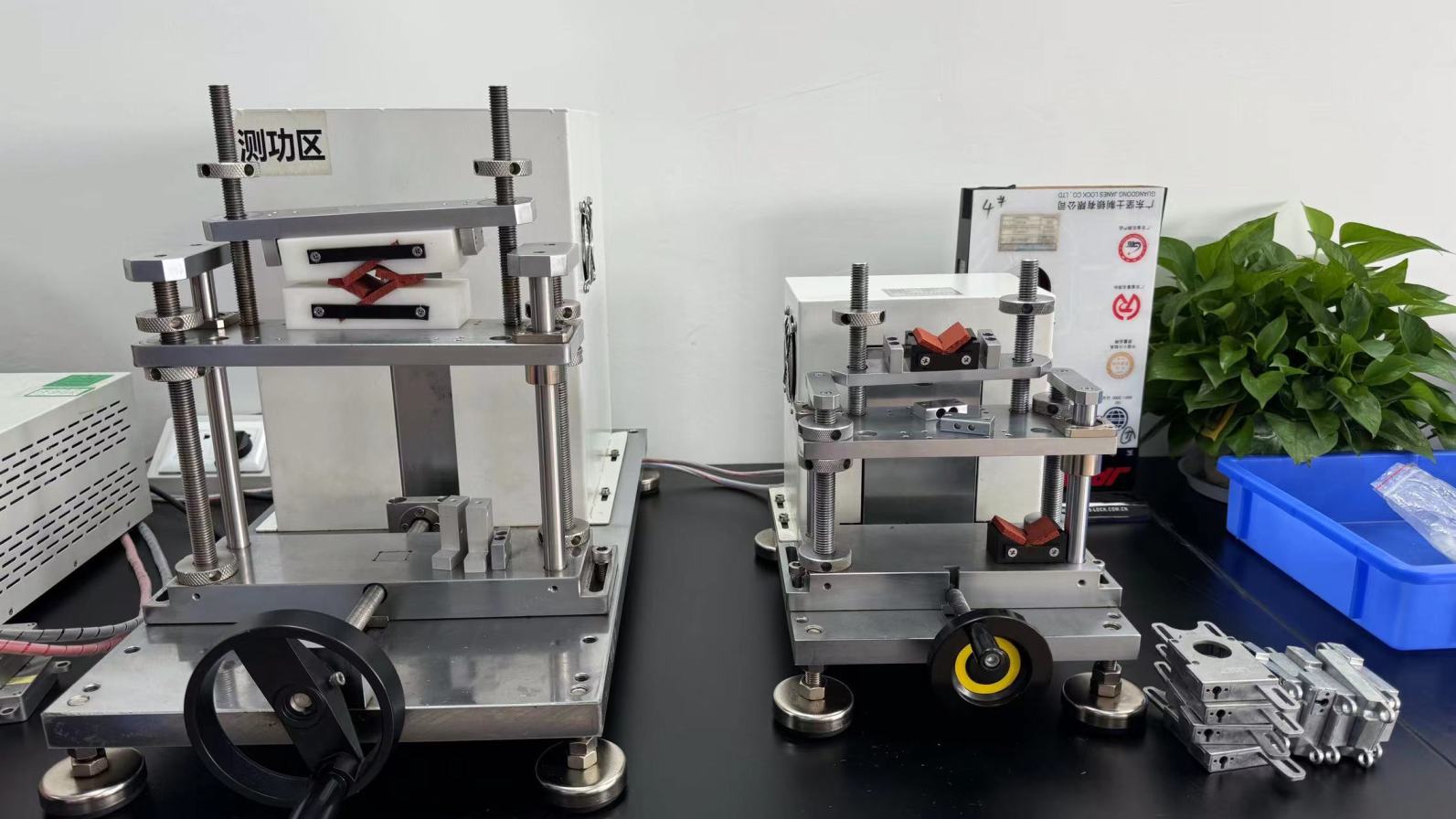
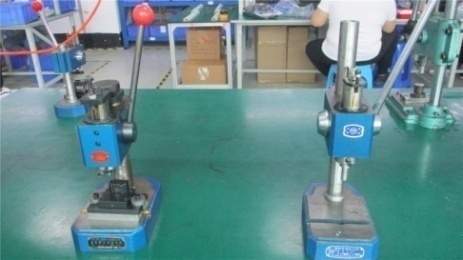
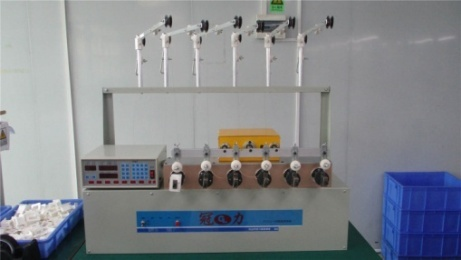
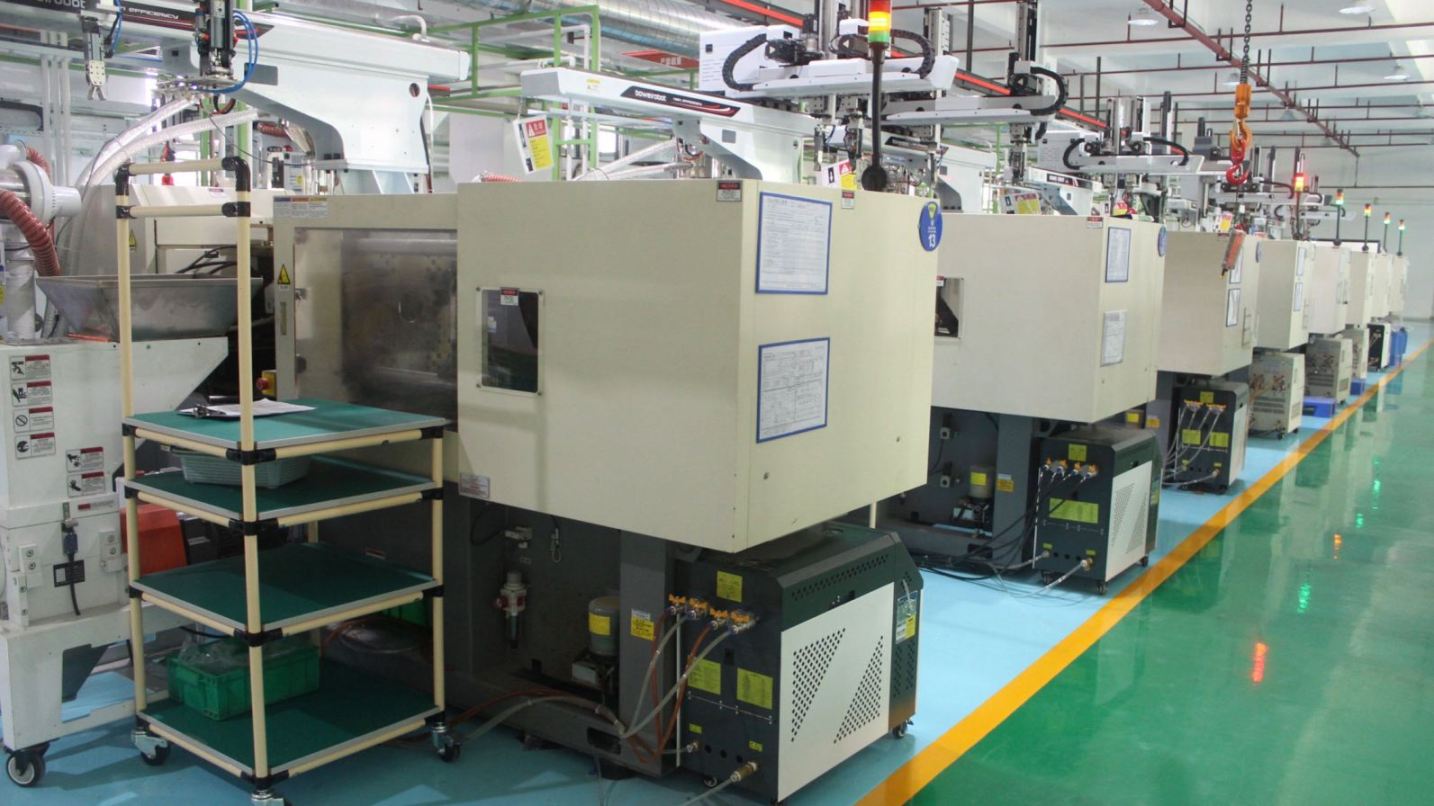
From micro-medical pumps to robust agricultural and robotics drive chains.
Precision DC geared motors are critical components in modern automated systems, bridging the gap between digital processing and real-world mechanical action. A standard micro-motor cannot perform reliably without carefully optimized internal components. By targeting specific mechanical constraints in key industries, we design drives that optimize system uptime and performance.
Modern surgical robotics and assistive wearable exoskeletons require dynamic torque in compact spaces. Using integrated precision encoders, our high-torque gear motors deliver precise feedback loops for complex coordinate adjustments.
Micro peristaltic pumps and lab diagnostic instruments rely on exact angular position controls. Our customized DC stepper and gear systems offer consistent, pulse-free fluid delivery with minimal vibration.
Residential and commercial smart lock applications require reliable, compact, low-rpm drives that generate high torque to slide physical deadbolts. Our specialized patent motors deliver high reliability and low standby power draw.
Additionally, rugged outdoor systems like industrial mixers, wipers, agricultural automation equipment, and security cameras require robust environmental protection. Our gearmotors use advanced seals and high-temperature grease to resist moisture, dirt, and ambient temperature swings, preventing early bearing failures and motor lockups.
Expert answers addressing the key mechanical, electrical, and commercial parameters of industrial gearmotors.
Premium planetary drive sets, heavy-duty worm drives, and micro-toy motors optimized for global industries.
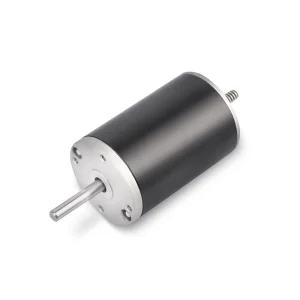
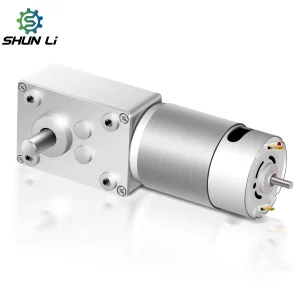
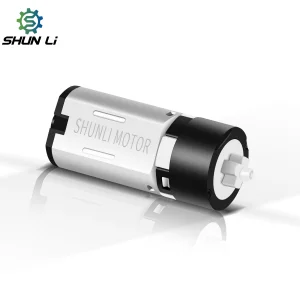
 TorqFlex Motor