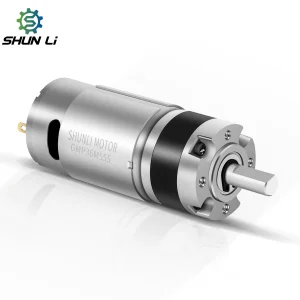
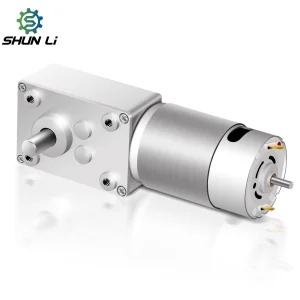
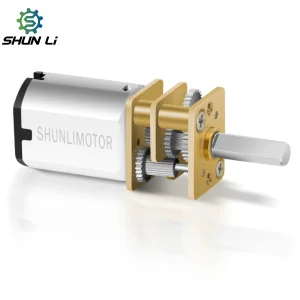
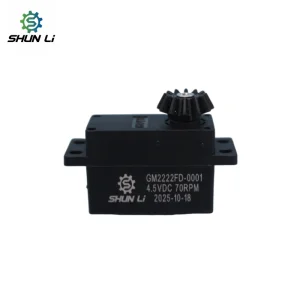
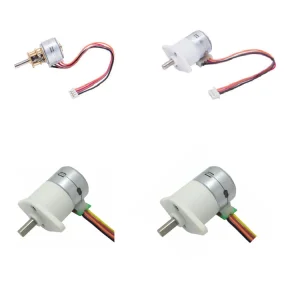
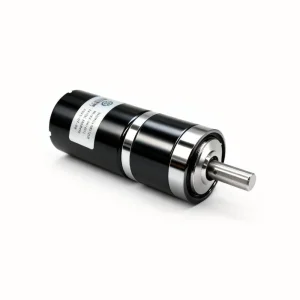
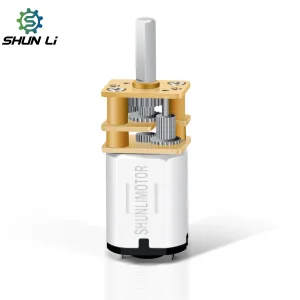
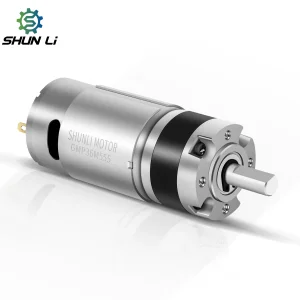
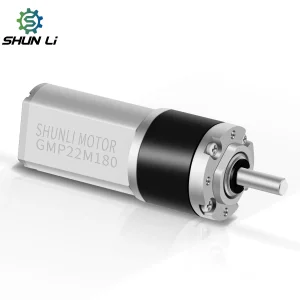
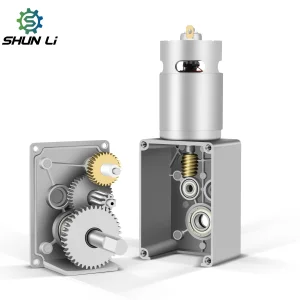
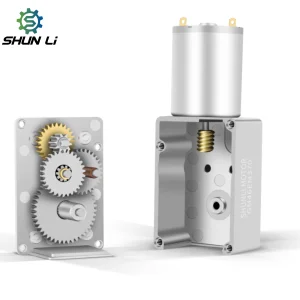
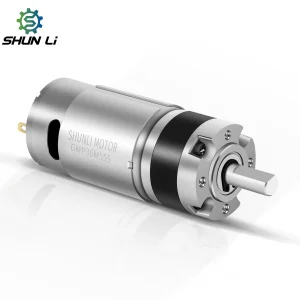
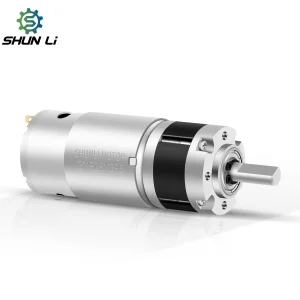
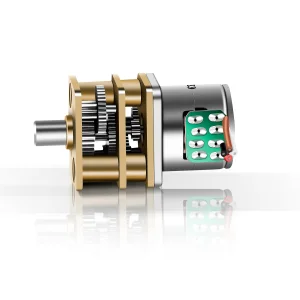
Explore our core high-torque micro planetary gearmotors and custom drive configurations designed for commercial, medical, and industrial automation.
At TorqFlex, we measure our success in micrometers and decibels. We understand that inside a premium robotic joint, a medical dosing pump, or a high-end smart lock, space is the ultimate luxury. Our mission is to pack maximum torque, unyielding durability, and near-silent acoustics into the most compact footprints imaginable.
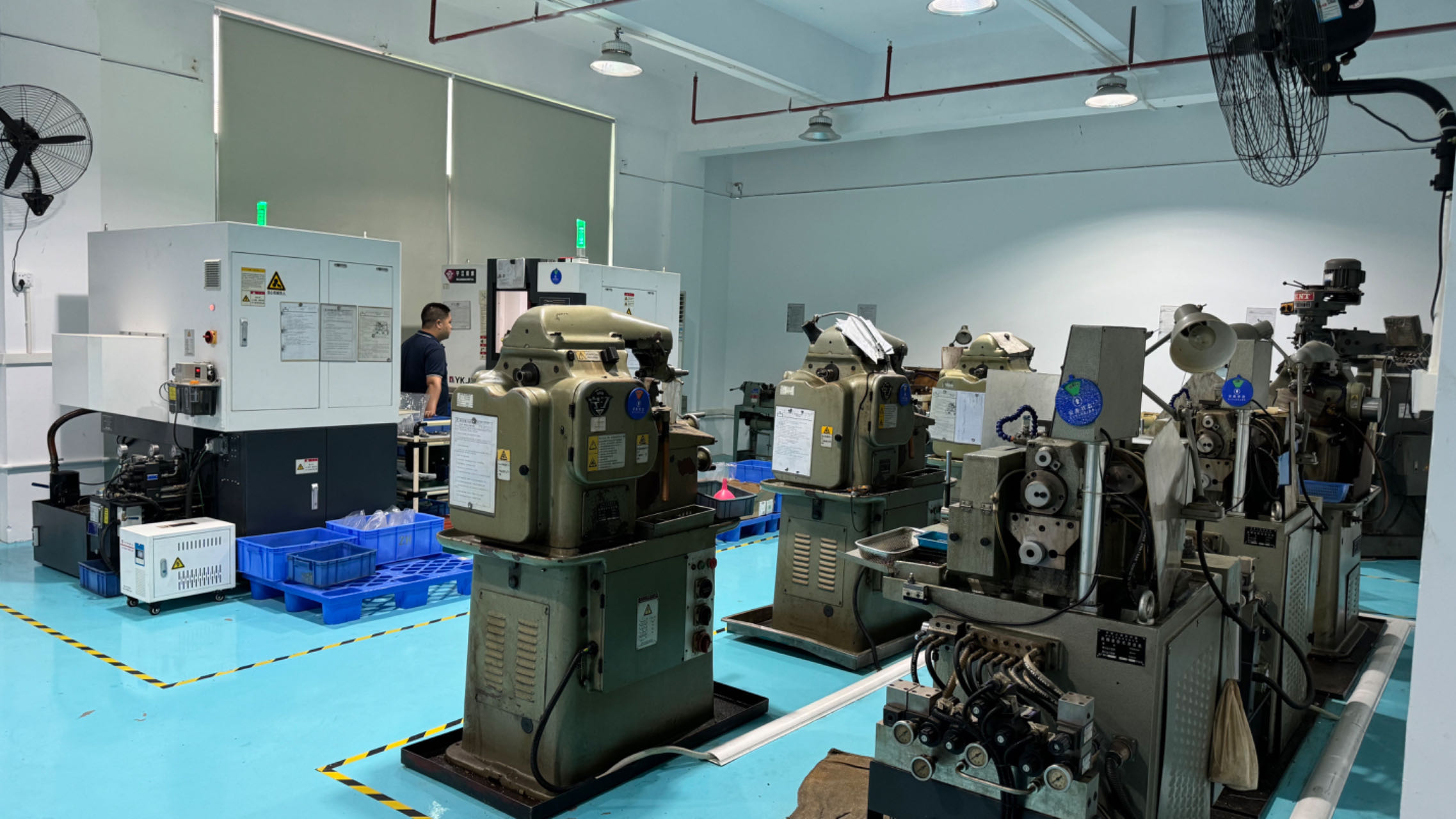
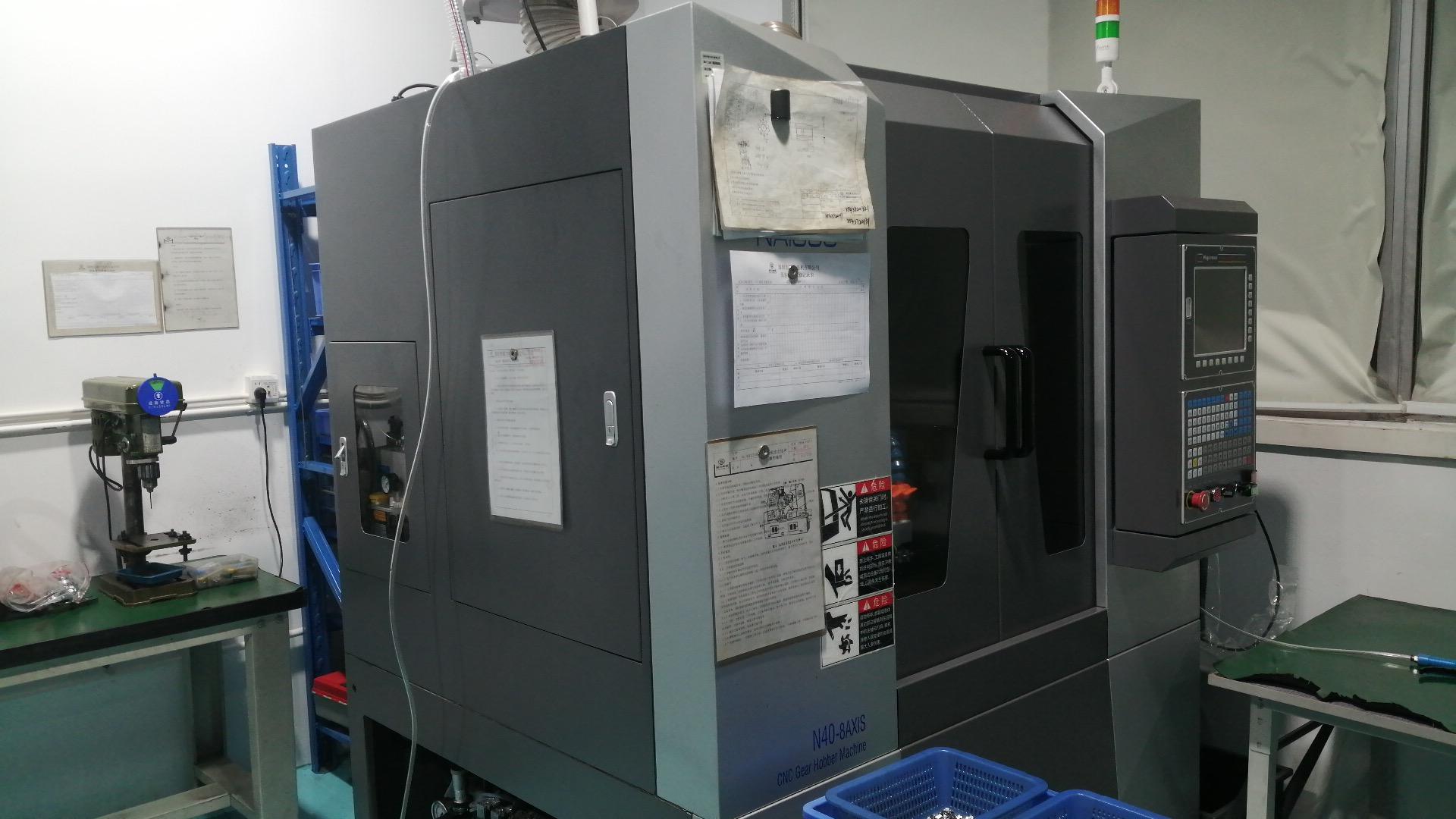
Our expertise lies in the harmony of miniature engineering. From precision-wound rotors and high-purity copper commutators to custom-designed planetary gearheads, every component inside a TorqFlex micro motor is optimized for low energy consumption and a friction-free lifespan. We constantly push the limits of micro-drive tech, utilizing advanced automated Swiss-style hobbing and Japanese dynamic balancing to ensure that our internal gear trains operate with zero-backlash precision. When the integrity of your high-tech device hangs on repeated mechanical perfection, TorqFlex delivers the silent power that anchors your design.
Decoding the fundamentals of duty cycles, thermal performance, and electromagnetic compatibility in precision PMDC and BLDC motors.
Pulse Width Modulation (PWM) stands as the gold standard for regulating DC motor velocity, torque output, and system efficiency. Unlike linear voltage control, which dissipates excess energy as heat through series resistance, PWM adjusts average voltage by rapidly pulsing power at a constant frequency. By modifying the duty cycle (ratio of active time to total period), controller units dictate the current flowing through the motor windings, securing smooth start-ups, deceleration, and high dynamic control.
However, implementing high-performance PWM control at the micro-motor scale presents challenges. Higher carrier frequencies (e.g., 20 kHz to 50 kHz) are critical to prevent audible noise and reduce current ripple. However, these elevated frequencies demand superior insulation layers, low-inductance windings, and optimized magnetic cores to minimize iron losses. As an experienced OEM/ODM manufacturer, we design our motors to handle the sharp voltage rises (dv/dt) inherent to modern MOSFET and IGBT switches, utilizing custom Class H insulation systems and specialized magnet wire configurations.
In high-frequency PWM regimes, parasitic capacitive coupling between the rotor windings and the stator structure can induce motor shaft voltages. If unmanaged, these voltages discharge through the miniature ball bearings, causing EDM (Electrical Discharge Machining) pitting and premature bearing failure. Our custom solutions feature integrated conductive paths and bearing shields to shunt current harmlessly to the chassis frame, extending operational lifetime by 300%.
By coordinating stator slot geometry with skewed rotor laminations, our motors significantly reduce harmonic-driven torque ripples during low-duty-cycle PWM operation.
Utilizing high-permeability, ultra-thin silicon steel laminations to decrease eddy current heating and hysteresis losses during high switching frequencies.
Specially formulated carbon brushes and commutator profiles minimize friction, mechanical vibration, and electromagnetic whistling across broad PWM spectra.
How regulatory compliance, automation growth, and energy standards are shaping the future of small-form-factor drive systems.
Across fields like aerospace avionics, drone technology, and high-duty automation, there is a distinct transition away from traditional brushed topologies towards brushless DC (BLDC) motors driven by Field-Oriented Control (FOC) or advanced PWM. BLDC drives offer longer lifespans, zero brush wear, and outstanding thermal output as the stator acts as the outer heat sink. Our engineering team specializes in adapting planetary gearboxes with compact BLDC configurations, helping global enterprises build robust products that run cooler and longer.
International regulatory frameworks, such as the European Union's ErP Directive and US Department of Energy standards, are pushing for higher efficiency classes (IE3, IE4, and IE5) even in fractional horsepower ranges. High-efficiency PWM-controlled motors reduce battery drain in portable devices and lower global energy consumption in plant-wide industrial automation installations. Our core designs target optimum slot fill-factors, specialized magnetic grades, and low-friction bearings to assist customers in meeting global compliance requirements.
Partnering with a tier-1 micro-motor factory to mitigate lead times, secure traceabilities, and streamline customized designs.
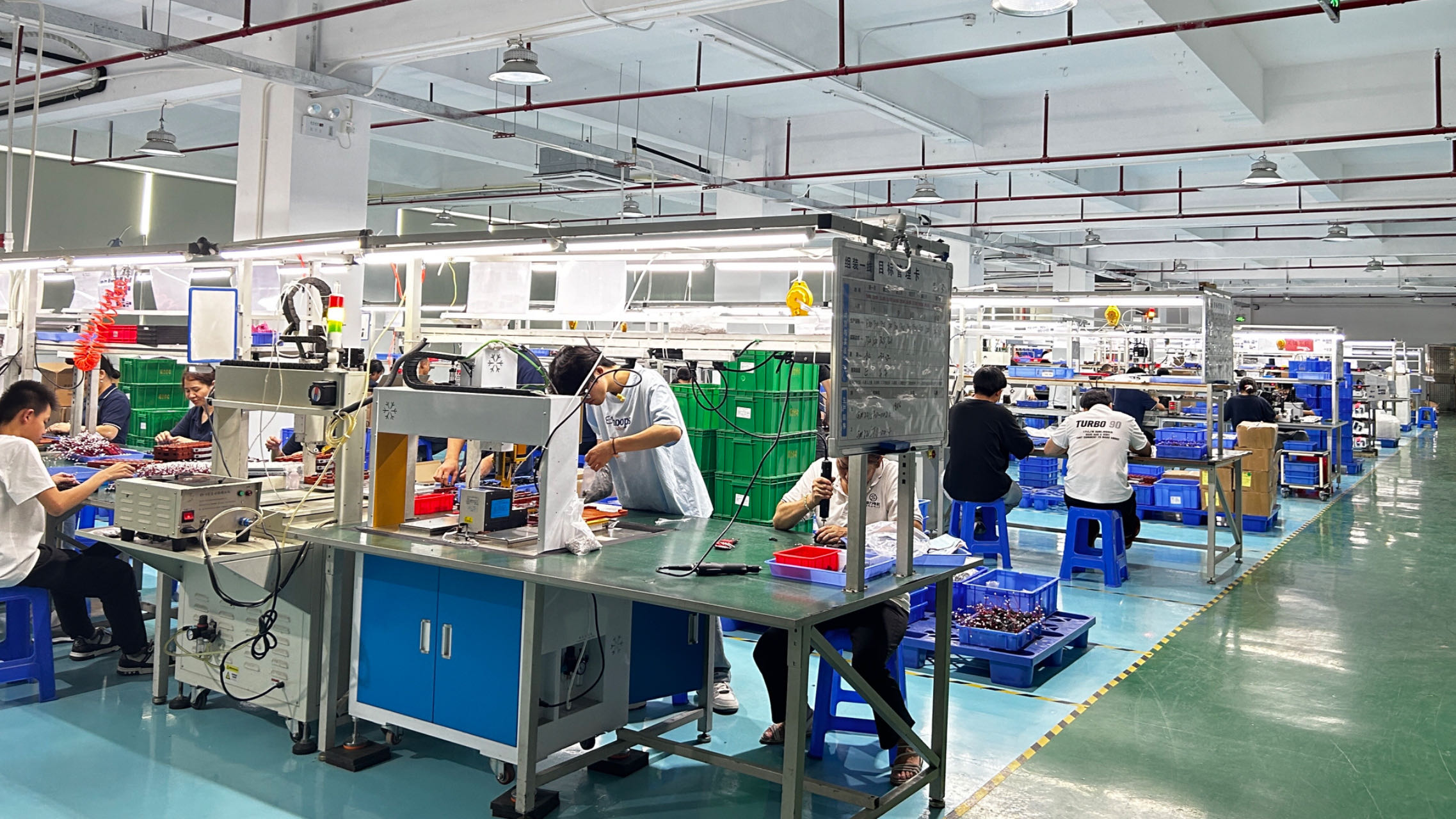
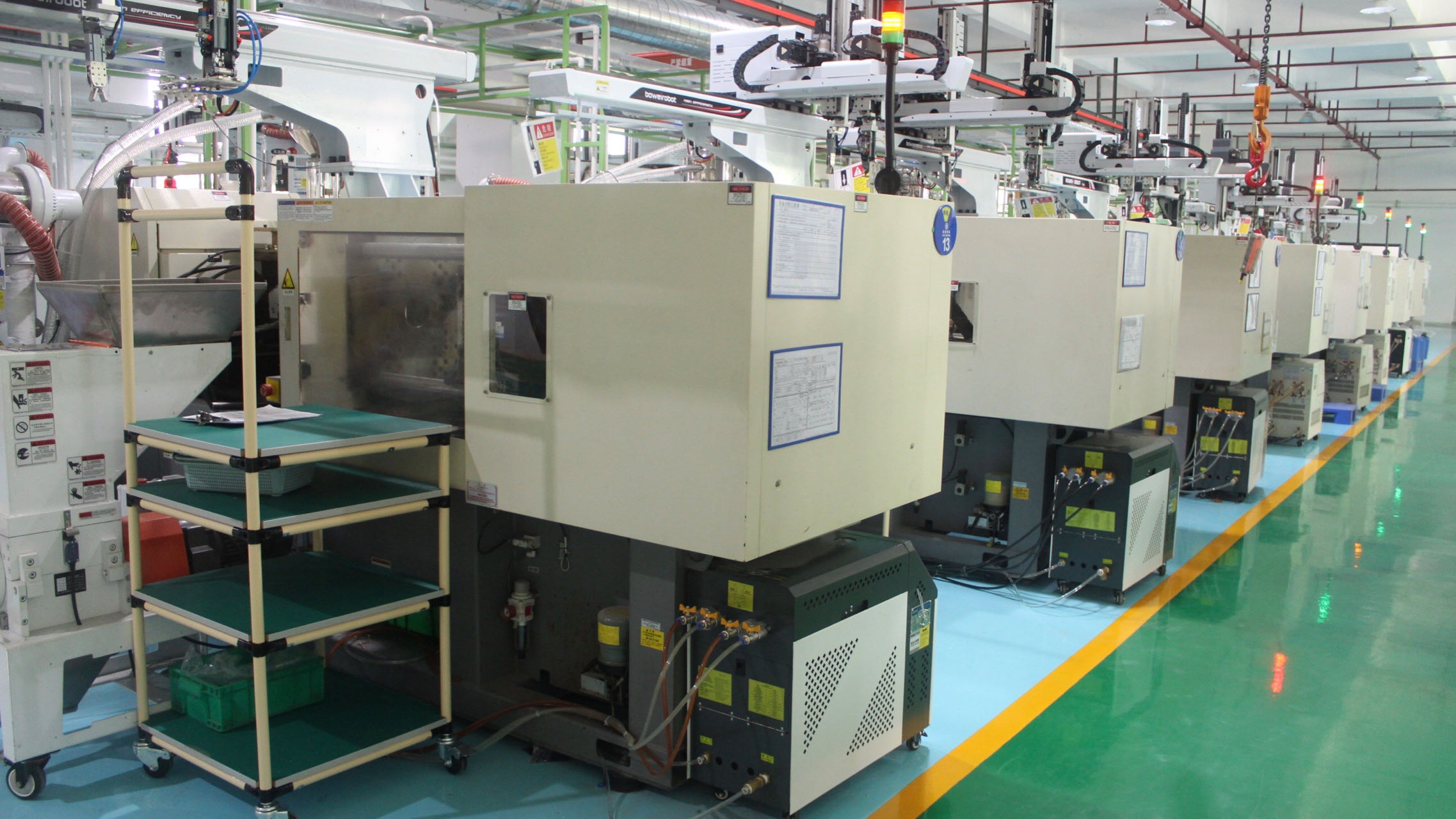
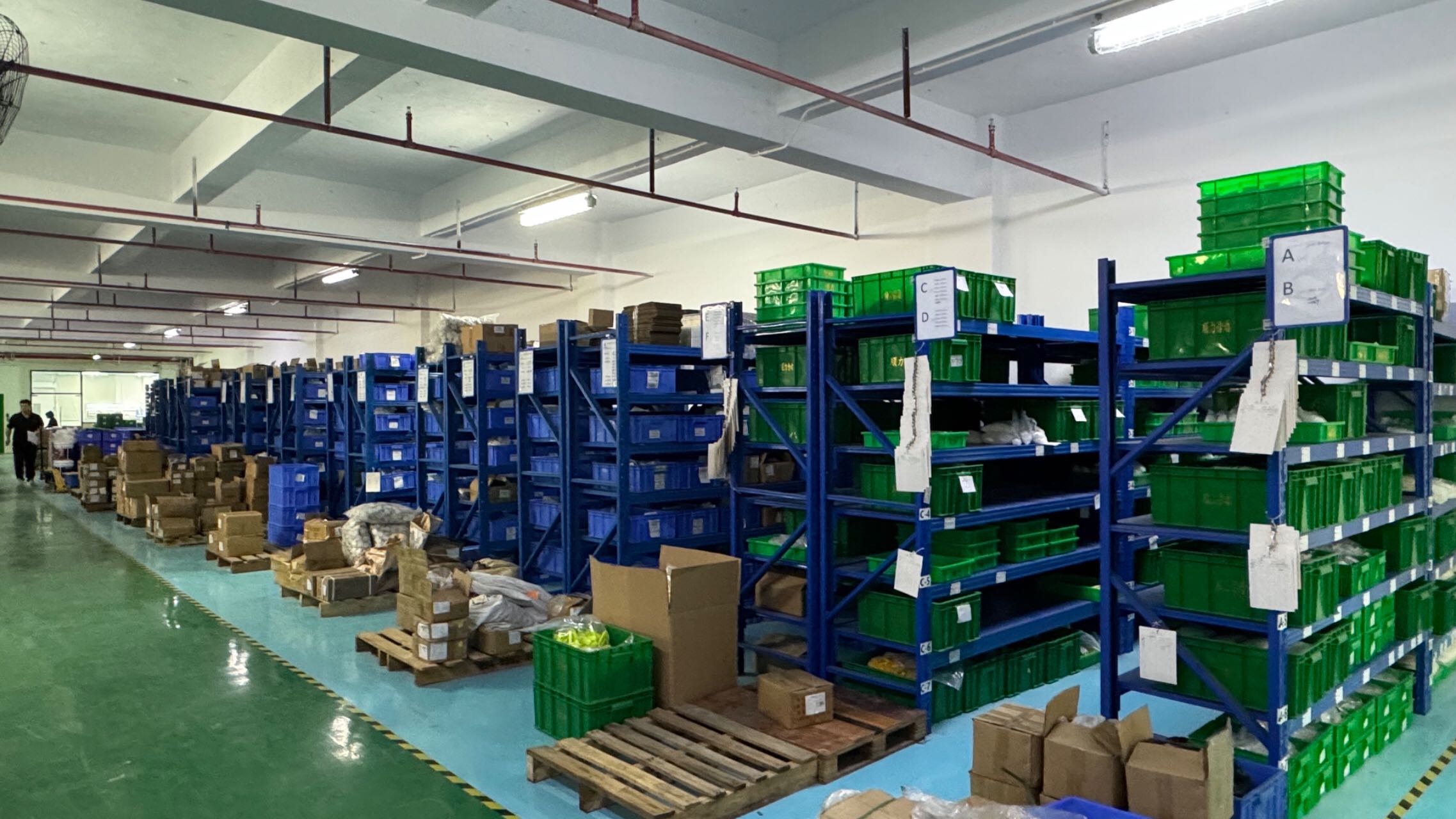
Managing the supply chain for precision custom micro motors requires strict quality control, verified material inputs, and predictable delivery schedules. At TorqFlex, we coordinate raw material sourcing (such as neodymium-iron-boron magnets and high-grade copper wires) through certified vendors, offering complete material traceability. Our specialized manufacturing lines balance high-speed volume production with modular configuration setups, accommodating custom electrical specifications, custom shafts, and special gear geometries without excessive lead times.
By utilizing a design-for-manufacturing (DFM) approach, we help clients simplify assembly integration. Our engineers provide fully customized gear motors with premounted connectors, integrated speed controllers, and optimized mounting flanges, helping to reduce assembly steps and lower total cost of ownership (TCO) for global OEMs.
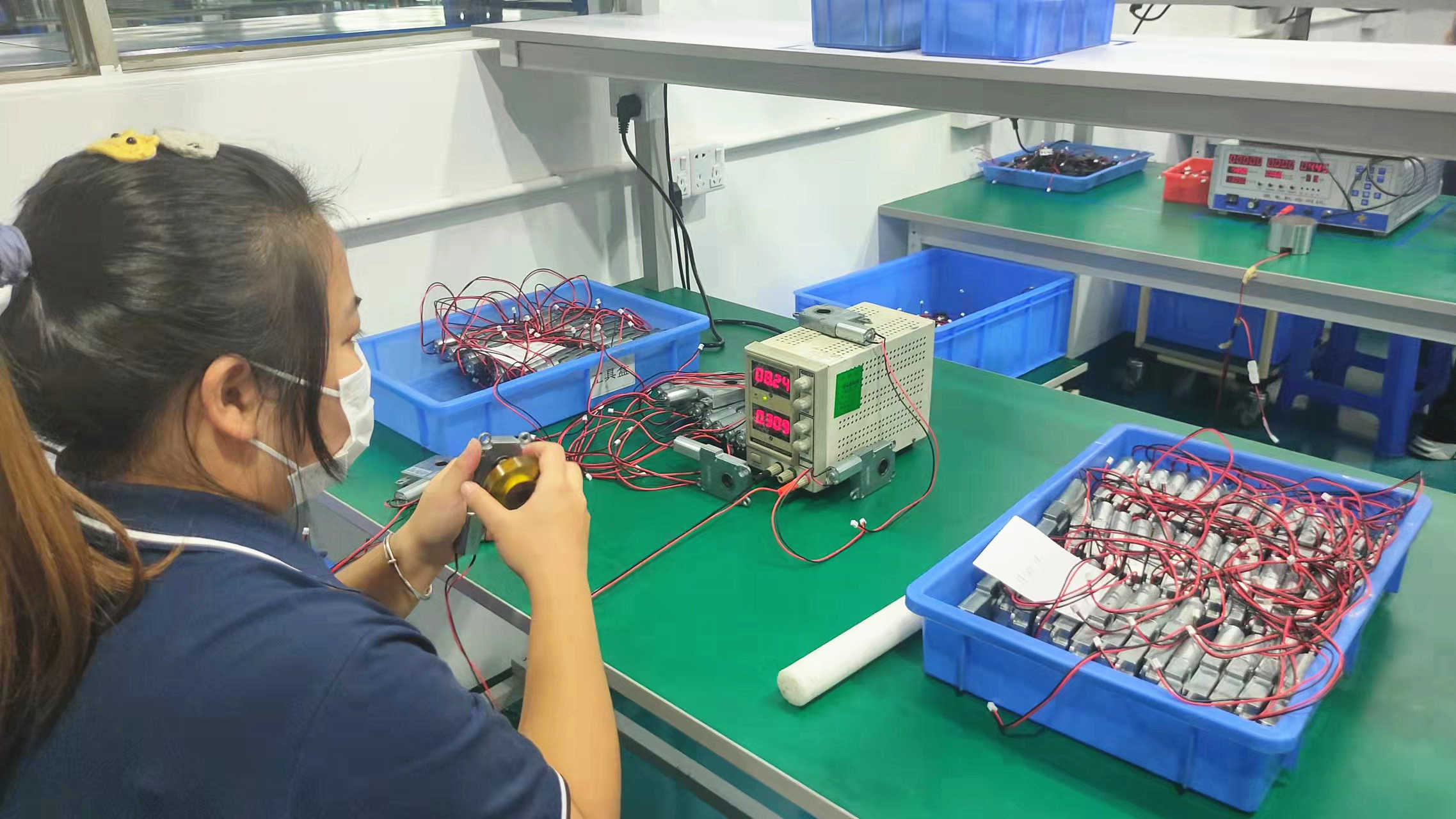
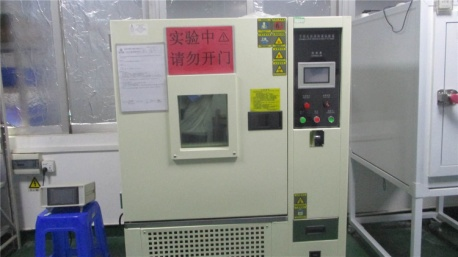
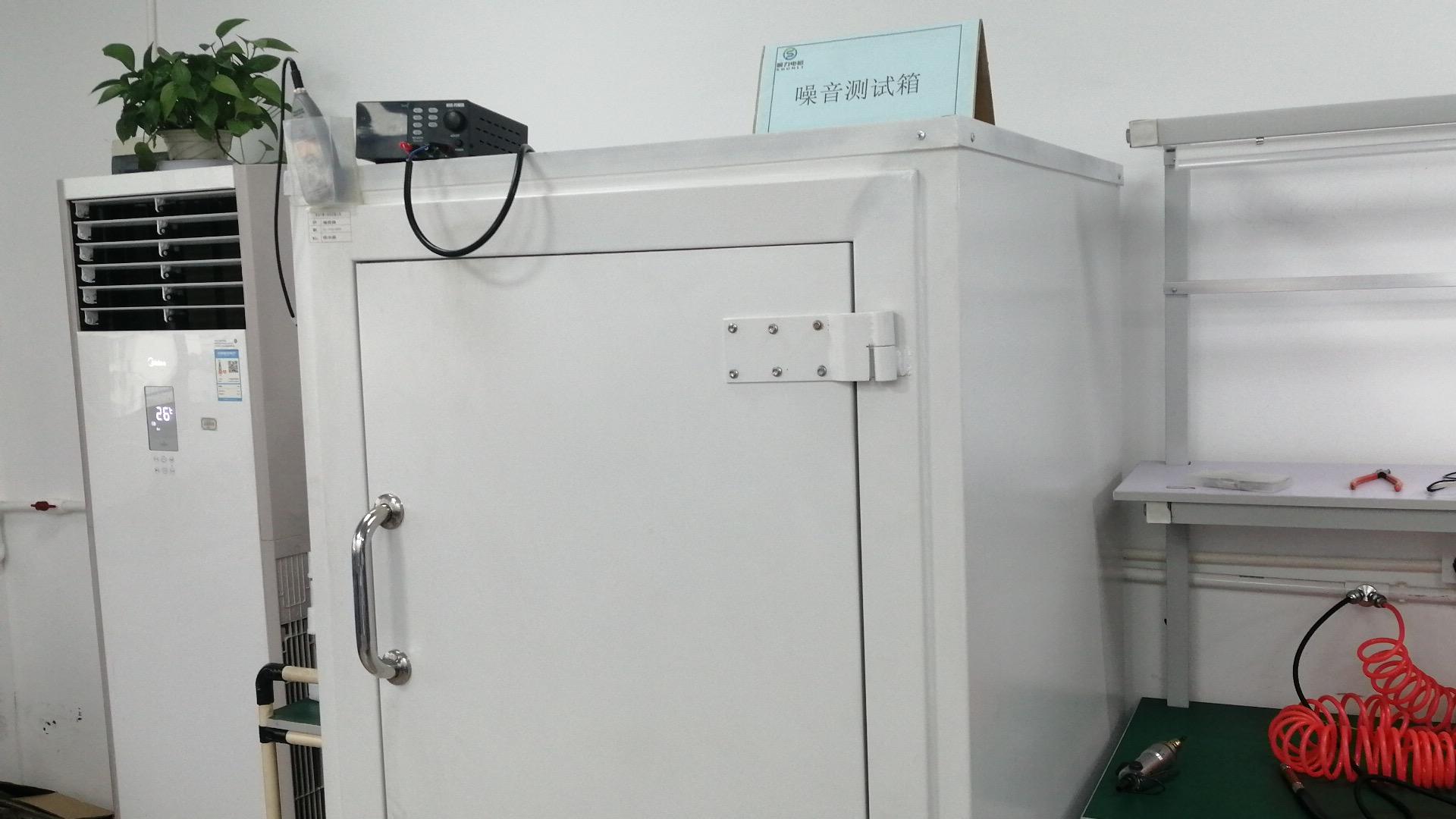
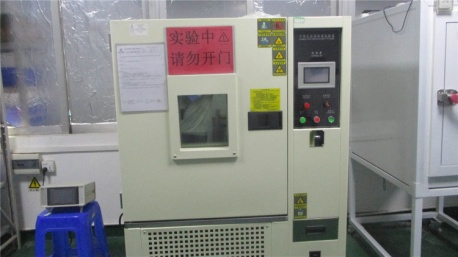
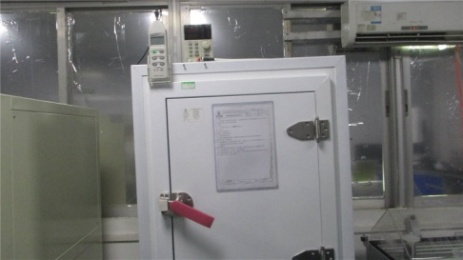
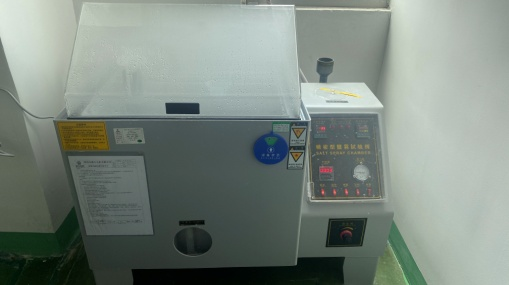
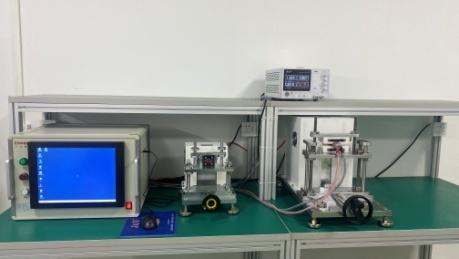
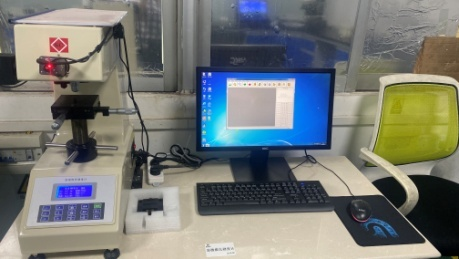
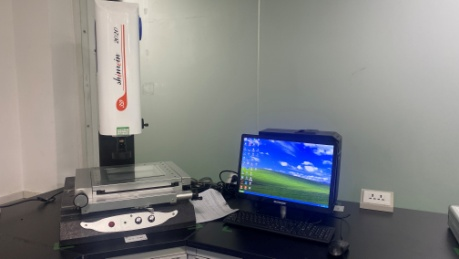
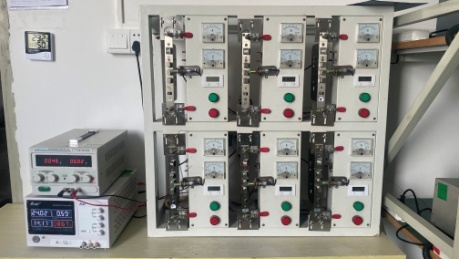
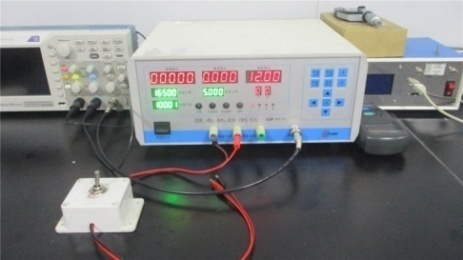
Every batch of motors undergoes dynamic performance testing on computerized dynamometers, along with high-voltage dielectric verification, sound testing in acoustic chambers, and automated dimensional scanning to ensure tight tolerances are met.
We maintain full compliance with RoHS, REACH, CE, UL, and ISO standards, ensuring our gearmotors are ready for immediate integration into North American, European, and Asia-Pacific markets.
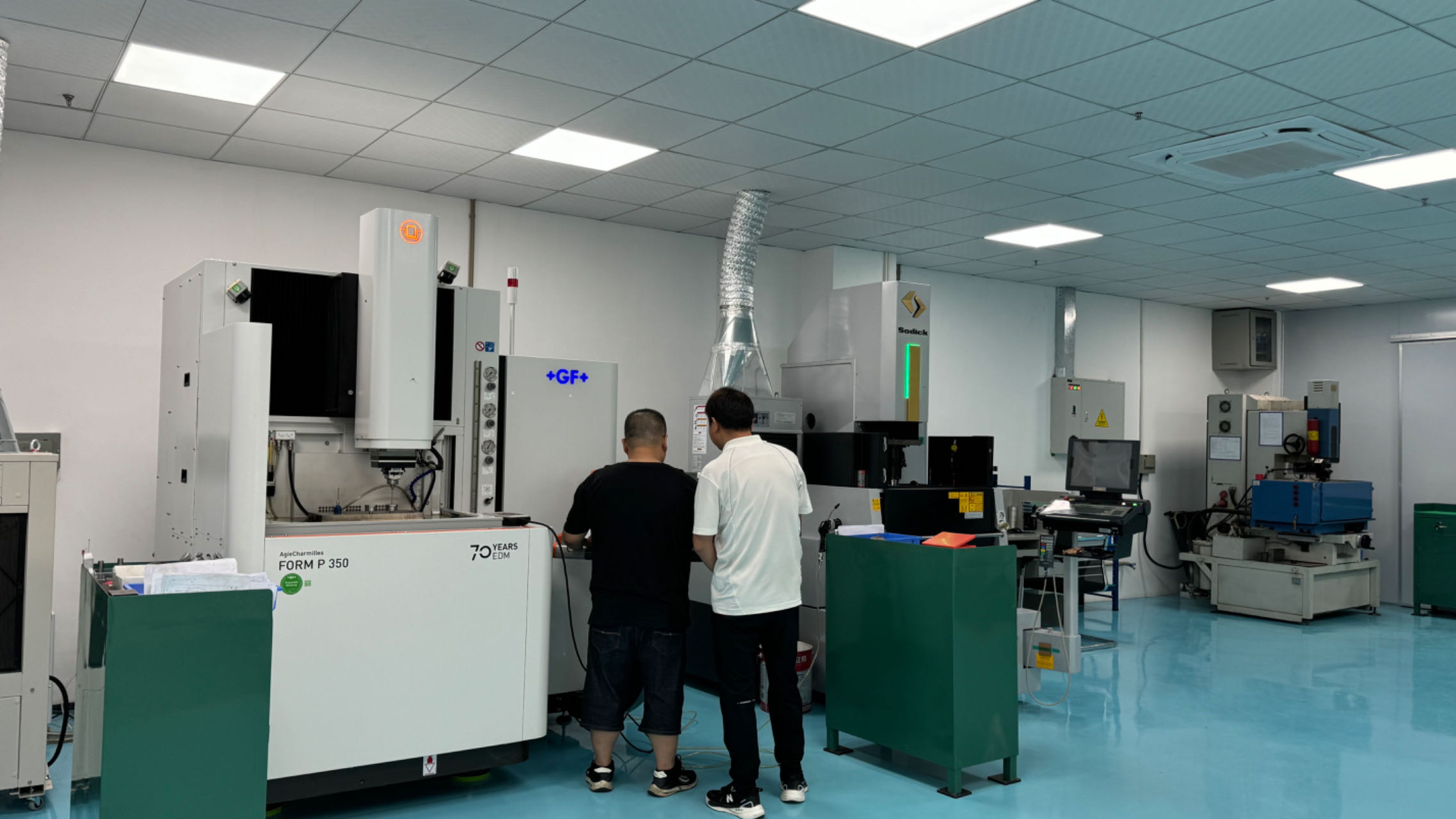
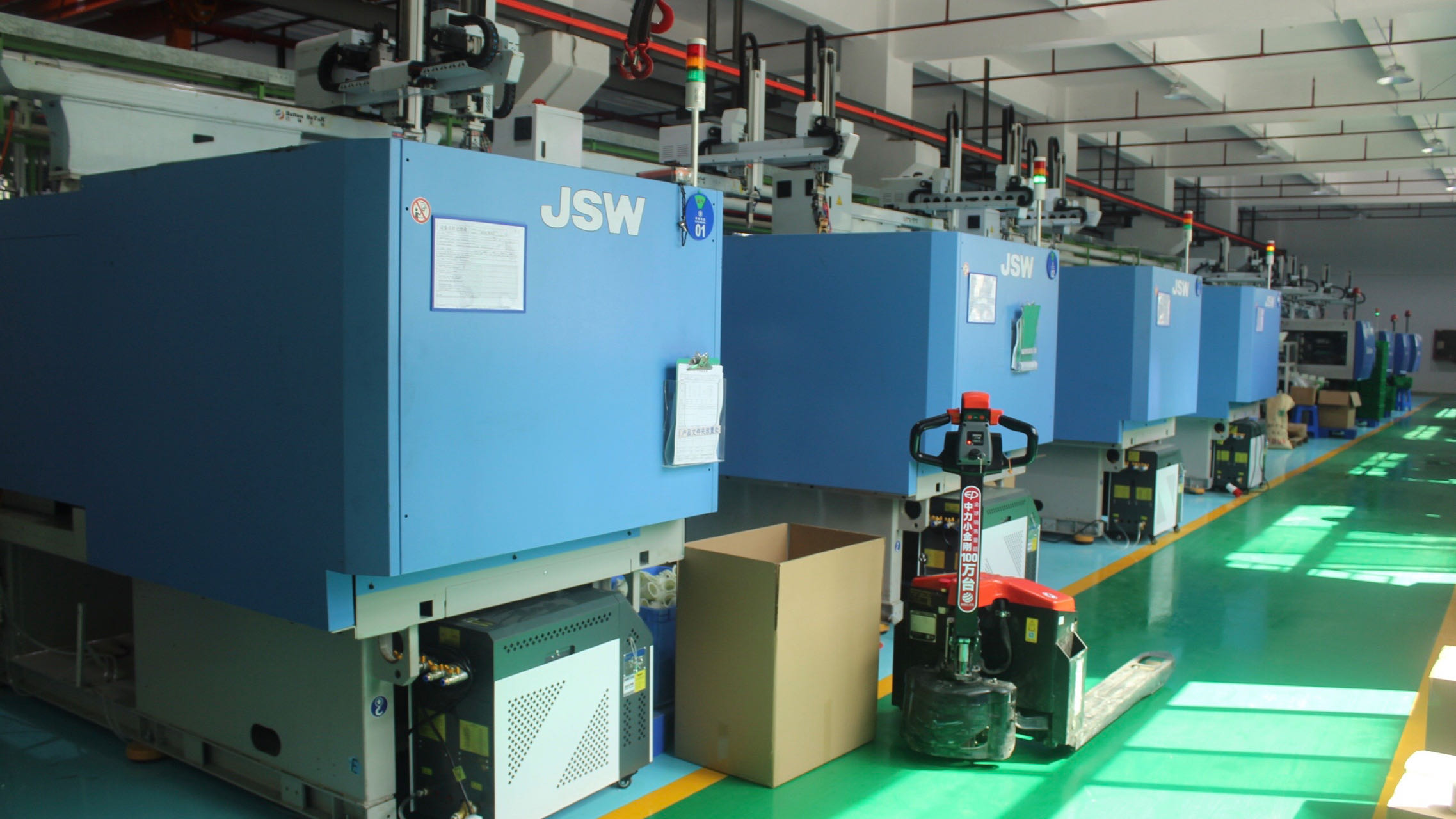
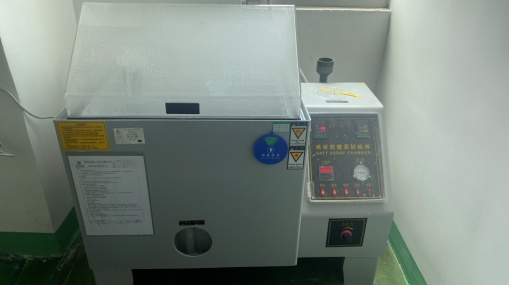
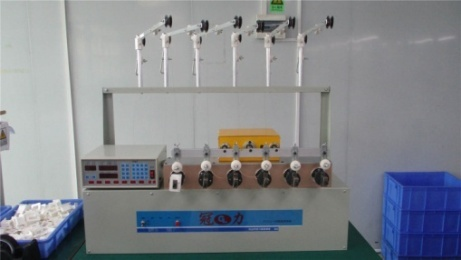
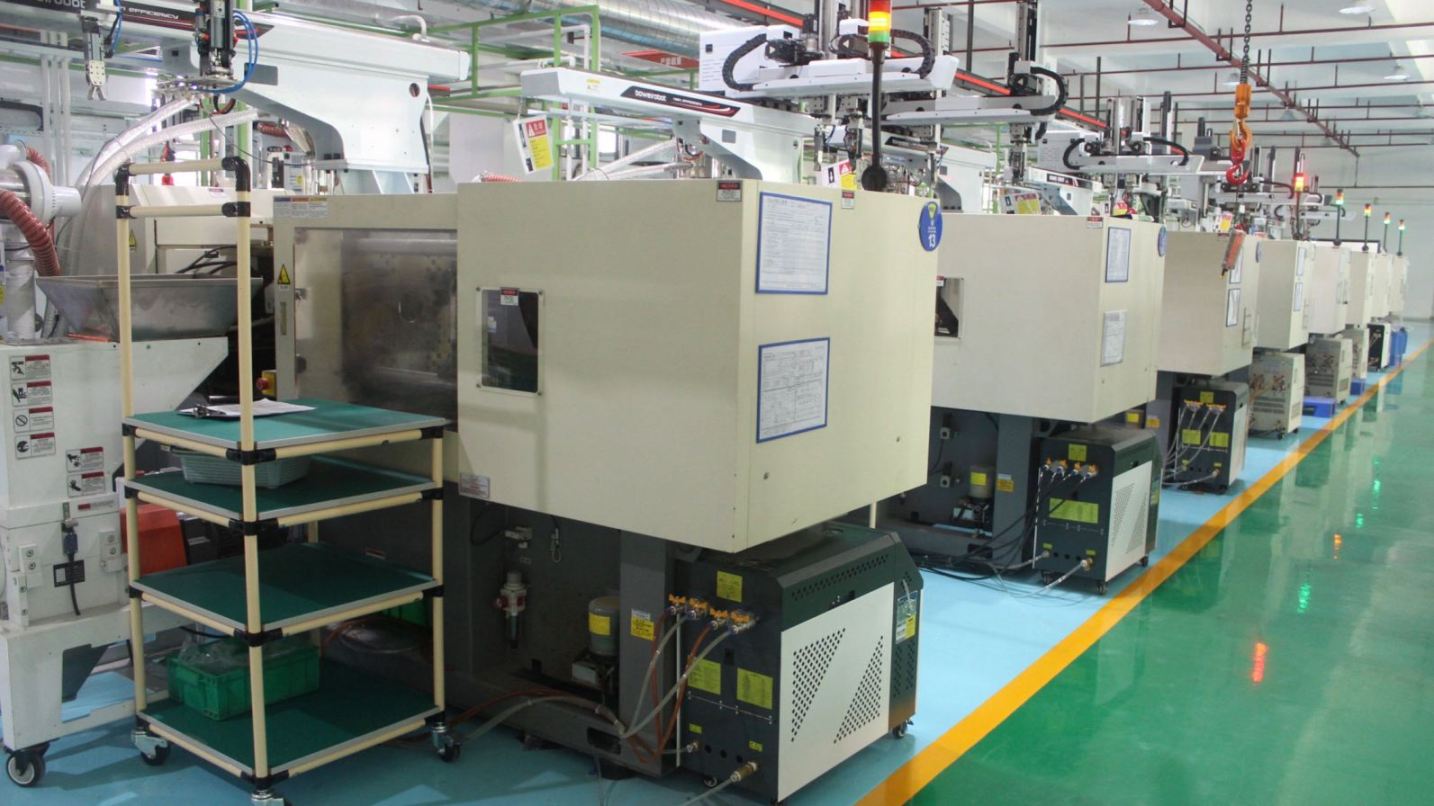
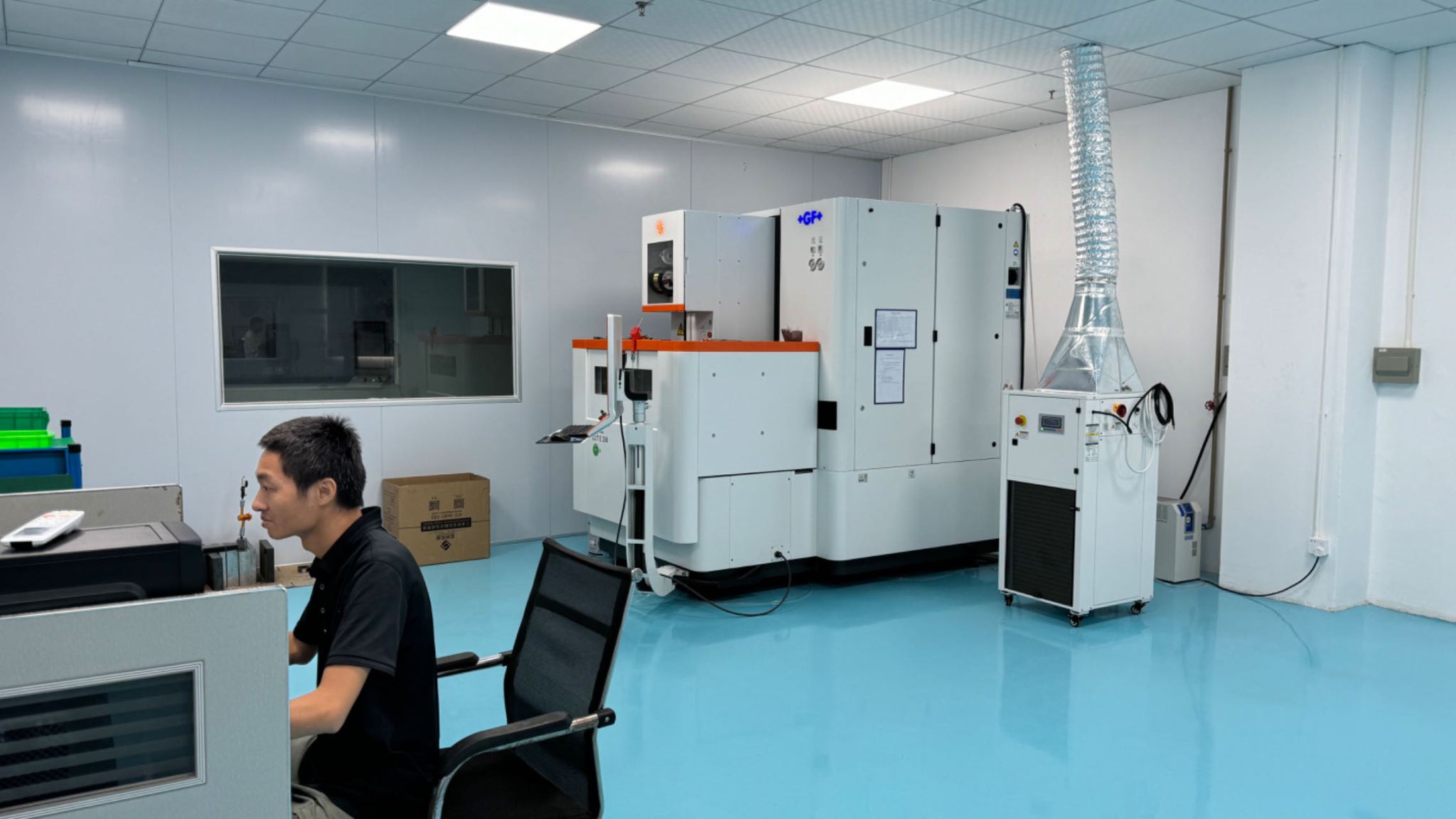
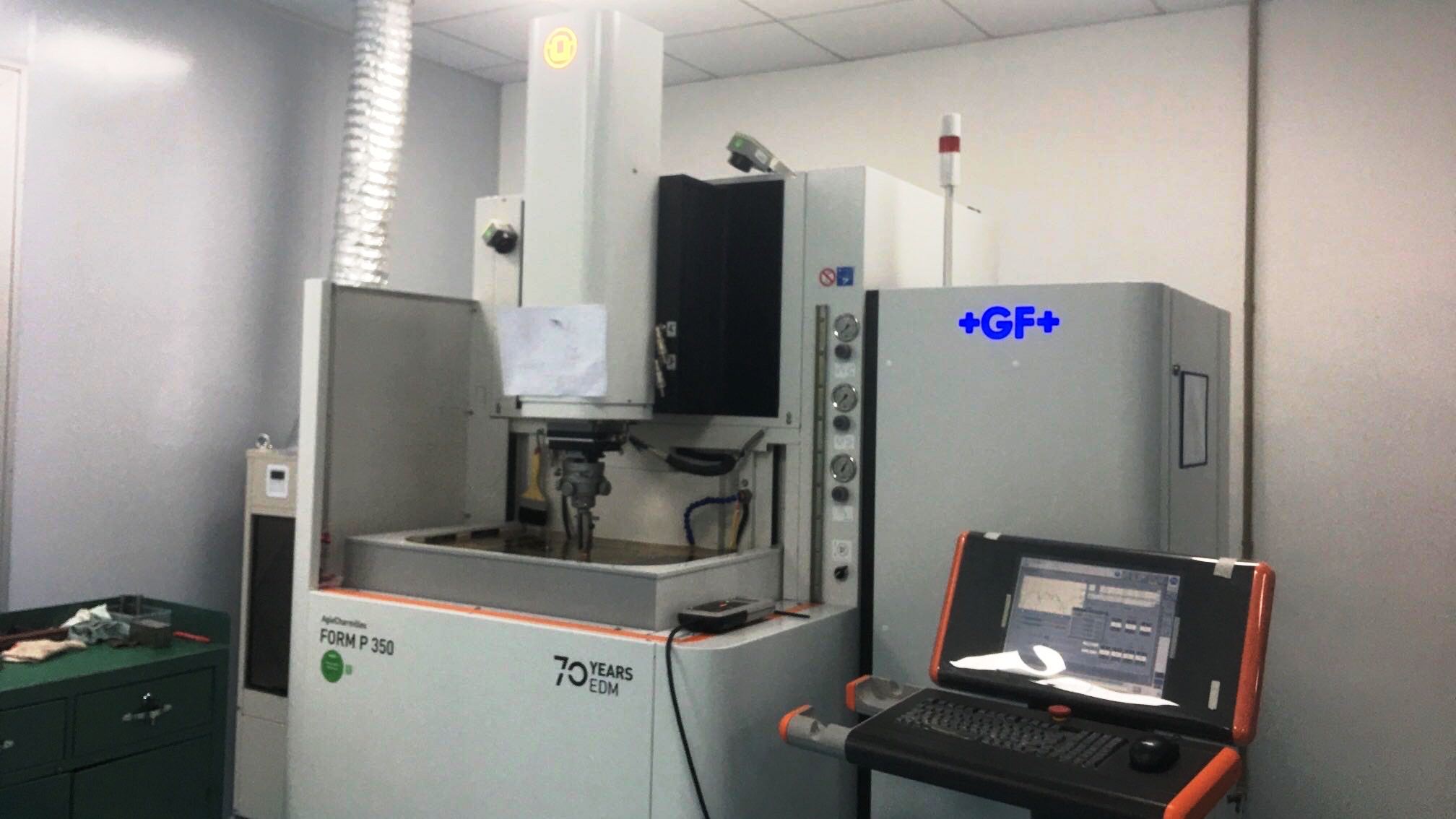
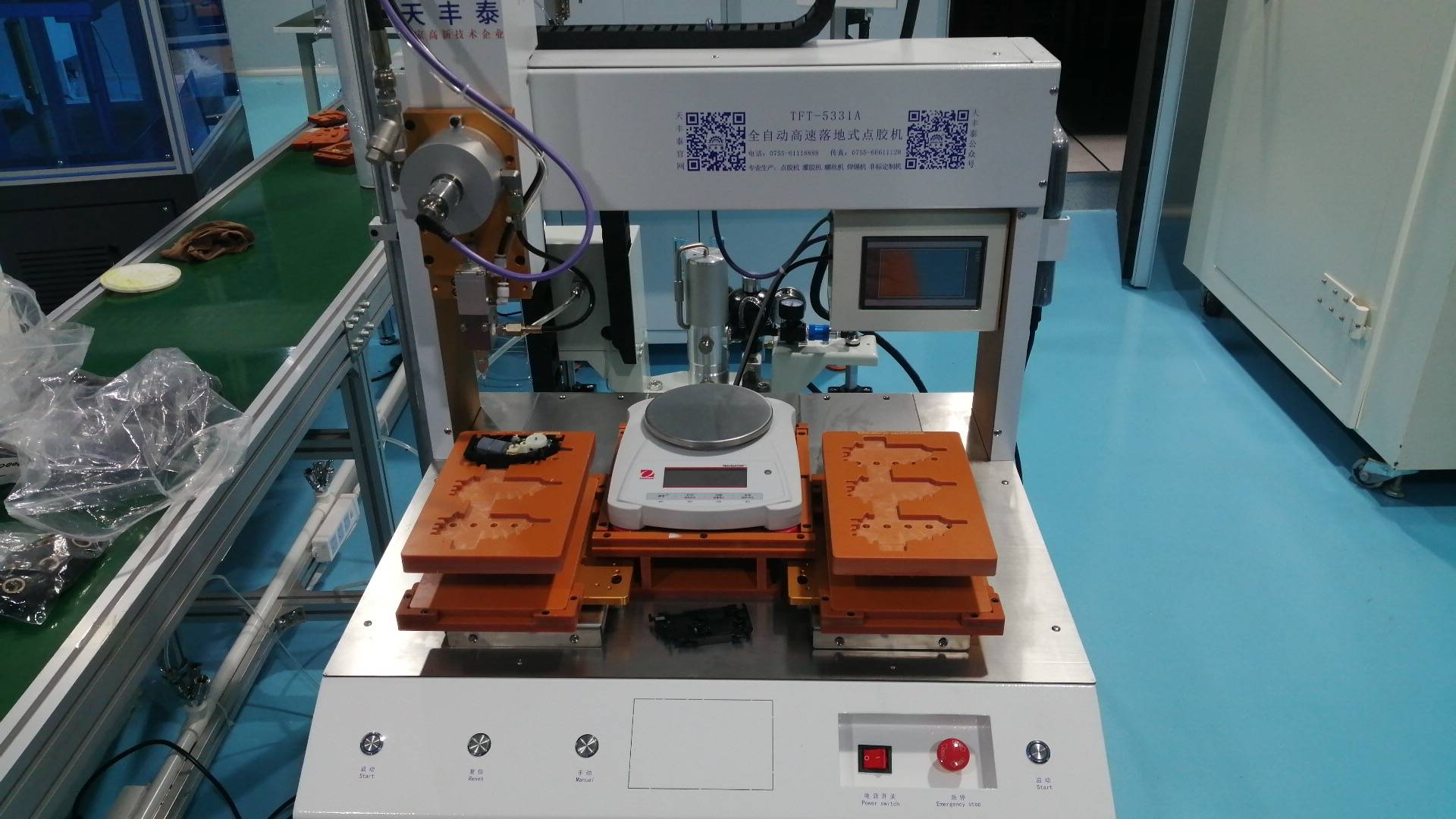
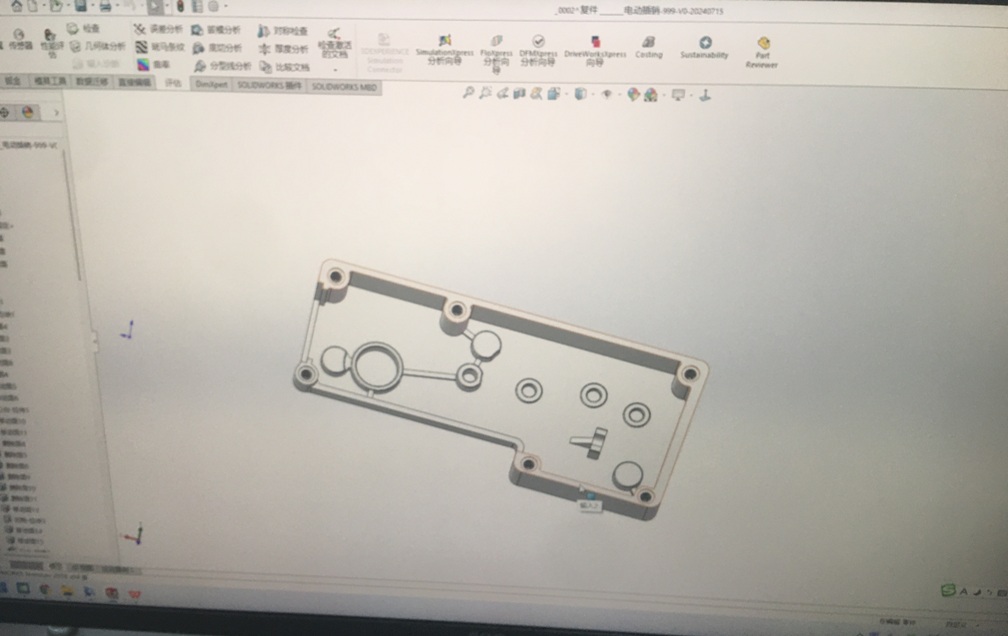
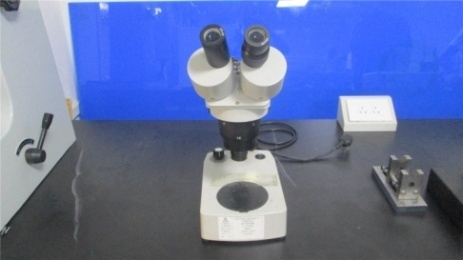
Touring our state-of-the-art facility: From raw materials and precision hobbing to dynamic balancing and environmental analysis chambers.

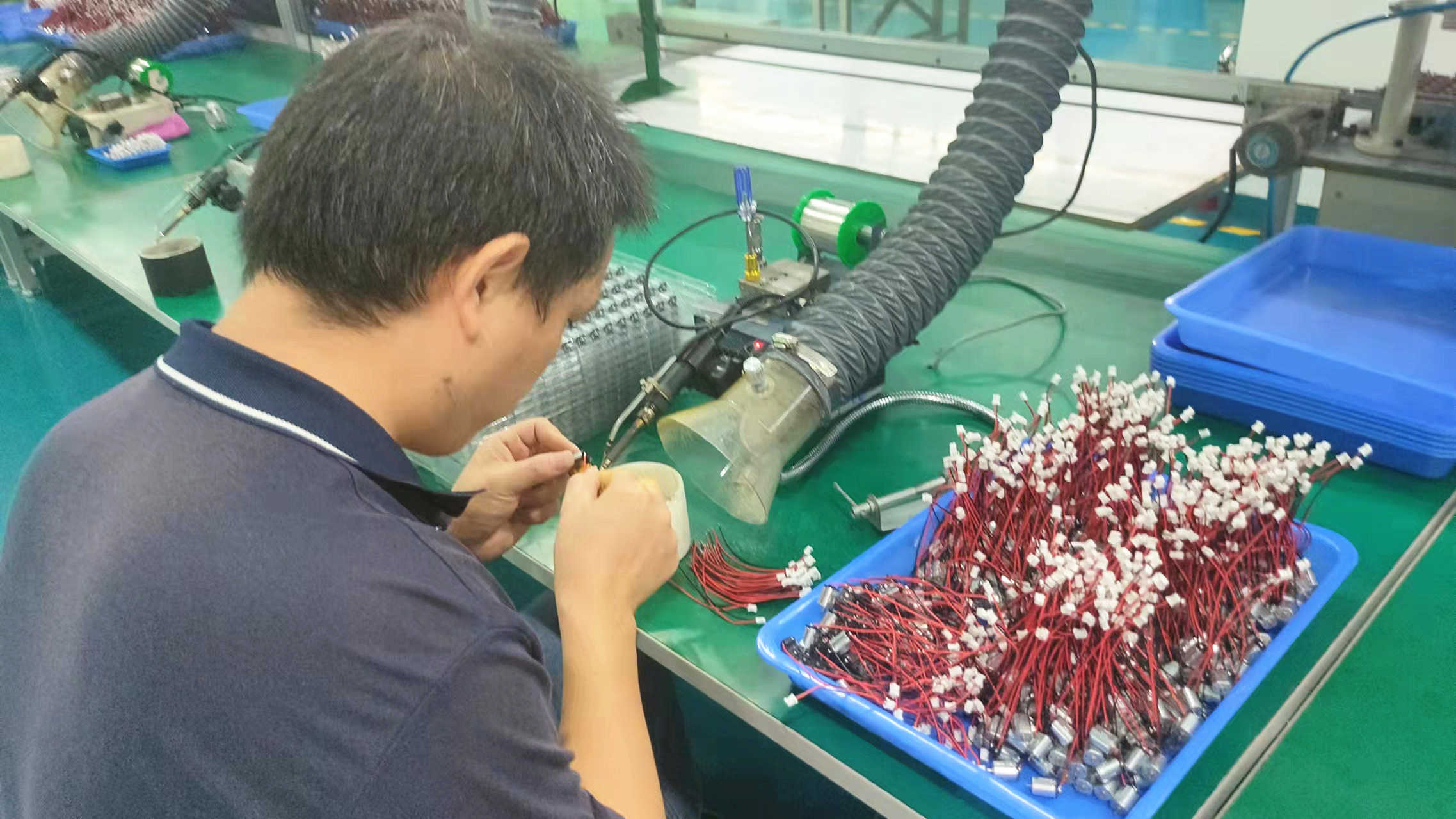
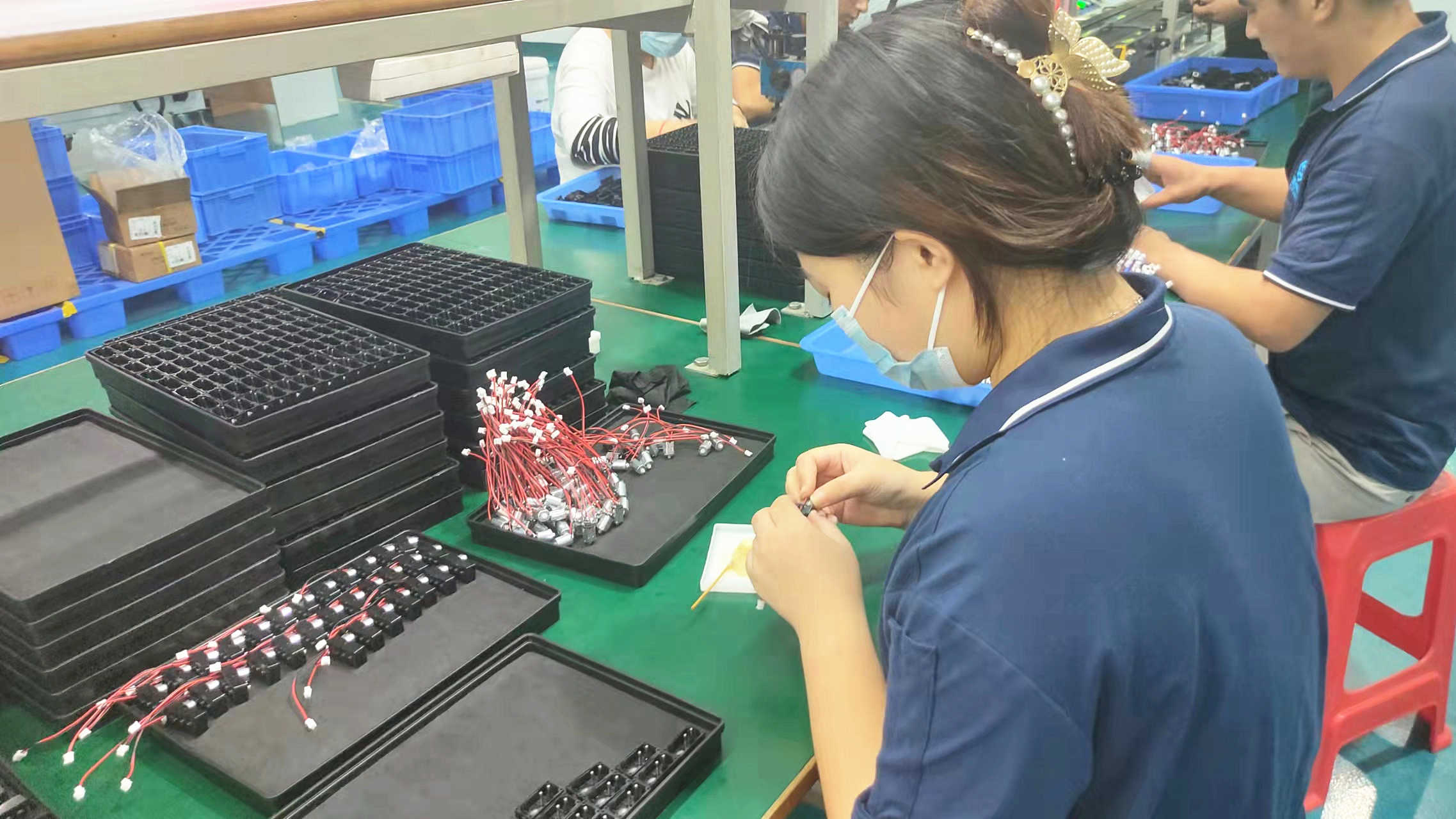
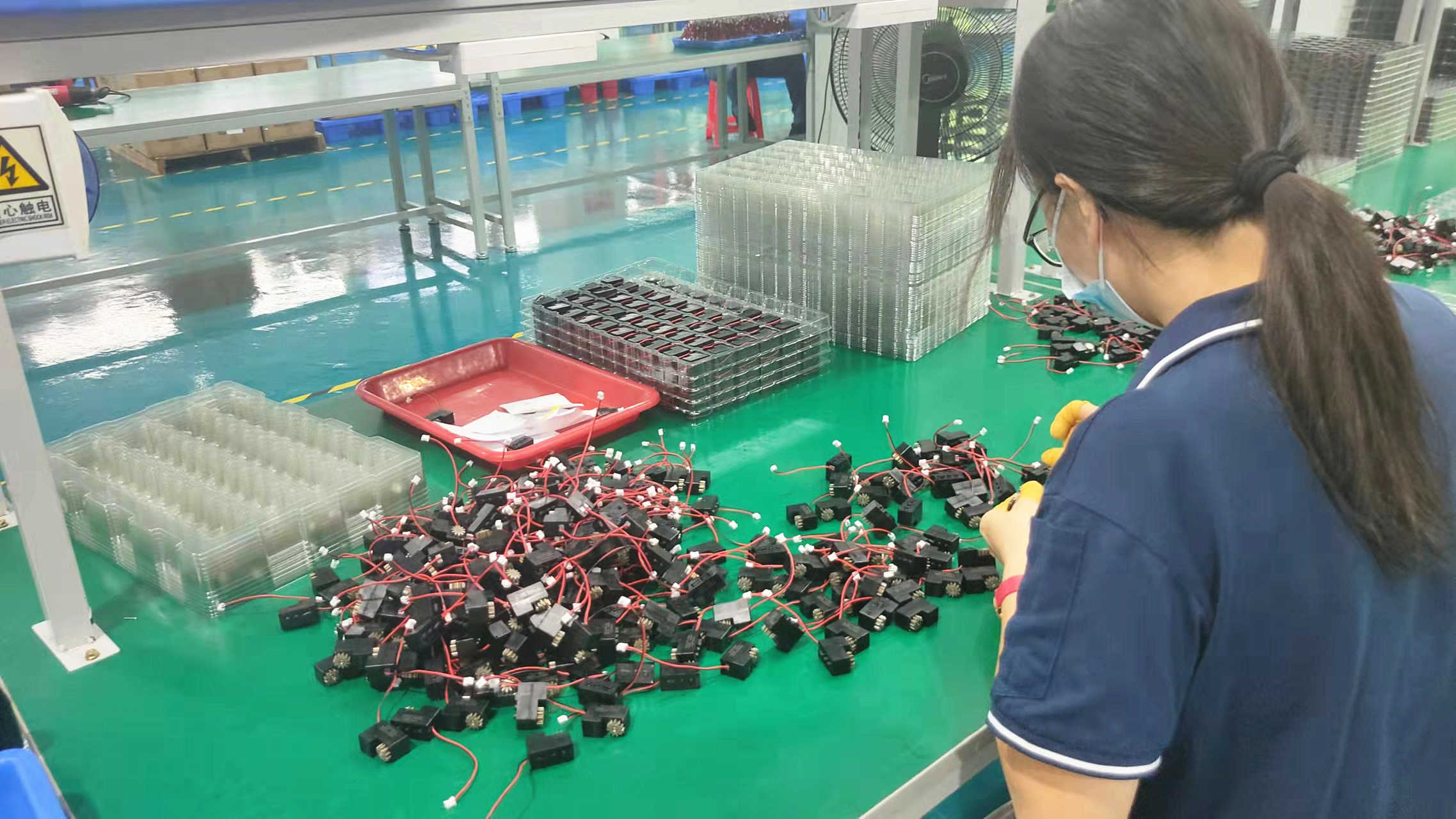
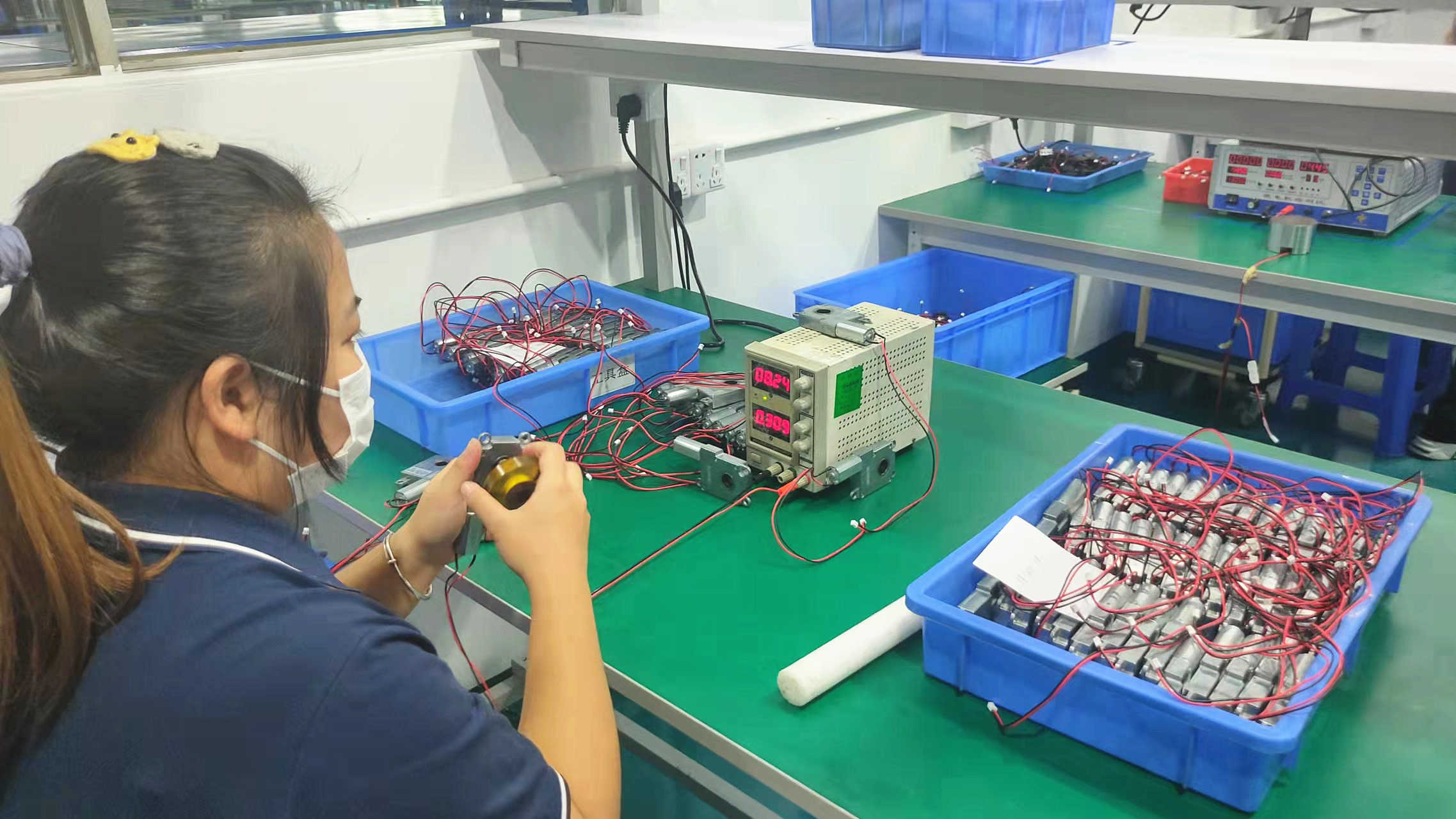
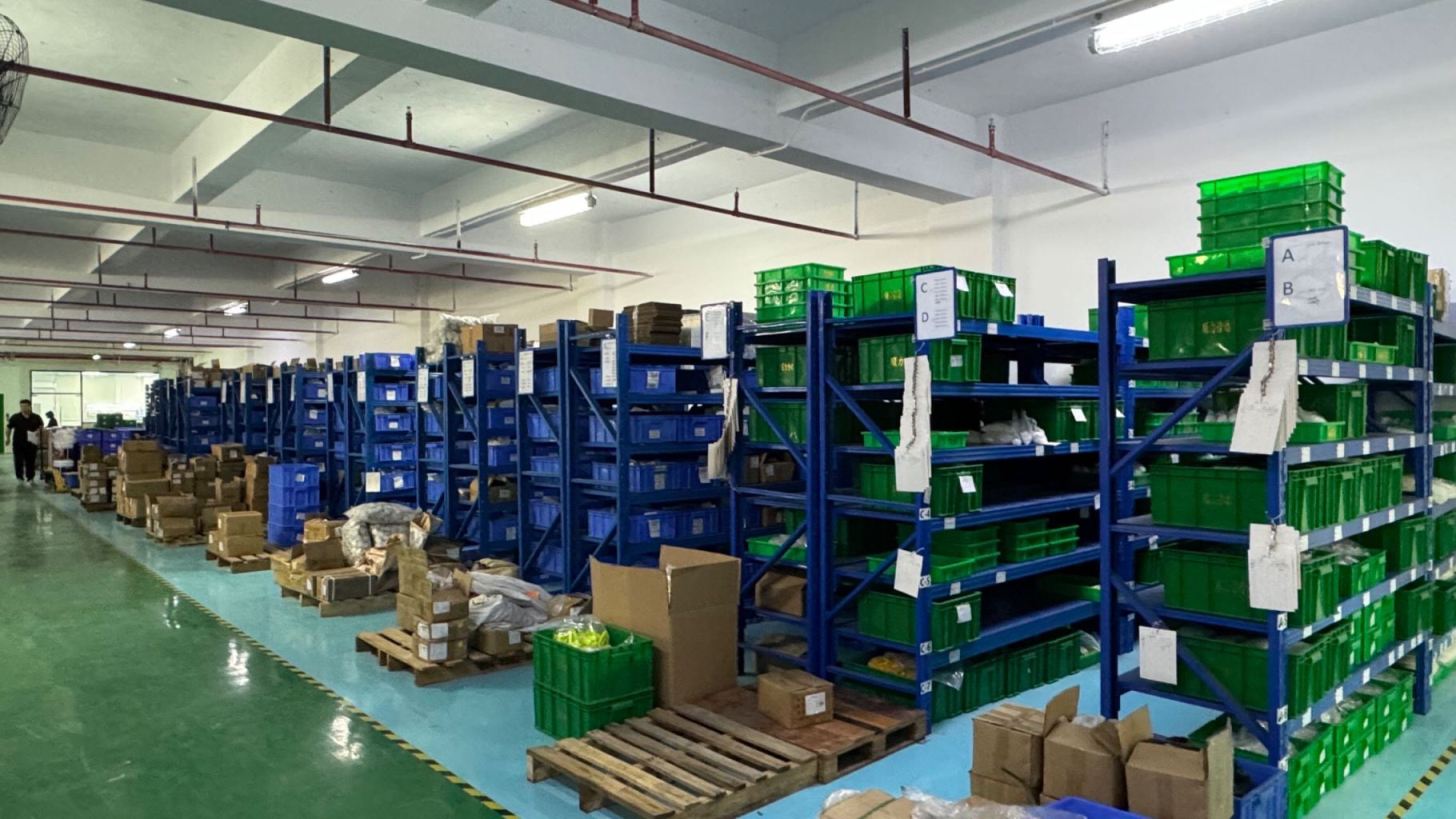
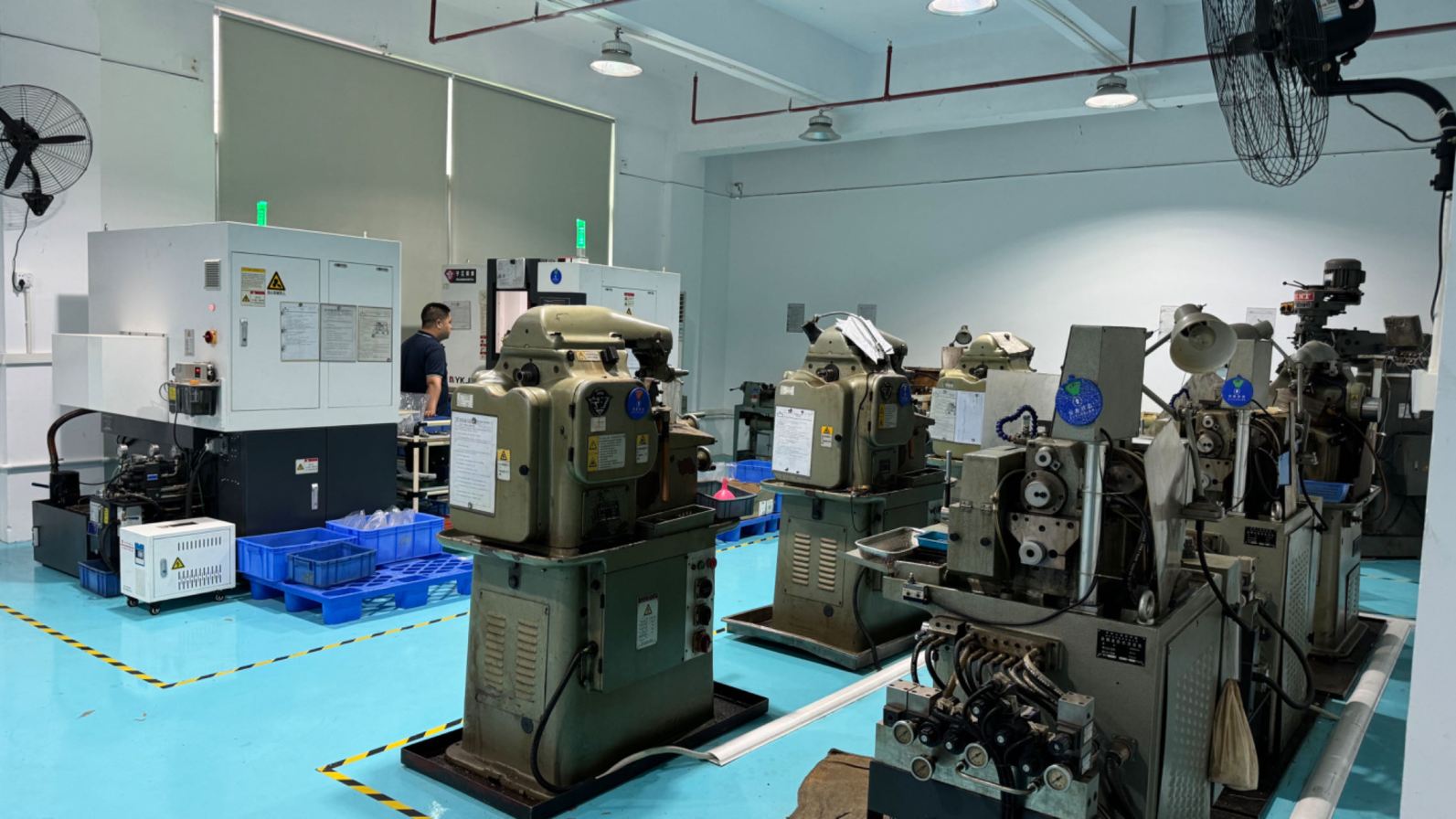
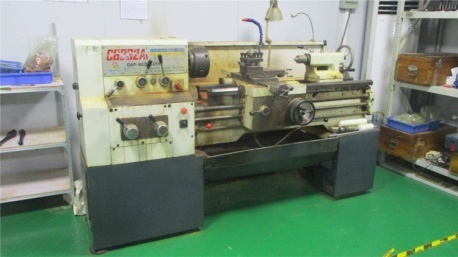
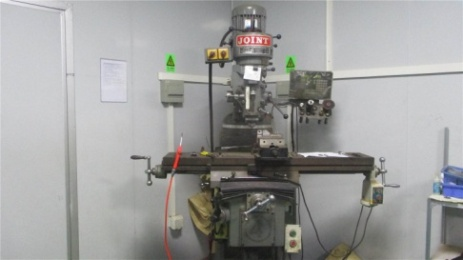
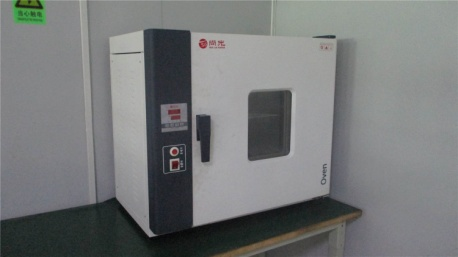
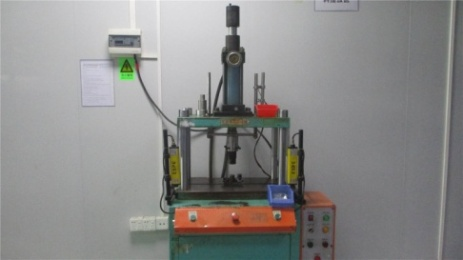
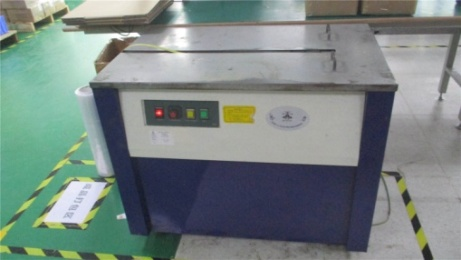
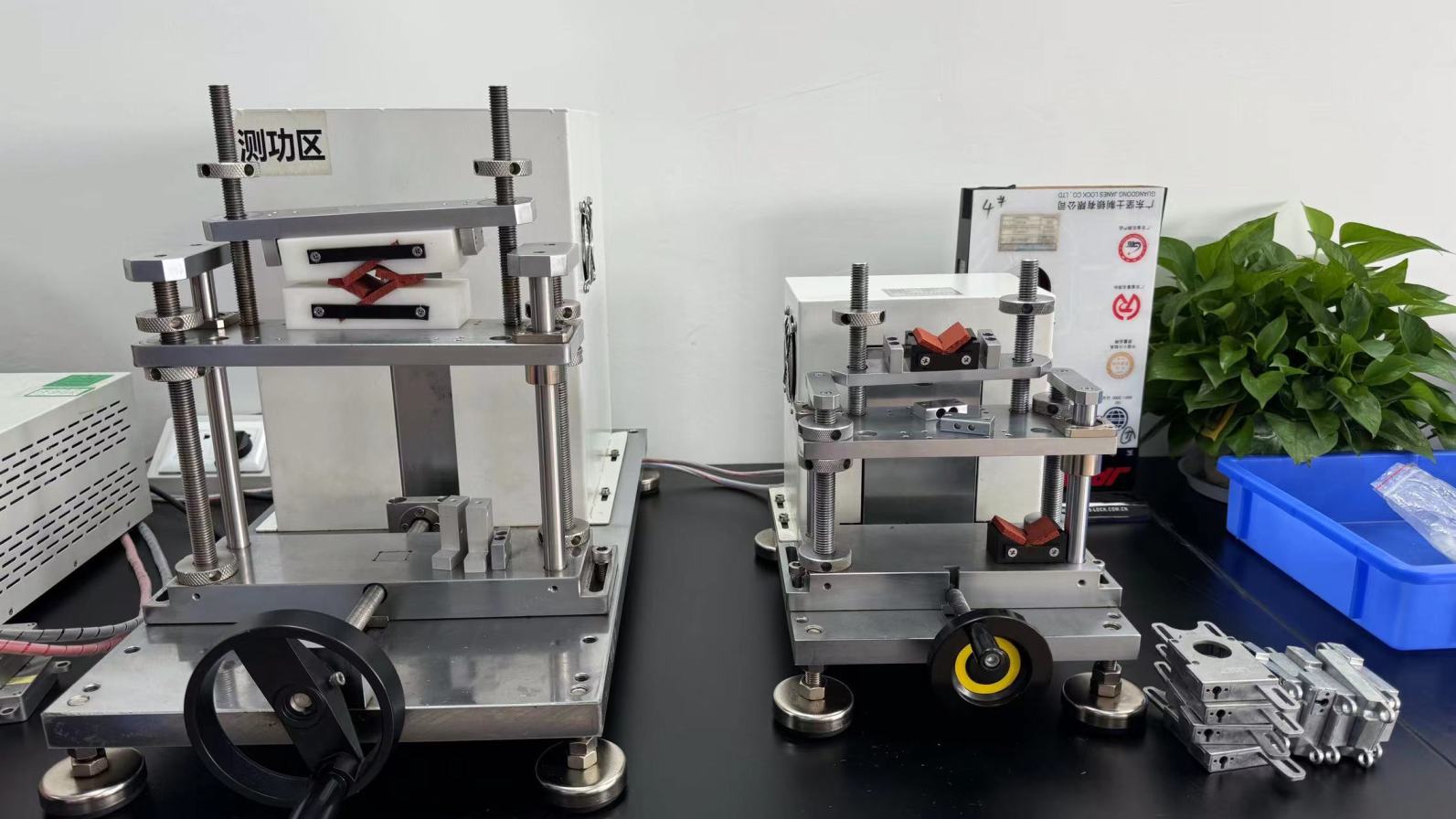
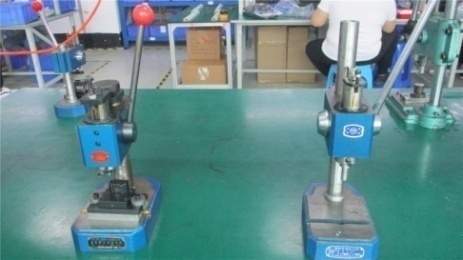
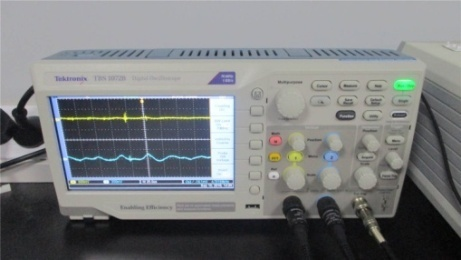
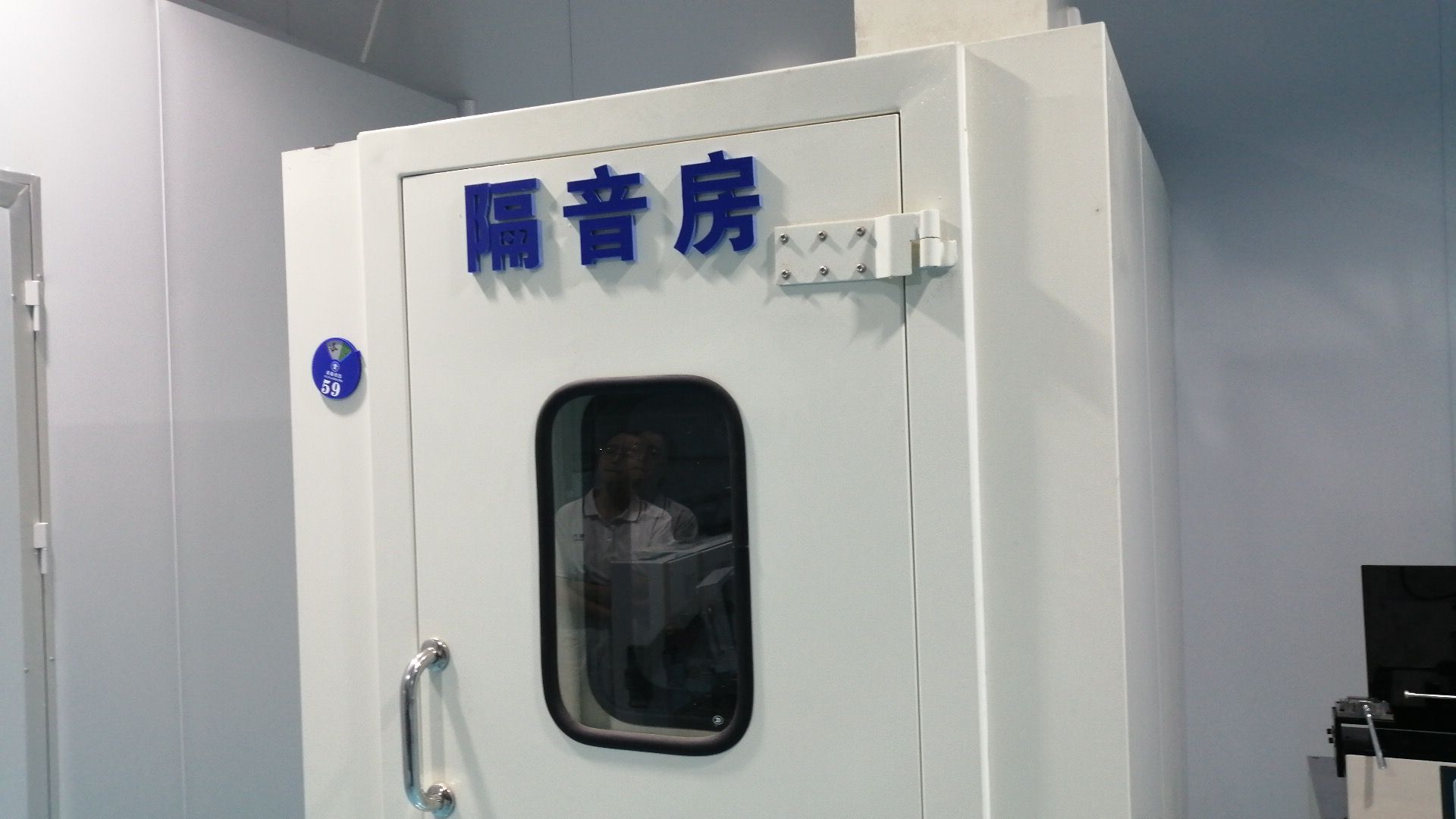
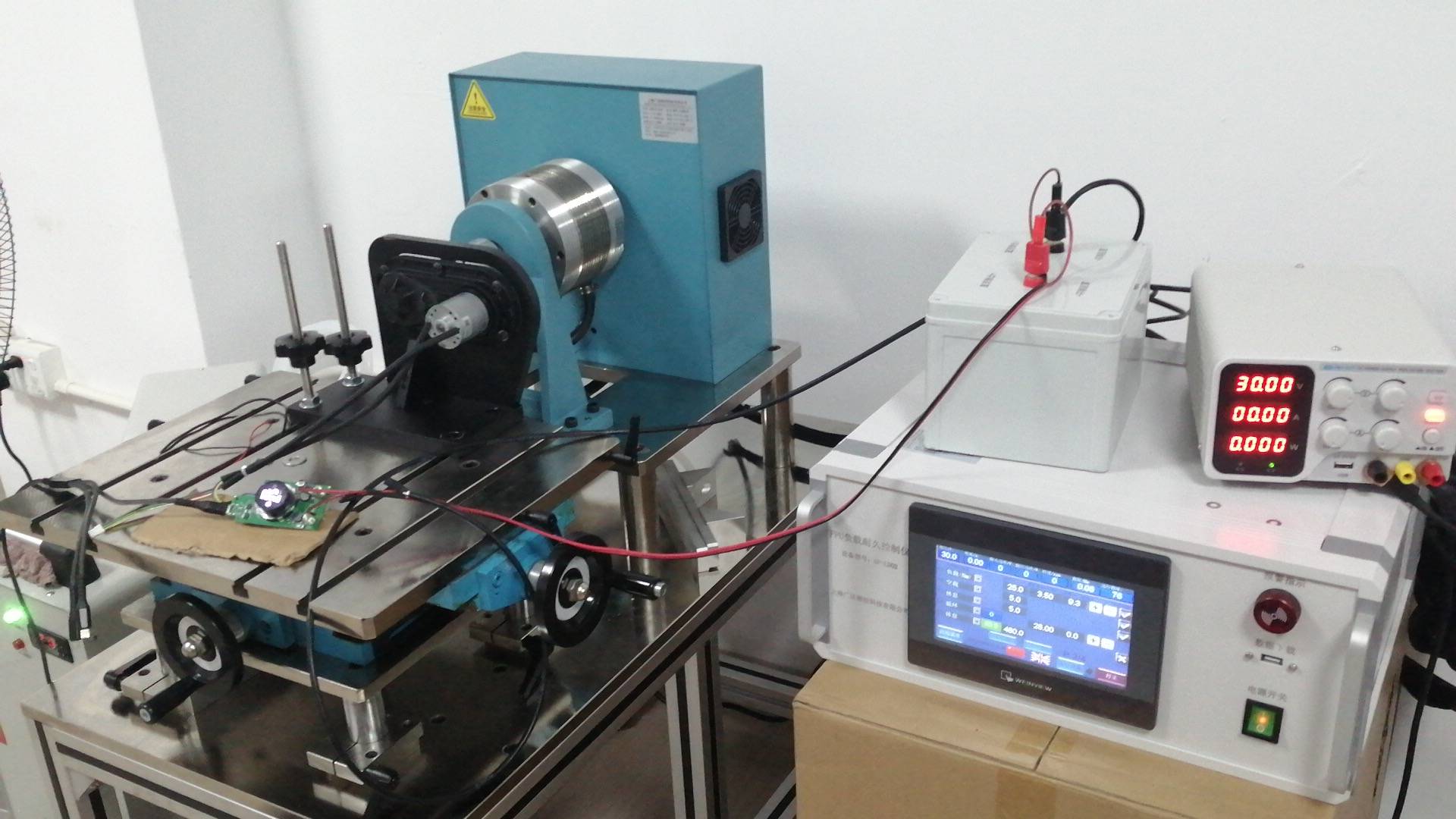
Our R&D roadmap focuses on three primary pillars of small-scale motion system design.
Developing micro-sized Field-Oriented Controllers (FOC) integrated within the motor housing, reducing cabling, improving efficiency, and saving space in tight installations.
Utilizing high-strength polymer-metal hybrid gears and high-precision gear geometries to achieve noise levels below 35 dB for medical applications.
Rolling out AI-assisted vision systems and end-of-line acoustic testing to monitor build consistency across all production lines.
Clear answers to technical, manufacturing, and sourcing inquiries from professional engineers and sourcing managers.
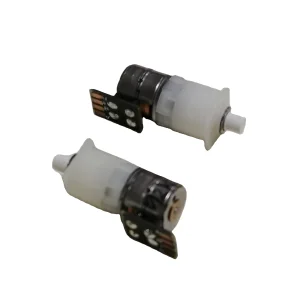
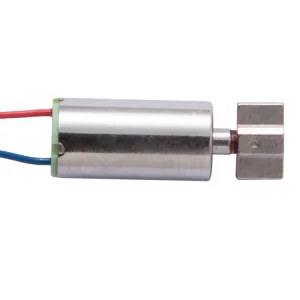
Broadening design options with micro stepper gearmotors, right-angle worm geartrains, and vibrating micro motors.
 TorqFlex Motor