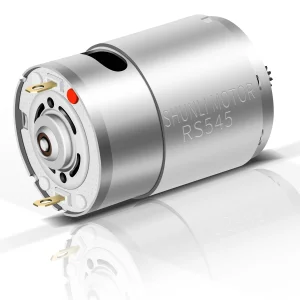
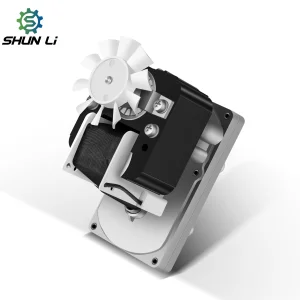
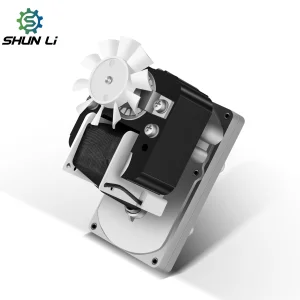
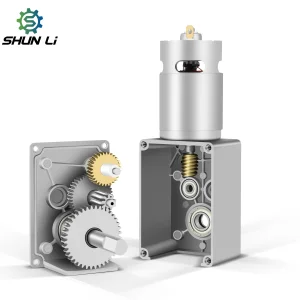
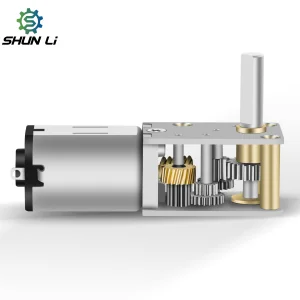
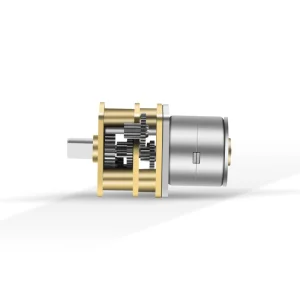
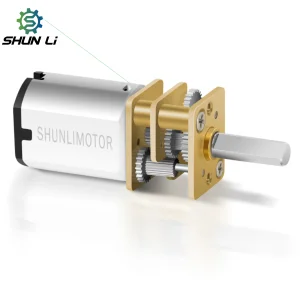
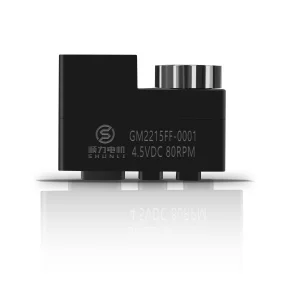
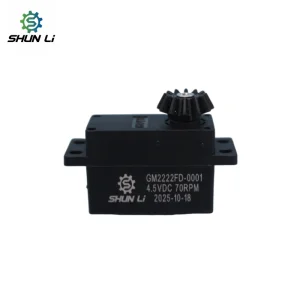
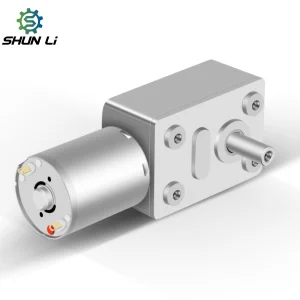
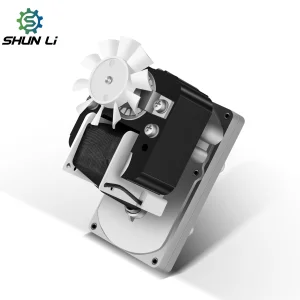
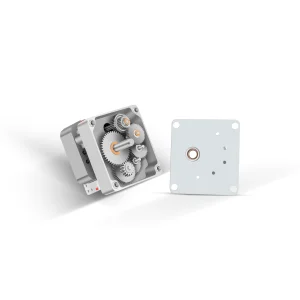
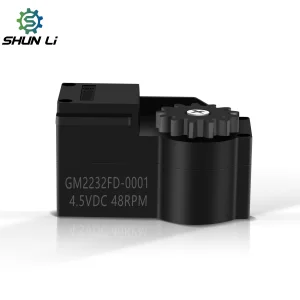
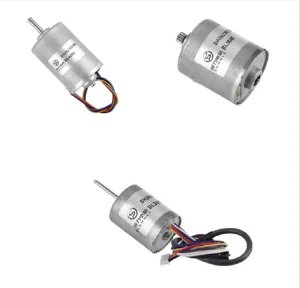
Discover our primary selection of high-responsiveness micro-drives, designed to eliminate delay, maximize startup torque, and provide surgical accuracy for dynamic automation architectures.
At TorqFlex, we measure our success in micrometers and decibels. We understand that inside a premium robotic joint, a medical dosing pump, or a high-end smart lock, space is the ultimate luxury. Our mission is to pack maximum torque, unyielding durability, and near-silent acoustics into the most compact footprints imaginable.
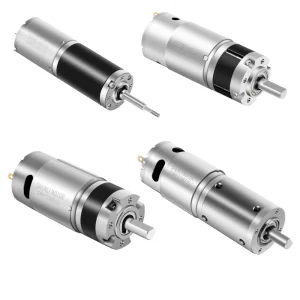
Our expertise lies in the harmony of miniature engineering. From precision-wound rotors and high-purity copper commutators to custom-designed planetary gearheads, every component inside a TorqFlex micro motor is optimized for low energy consumption and a friction-free lifespan. We constantly push the limits of micro-drive tech, utilizing advanced automated Swiss-style hobbing and Japanese dynamic balancing to ensure that our internal gear trains operate with zero-backlash precision. When the integrity of your high-tech device hangs on repeated mechanical perfection, TorqFlex delivers the silent power that anchors your design.
In modern mechatronics, "high responsiveness" is not just a qualitative descriptor; it is defined by a motor's ability to achieve rapid acceleration, change directions with minimal deceleration curves, and respond to input control commands with near-zero latency. For an OEM custom motor manufacturer, achieving these characteristics requires optimization across three core fields: electromagnetic simulation, rotor mass minimization, and dynamic control integration.
The mechanical time constant ($\tau_m$) of a DC motor governs its acceleration rate. By reducing the rotor radius and utilizing coreless winding configurations, we minimize the moment of inertia ($J$). Our custom coreless motor topologies eliminate the iron core structure completely, replacing it with a self-supporting, oblique-wound copper basket. This results in ultra-low inertia and eliminates cogging torque entirely, allowing for smooth, fluid motion even at speeds up to 10,000 RPM.
By integrating high-grade NdFeB (Neodymium Iron Boron) permanent magnets with optimized flux paths, we achieve exceptionally high torque density. When designing customized solutions, we run Finite Element Method (FEM) simulations to refine stator geometry. This ensures that the air gap between the rotor and stator is maximized for flux utilization while maintaining structural and thermal reliability under peak current impulses.
High responsiveness requires a fast electromechanical interface. Our motor configurations support customized, high-resolution optical and magnetic encoders that feed positional data back to the controller in microsecond intervals. Integrated with low-inductance windings, our motors respond to pulse-width modulation (PWM) adjustments immediately, minimizing lag in highly sensitive applications like robotic joints and medical injection pumps.
Industrial markets worldwide are migrating from general-purpose electromechanical solutions toward highly tailored, purpose-built drive systems. Procurement teams are no longer searching merely for catalog parts; they require collaborative engineering partners capable of managing strict OEM specifications, localized quality compliance, and rapid prototyping lifecycles.
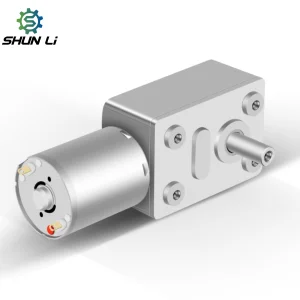
Modern security environments demand locking mechanisms that deploy in fractions of a second with maximum reliability. Custom 4.5V and 12V worm gear configurations deliver self-locking physical security paired with microsecond torque release, ensuring that smart locks and commercial entrance controls function without mechanical jam states.
In syringe pumps and diagnostic diagnostic instruments, fluid delivery must be managed at microliter resolution. Our high-responsiveness miniature motors, utilizing high-density magnetic poles and customized gear reduction profiles, prevent overrun and supply consistent, pulseless rotation to preserve dosing accuracy.
Modern passenger vehicles integrate up to 100 micro-motors for smart venting, active grille shutters, and electronic throttle valves. These environments require extensive thermal adaptation, EMI suppression filters, and extreme resilience against high-vibration stresses to operate continuously over the vehicle's lifespan.
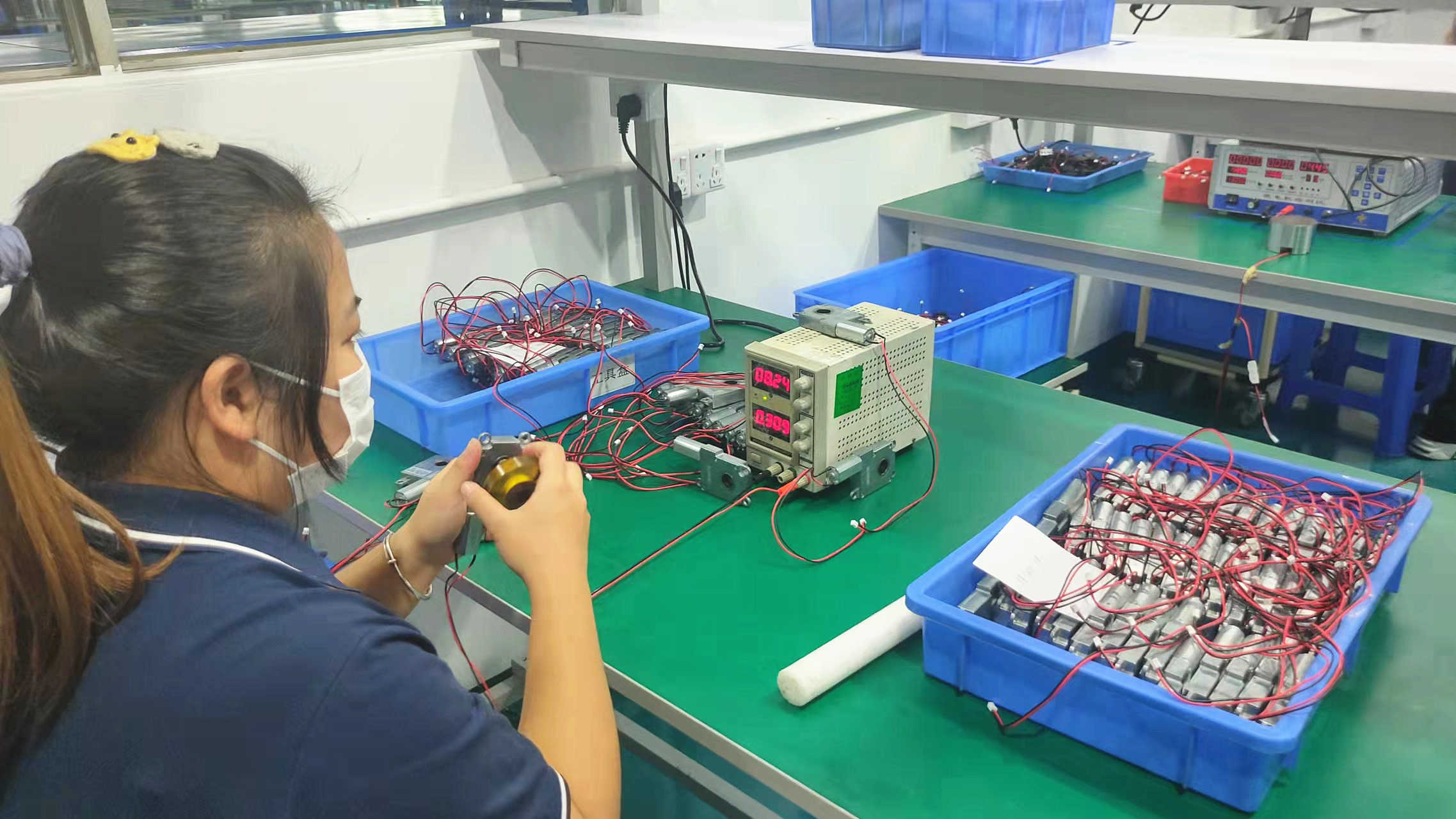
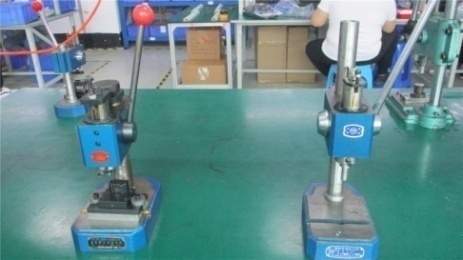
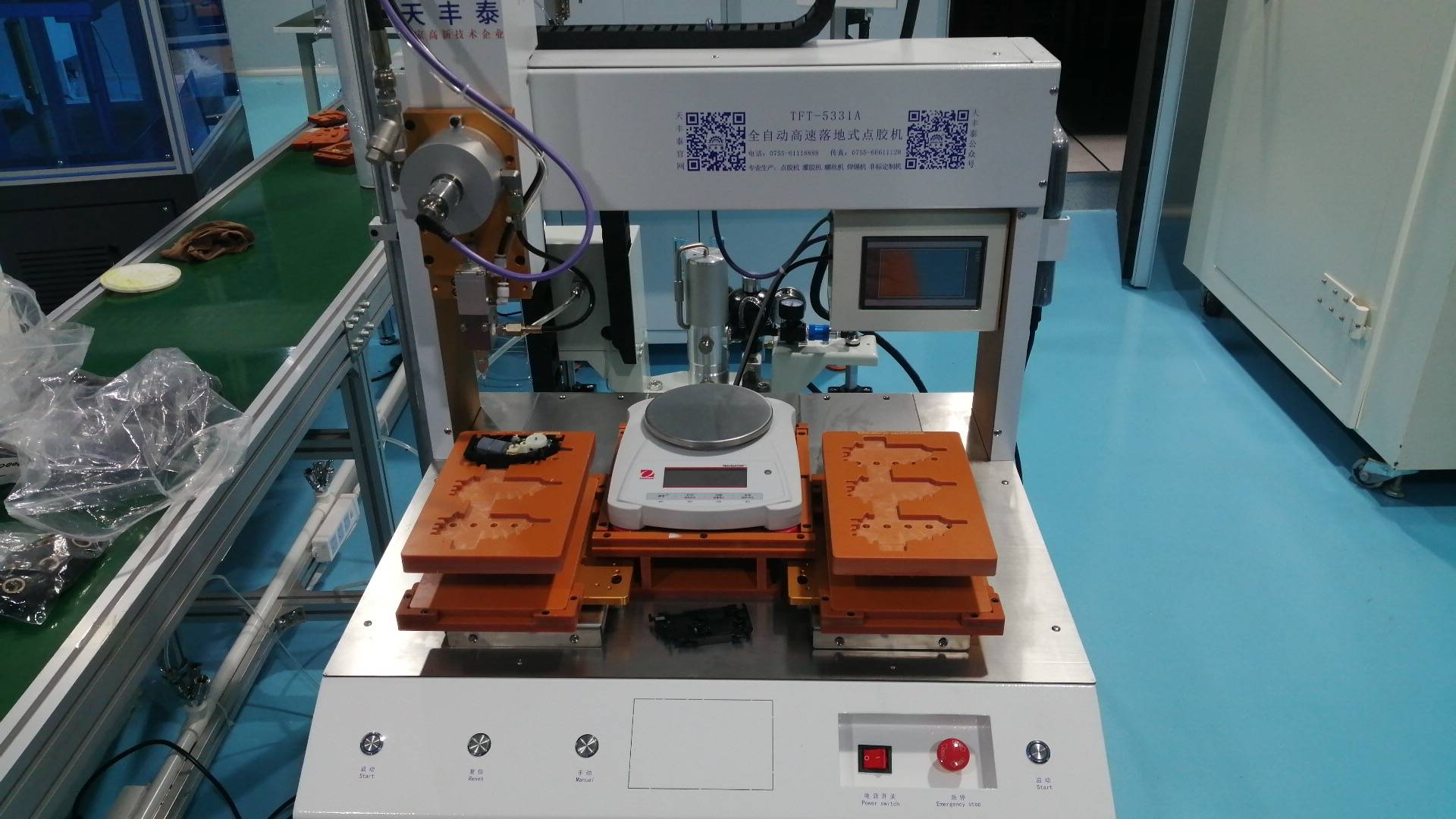
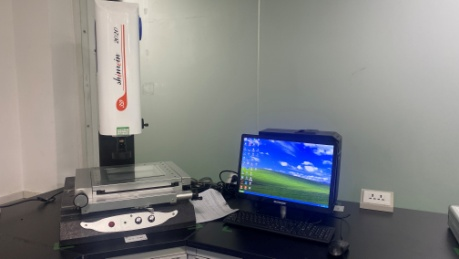
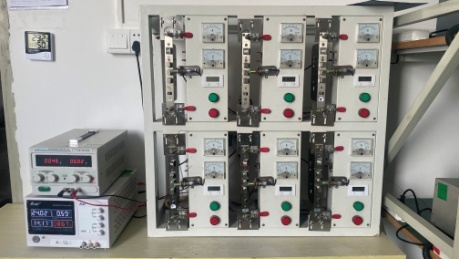
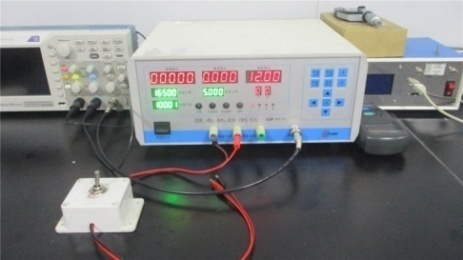
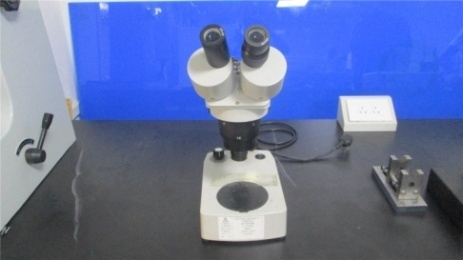
From raw copper ingot inspection to dynamic balancing and automated protective packaging, our factory integrates computerized oversight at every junction of the manufacturing pipeline.
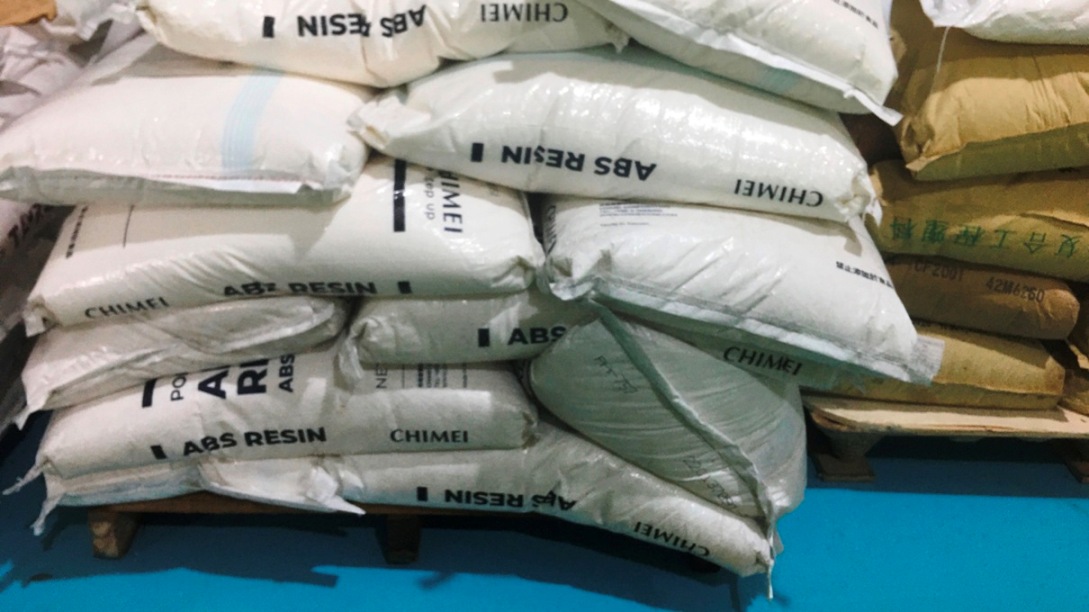
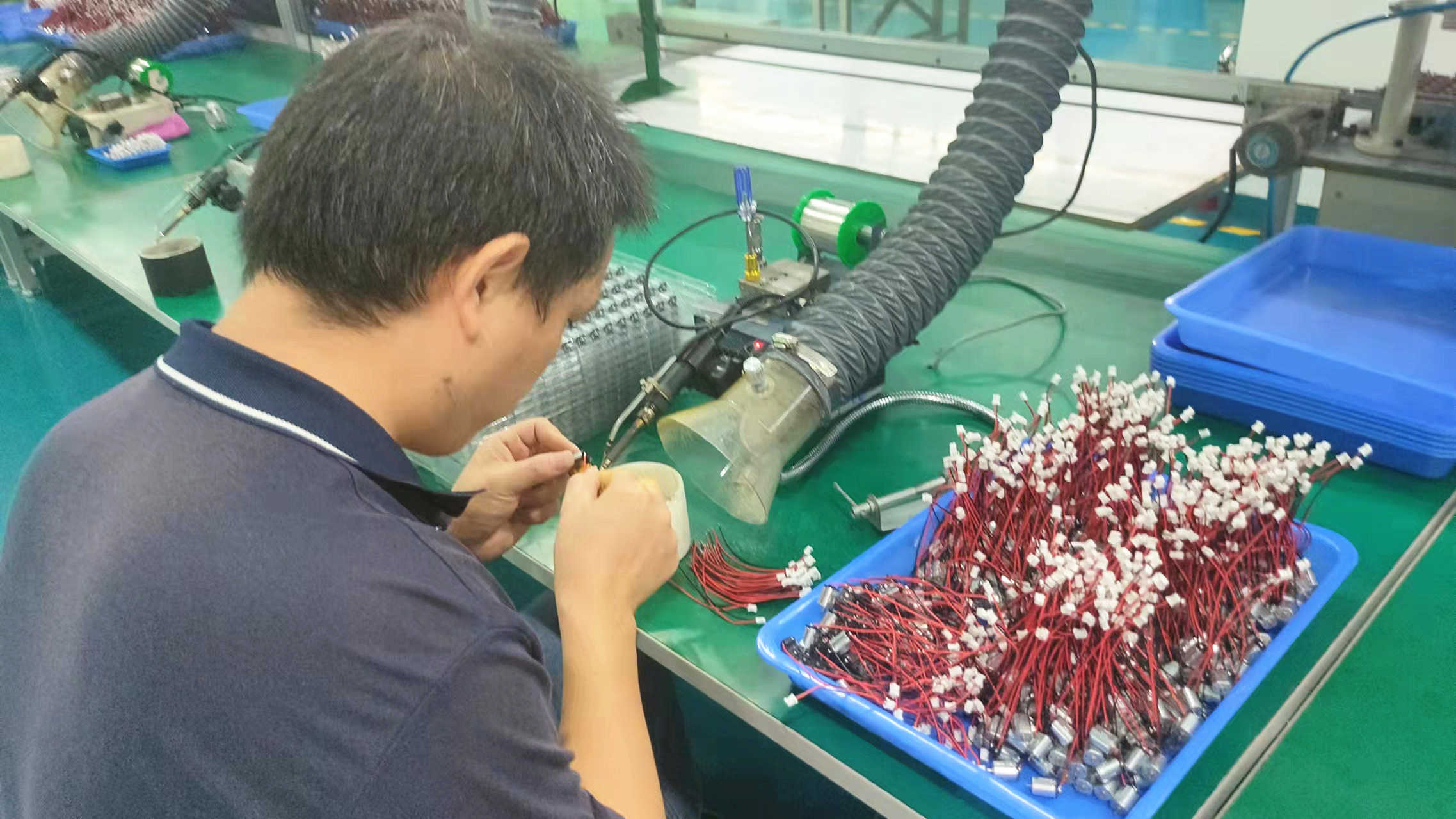
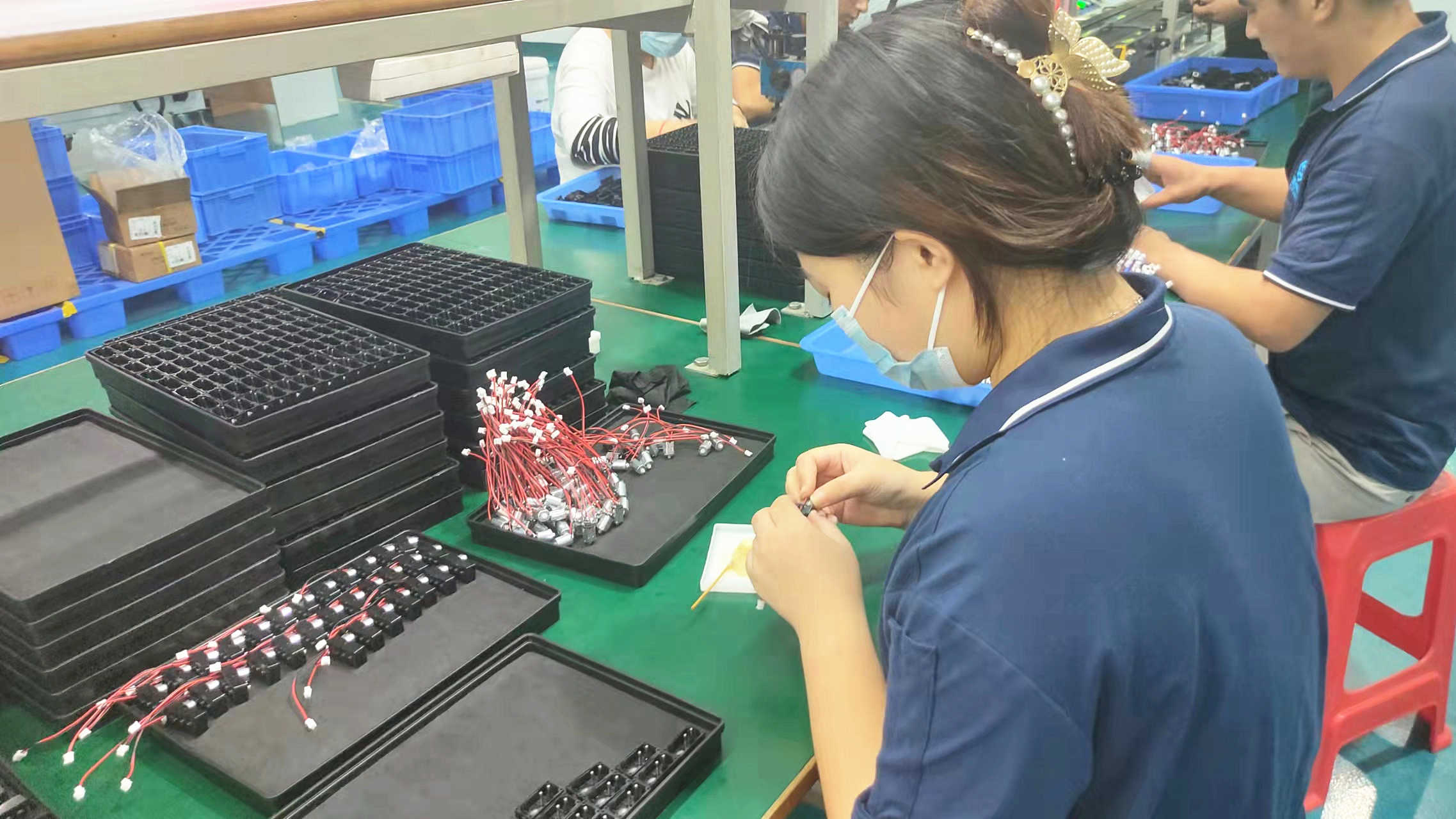
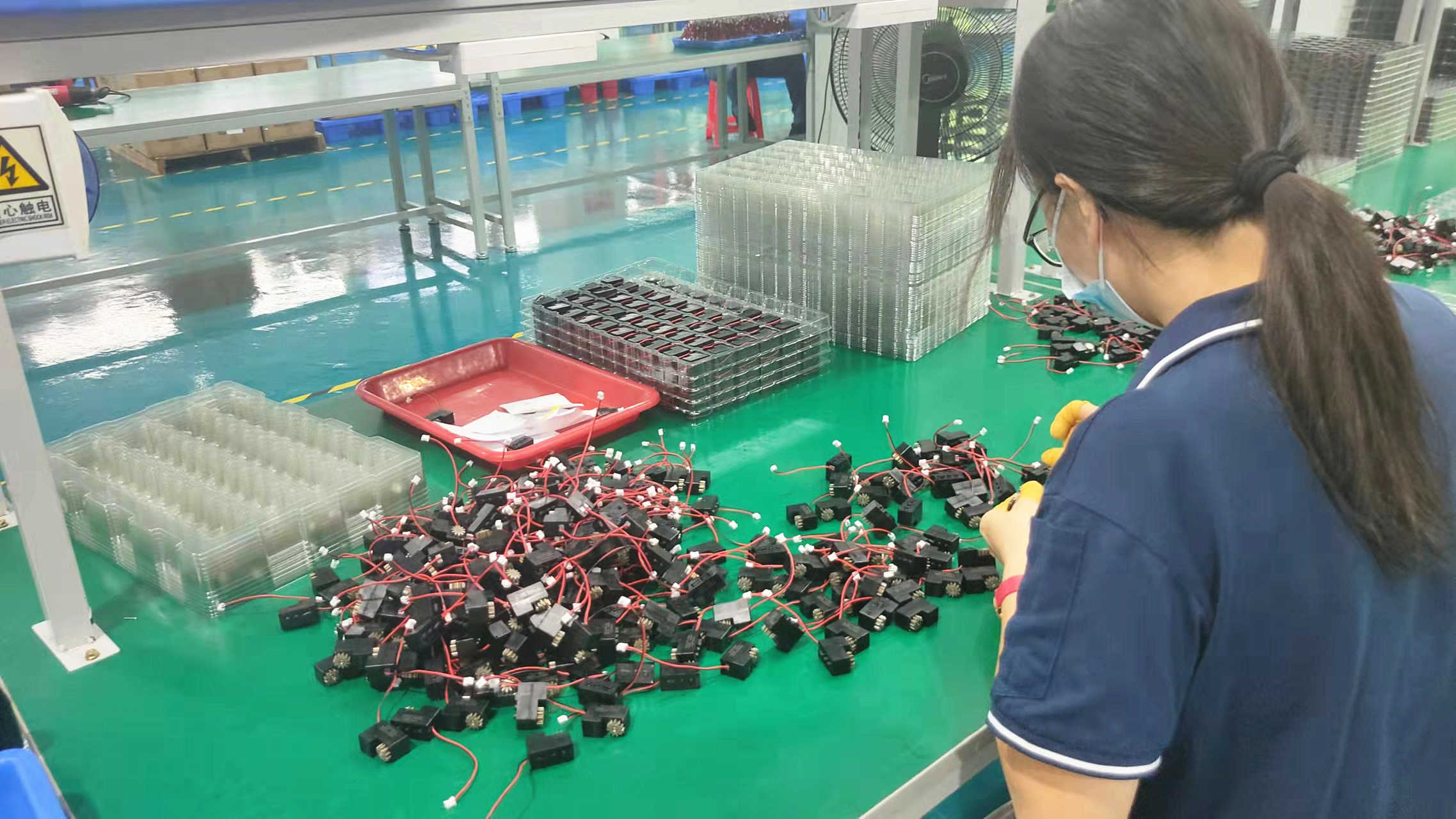
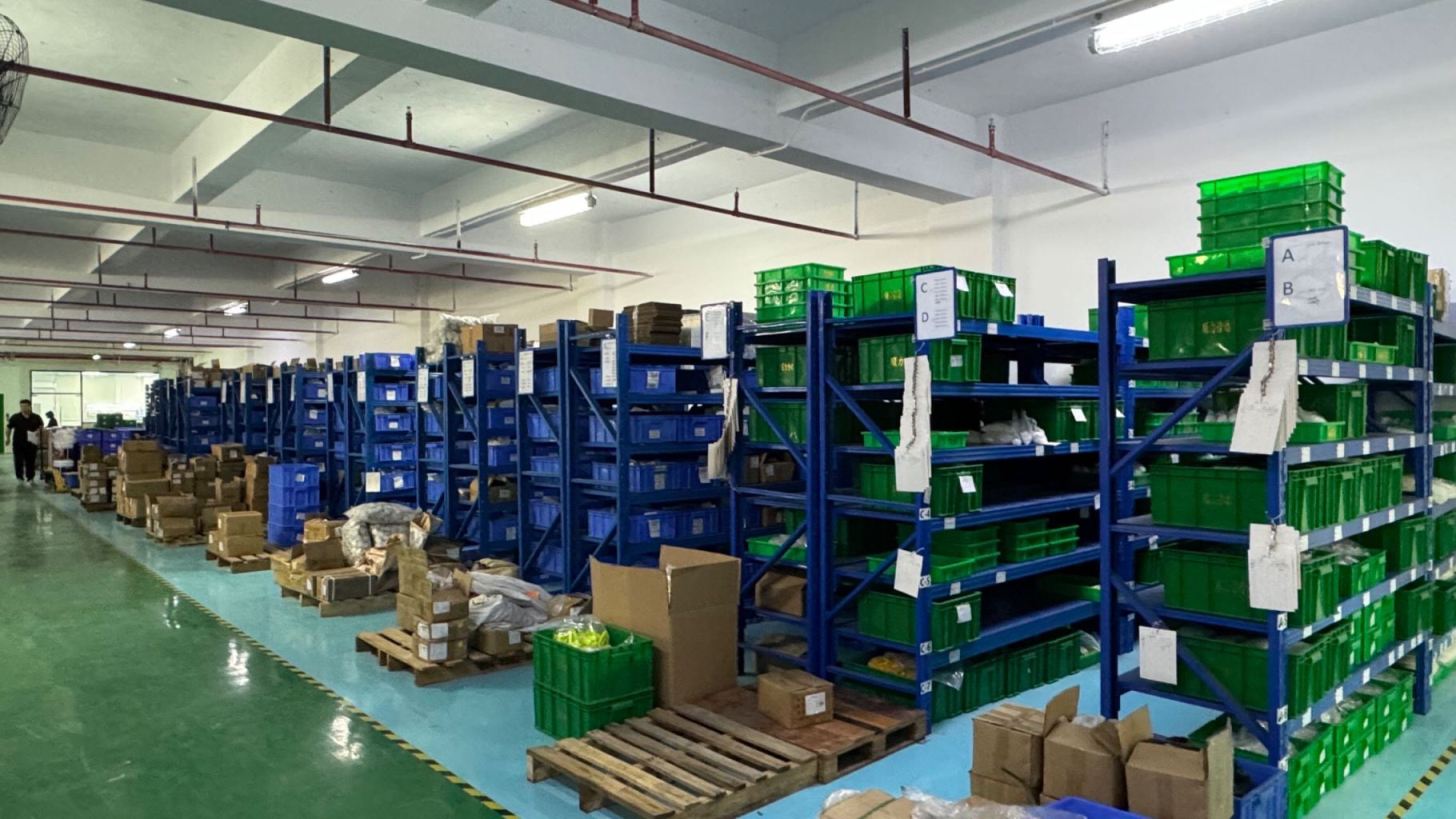
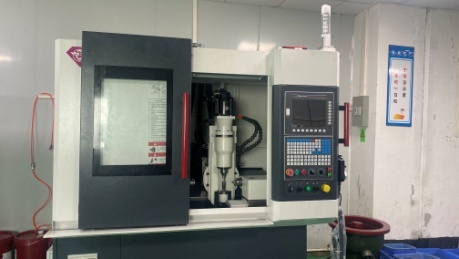
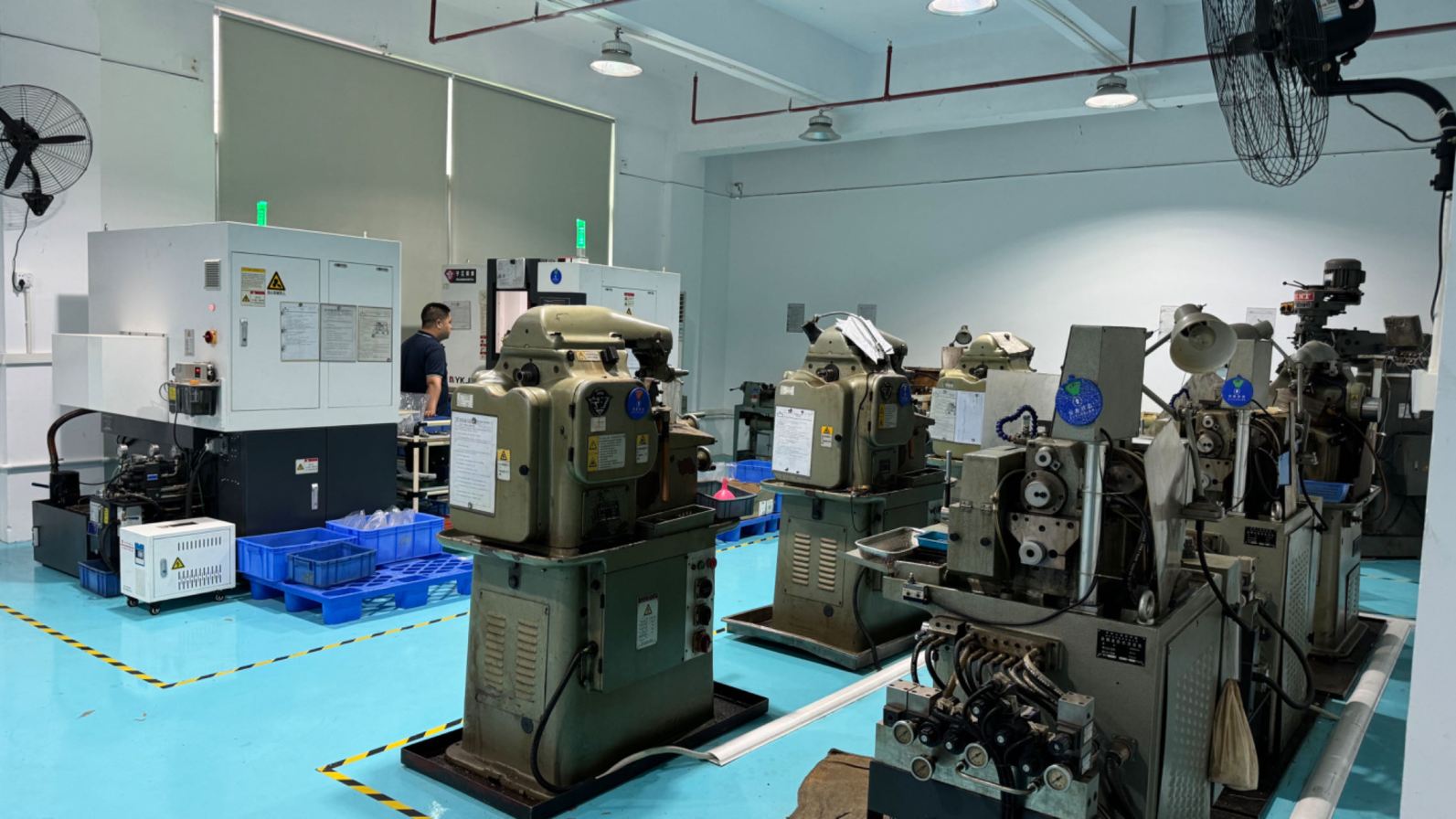
To produce micro-gears with zero backlash and tight spatial clearances, our factory floor relies on high-grade Swiss and Japanese precision machining platforms. This heavy manufacturing layout allows us to execute micromachining operations to tolerances of $\pm 0.002$ mm.
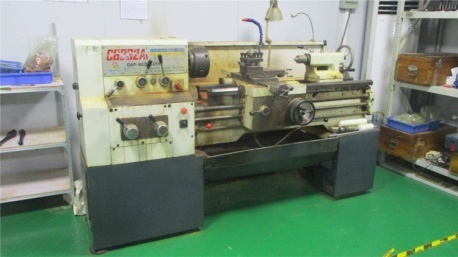
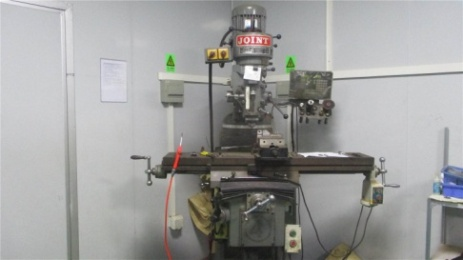
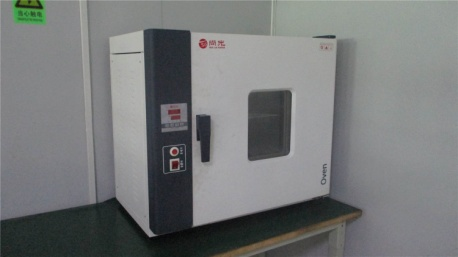
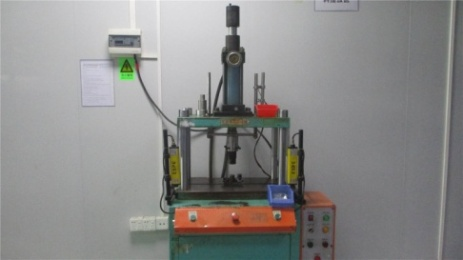
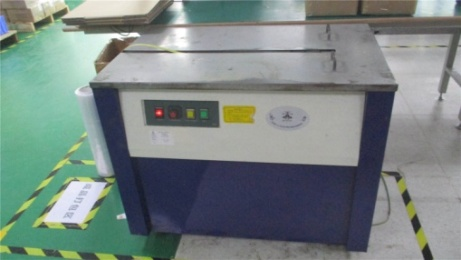
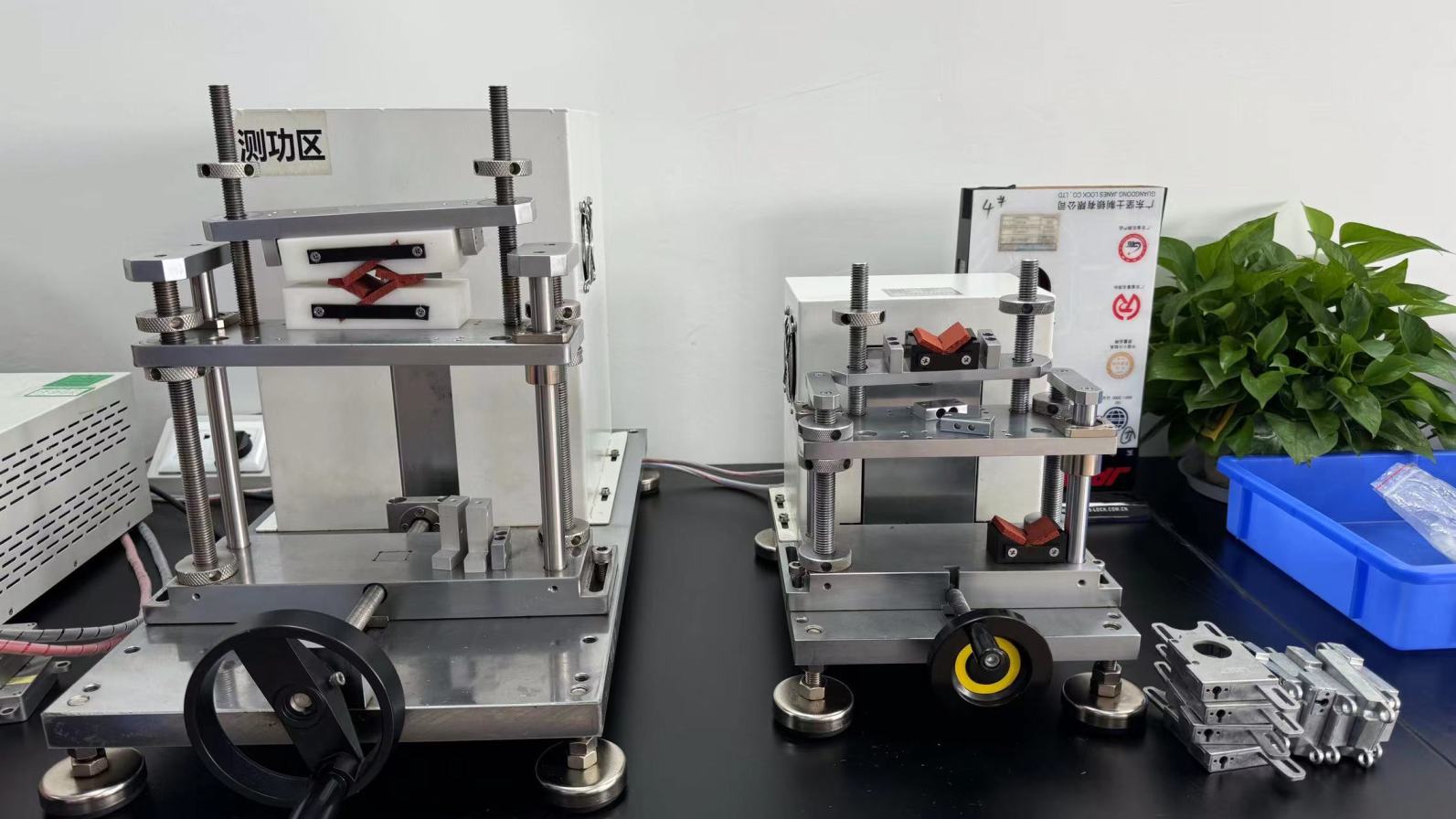
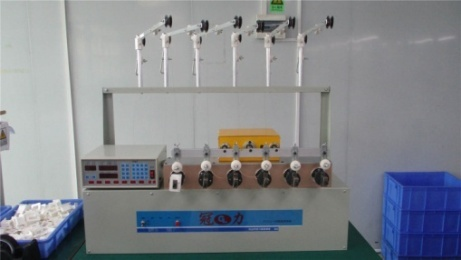
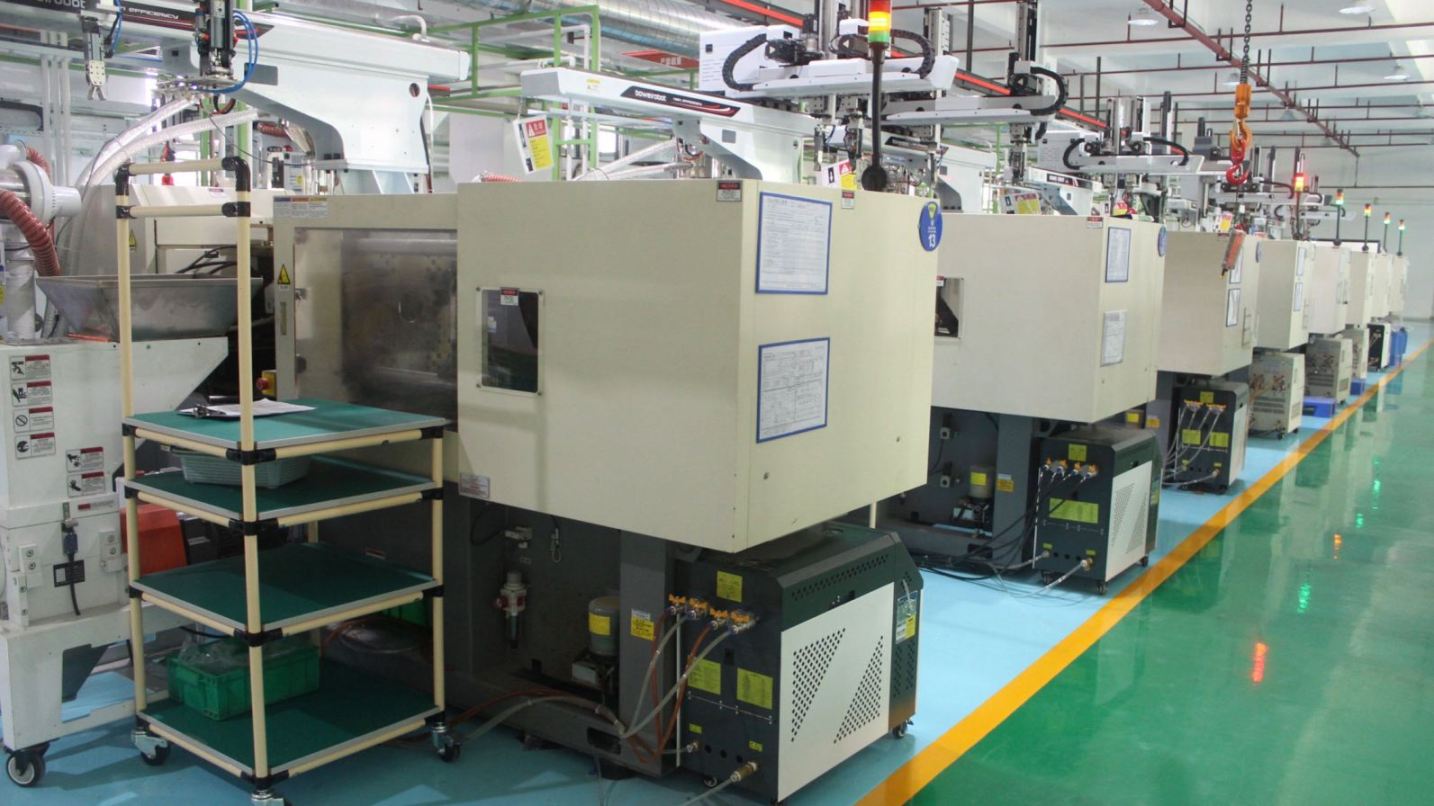
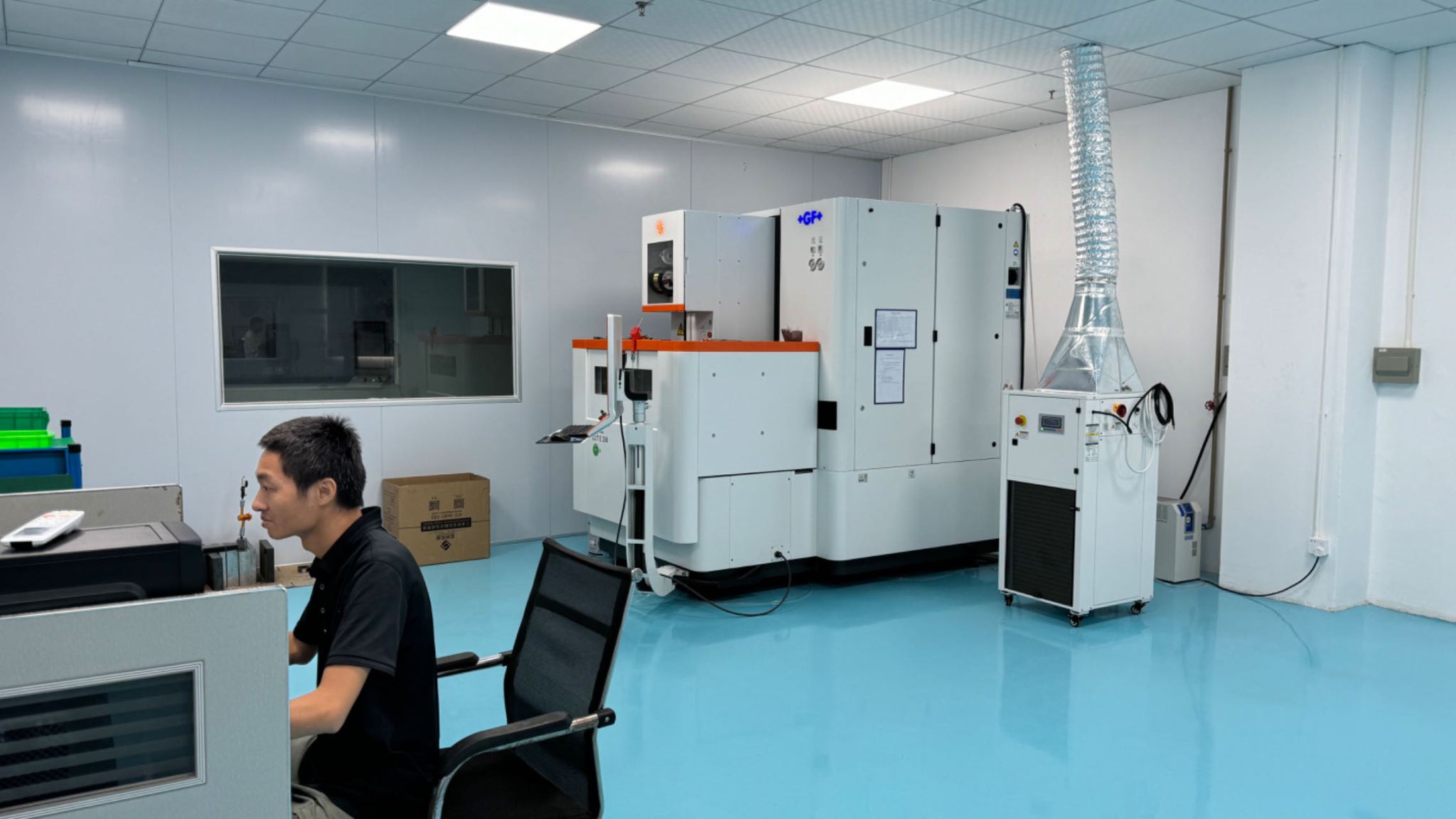
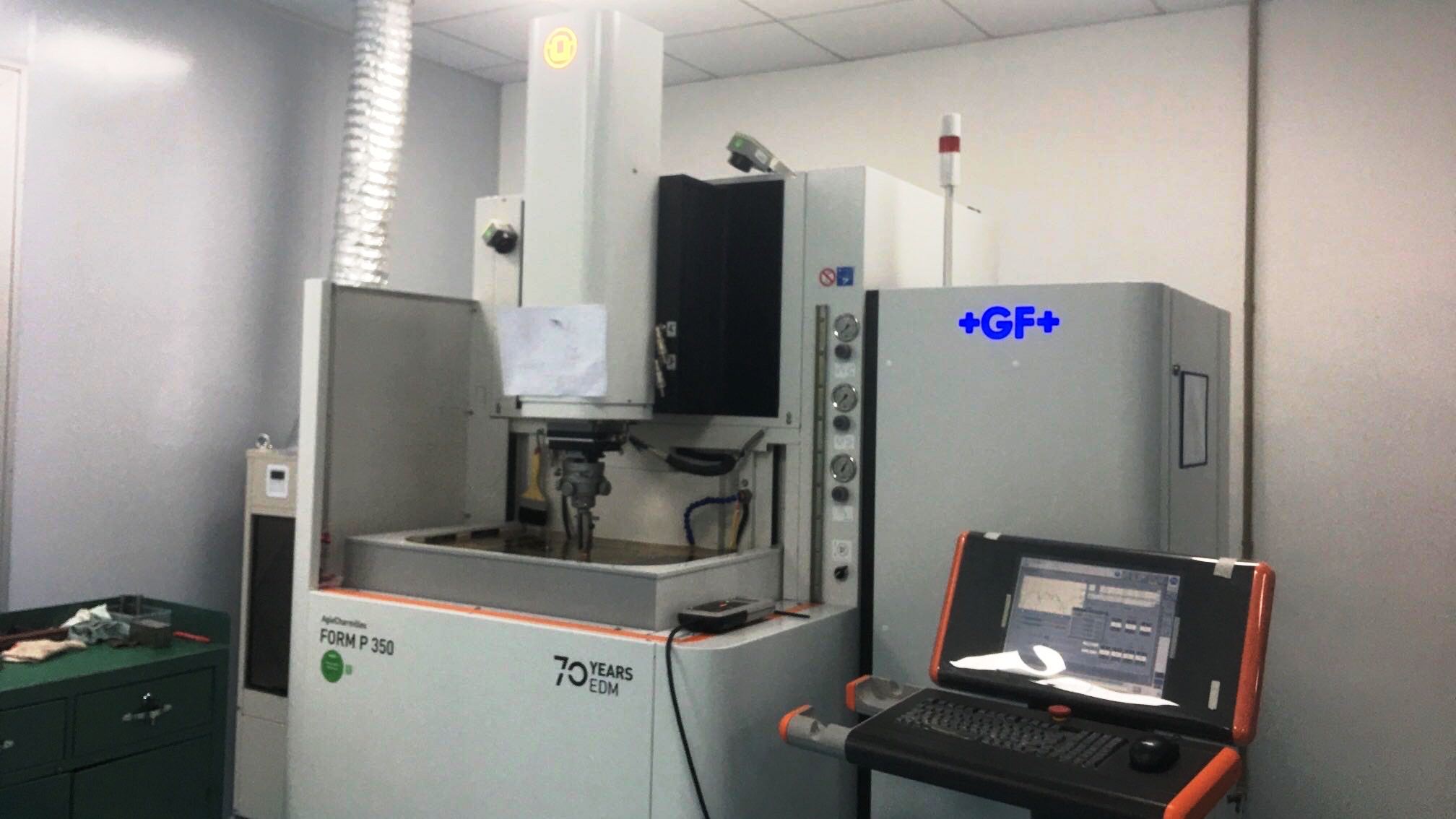
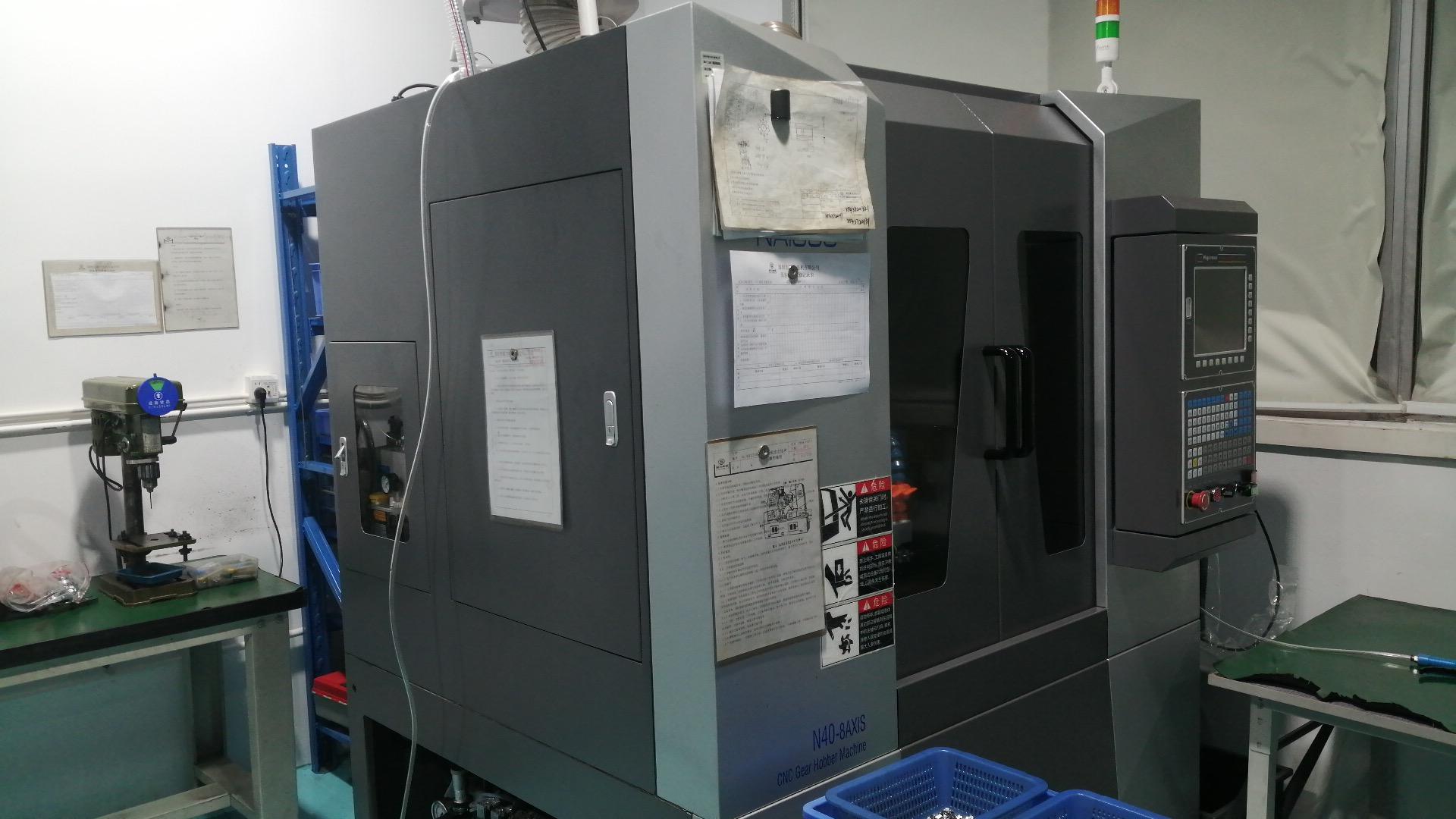
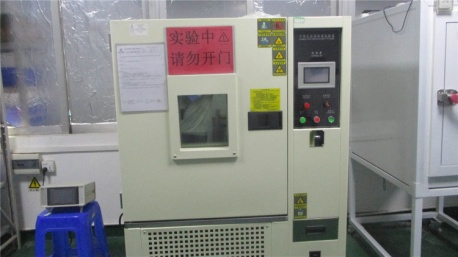
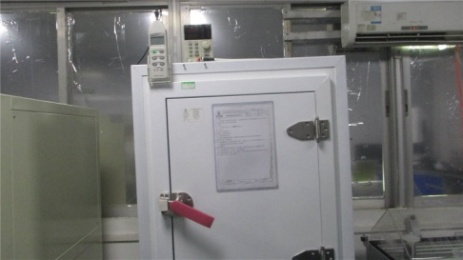
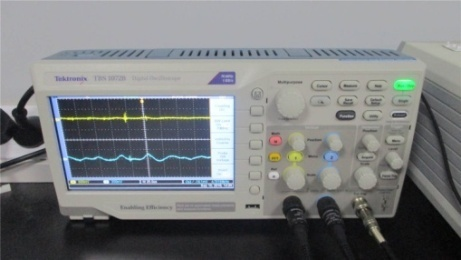
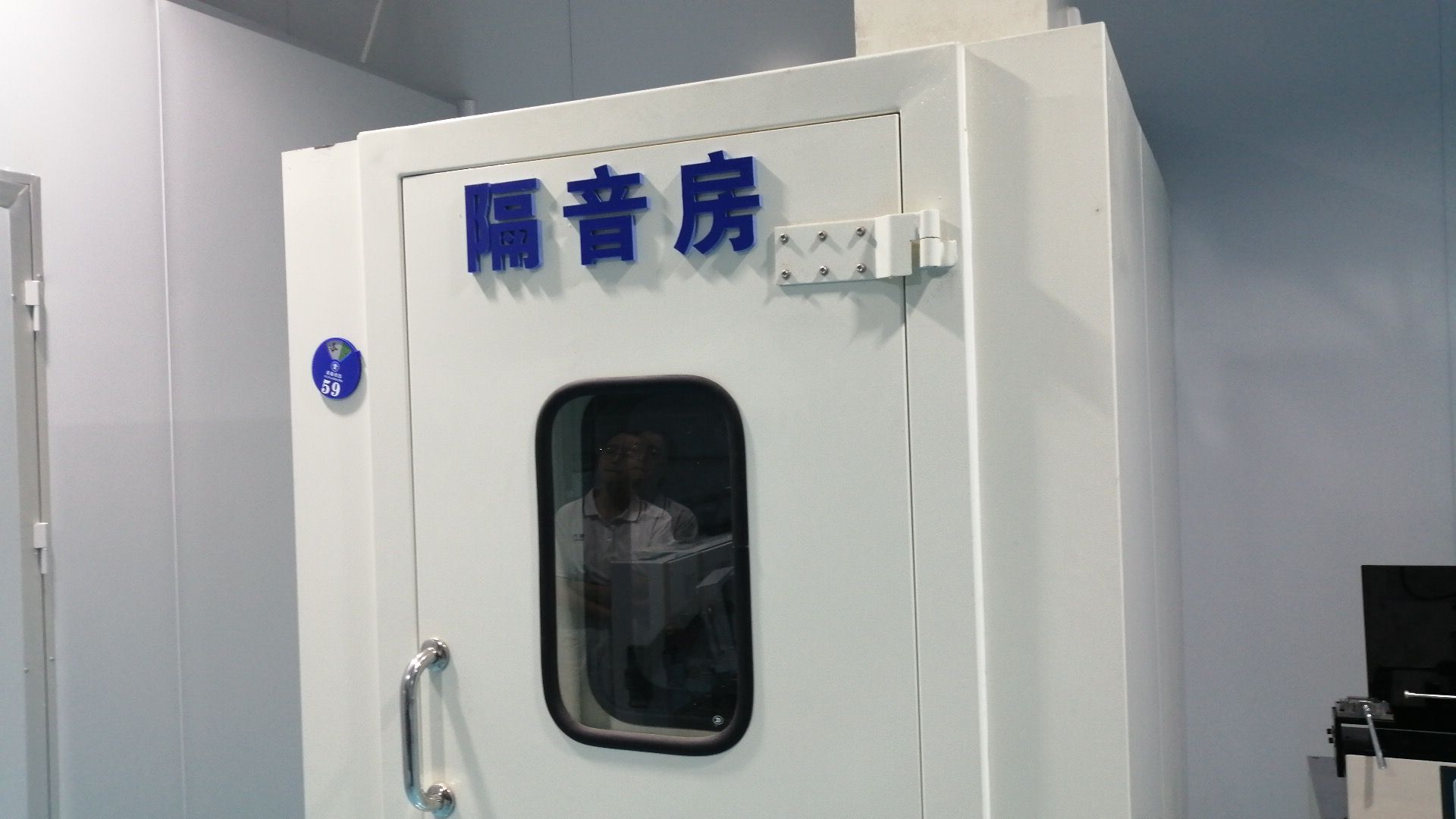
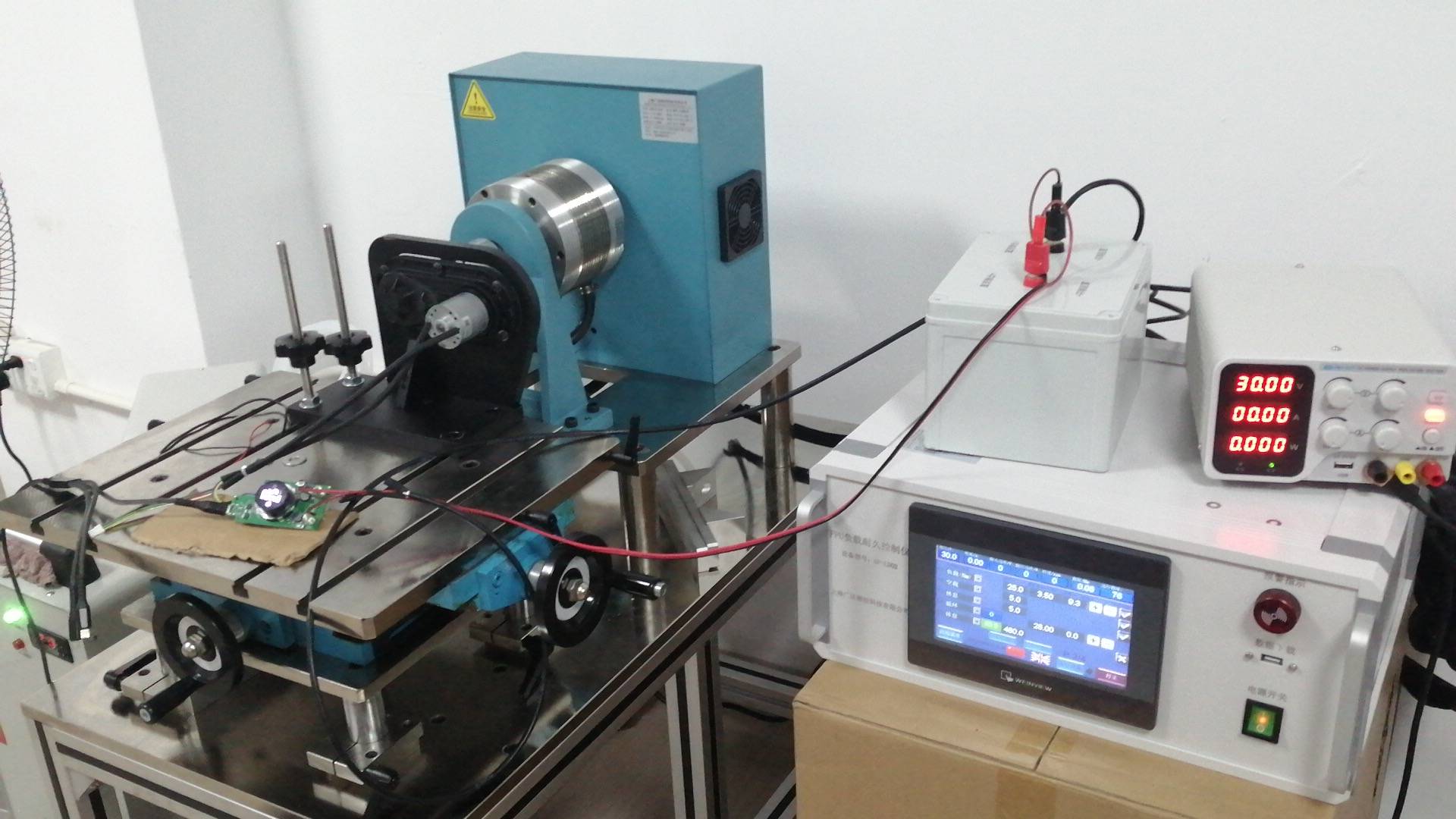
Every OEM design is subjected to strict stress profiling to evaluate its lifecycle, thermal dissipation limits, and acoustic characteristics. Our labs operate continuously, testing products under simulated harsh environments.
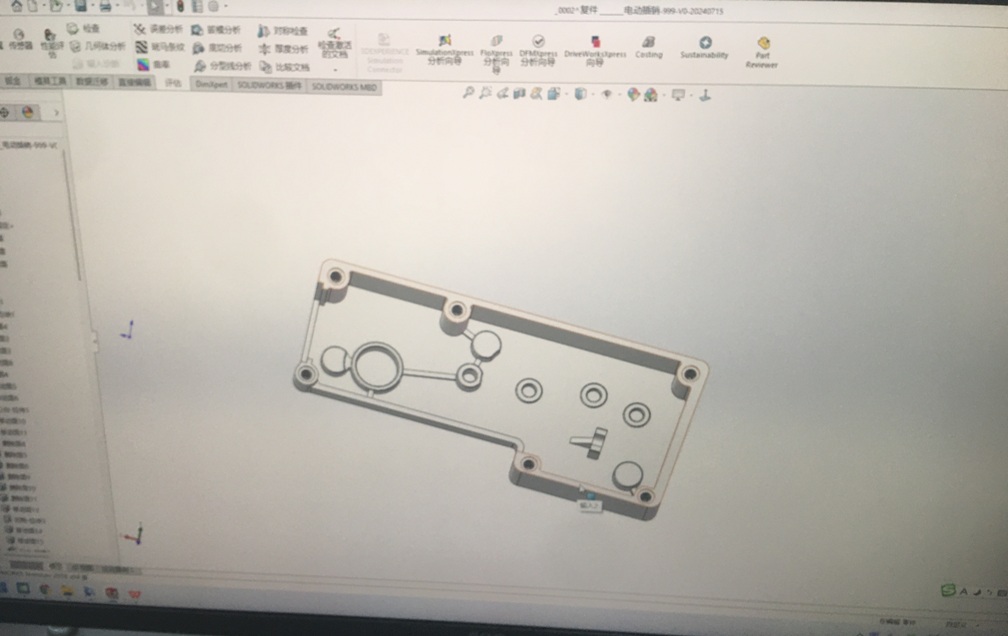
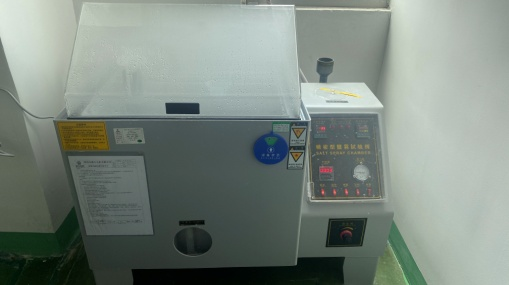
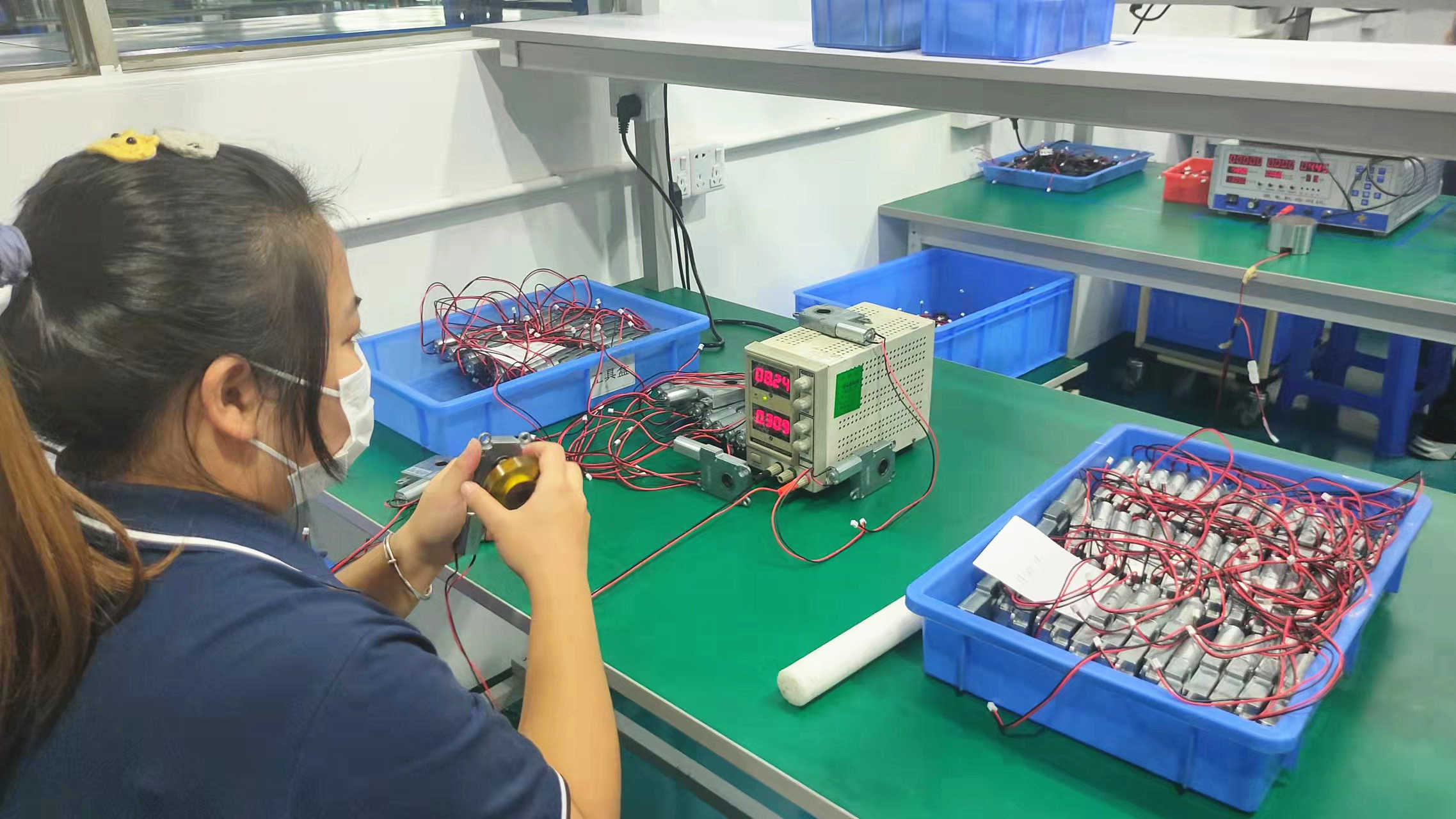
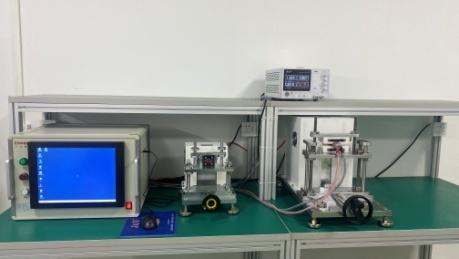
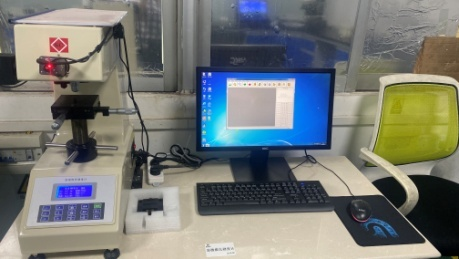
The drive toward absolute micro-efficiency is shaping the future of mechatronics. Our engineering team focuses on three key innovations to guide our OEM offerings over the coming years:
By placing driver electronics directly on the rear frame of the motor housing, we reduce electromagnetic interference (EMI) and eliminate complex wiring setups. These smart actuators communicate via industrial protocols (CANopen, Modbus, EtherCAT) to facilitate fast, decentralized adjustments.
To operate under demanding thermal constraints, we are researching iron-nitrogen alloy magnets and high-thermal-limit resins. This allows our micro-drive units to retain dynamic magnetic properties even at continuous operating temperatures exceeding 150°C.
Deploying additive manufacturing techniques to print custom copper stator paths allows us to maximize the copper fill factor beyond traditional needle-winding limits. This structural change significantly reduces internal resistance ($R_a$) and raises torque output parameters.
For global industrial OEMs, production security is just as important as engineering specifications. Our custom manufacturing operations are backed by strict quality and logistical protocols to keep your assembly line moving smoothly.
Our products comply fully with major international standards, including CE, UL, RoHS, and REACH. For automotive applications, we maintain production pipelines compliant with IATF 16949, ensuring detailed documentation, material traceability, and low PPM failure rates.
To shield partners from ocean freight disruptions, we support safety-stock warehousing programs and Kanban delivery agreements. This guarantees a steady supply of customized gearmotors to regional distribution hubs in North America, Western Europe, and East Asia.
We provide rapid engineering support through our regional Field Application Engineers (FAE). From initial design integration analysis to on-site testing and diagnostic assistance, our team is positioned to resolve issues quickly.
Review our engineering team's detailed answers to frequently asked design, procurement, and integration questions.
The dynamic response speed of a gearmotor is primarily determined by its mechanical time constant ($\tau_m$), which represents the time required for a motor to reach 63.2% of its no-load speed under a step-voltage input. The key variables include:
Standard DC motors place copper windings within slots on an iron rotor core. As these iron teeth pass the permanent magnets on the stator, they experience magnetic attraction variations, creating cogging torque. This variations can cause vibrations and uneven rotation at low speeds.
Coreless motors bypass this by winding the copper wire into a self-supporting basket structure, eliminating the iron rotor core completely. Because there is no iron to attract the magnets, the winding moves smoothly through the magnetic gap without cogging torque, allowing for uniform speed control and quick startup responses.
Because miniature motors offer less surface area for heat dissipation, temperature management is critical. We address this challenge through several design strategies:
Worm gear systems are ideal when design space is limited and self-locking capabilities are required. The key benefits include:
Our engineering team specializes in deep customization to meet specific performance and packaging requirements, including:
Examine our broader range of customized gear motors and actuator designs, built to support specific speed, torque, and mounting constraints.
 TorqFlex Motor