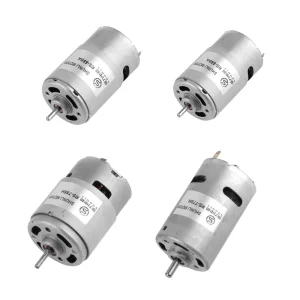
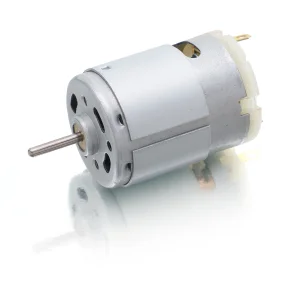
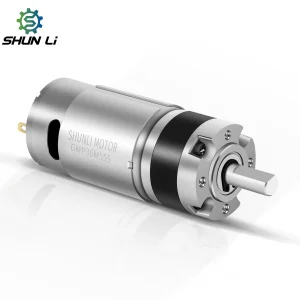
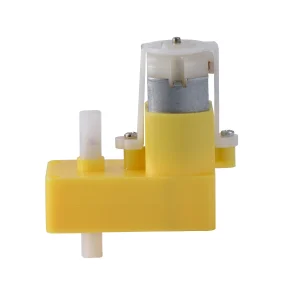
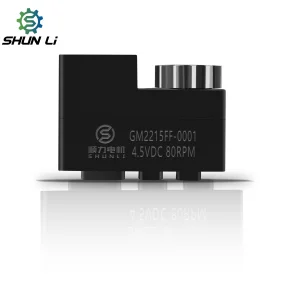
High-torque, high-efficiency low voltage and alternating current motor series built for high-performance automation.
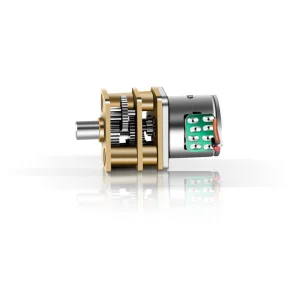
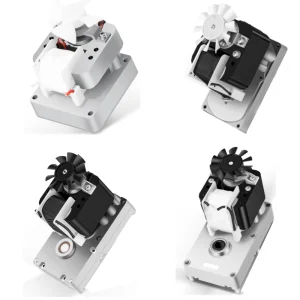
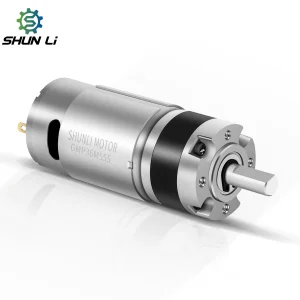
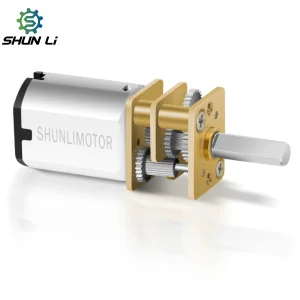
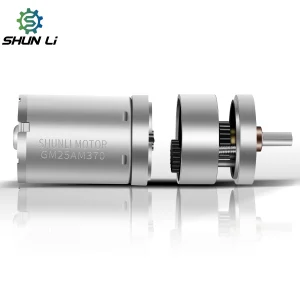
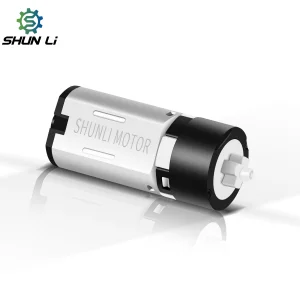
The global industrial landscape is undergoing a profound paradigm shift. As industries push toward carbon neutrality, grid intelligence, and deep mechanical automation, the demand for highly efficient electrical drive systems has reached unprecedented heights. At the core of this transition are three-phase induction motors and advanced micro-drive units, representing the heavy muscles and fine nervous systems of modern industrial ecosystems.
Whether driving large industrial compressors in Munich, running water treatment pumps in Texas, or powering precision surgical instruments in Tokyo, motor reliability dictates structural uptime. China's manufacturing sector has migrated from basic cost-arbitrage systems to a premier global cluster of mechanical and electrical engineering. This change is catalyzed by major upgrades to structural copper winding, automated stator alignment, and dynamic balancing machines that output exceptionally low-vibration assemblies.
Today, global procurement teams do not just buy horsepower; they procure compliance, long-term efficiency standards (such as European IE3 and IE4 ratings), optimized thermal footprints, and stable cross-border supply chains. This technical guide outlines how Chinese manufacturing integrates high-capacity raw materials with premium precision machinery to deliver global-grade rotating machinery.

At TorqFlex, we measure our success in micrometers and decibels. We understand that inside a premium robotic joint, a medical dosing pump, or a high-end smart lock, space is the ultimate luxury. Our mission is to pack maximum torque, unyielding durability, and near-silent acoustics into the most compact footprints imaginable.
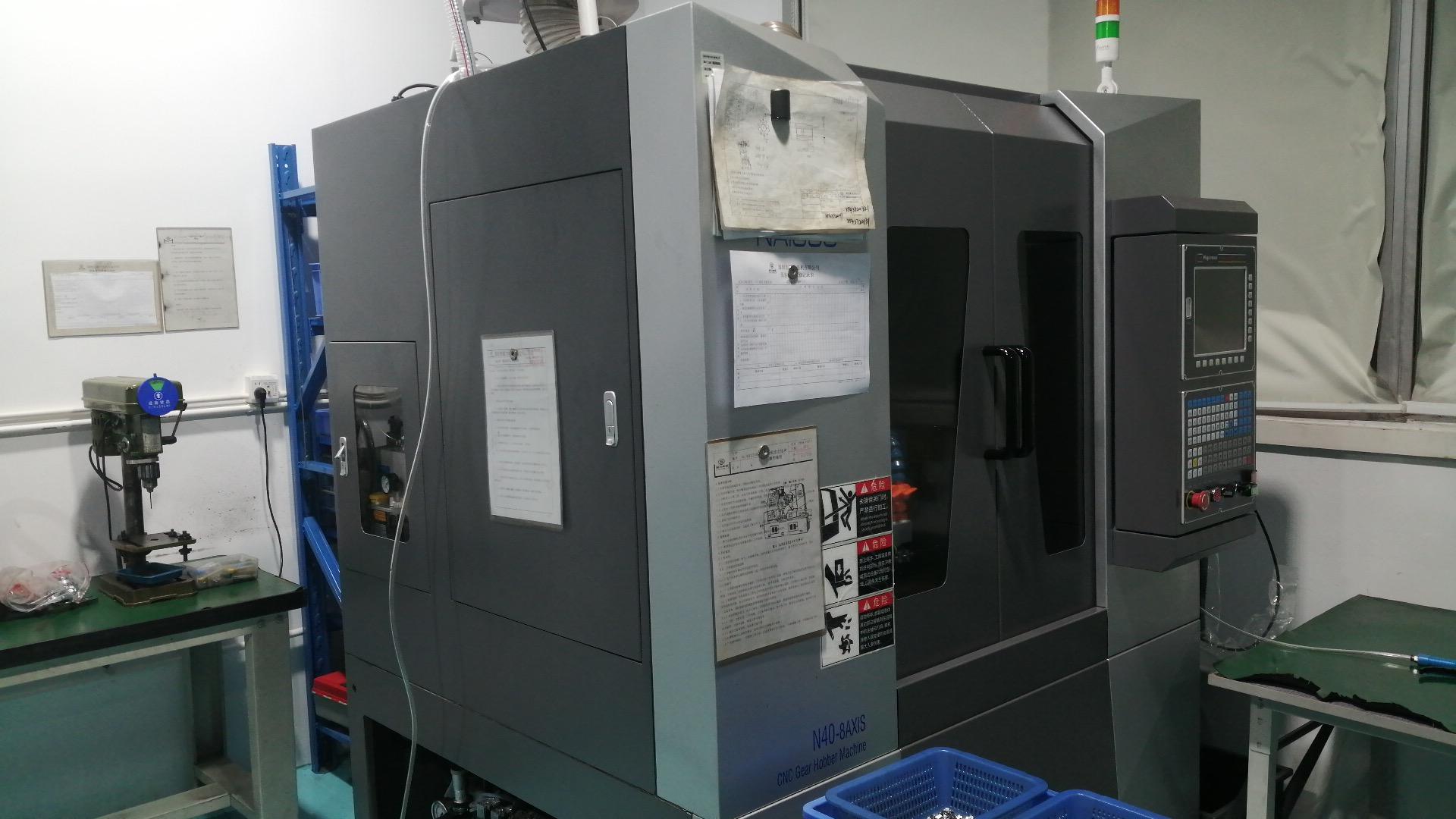
Our expertise lies in the harmony of miniature engineering. From precision-wound rotors and high-purity copper commutators to custom-designed planetary gearheads, every component inside a TorqFlex micro motor is optimized for low energy consumption and a friction-free lifespan. We constantly push the limits of micro-drive tech, utilizing advanced automated Swiss-style hobbing and Japanese dynamic balancing to ensure that our internal gear trains operate with zero-backlash precision. When the integrity of your high-tech device hangs on repeated mechanical perfection, TorqFlex delivers the silent power that anchors your design.
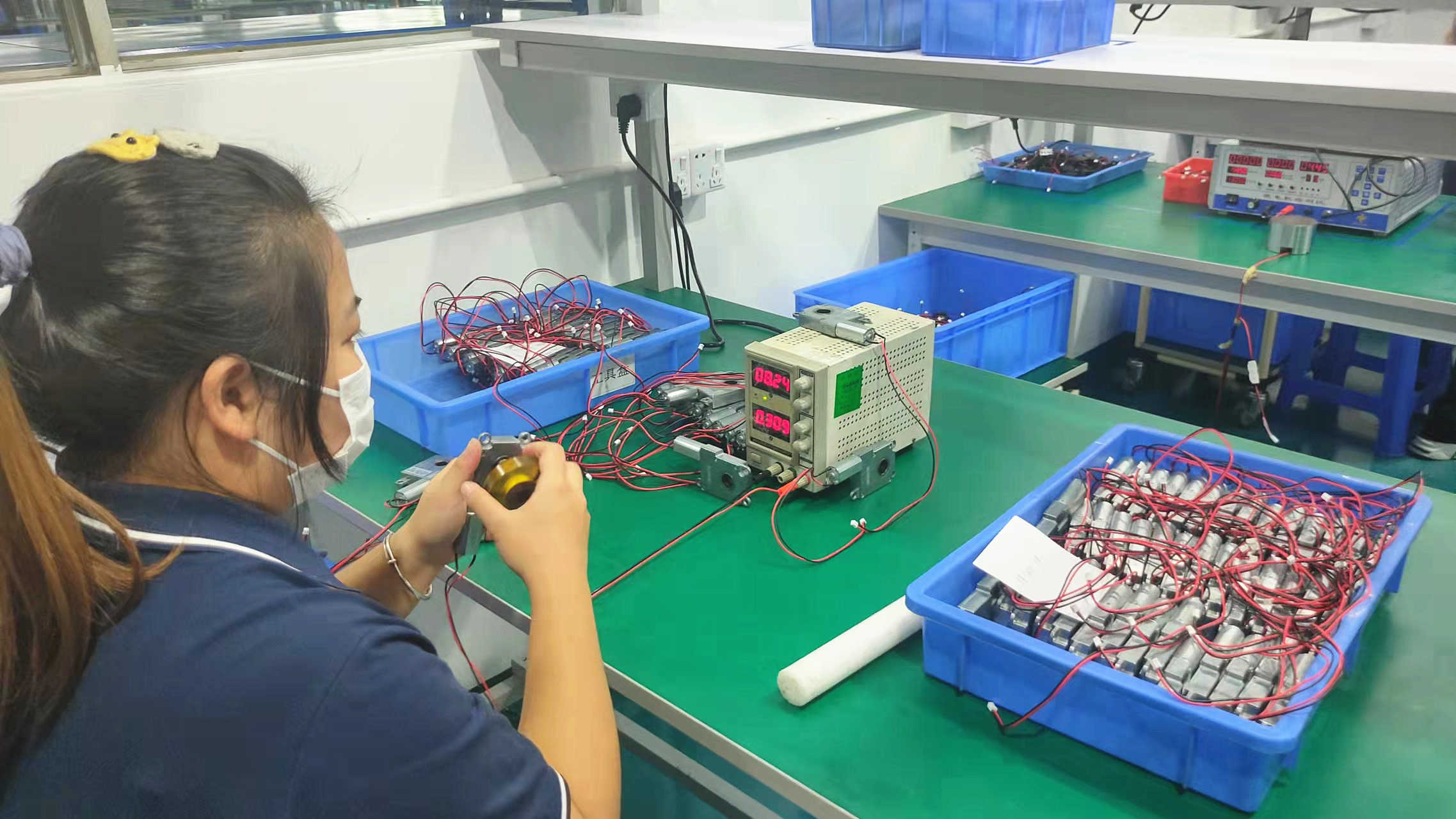
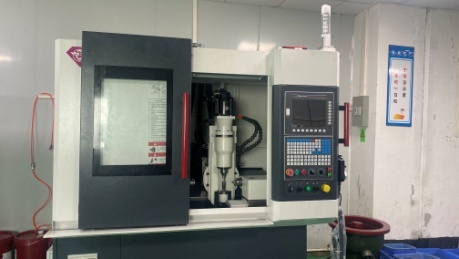
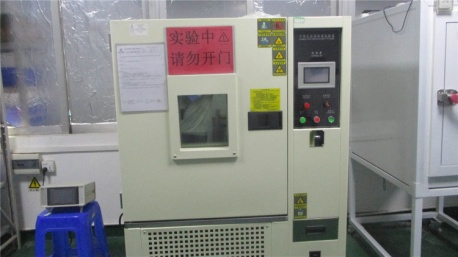
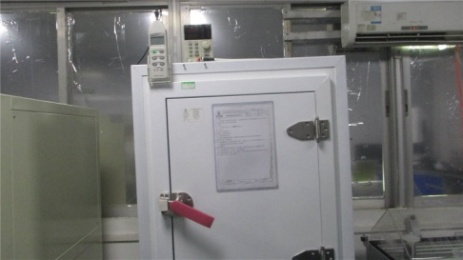
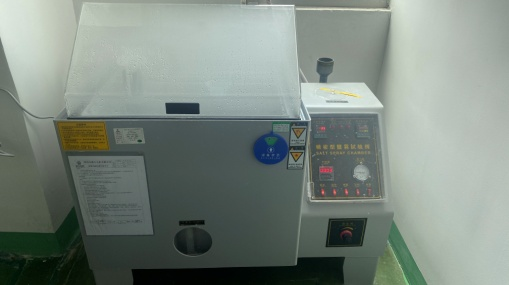
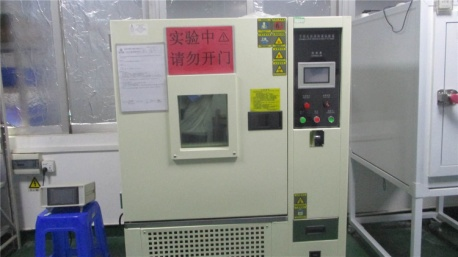
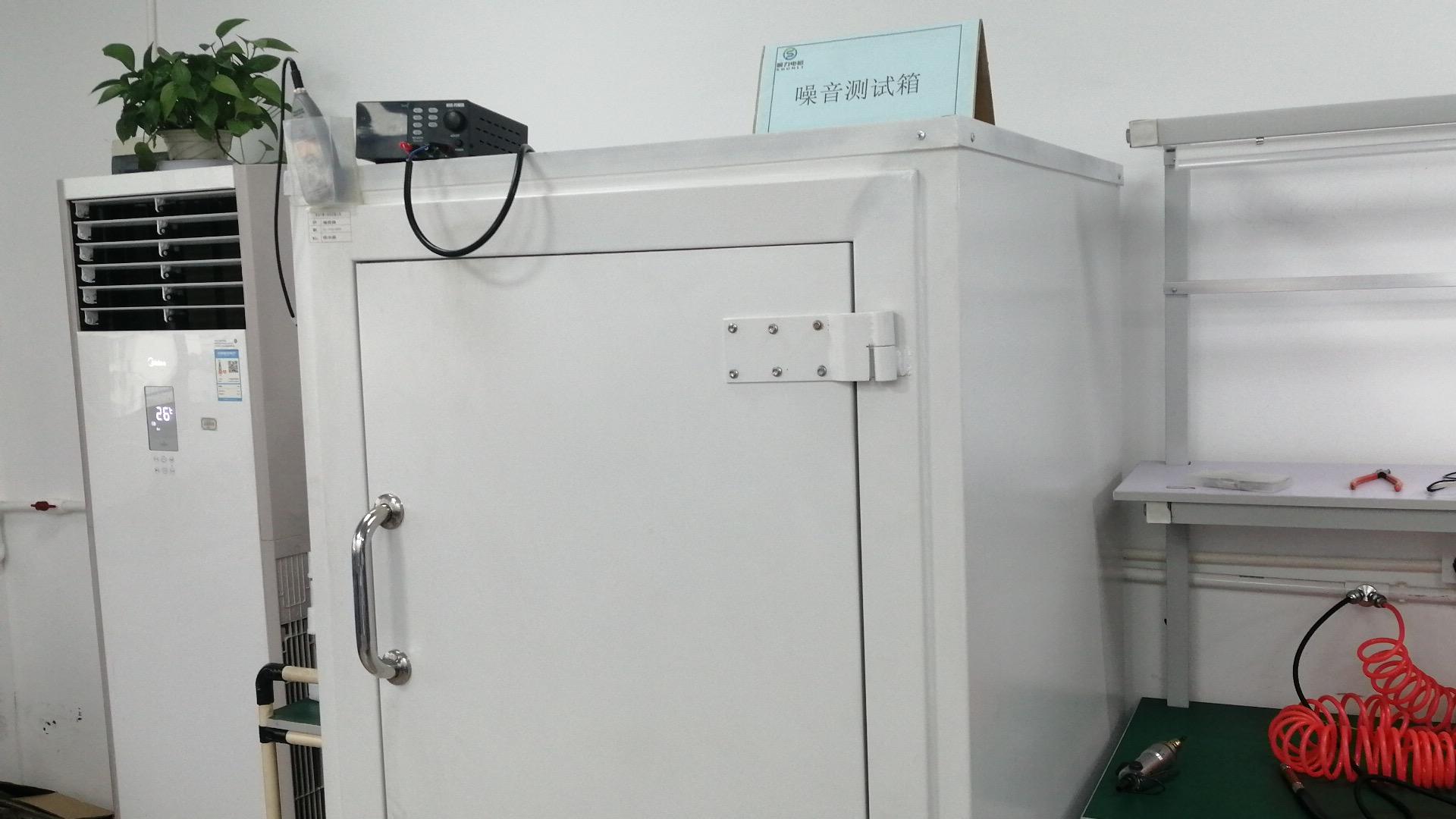
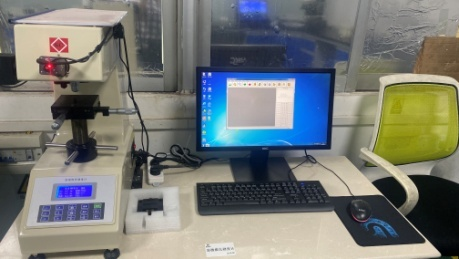
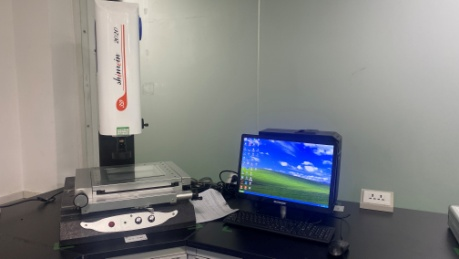
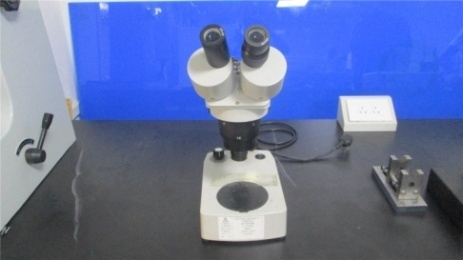
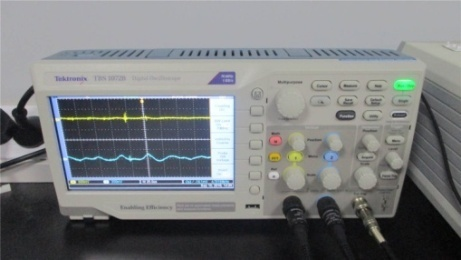
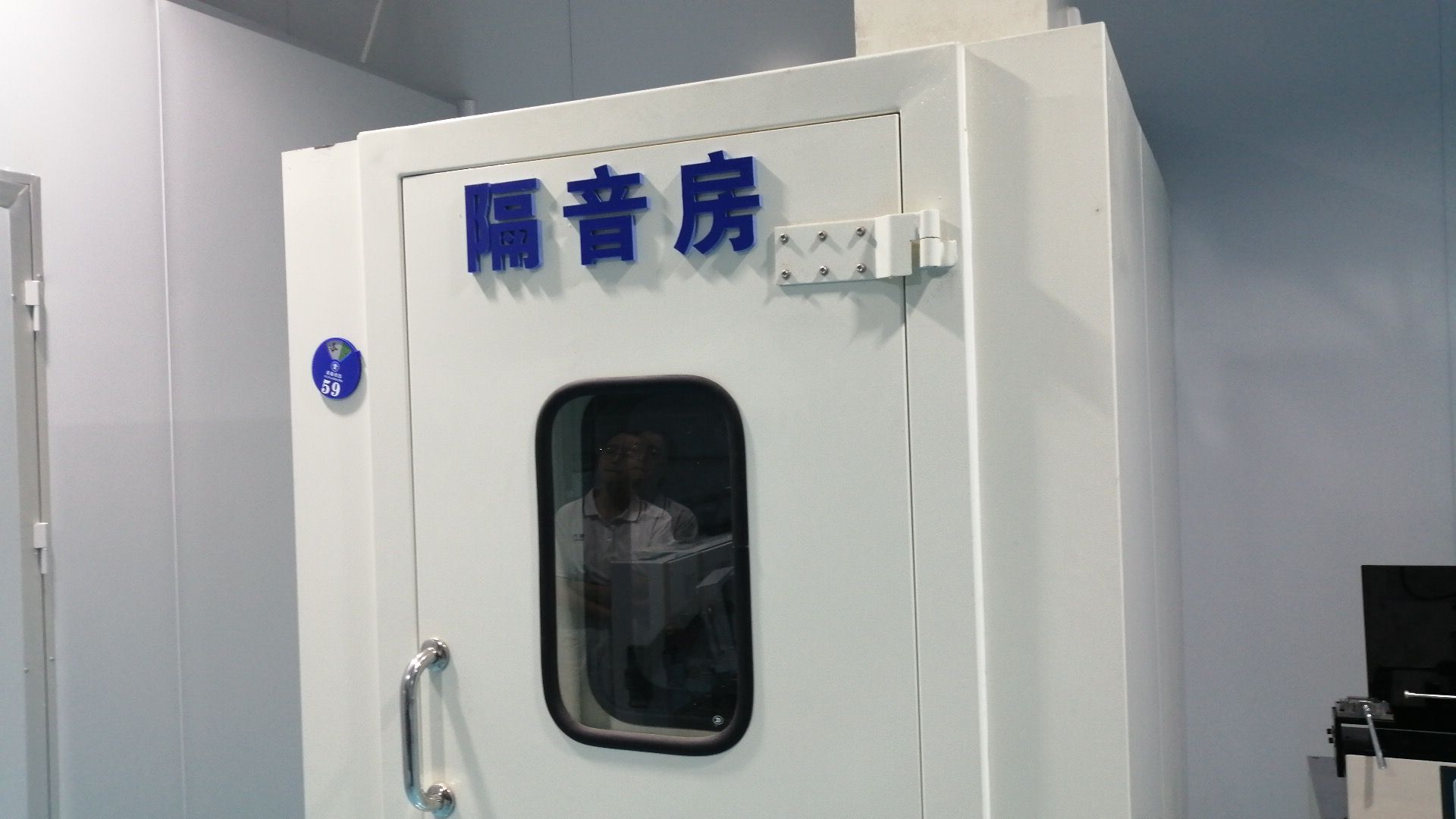
To sustain these microscopic tolerances across heavy production runs, our testing processes employ advanced digital microscopes, dynamic spectrum analyzers, and soundproof chambers down to 15 dB. By matching aerospace-grade CNC lathing machines with micro-injection molding equipment, we offer complex gear arrangements that maximize tooth contact area, lowering mechanical noise while tripling structural longevity under continuous load cycles.
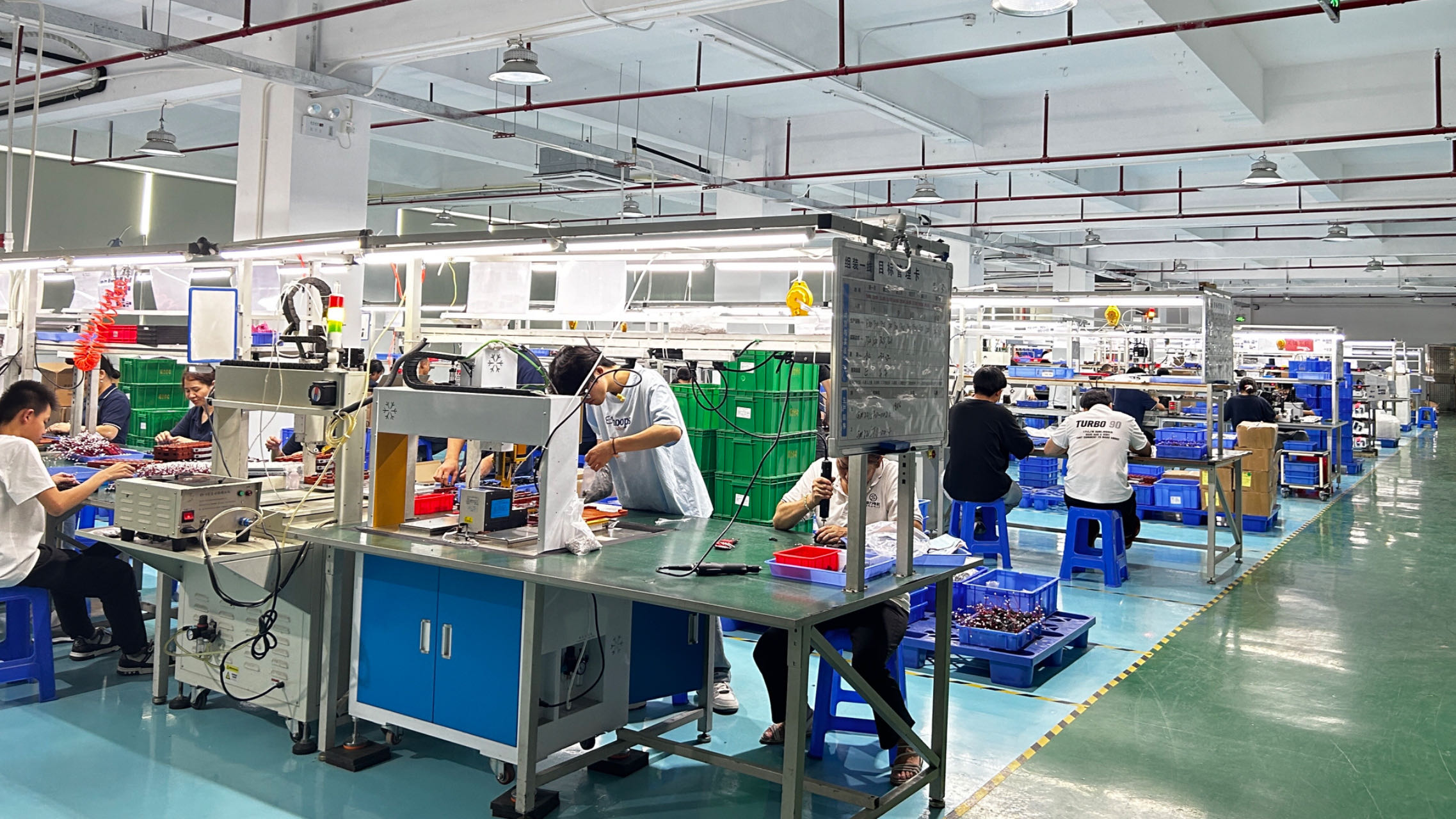
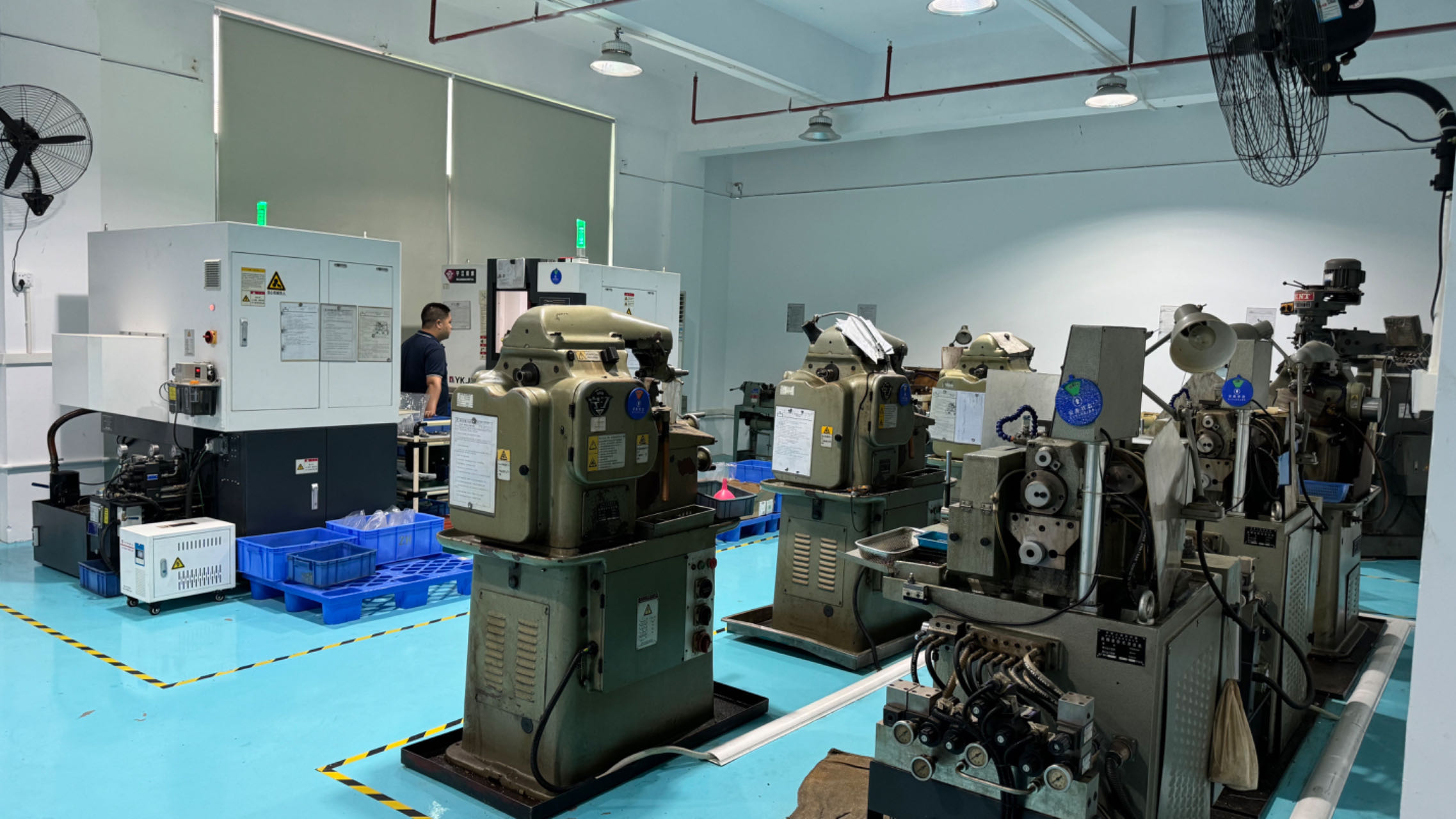
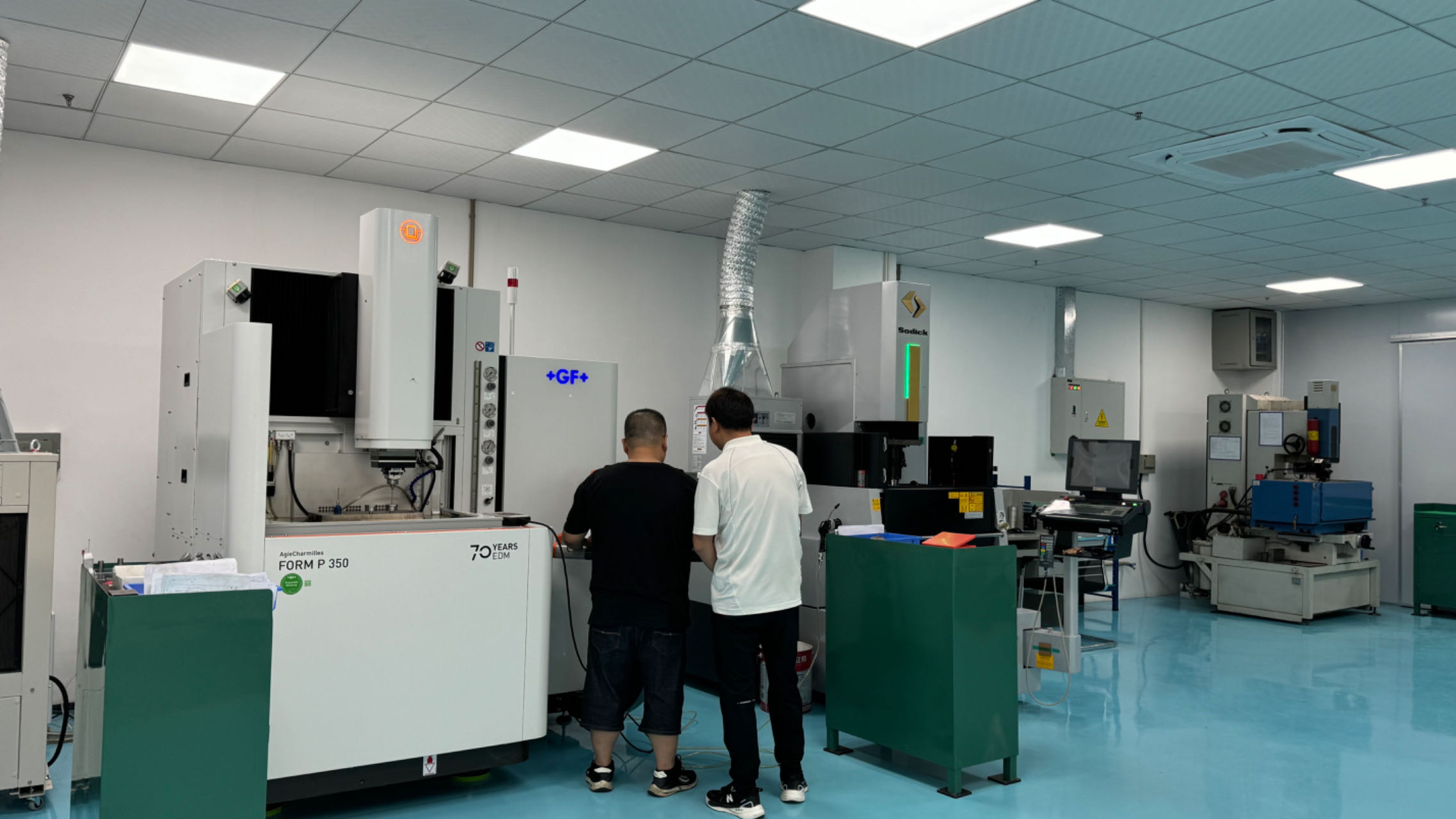
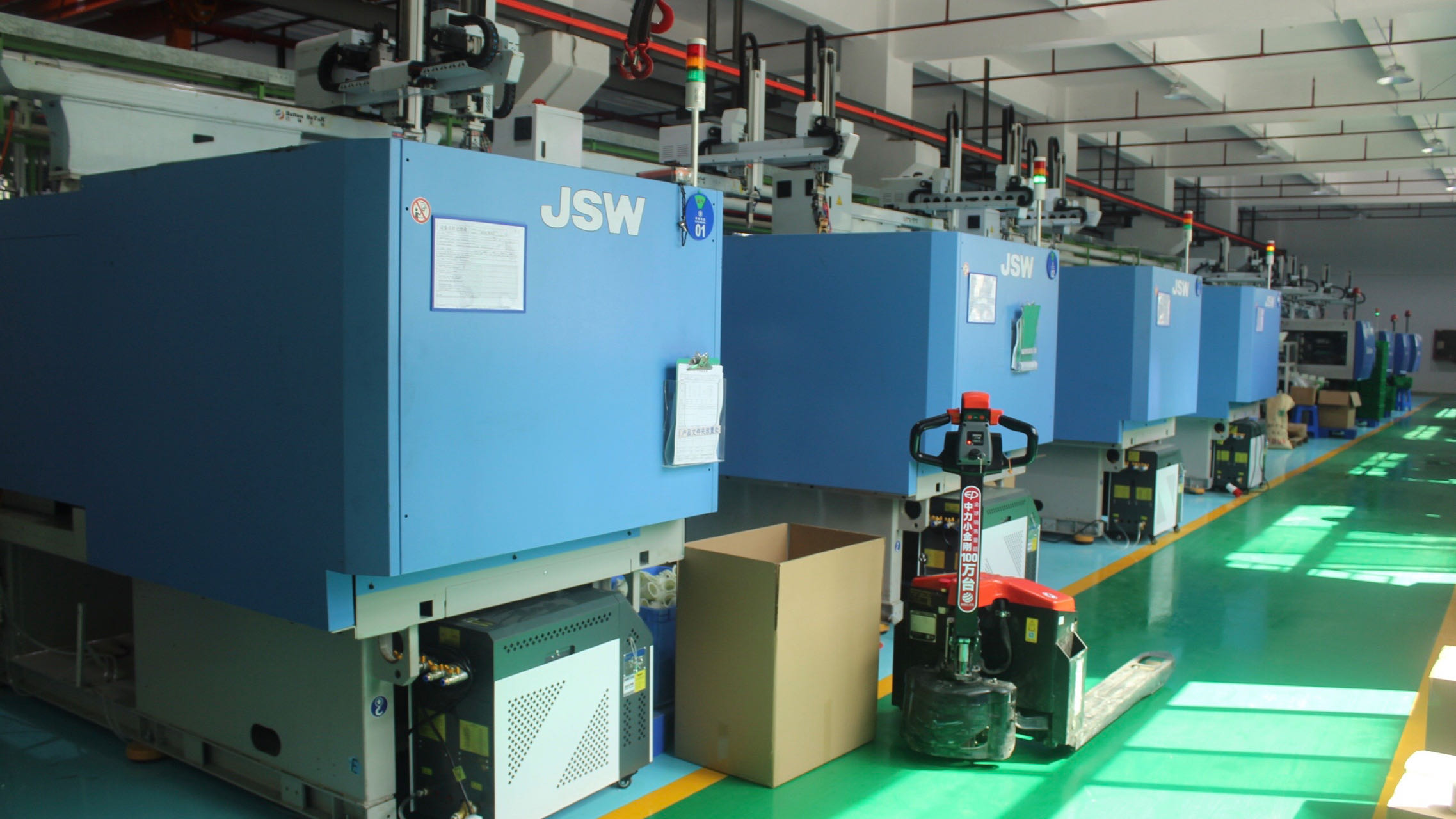
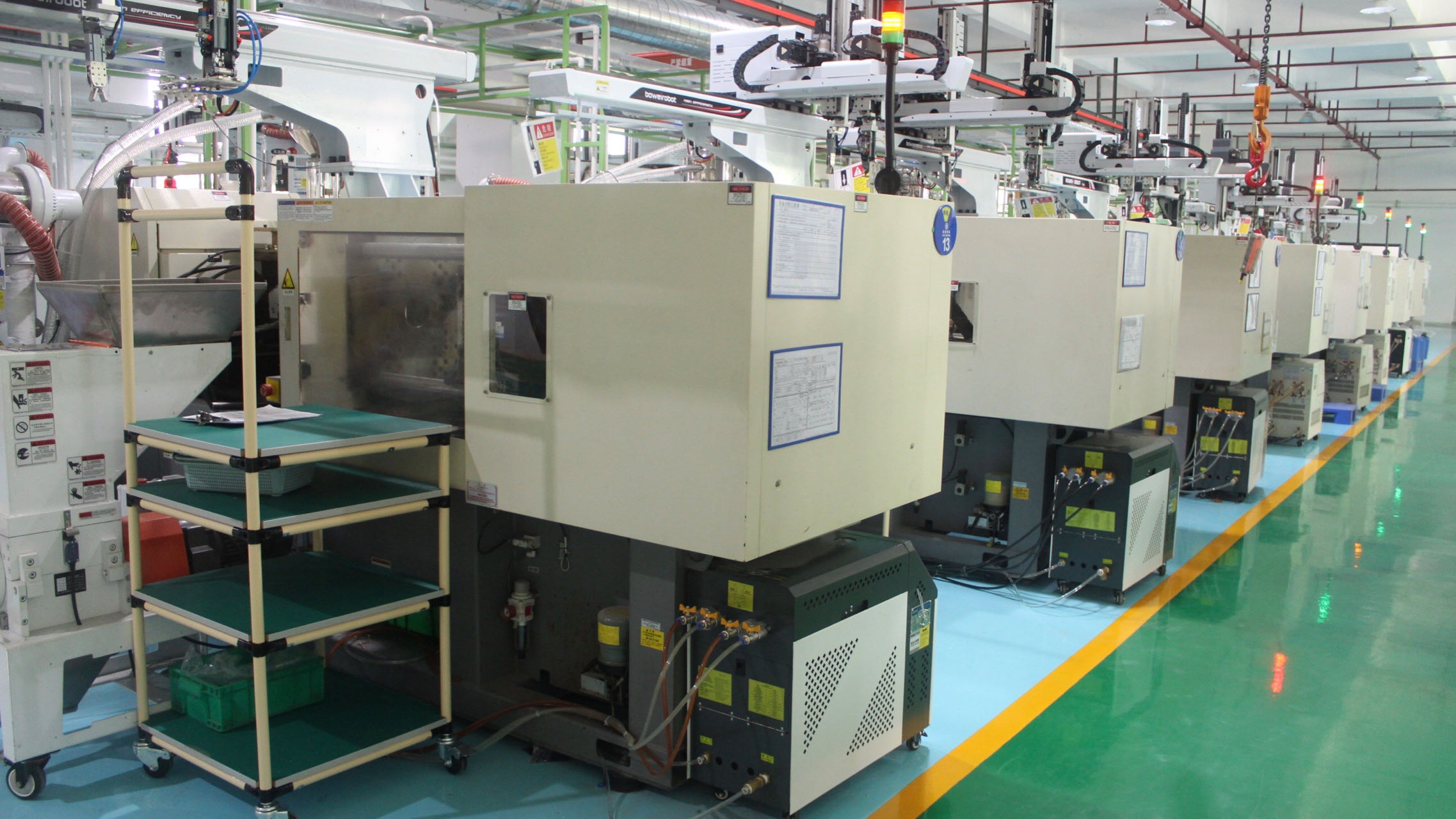
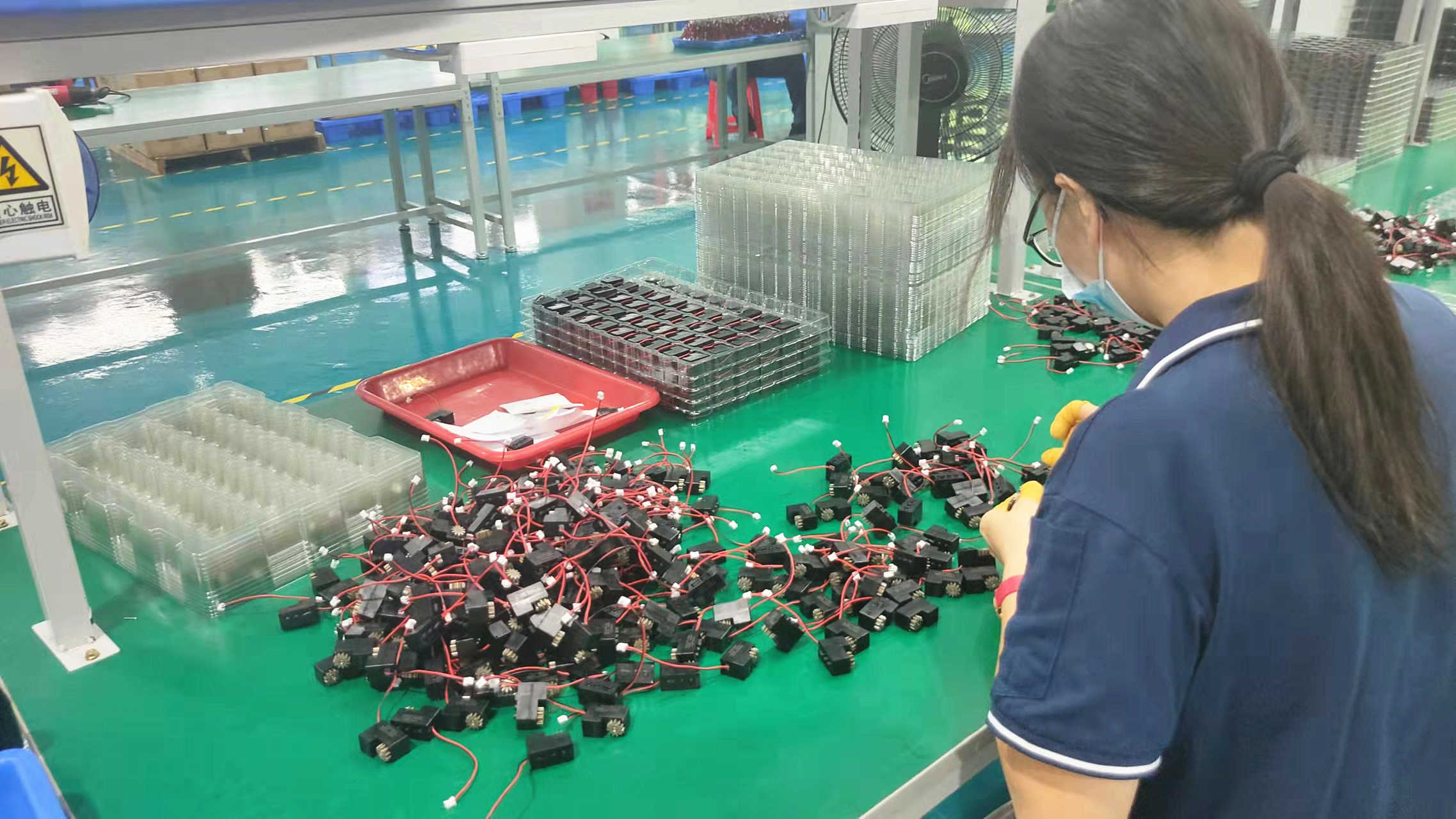
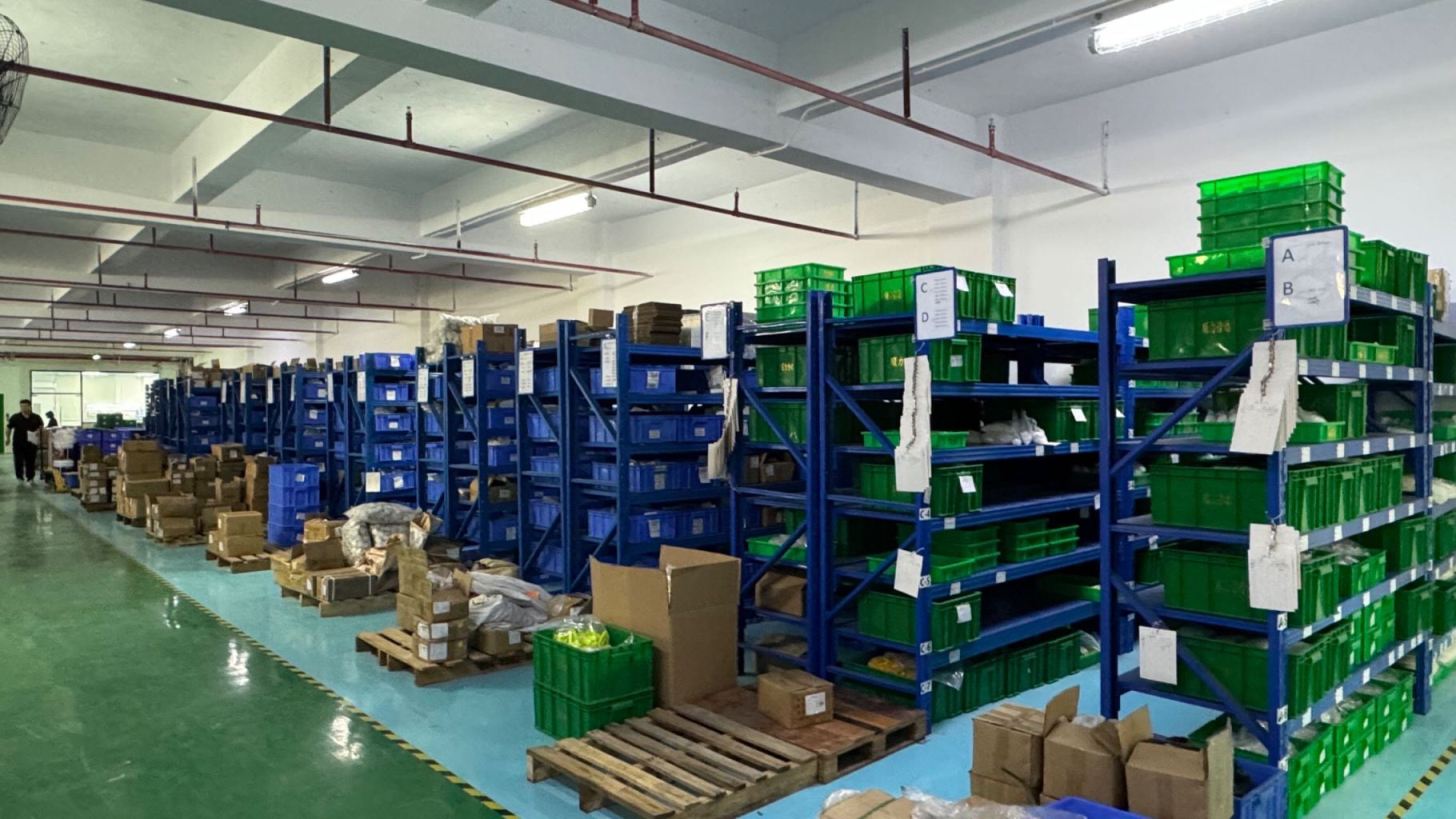
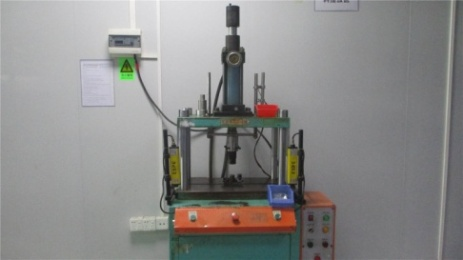
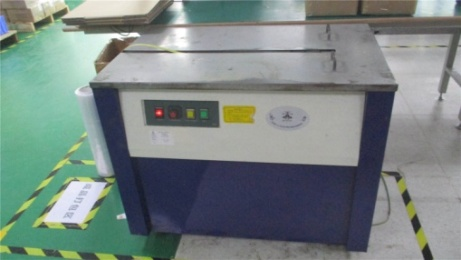
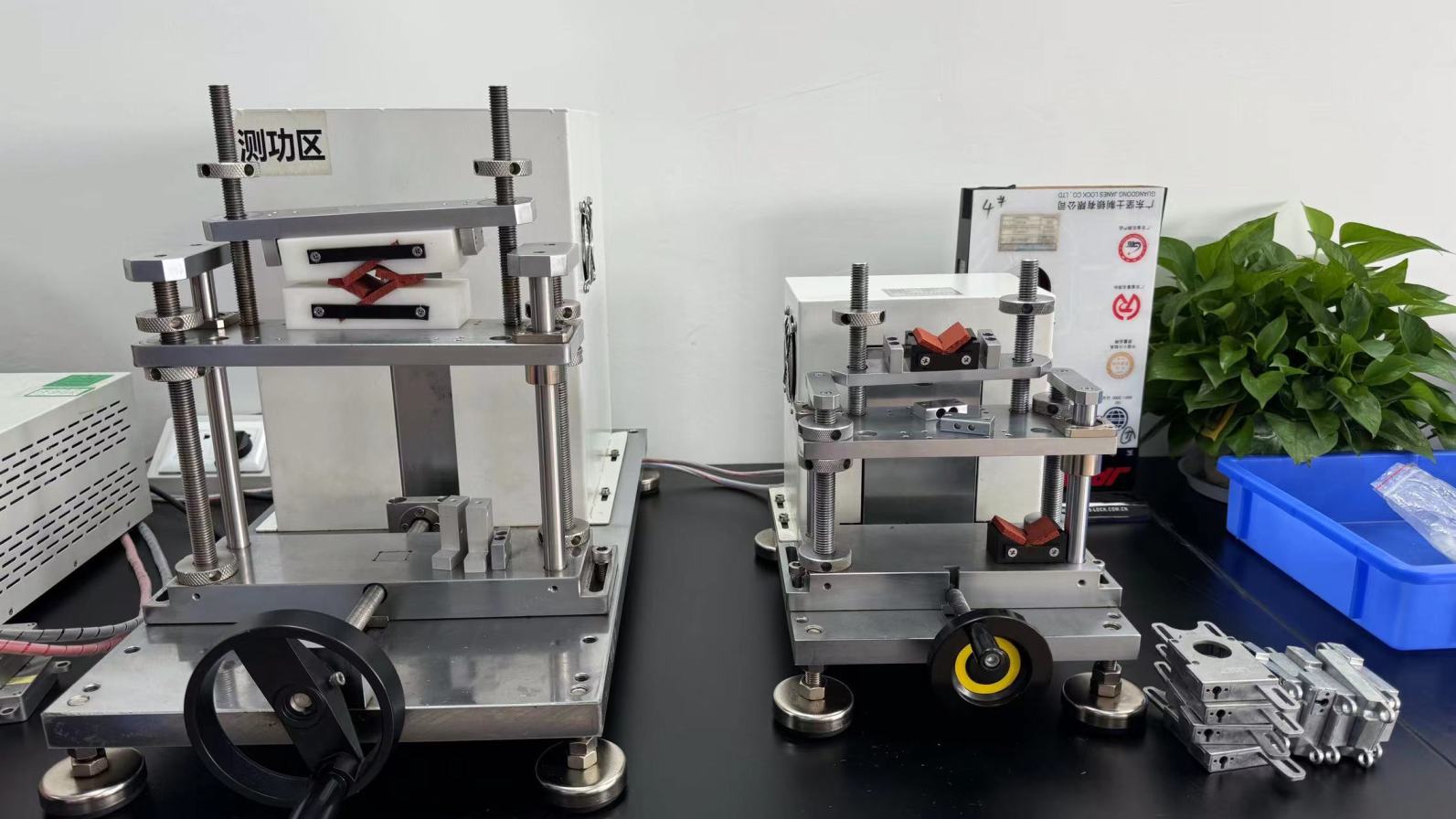
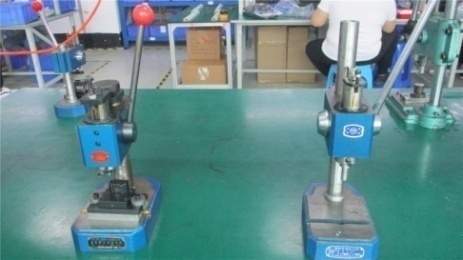
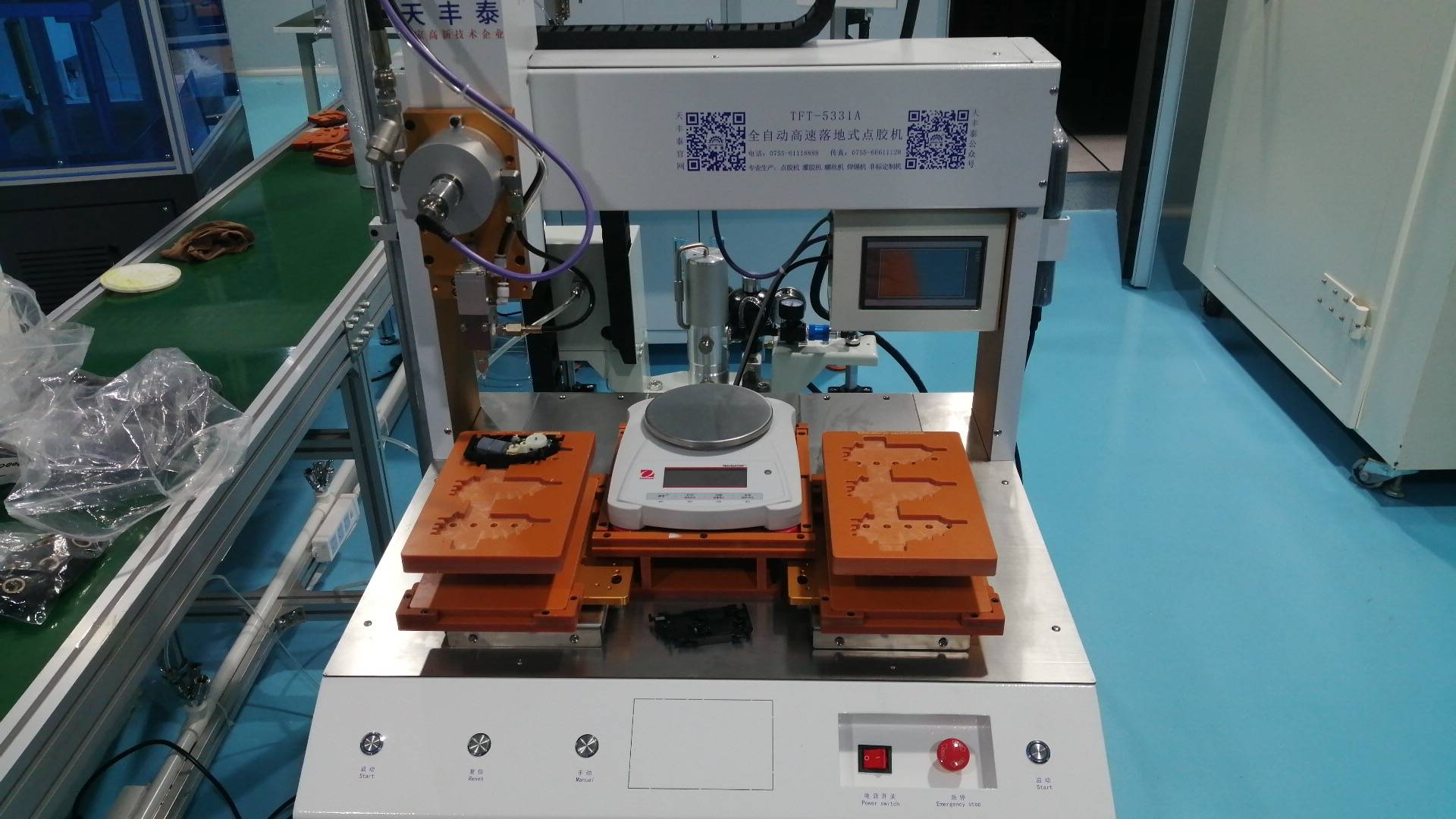
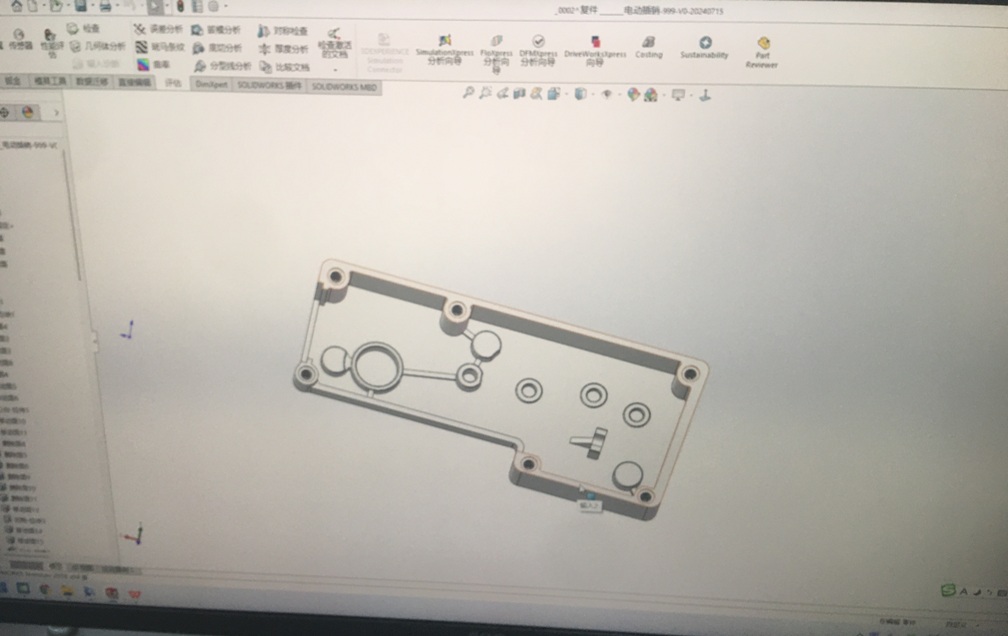
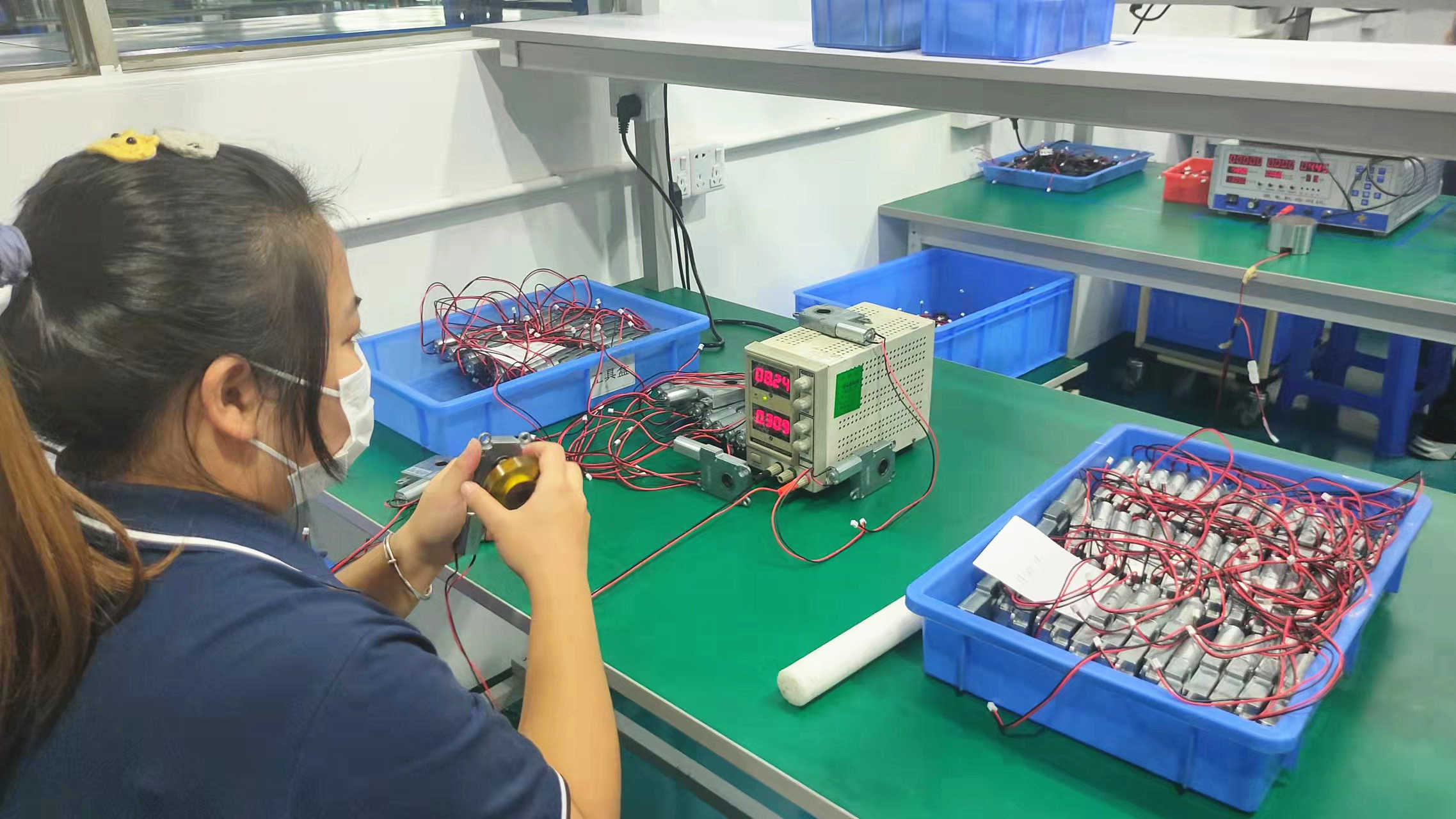
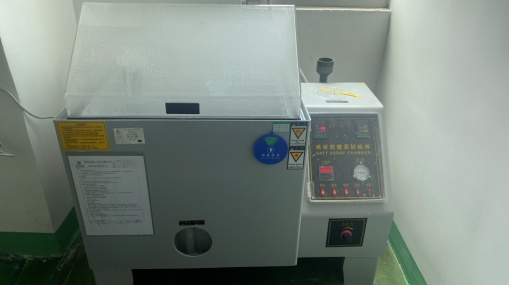
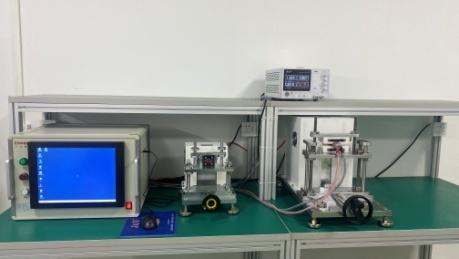
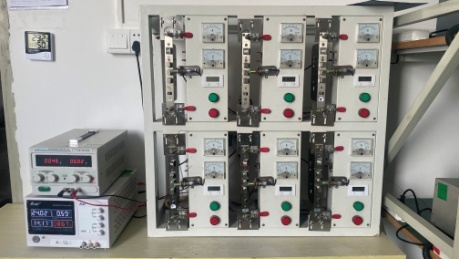
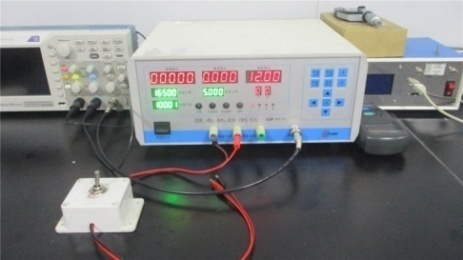
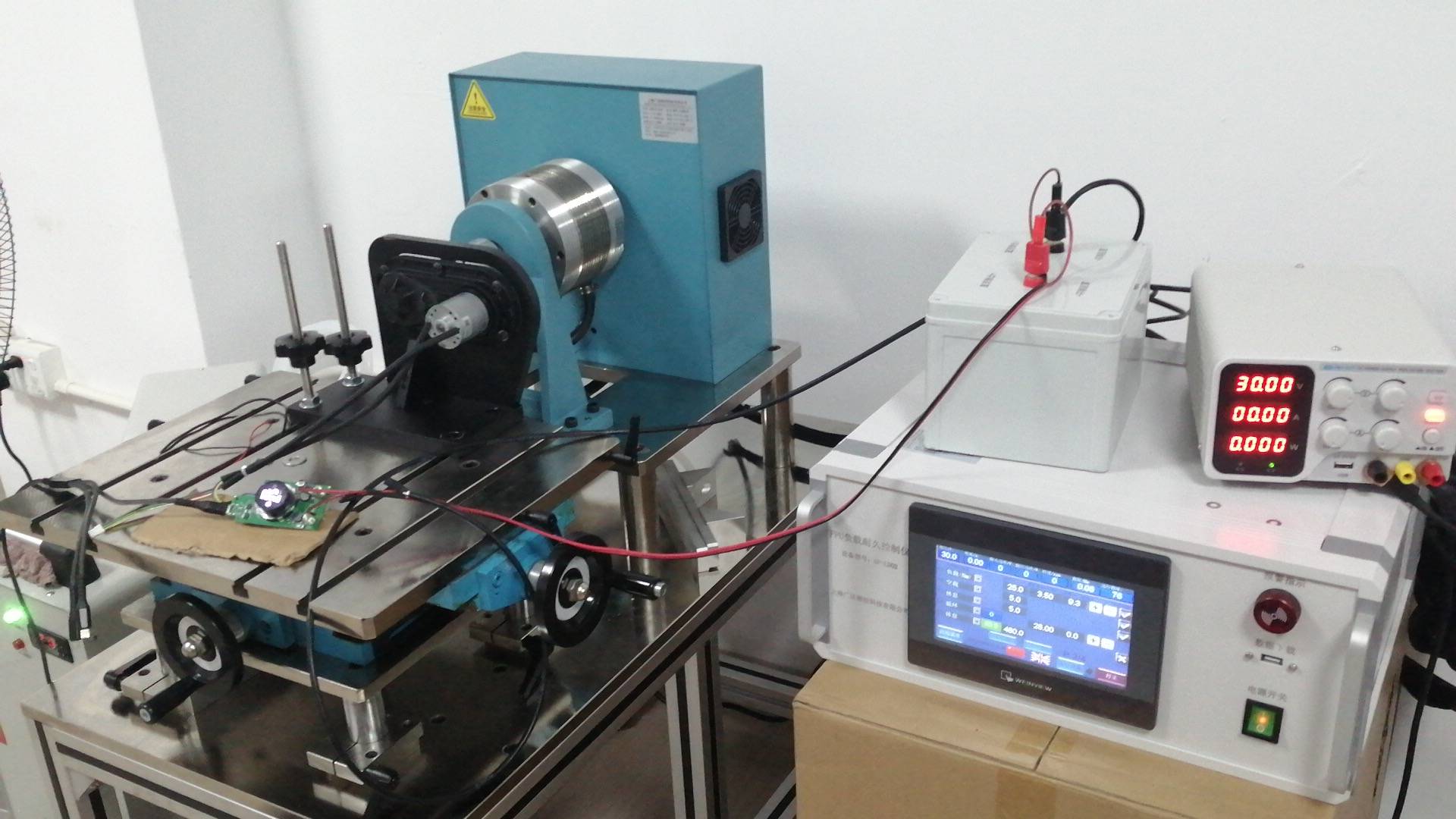
Under the hood of a premier high-torque motor factory: High-precision machining and dynamic testing environments.
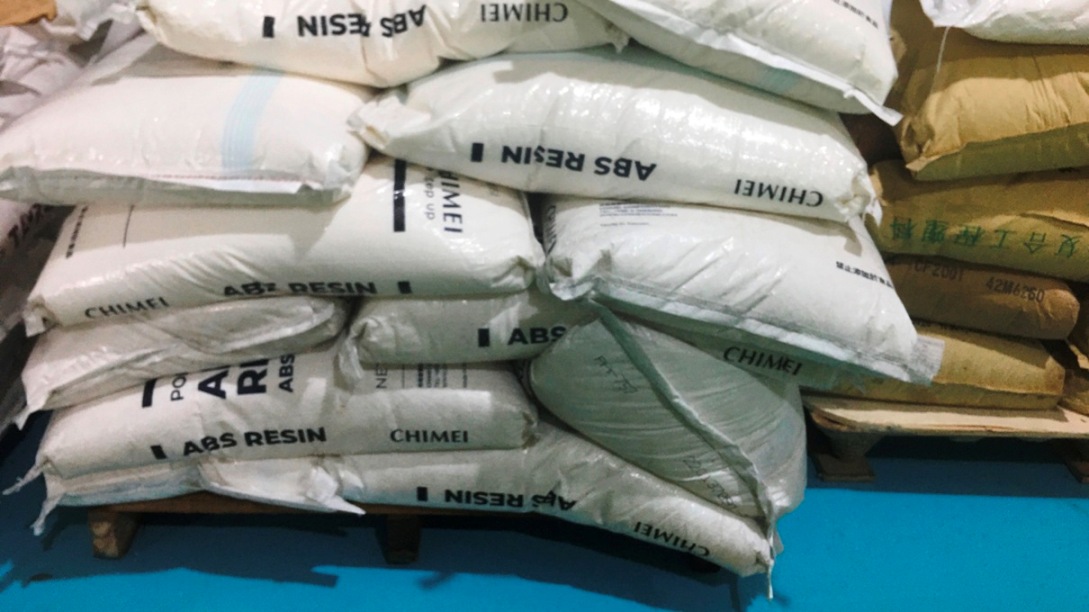
China's dominant role in the international motor export market is anchored in deep structural integration. A standard manufacturer has immediate local access to raw sheet steel suppliers, specialized copper mills, NdFeB (Neodymium Iron Boron) rare-earth magnet mines, and specialized die-casting hubs. This close proximity slashes logistics overhead, protects lead times, and allows engineering teams to modify stator designs rapidly without suffering supply disruptions.
Our manufacturing system incorporates precision machines that process metal components, coil-wind stators, and perform sub-micron quality inspections. Below is the workflow and machinery lineup powering our daily production output.
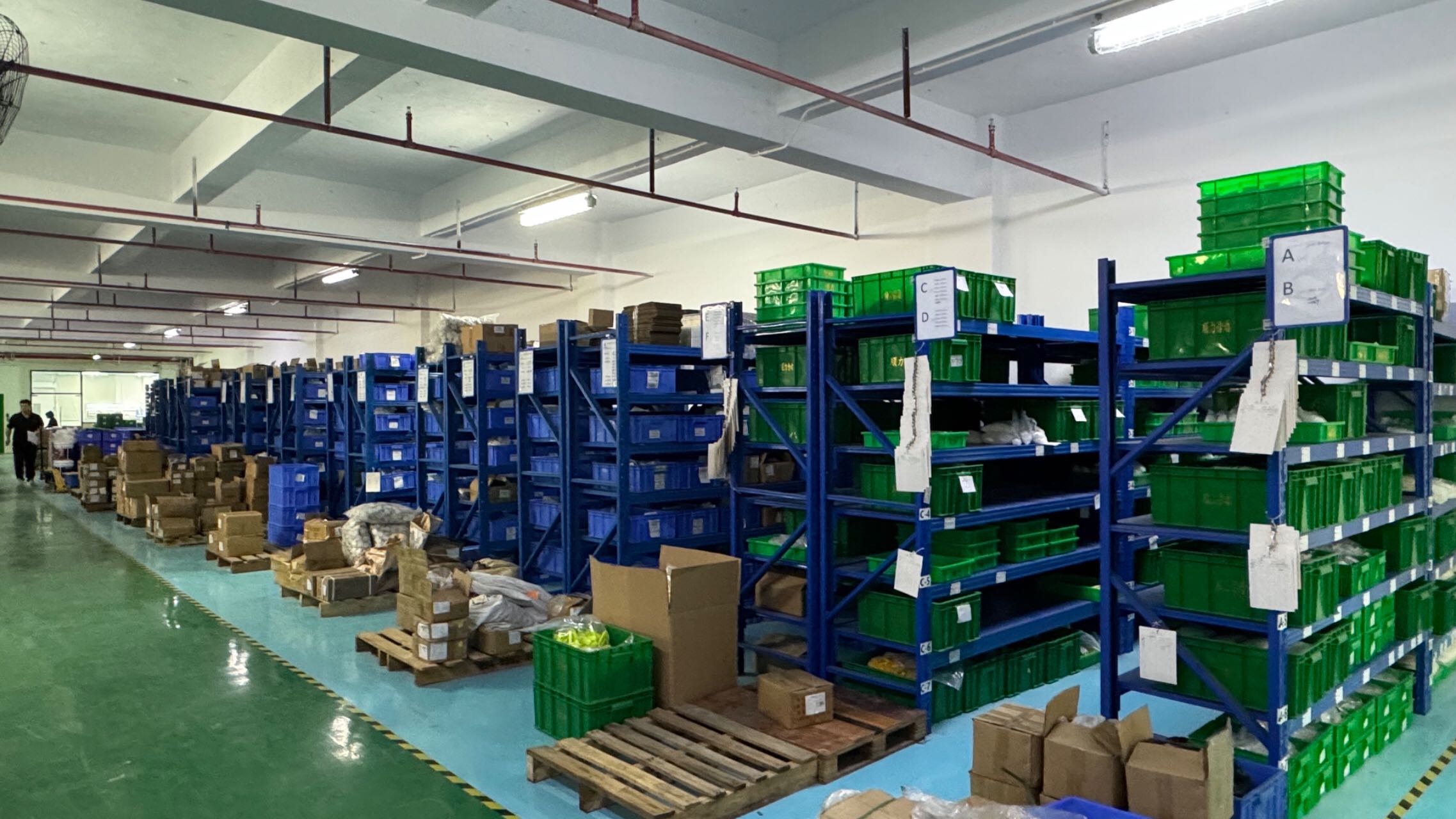
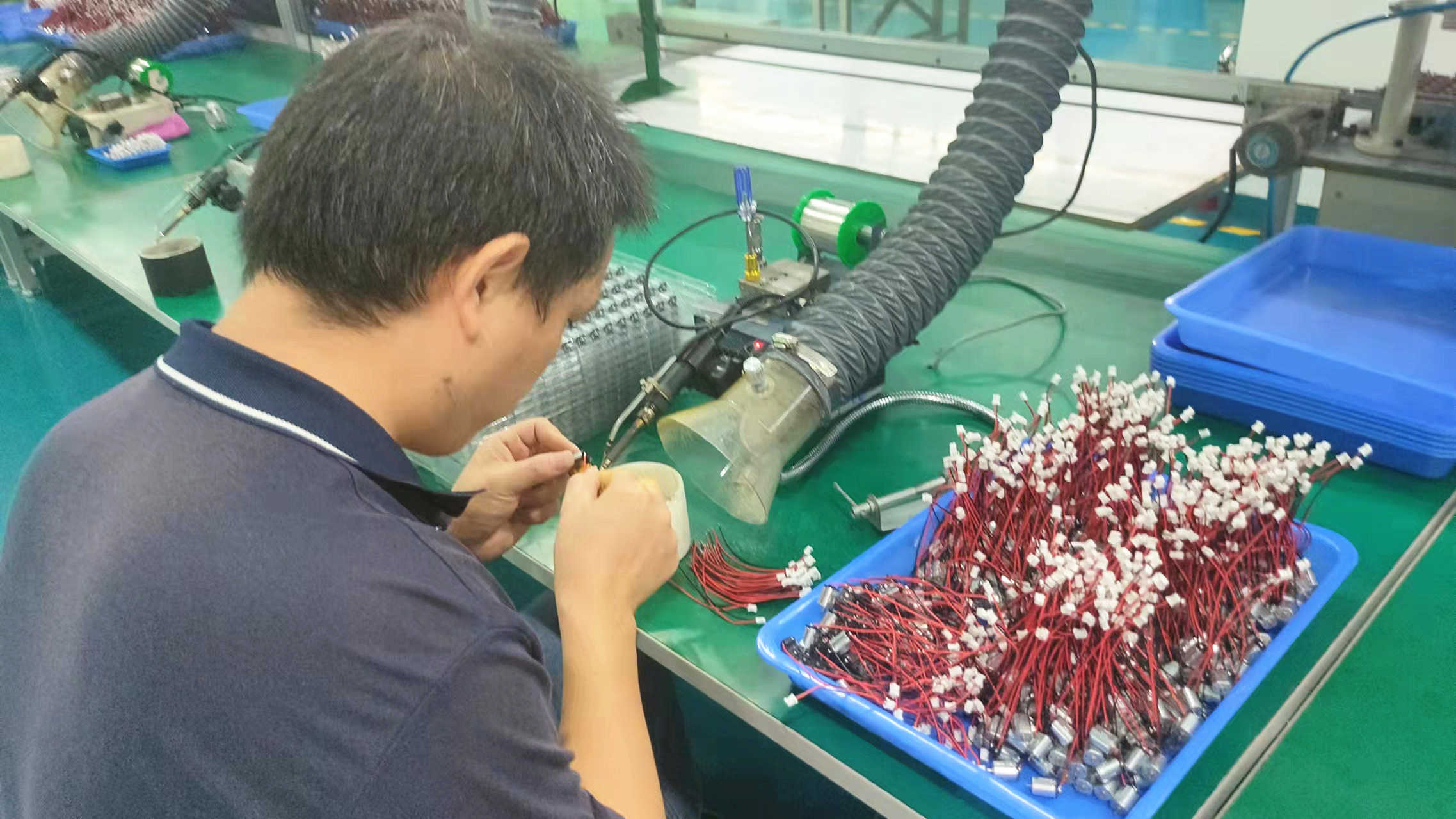
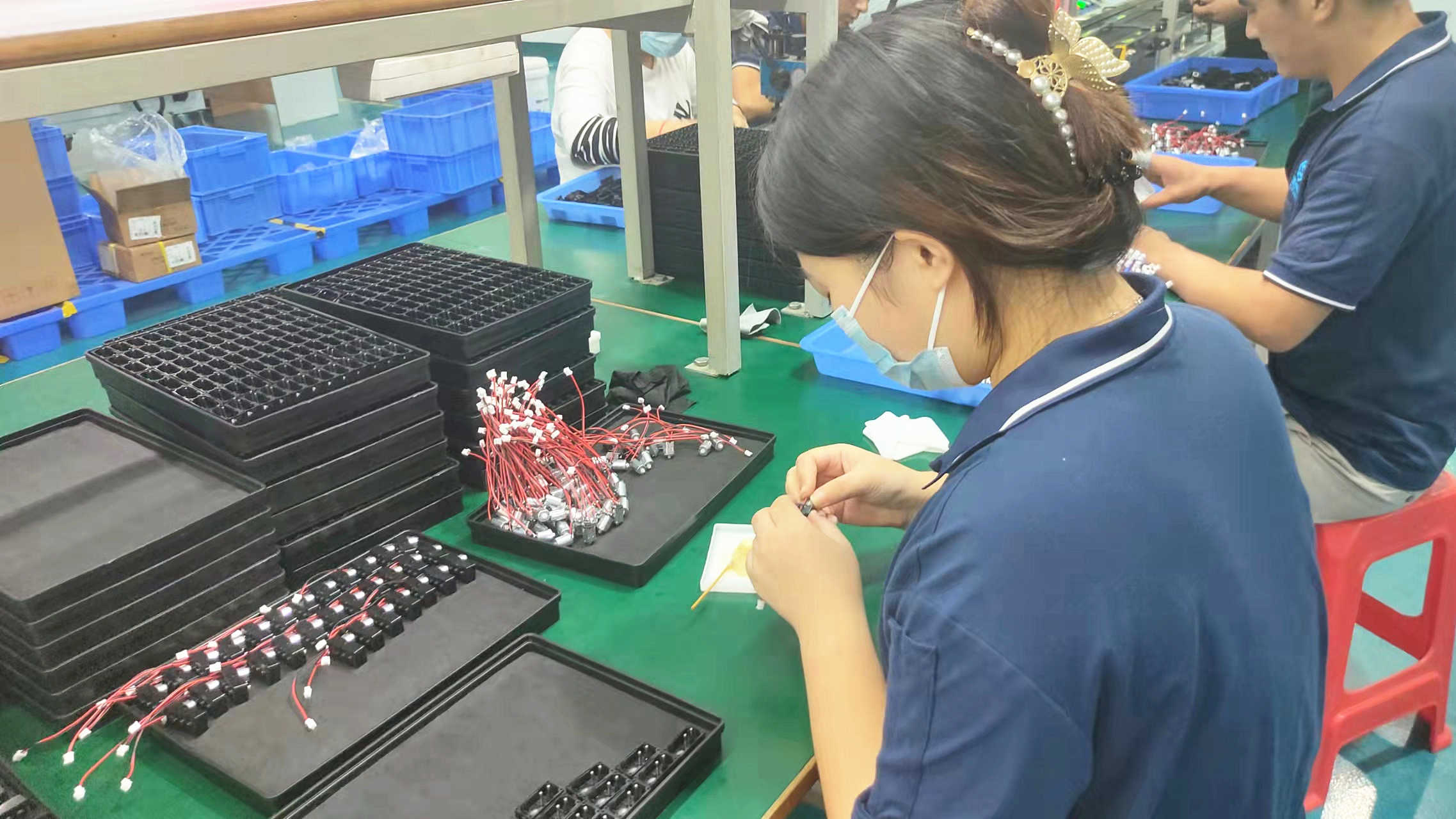
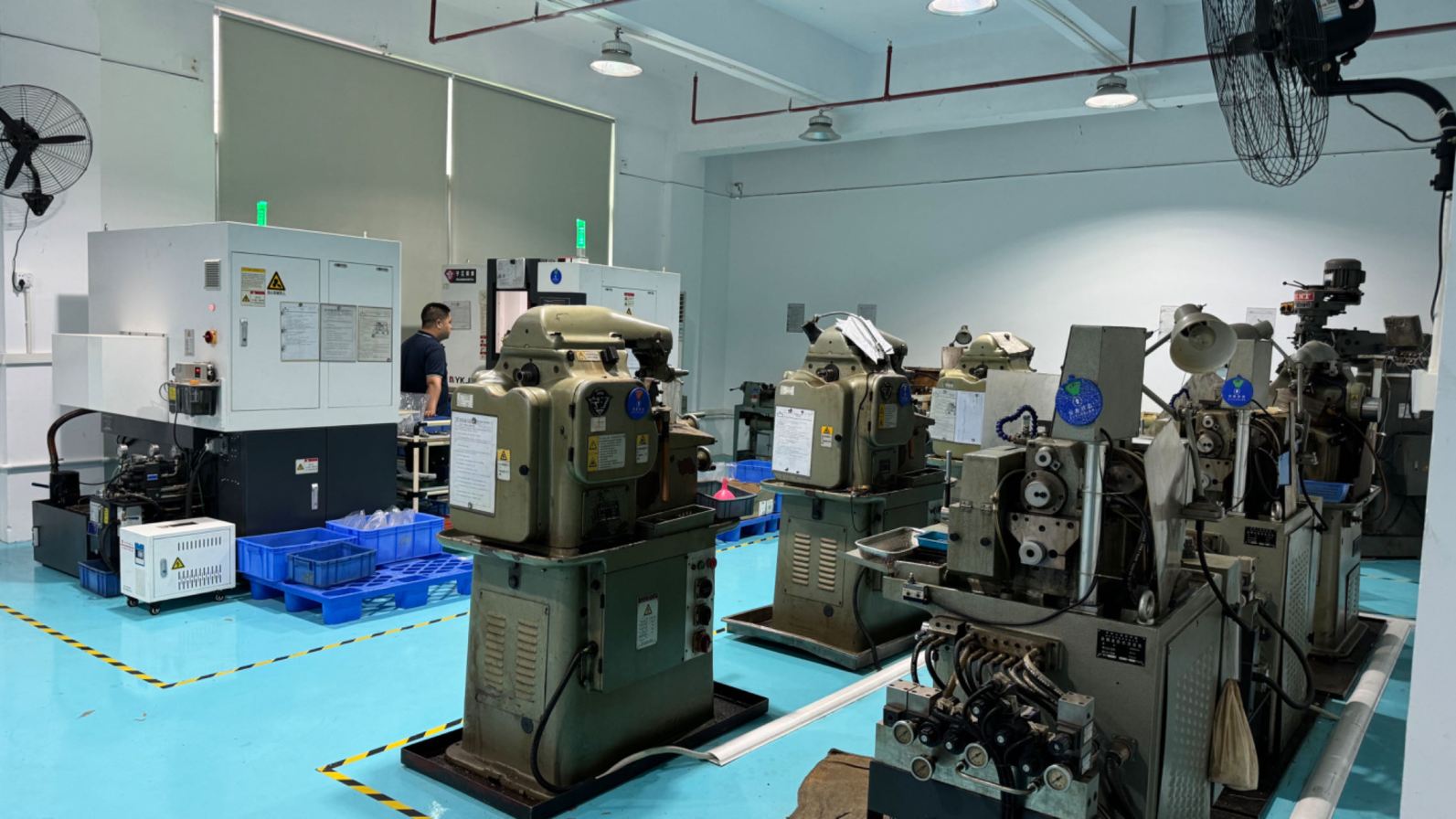
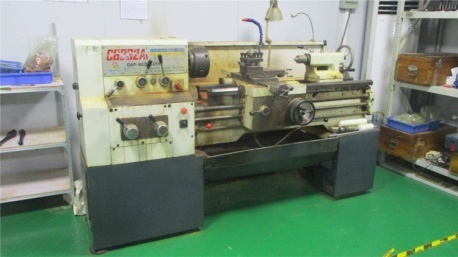
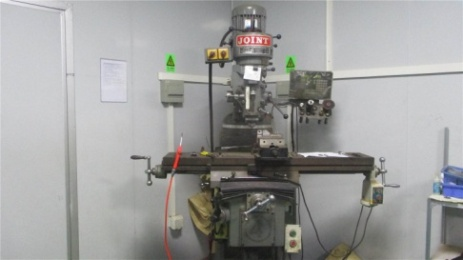
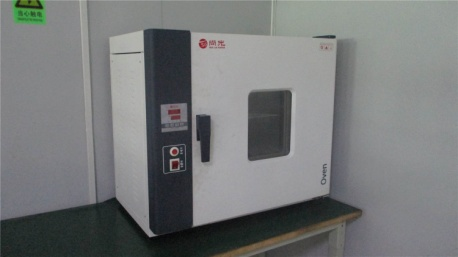
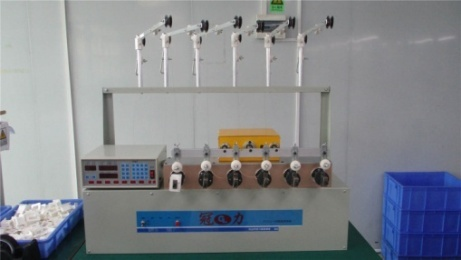
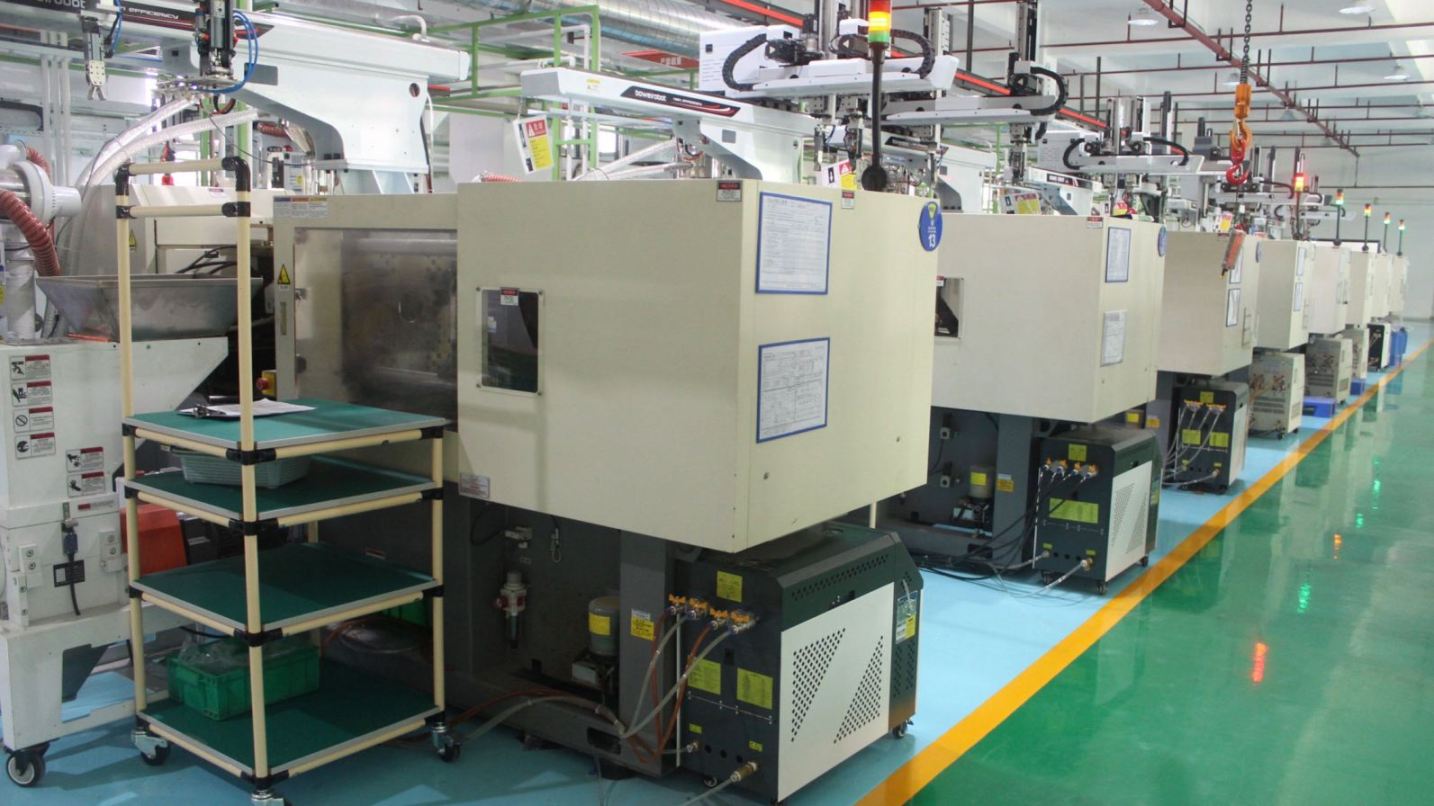
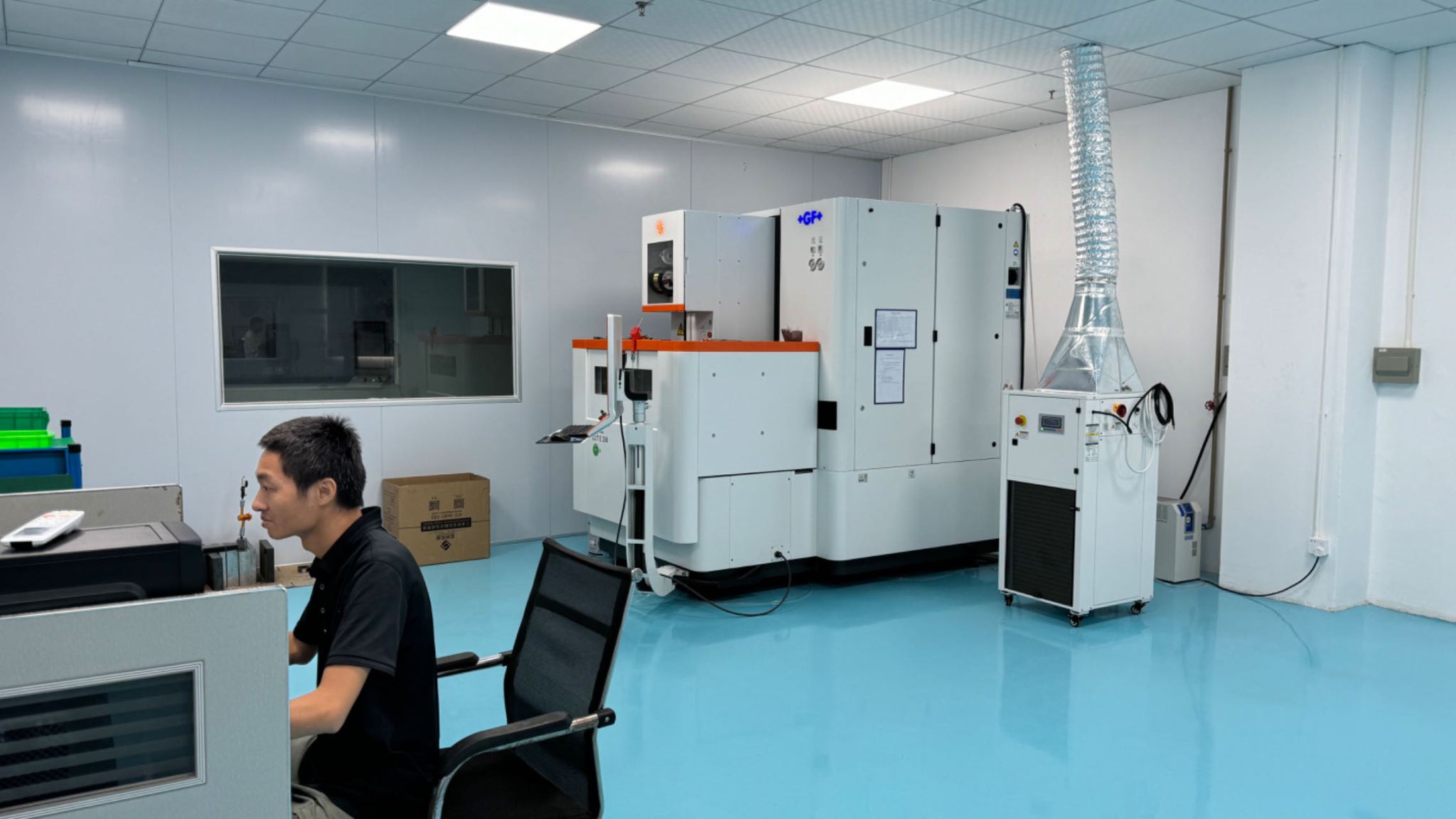
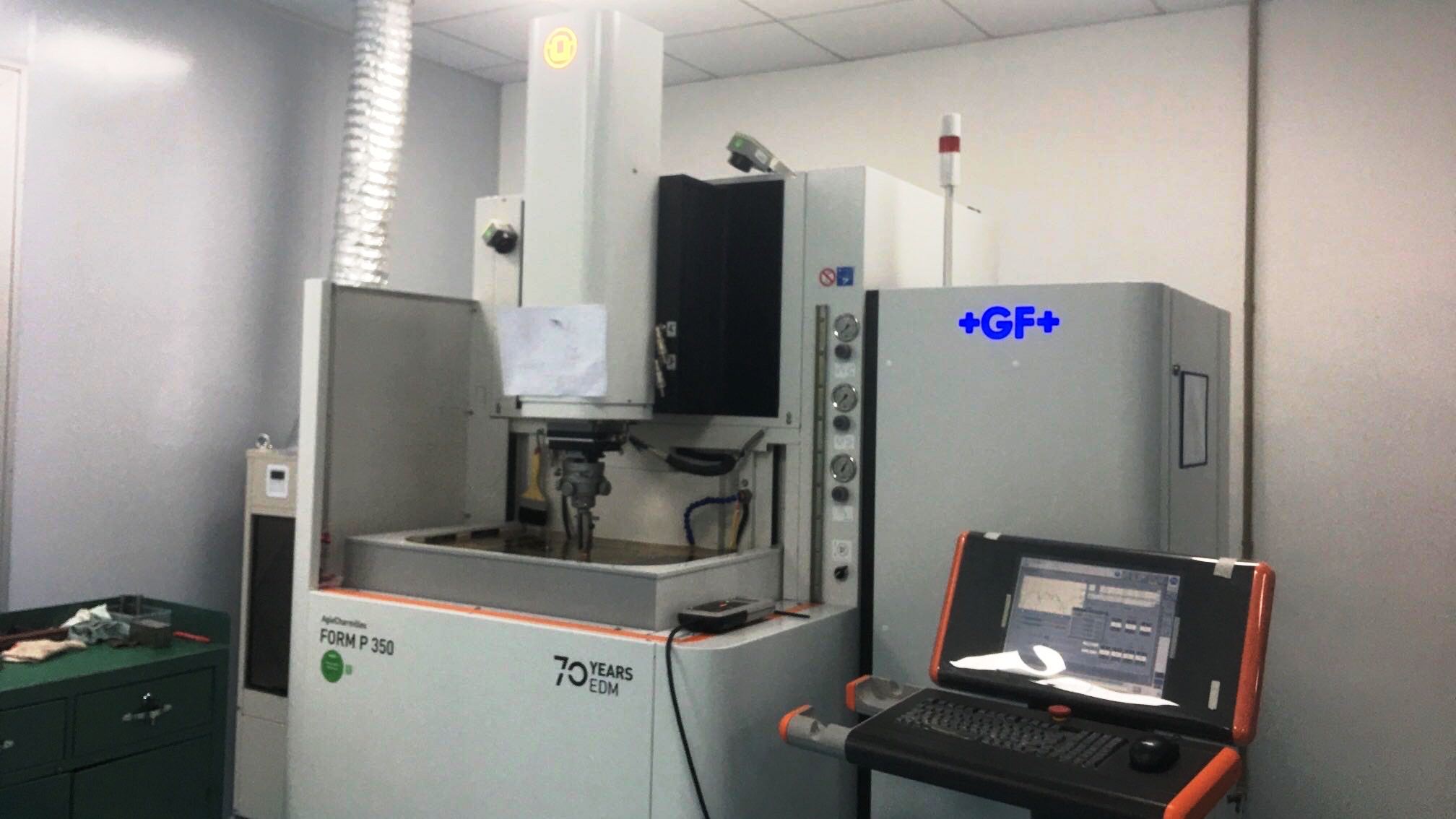
A three-phase AC induction motor functions via electromagnetic induction. When connected to a balanced three-phase supply, the alternating current flows through stator windings to create a rotating magnetic field (RMF). This field cuts the short-circuited rotor bars (typically a squirrel-cage arrangement), generating an induced electromotive force (EMF) and rotor current. The interaction between this current and the stator RMF generates the mechanical torque that turns the output shaft.
For heavy industrial applications, selecting a motor requires balancing electrical ratings, mechanical loading, thermal limits, and environmental conditions:
Our standard high-capacity systems use premium cold-rolled, non-oriented silicon steel sheets (such as 50W470 grade or higher). This structural selection minimizes eddy-current losses and core hysteresis under high magnetic flux density, yielding cooler operating temperatures and quieter run cycles.
From multi-kilowatt conveyor systems to precision automated mechanisms, our motor range matches diverse engineering requirements.
In harsh operating environments like chemical plants, metal mills, and mines, three-phase induction motors drive heavy pumps, conveyor lines, and large ventilation fans. Our cast-iron enclosures, vacuum pressure impregnation (VPI) varnishing, and double-lip shaft seals resist dust and aggressive chemicals.
Micro-geared stepper motors and planetary gearsets run intelligent security locks, automated ticket counters, and commercial vending systems. High reduction ratios (like 1:64 options) and precision-profile steel gears enable reliable torque delivery within tight space limits.
Commercial air handling, industrial refrigeration, and cooling towers rely on shaded pole AC fan motors and low-speed gearboxes. Standardizing motor flanges to NEMA or IEC frame dimensions simplifies mounting modifications, reducing setup overhead for international OEMs.
Deploying motors internationally requires strict adherence to regional safety and environmental rules. Exported products undergo testing in our calibration facilities to verify compliant operations under varying grid voltages, cycles, and electromagnetic conditions:
Guarantees compliance with the European Low Voltage Directive (LVD 2014/35/EU) and Electromagnetic Compatibility (EMC 2014/30/EU), enabling friction-free entry into all EU member states.
Addresses North American electrical safety codes, verifying insulation materials, fire resistance, and grounding parameters under UL 1004 standards for rotating electrical machines.
Restricts toxic substances (such as lead, cadmium, and hexavalent chromium) in motor castings, varnishes, and rotor wiring, supporting green lifecycle requirements.
Establishes rigorous testing protocols to confirm efficiency calculations, load performance, and stray-load loss values for three-phase induction motors.
Technical answers addressing three-phase motors, customized gearheads, and factory capabilities.
Engineered for consistent speed regulation, torque stability, and extended component life under continuous loads.
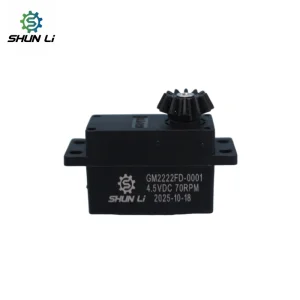
 TorqFlex Motor