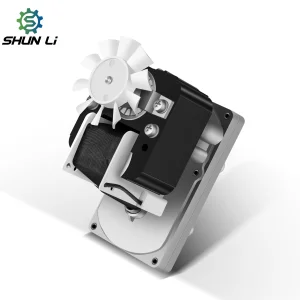
As global industrial automation shifts towards zero-maintenance, direct-drive technology, the demand for Precision Linear Motors has reached an unprecedented scale. Traditional mechanical transmission setups—such as rotary motors coupled with ball screws, belts, or rack-and-pinion systems—impose intrinsic constraints. Friction, backlash, mechanical wear, and hysteresis limit throughput and precision. Linear motors bypass these barriers by transferring electromagnetic force directly to the moving payload, setting new benchmarks in velocity, acceleration, and sub-micron positioning.
The global motion control sector is undergoing a massive transformation. The integration of linear direct-drive systems has evolved from niche semiconductor lithography setups to mainstream applications like SMT (Surface Mount Technology), CNC laser processing, and high-performance laboratory diagnostic tools.
Modern manufacturing lines require high-duty cycles without degradation of positional fidelity. Ironless linear motors, famous for their zero-cogging forces and minimal thermal footprint, have become standard in ultra-high-resolution measuring devices. Simultaneously, ironcore linear motors, designed for high continuous force density, dominate CNC milling and heavy-duty robotic gantries. This duality of linear motor topology empowers engineers to configure optimized solutions catering to specific payload profiles, acceleration requirements, and speed ranges.
Ironcore Linear Motors: Structured with coils wound around iron laminations, optimizing magnetic flux paths. Delivers industry-leading force densities suitable for tooling, laser machining, and dynamic material transport.
Ironless Linear Motors: Engineered without iron cores in the coil assembly, completely eliminating cogging effects. Perfect for optical inspections, semiconductor dicing, and nano-positioning stages.
For international procurement managers, equipment designers, and system integrators, selecting the right precision linear motor manufacturer is a complex process. The decision extends beyond basic force-displacement curves to encompass long-term total cost of ownership (TCO) and mechanical longevity. Key criteria include:
By localizing raw materials, high-purity copper wires, and NdFeB magnet production within a 100km industrial radius, Chinese manufacturers reduce structural assembly lead times by up to 40% compared to Western competitors.
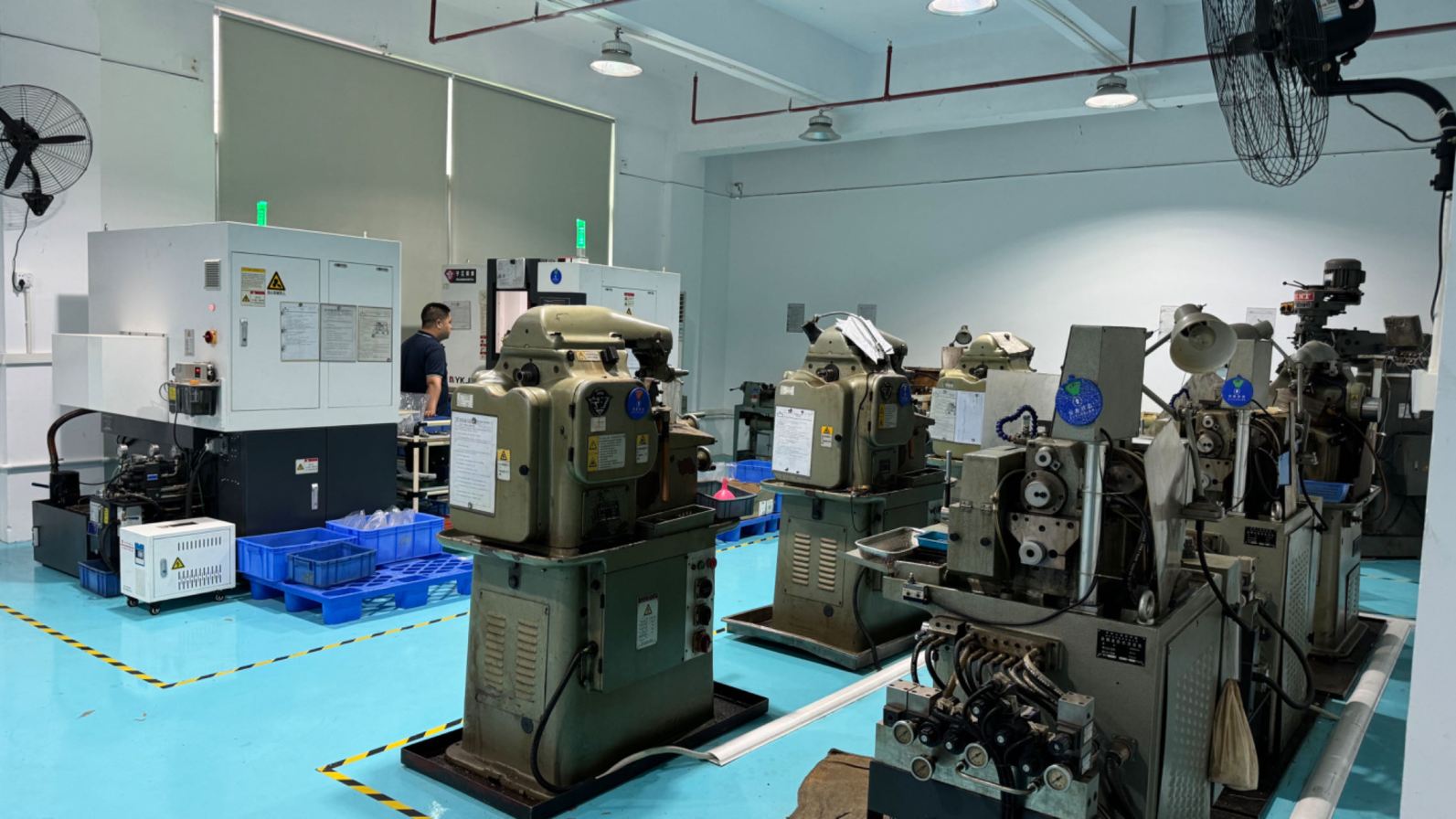
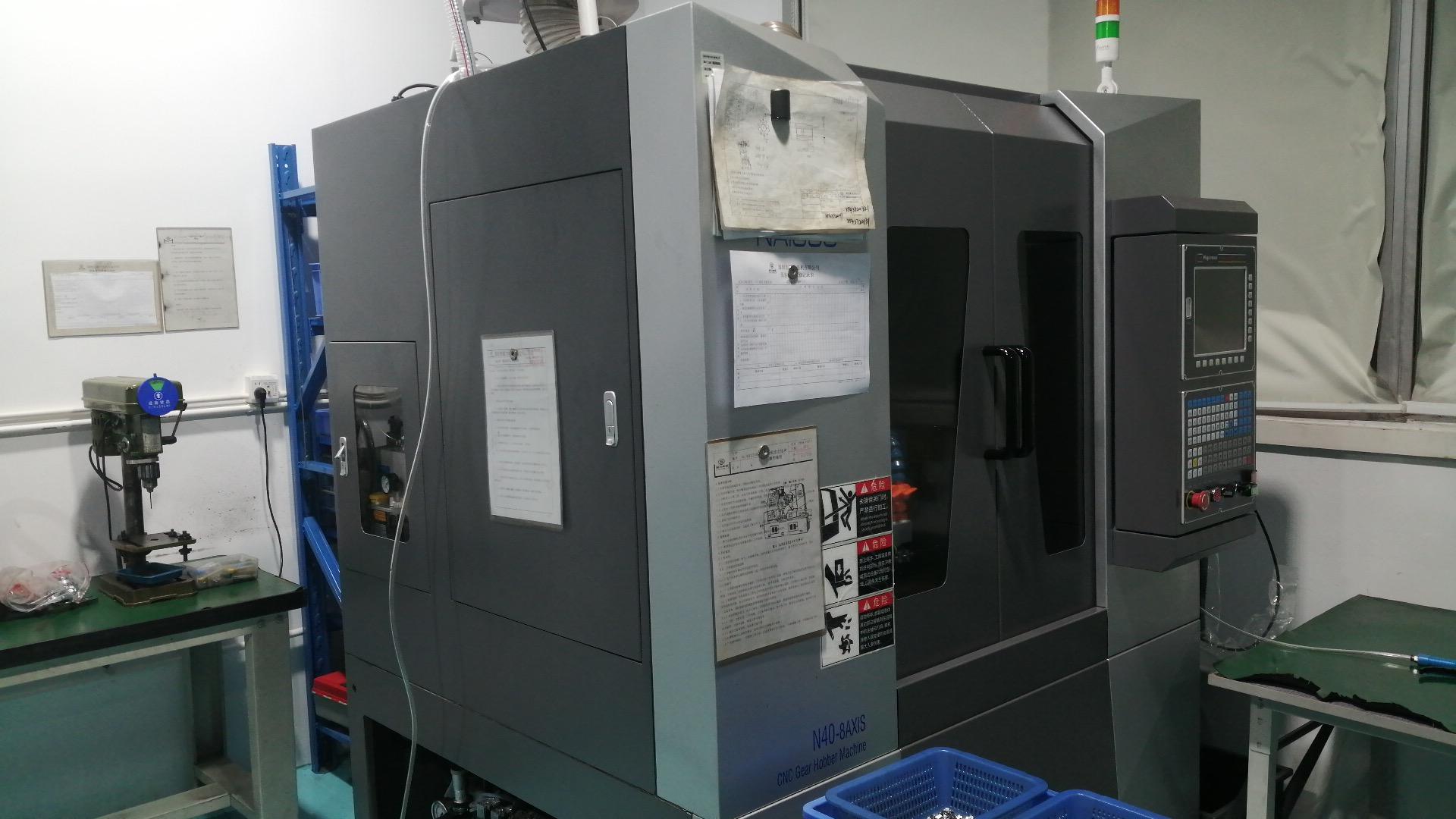
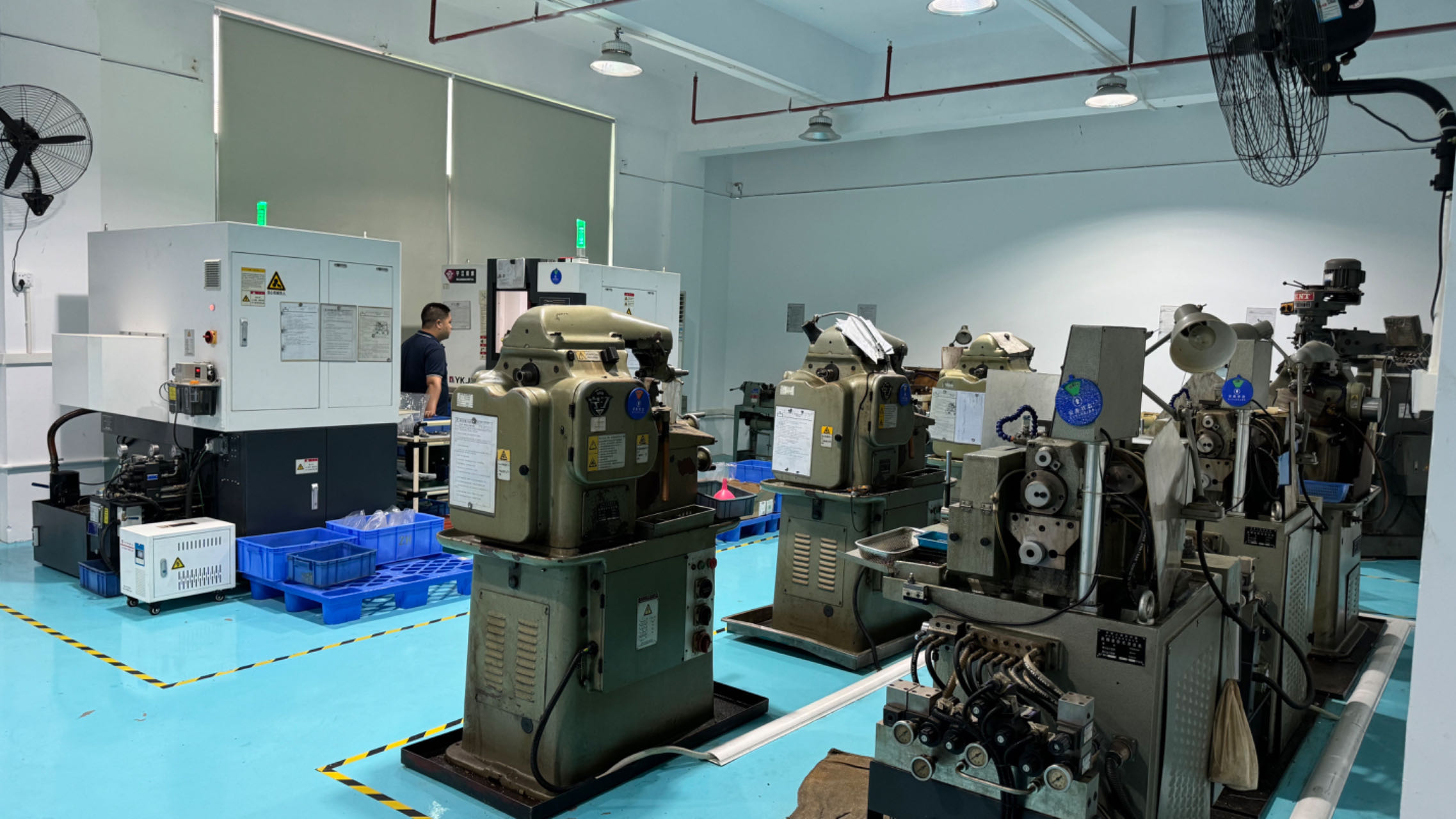
Our manufacturing centers employ Japanese dynamic balancing systems and Swiss-style automated gear hobbing to maintain tight tolerances, ensuring perfect alignment of secondary magnetic tracks.
From IP65-rated enclosed modules to custom anti-corrosion vacuum-compatible stators, we build motors to withstand hostile industrial setups, chemical washdowns, and cleanroom environments.
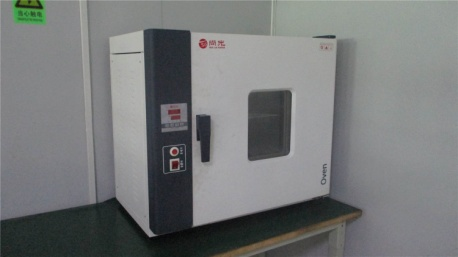
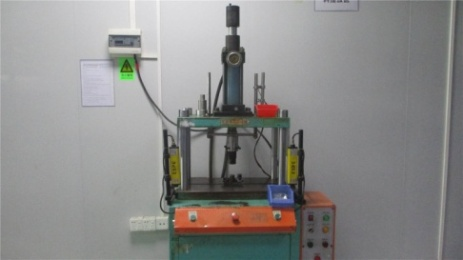
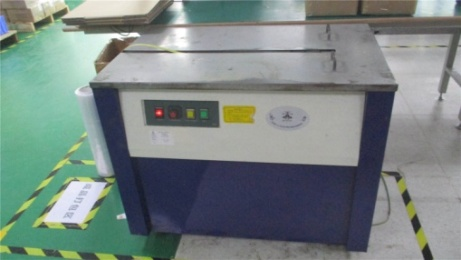
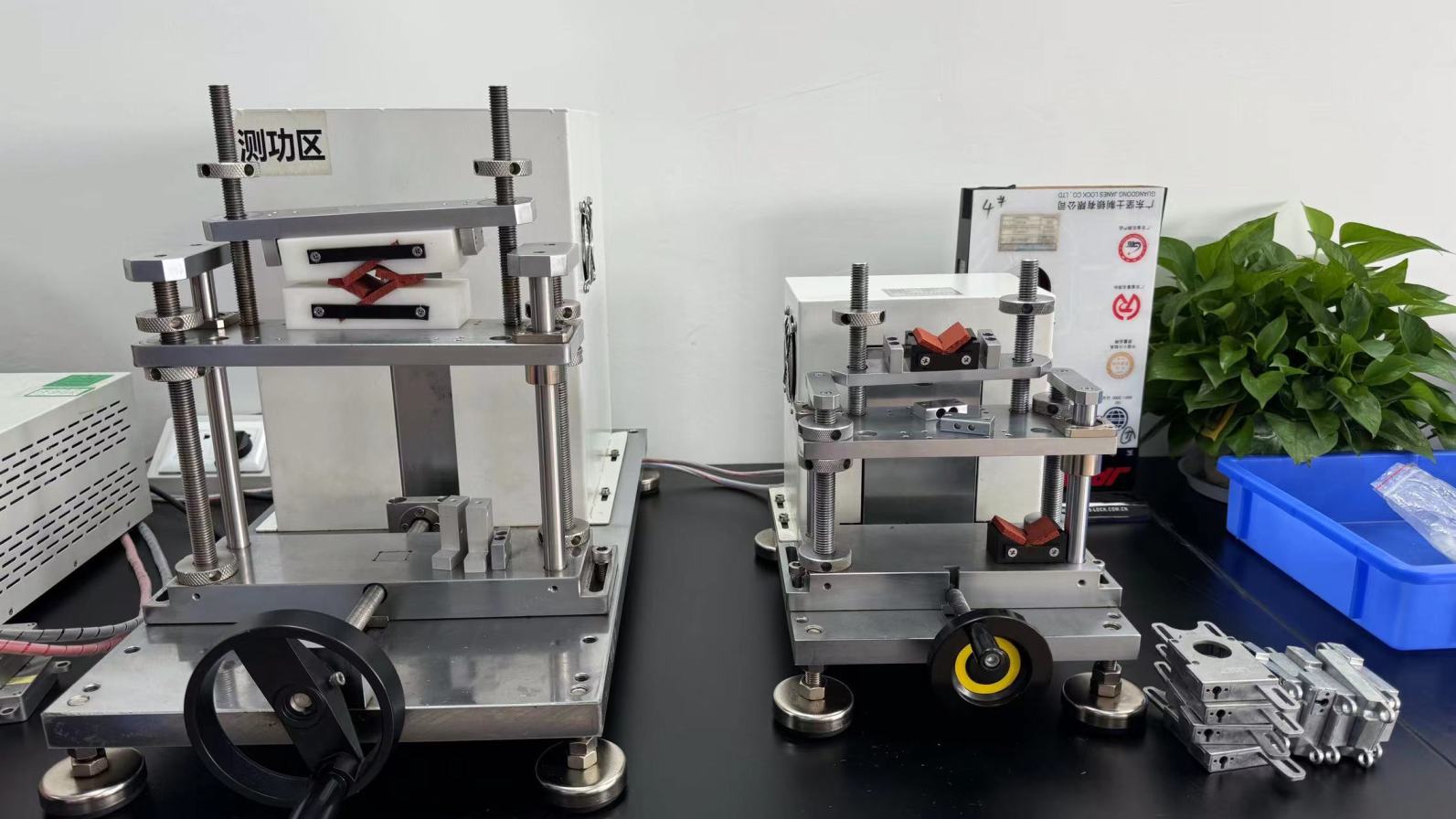
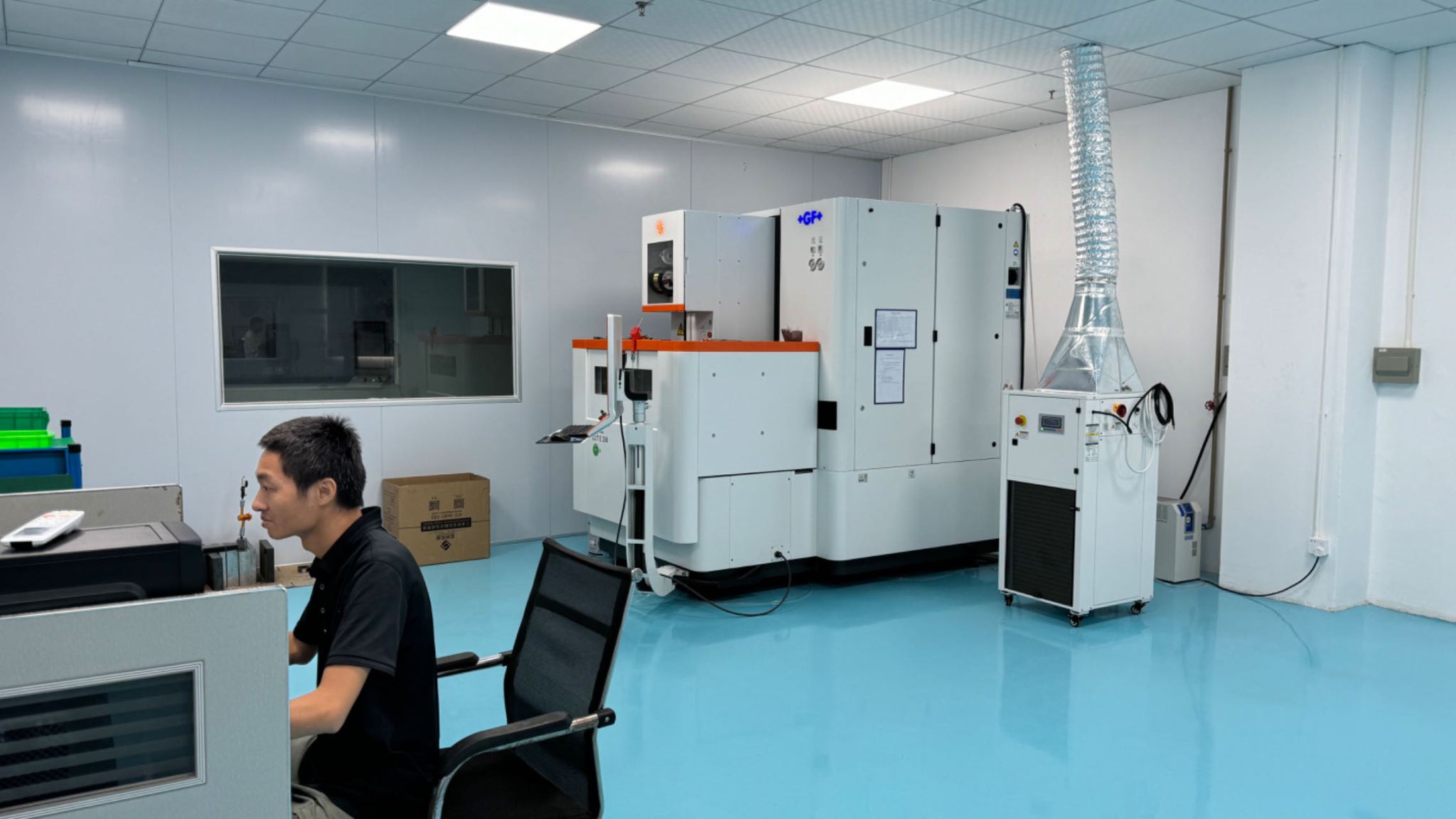
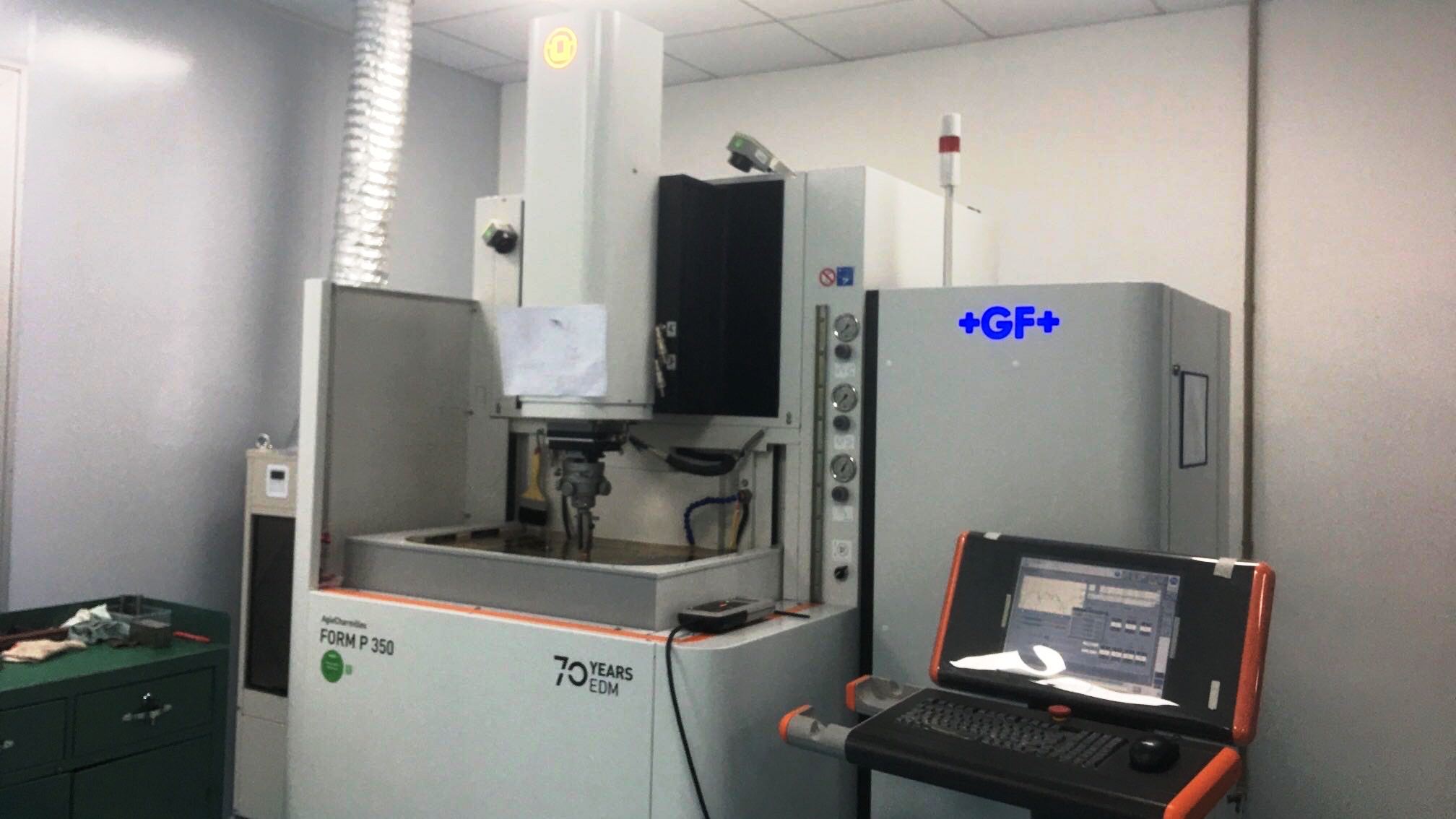
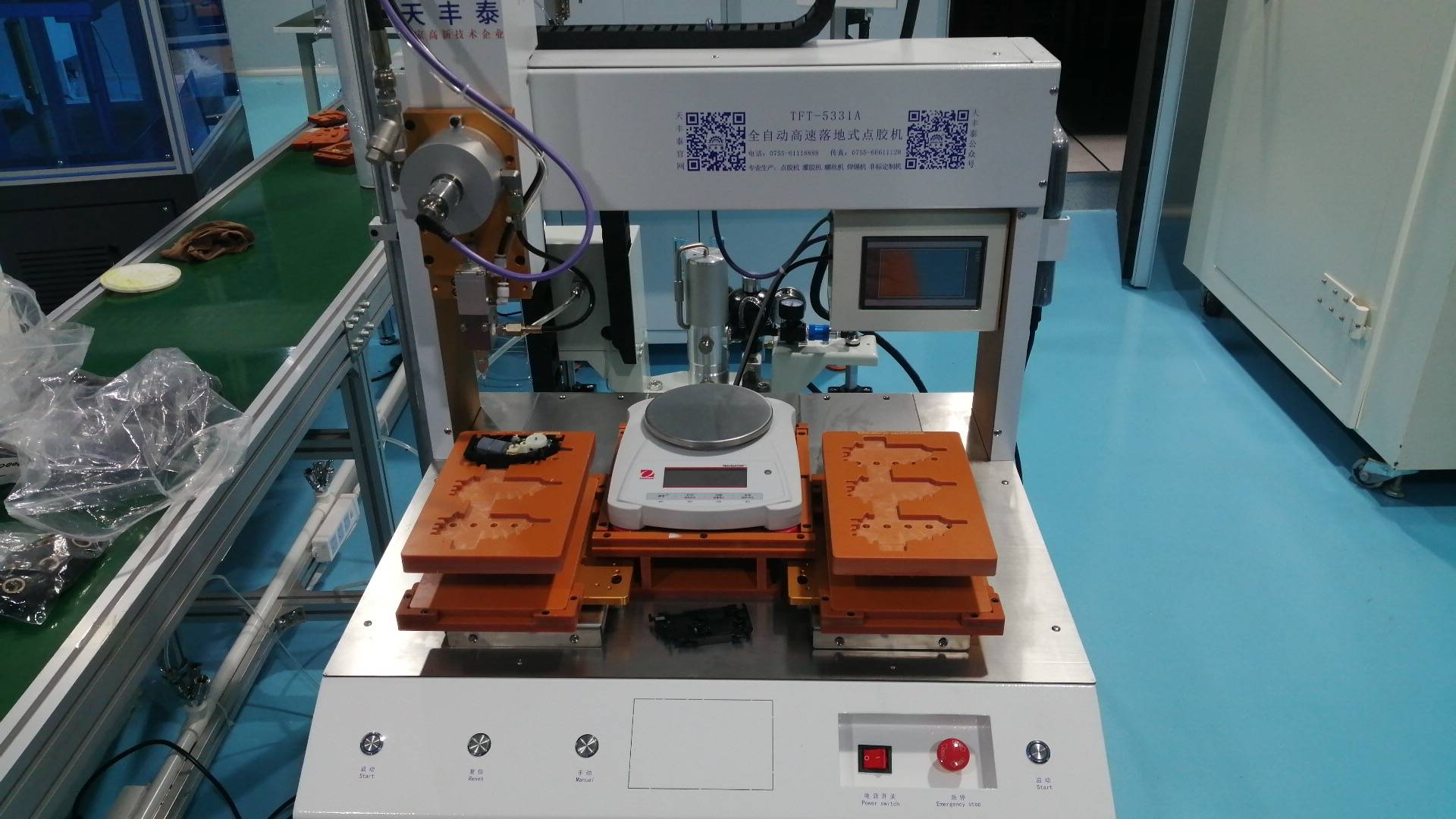
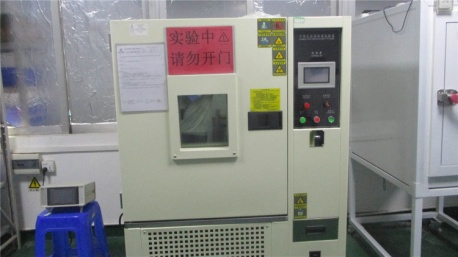
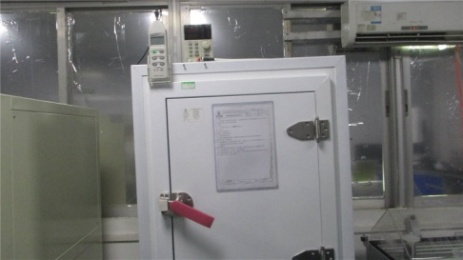
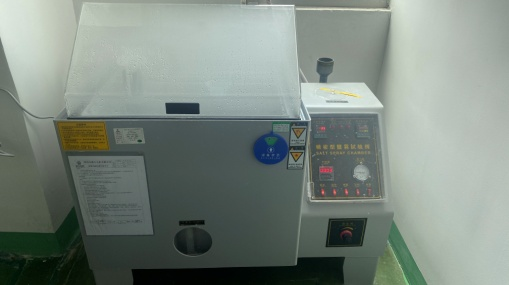
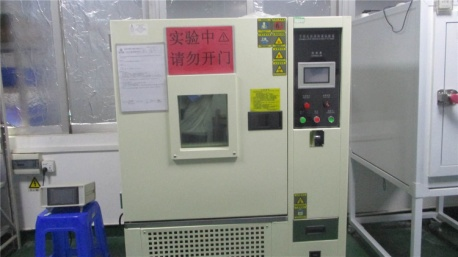
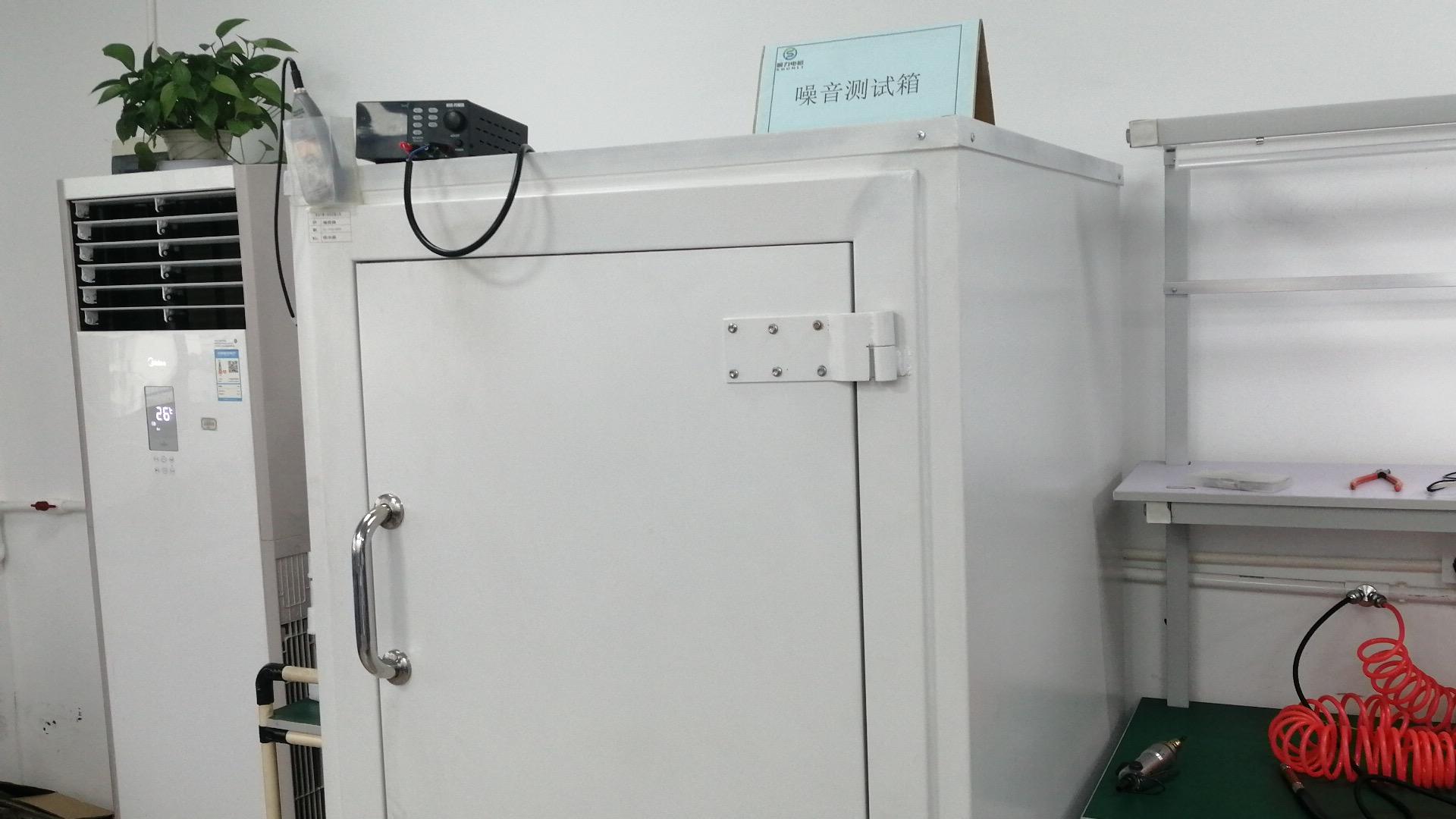
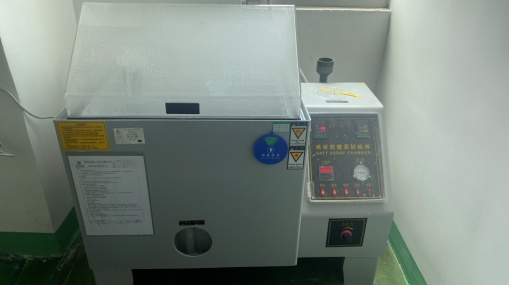
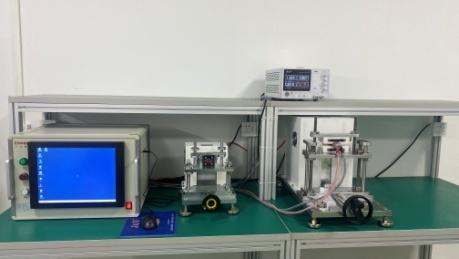
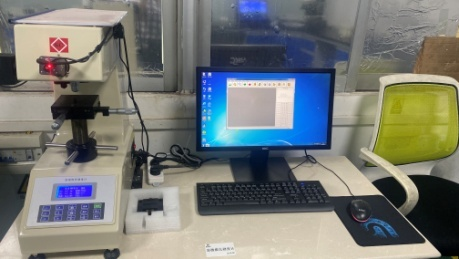
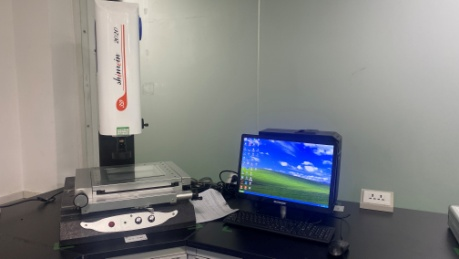
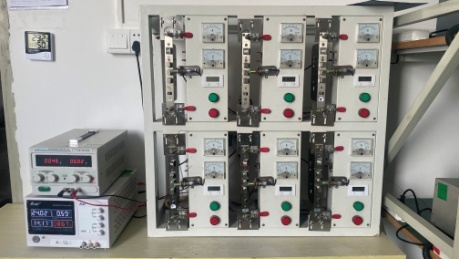
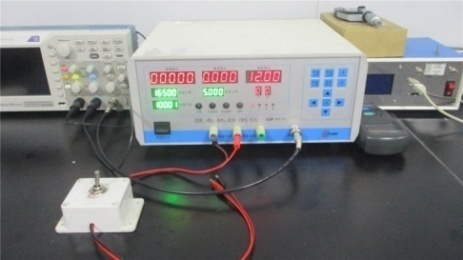
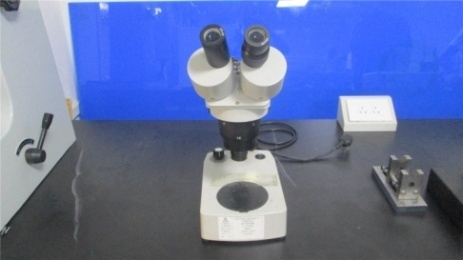
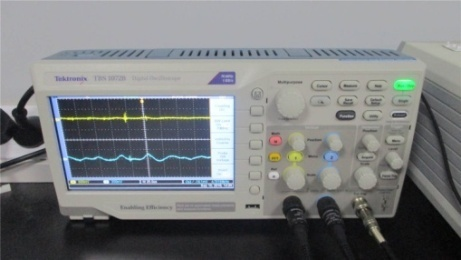
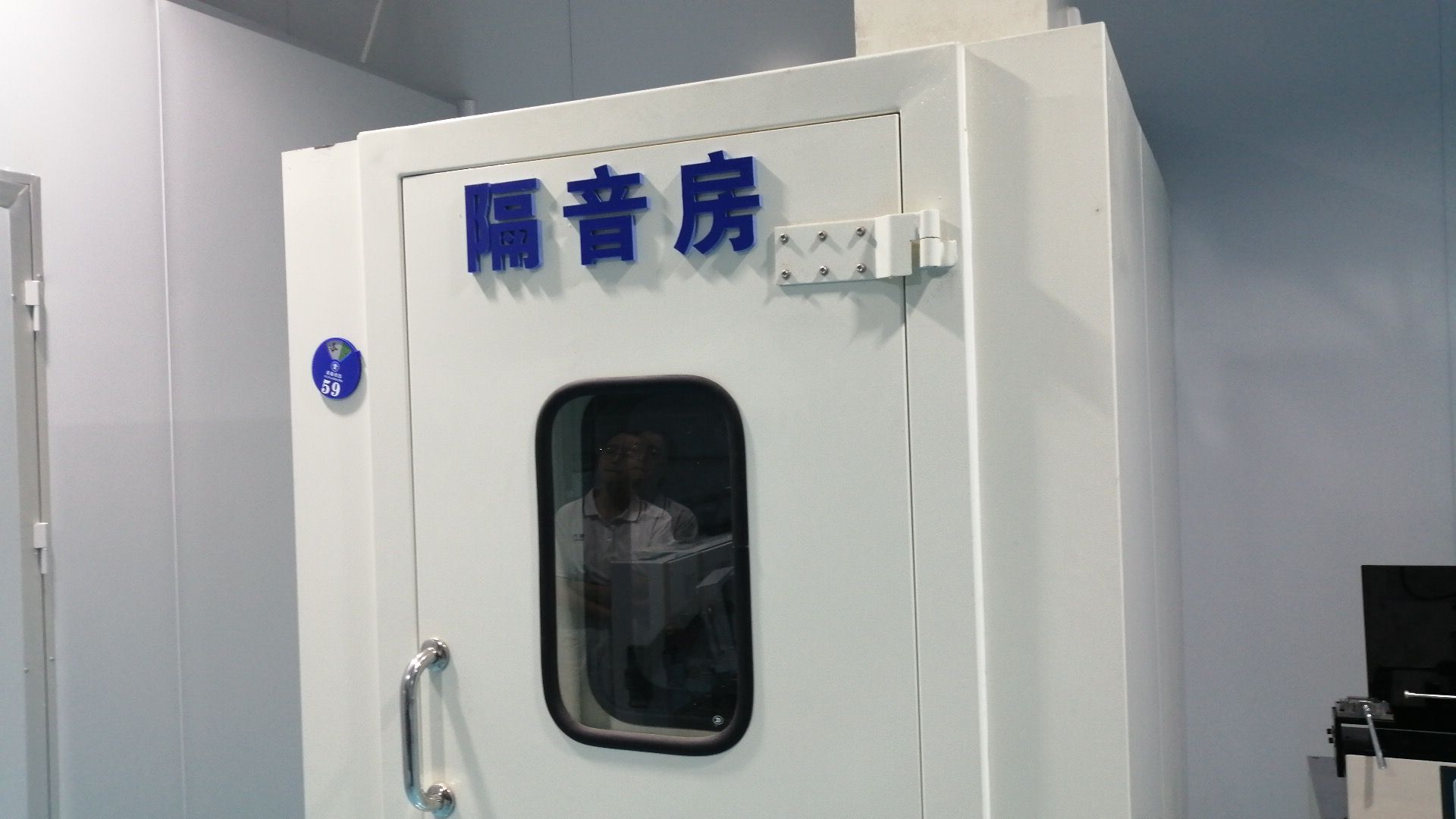
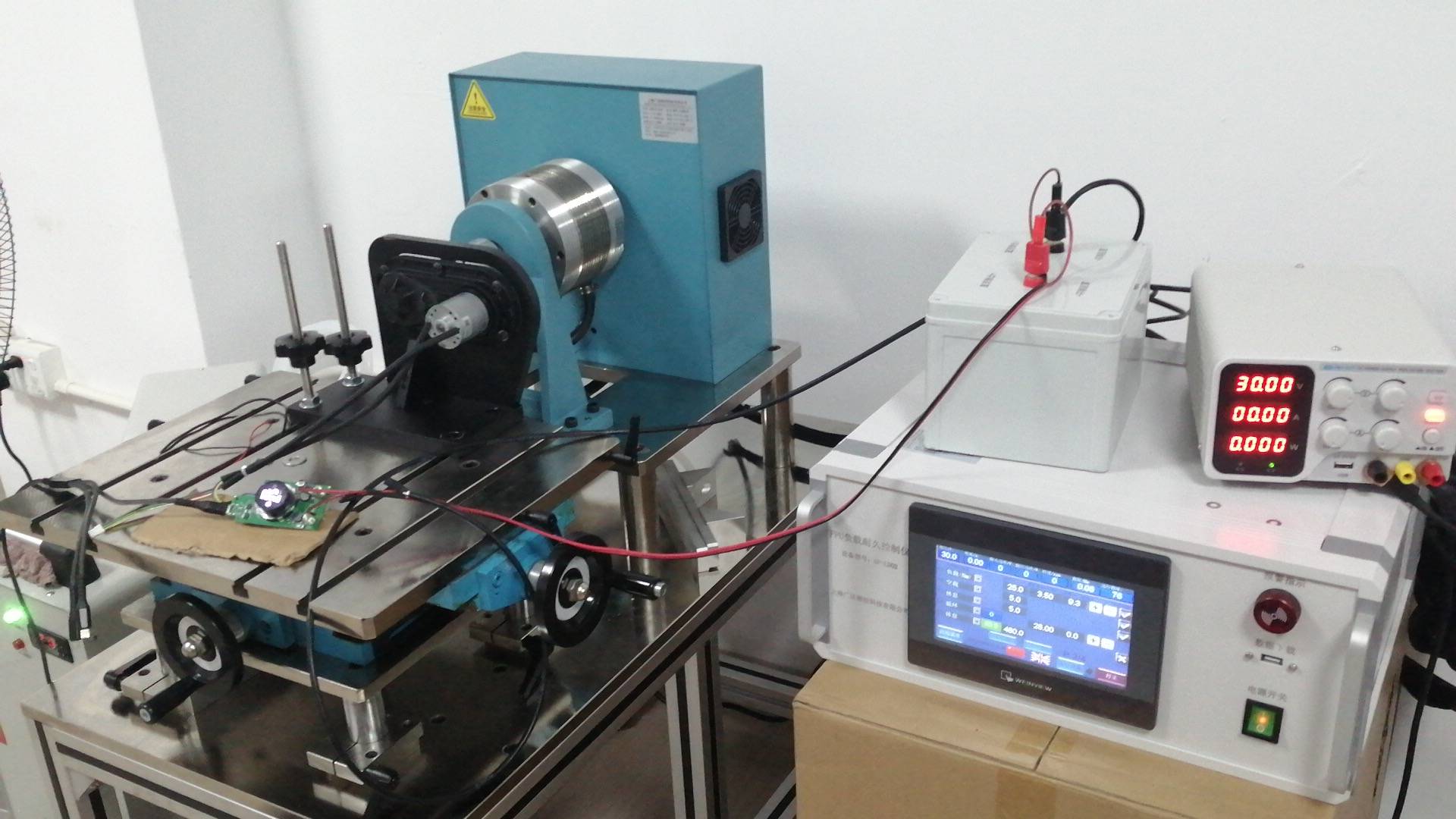
China's manufacturing sector has transitioned from assembly-oriented plants to high-precision engineering hubs. Facilities like ours feature state-of-the-art testing equipment, such as Video Measuring Instruments, Dynamometer Machines, and Noise Testing Chambers, to qualify every motor batch. Continuous testing for salt spray resistance, structural hardness, and thermal cycling guarantees compliance with international standards.

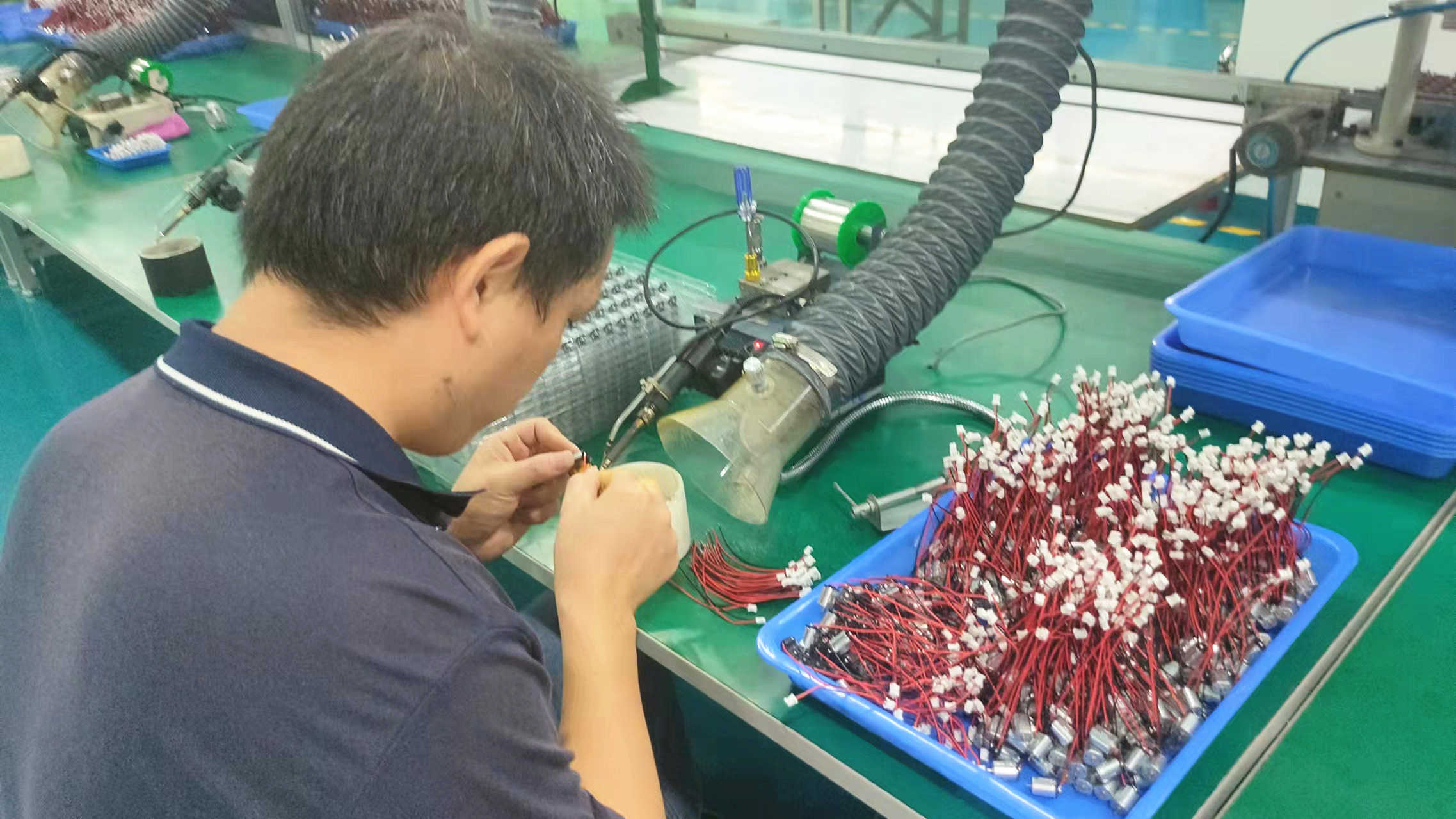
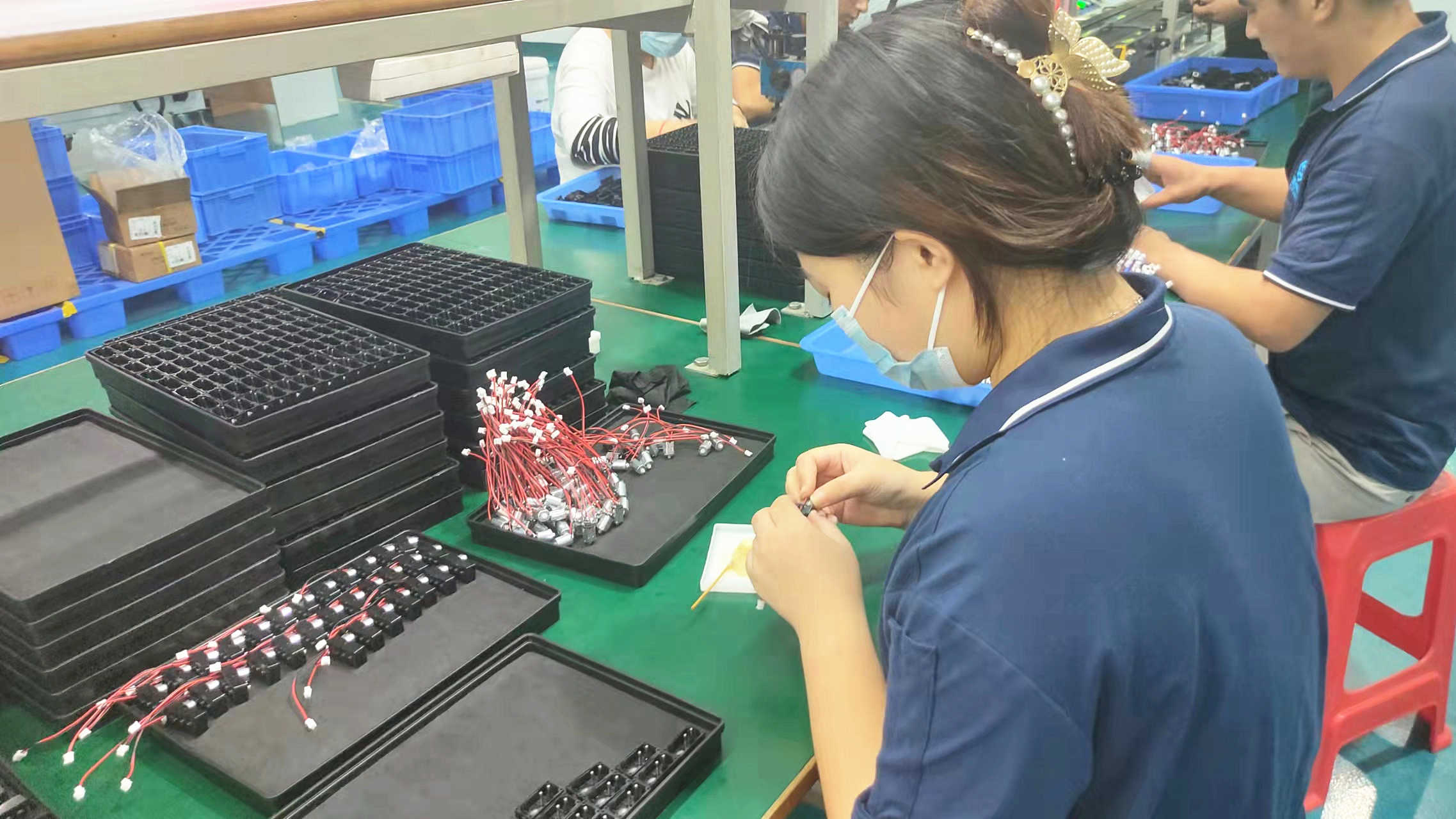
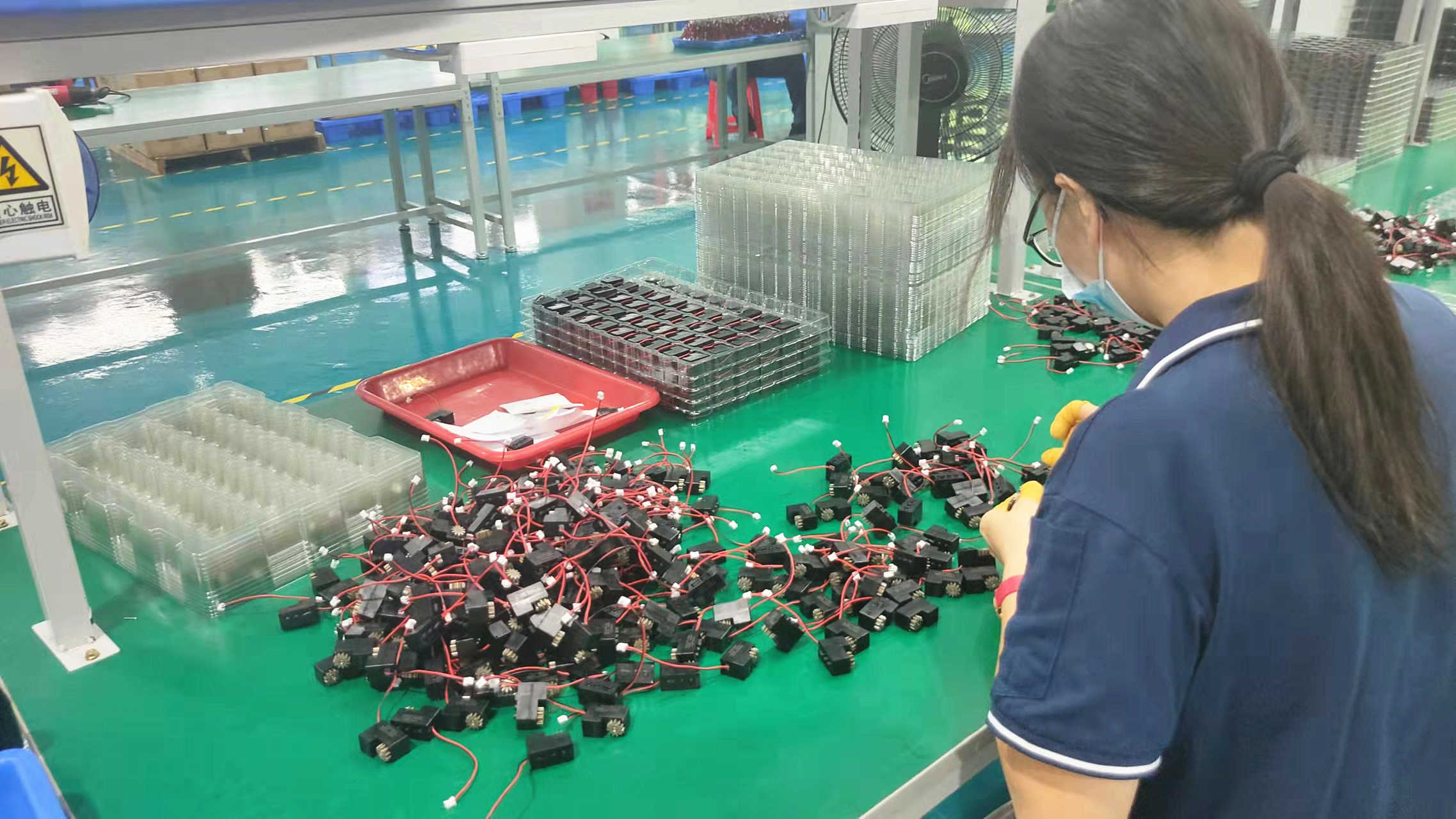
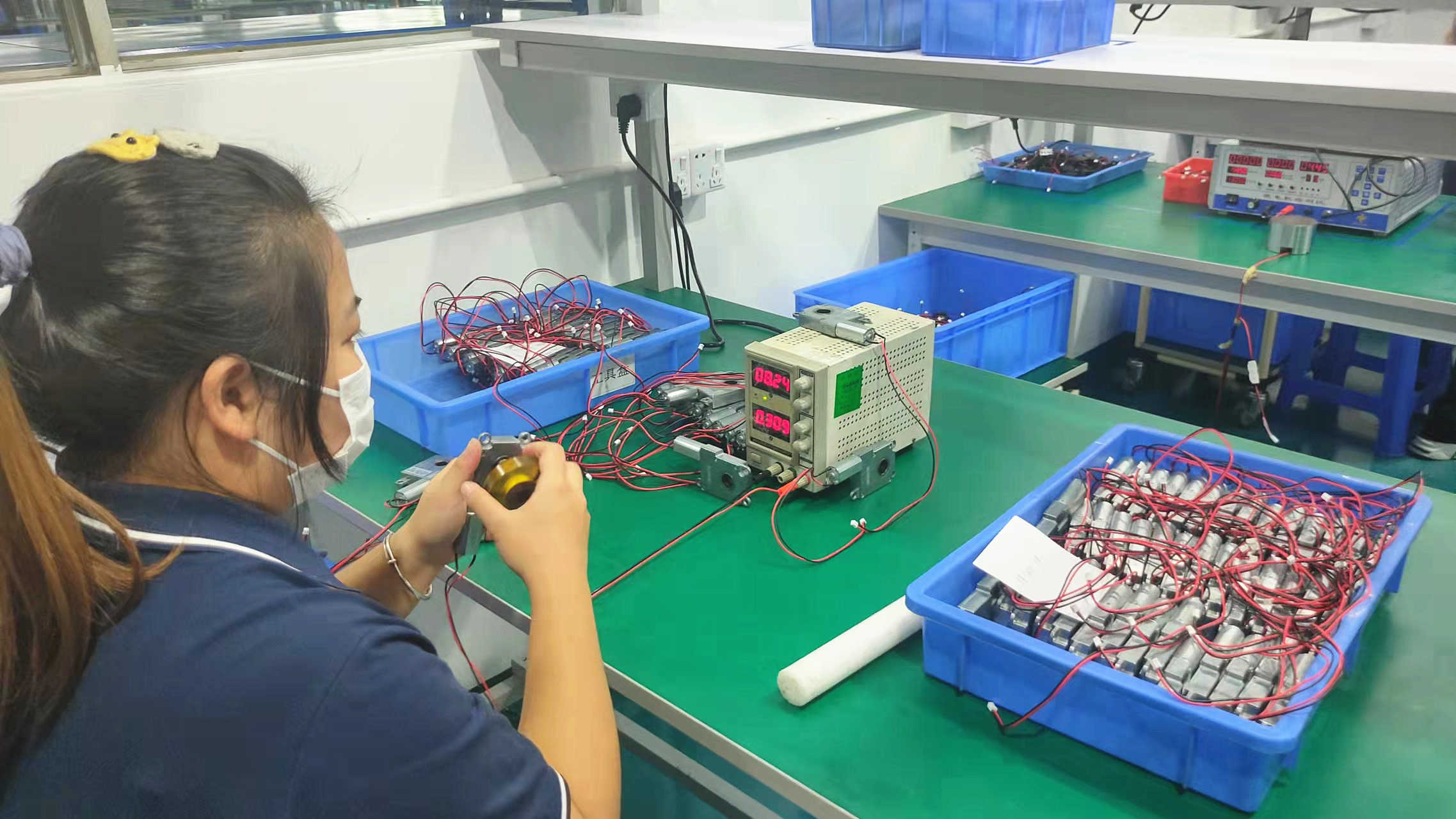
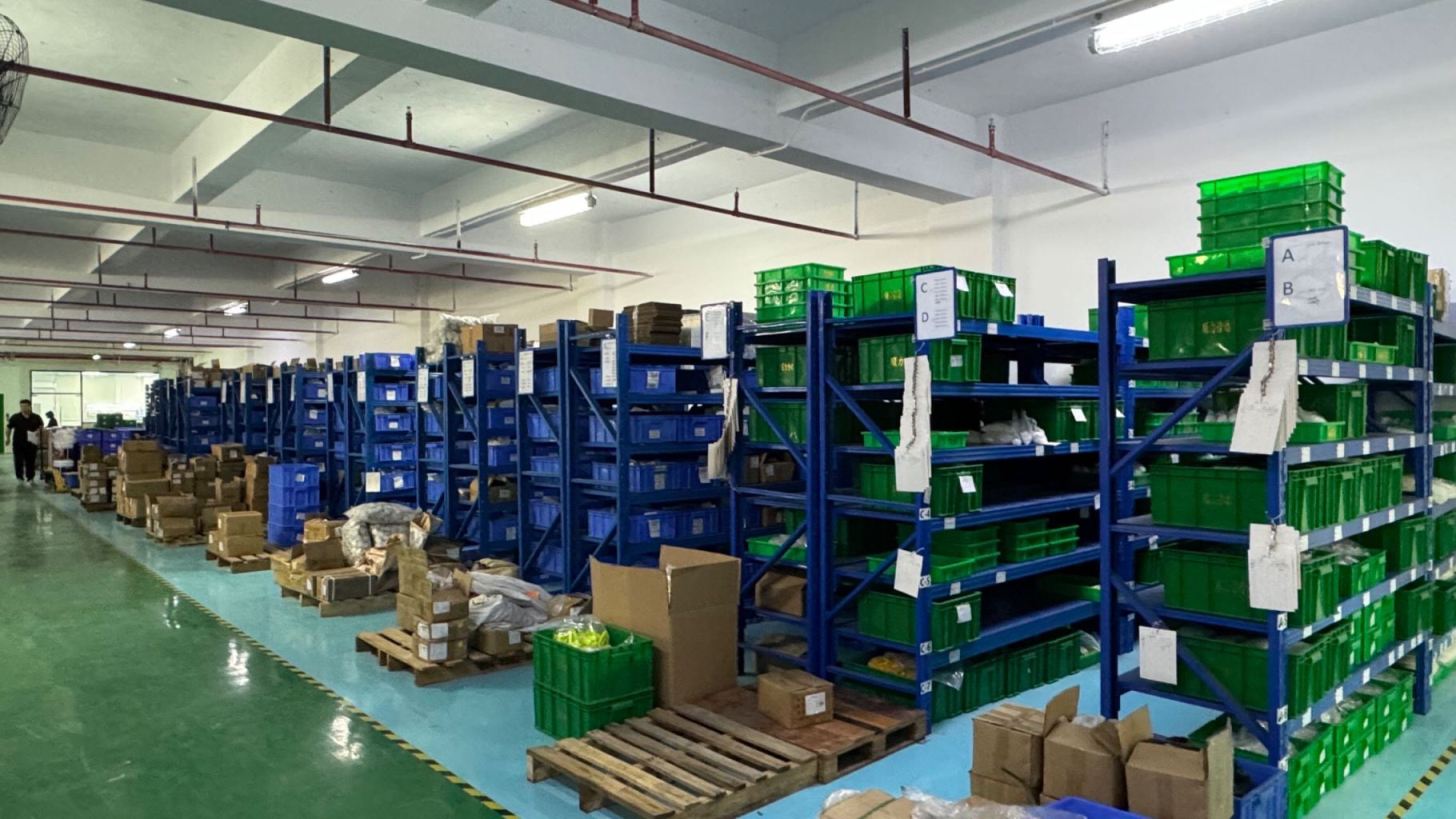
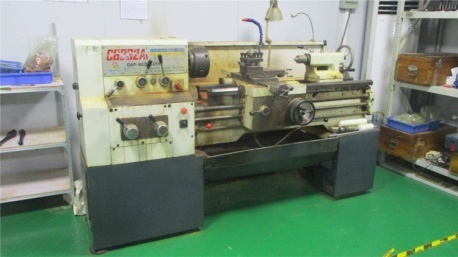
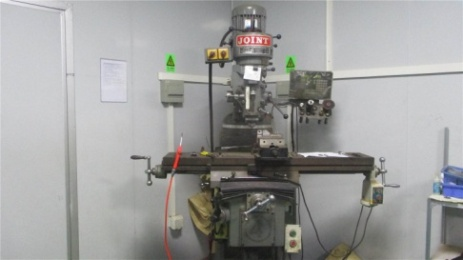
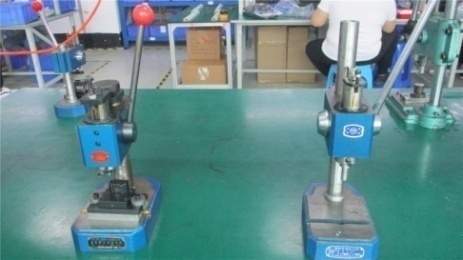
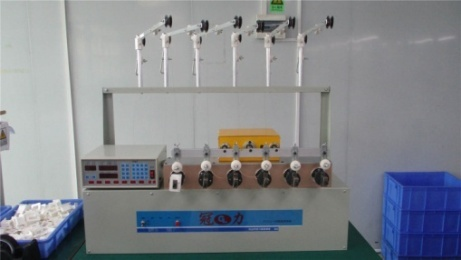
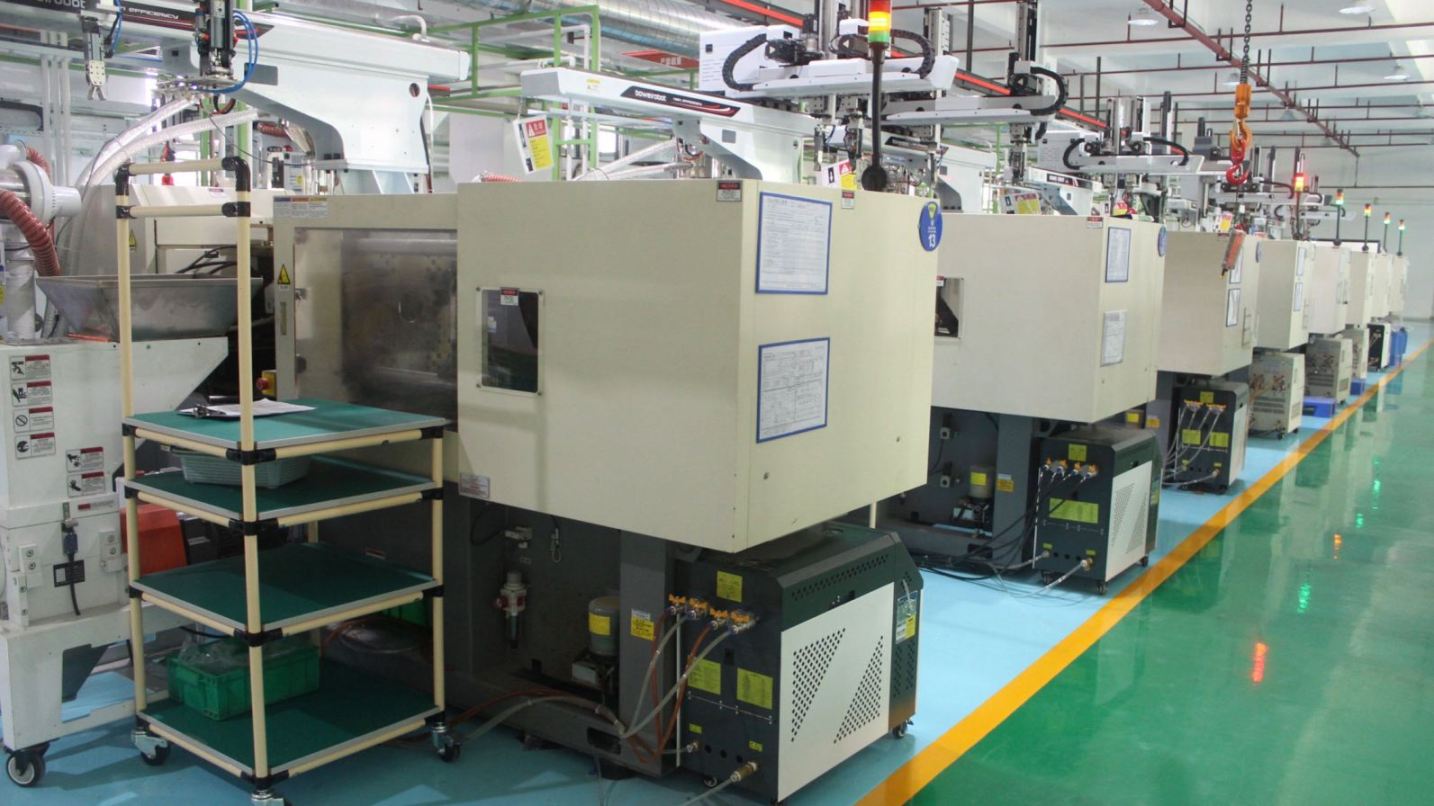
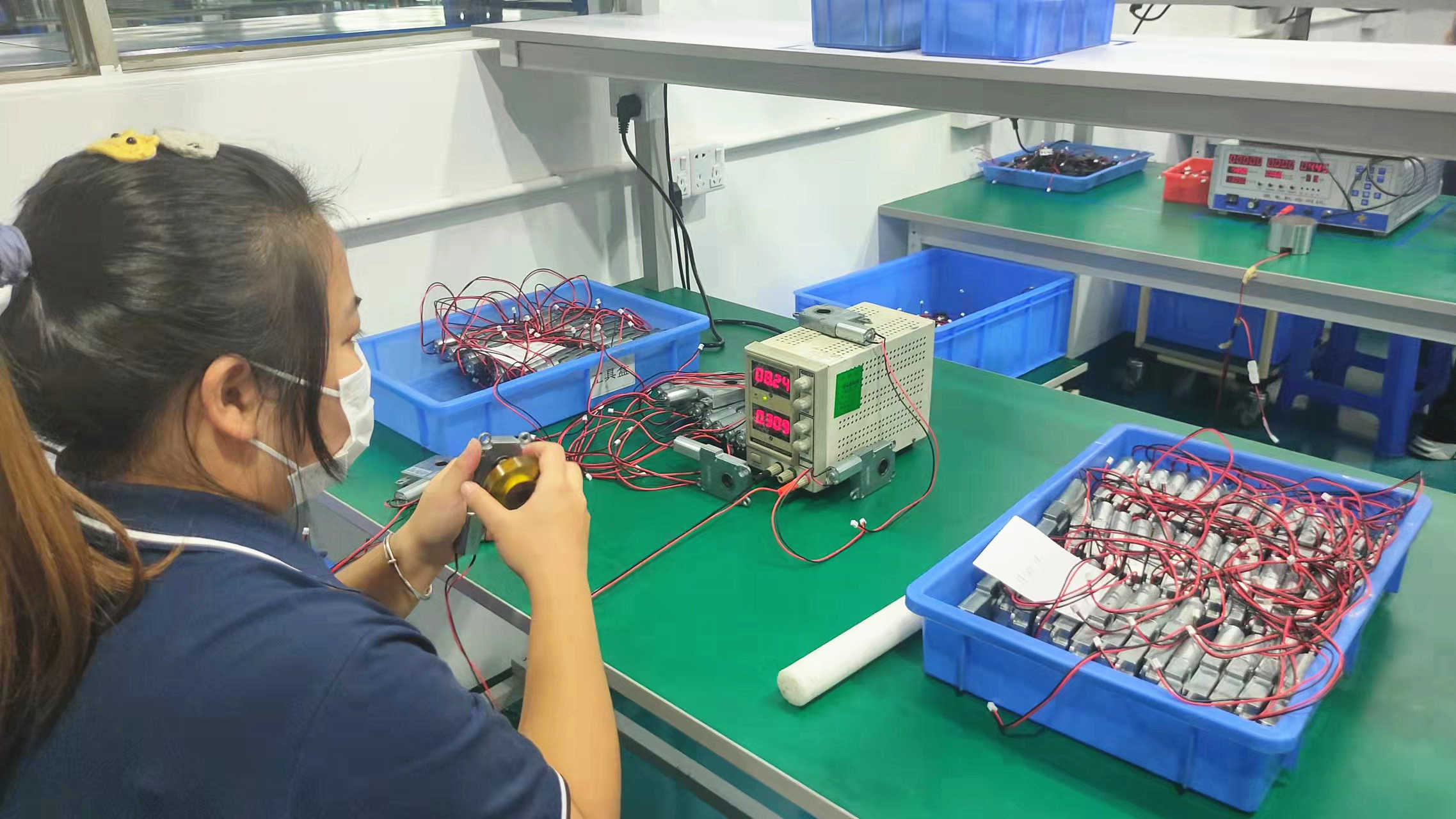
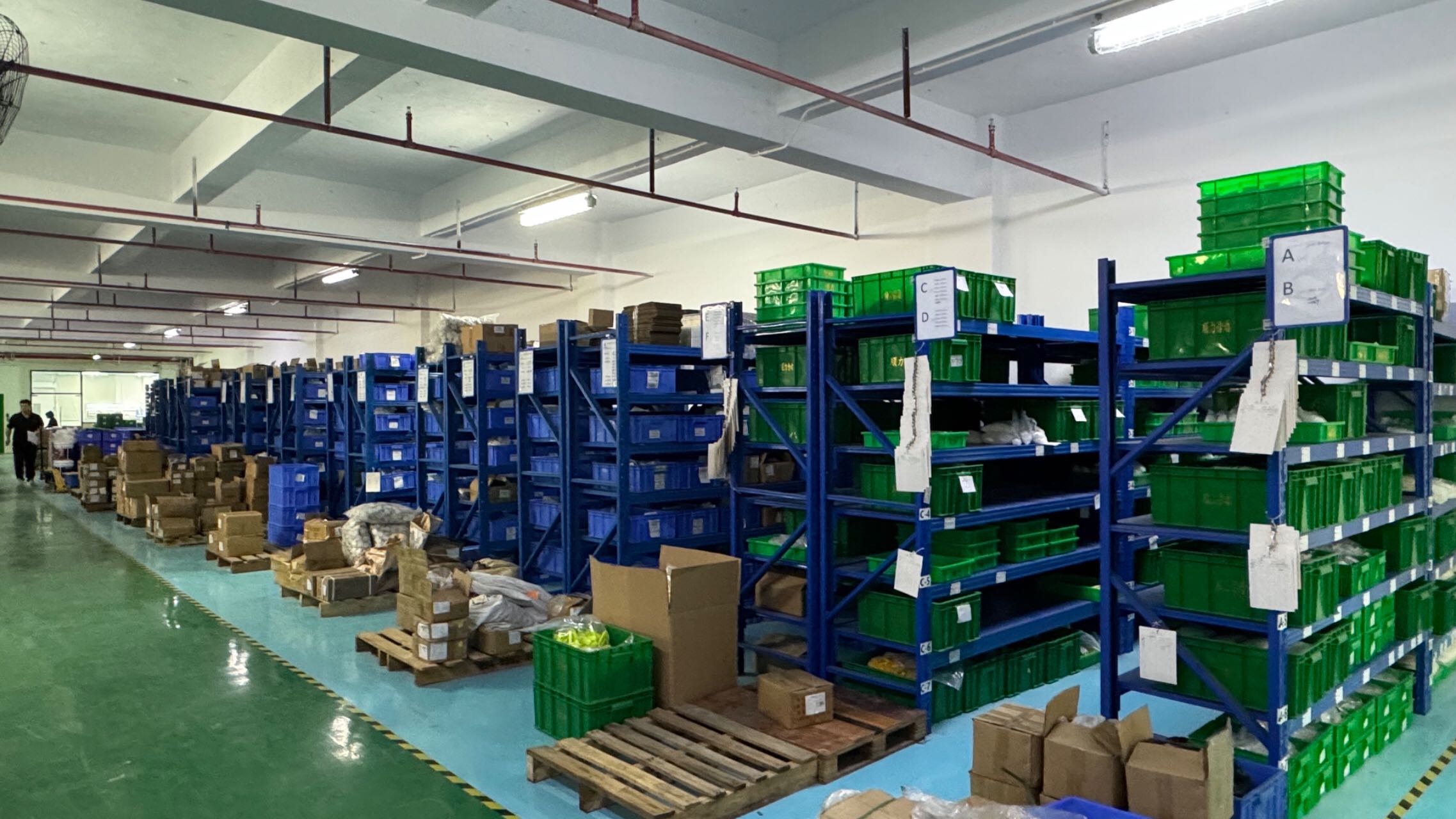
Our production halls run CNC machinery, automated winding rigs, and state-of-the-art diagnostic instruments to guarantee structural integrity.
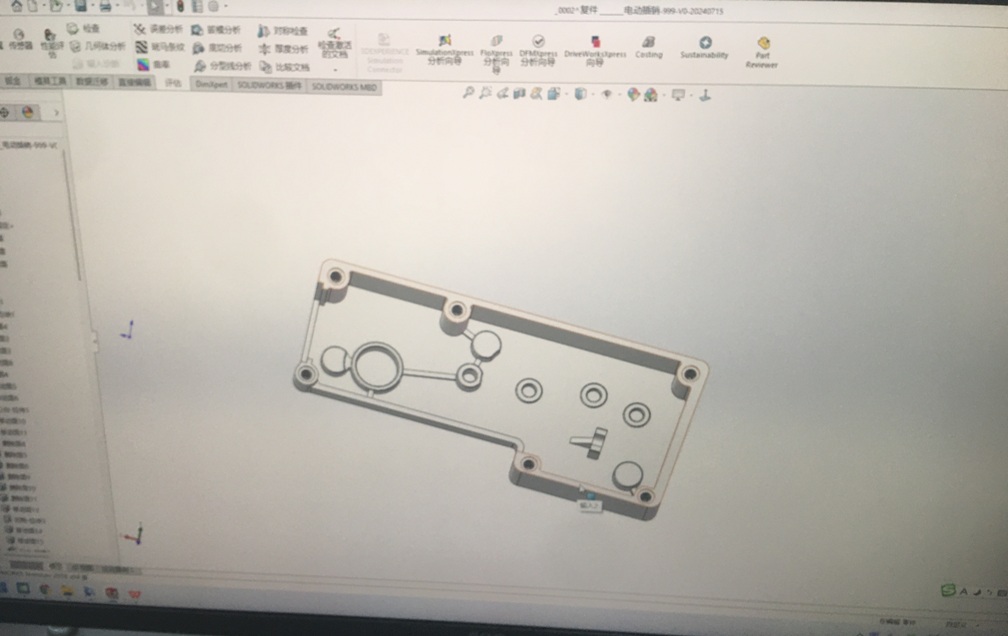
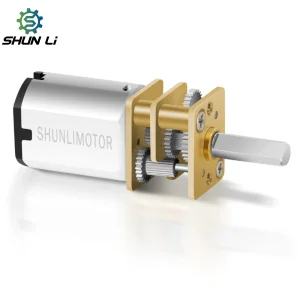
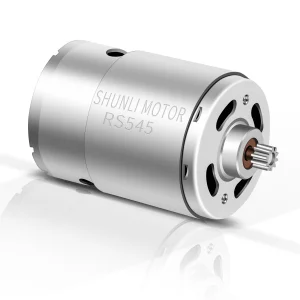
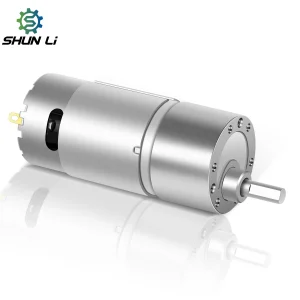
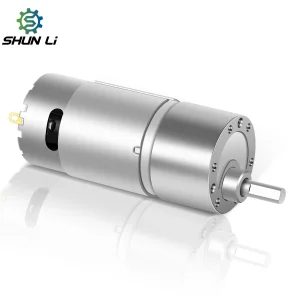
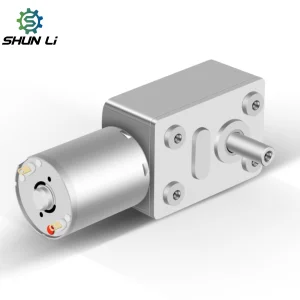
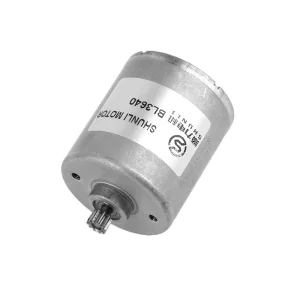
At TorqFlex, we measure our success in micrometers and decibels. We understand that inside a premium robotic joint, a medical dosing pump, or a high-end smart lock, space is the ultimate luxury. Our mission is to pack maximum torque, unyielding durability, and near-silent acoustics into the most compact footprints imaginable.
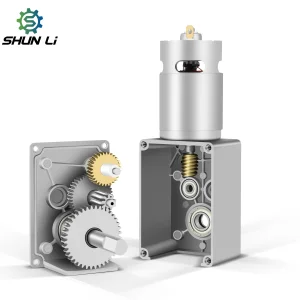
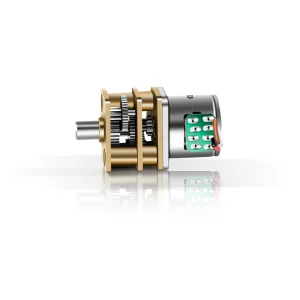
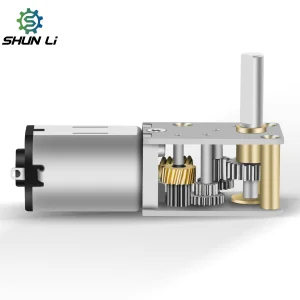
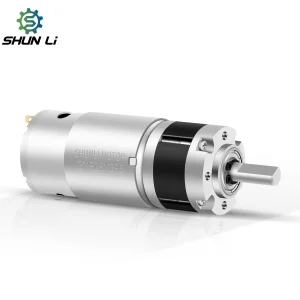
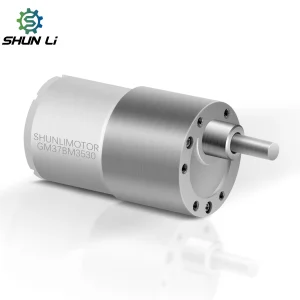
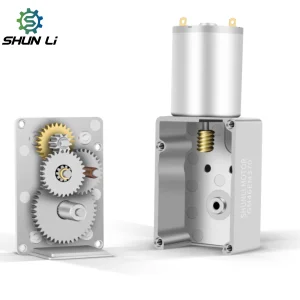
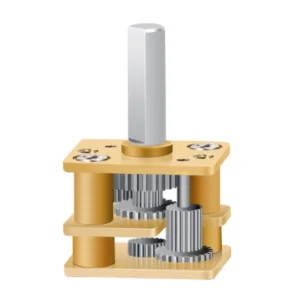
Our expertise lies in the harmony of miniature engineering. From precision-wound rotors and high-purity copper commutators to custom-designed planetary gearheads, every component inside a TorqFlex micro motor is optimized for low energy consumption and a friction-free lifespan. We constantly push the limits of micro-drive tech, utilizing advanced automated Swiss-style hobbing and Japanese dynamic balancing to ensure that our internal gear trains operate with zero-backlash precision. When the integrity of your high-tech device hangs on repeated mechanical perfection, TorqFlex delivers the silent power that anchors your design.

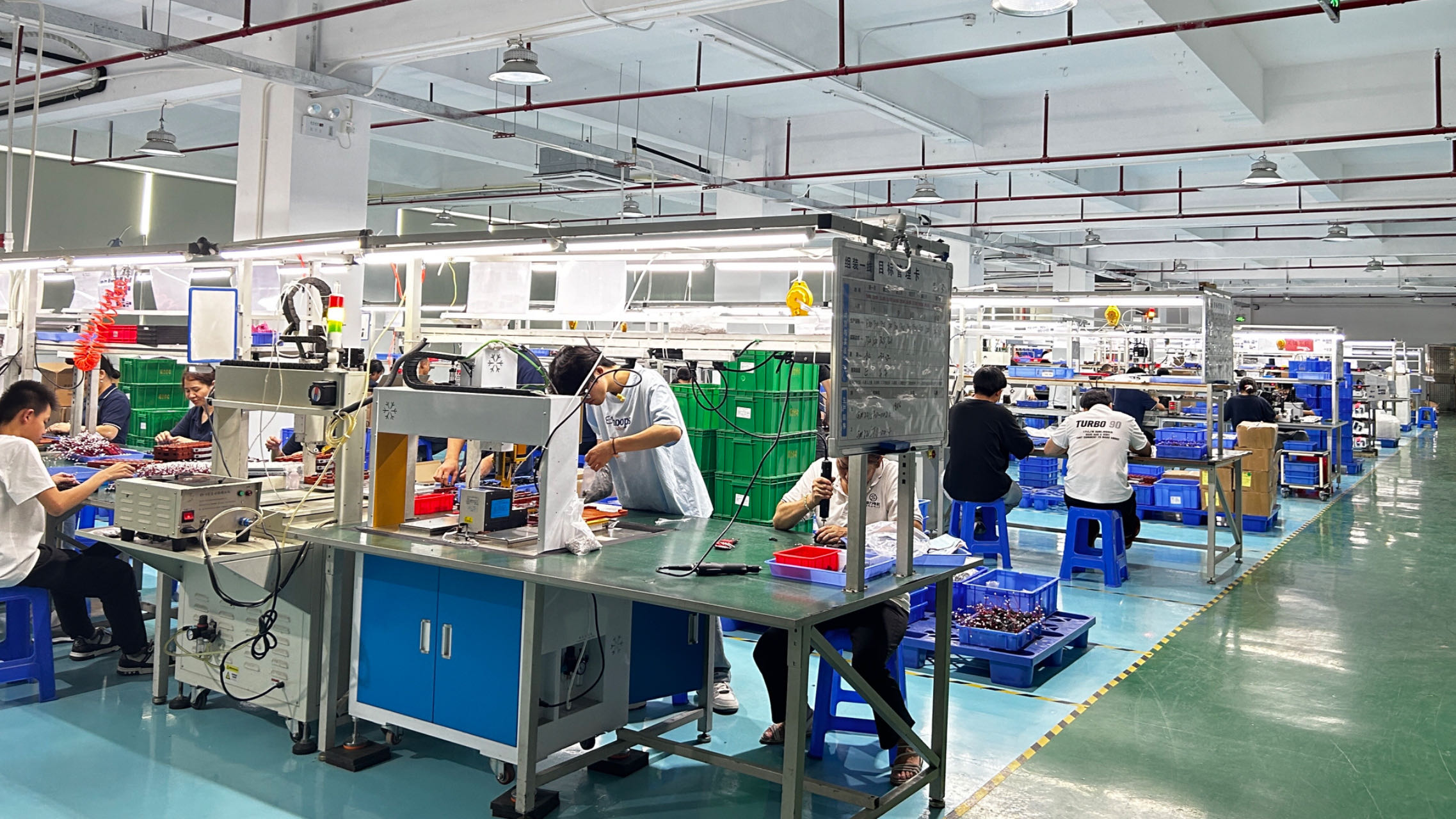
Beyond structural assembly, our R&D wing coordinates with machine tool specialists to optimize the layout of magnet lines in linear motors, minimizing electromagnetic losses. This direct design strategy ensures that we are not just assembling components, but managing the complete physics of linear direct drives to deliver superior efficiency.
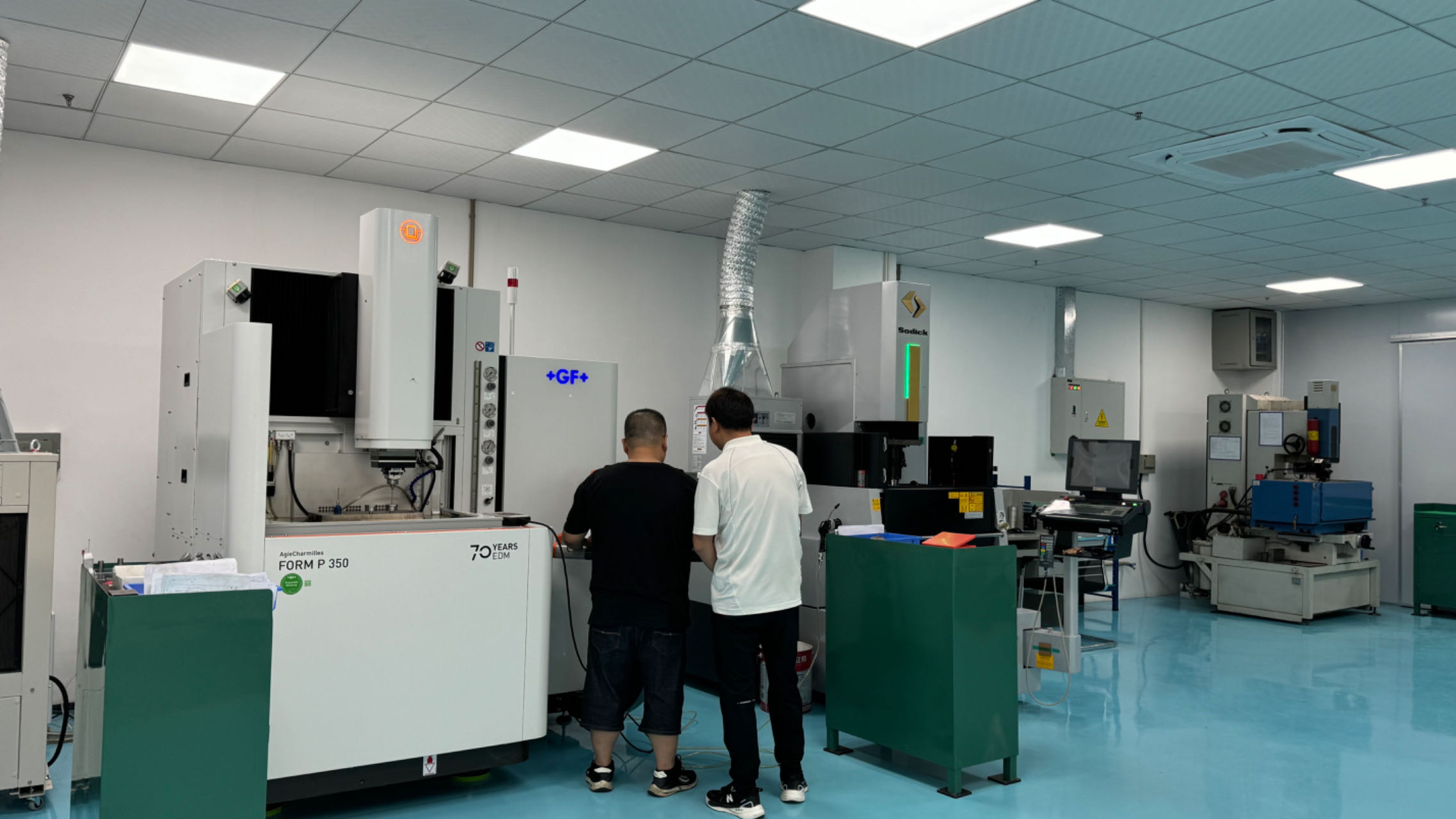
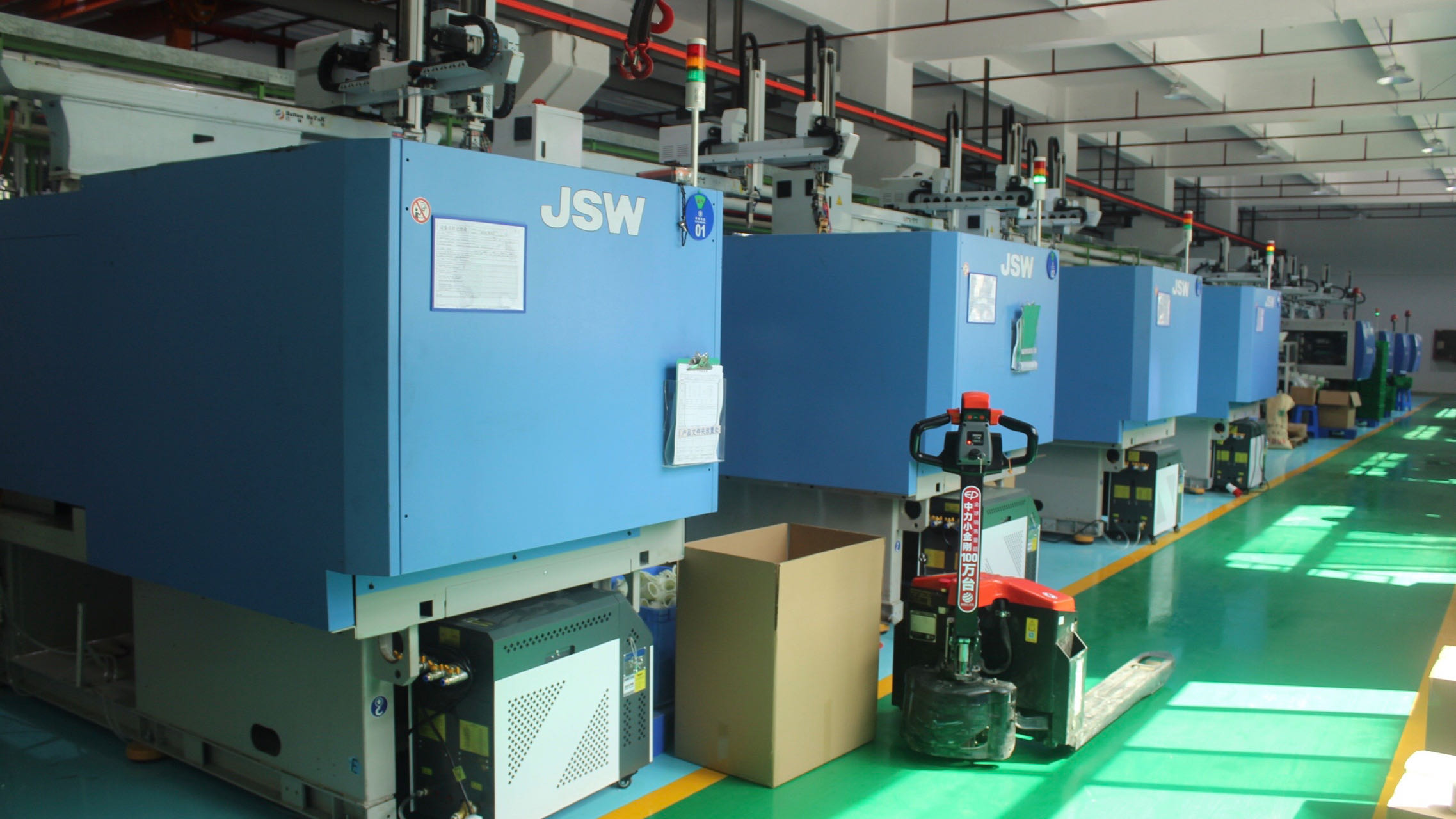
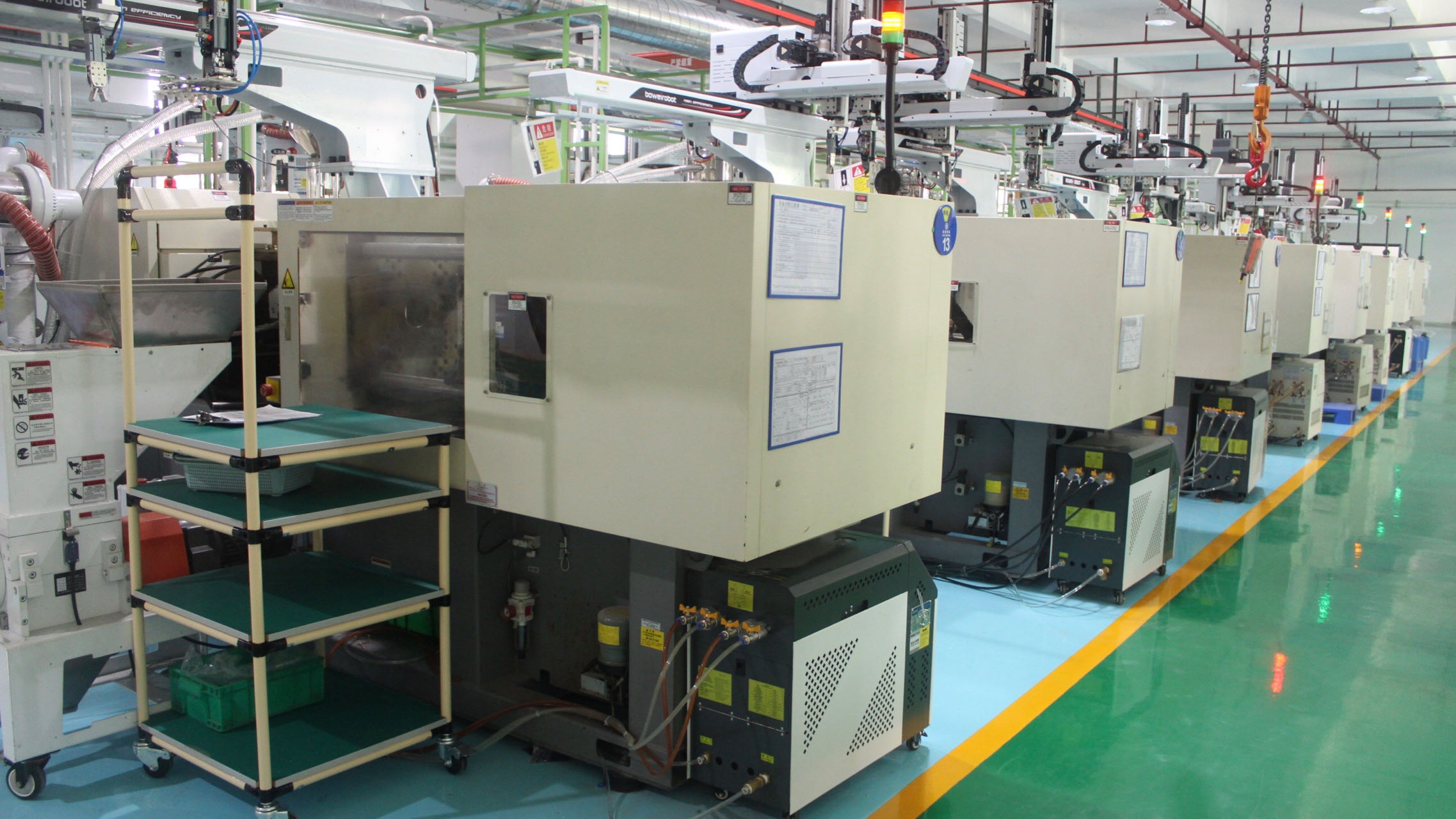
We integrate multi-stage validation checks throughout assembly, verifying magnetic profiles, thermal limits, and decibel outputs.
Precision direct-drive motors power critical applications across high-tech industries. Here is a breakdown of their primary deployments:
| Target Industry | Specific Application | Technical Requirement | Linear Motor Advantage |
|---|---|---|---|
| Semiconductor | Wafer Probing & Lithography | Sub-micron precision, zero-backlash | Ironless configurations eliminate cogging for smooth motion scans. |
| Medical Automation | High-throughput Dosing Systems | Ultra-compact footprint, high duty cycle | Provides high stroke repeatability with minimal heat signature. |
| Industrial Laser | Precision Cutting & Marking | High acceleration (up to 10G) | Direct coupling allows high speeds without belt or screw wear. |
| Consumer Electronics | SMT Component Placement | Ultra-high frequency start/stop cycle | Rapid settling times improve picks-per-hour metrics. |
By eliminating intermediate mechanical linkages, linear motors resolve the trade-offs between precision, speed, and durability. This direct control approach enables faster setup times and more reliable performance over years of continuous operation.
 TorqFlex Motor