Choosing the best Geared Electric Motor for global buyers in 2026 requires more than comparing price and horsepower. A motor may look efficient on a supplier’s webpage, yet fail under dust, heat, vibration, or irregular loading. The real test appears on the factory floor, beside a conveyor running twelve hours daily.
Dr. Heinz P. Bloch, a recognized machinery-reliability expert, stated, “The purpose of maintenance is to prevent the failure of equipment.” This principle remains highly relevant to geared motor selection. Buyers should examine gearbox materials, gear ratio, rated torque, insulation class, ingress protection, brake options, and service access. A food-processing plant may need stainless protection and washdown resistance. A warehouse conveyor may prioritize low noise, starting torque, and easy replacement. Small details matter.
Global purchasing also involves voltage standards, certification requirements, spare-parts availability, delivery stability, and technical support. A 2026 model with impressive efficiency can still become an expensive mistake if its seals are unavailable locally. Not every “premium” motor fits every application. That deserves honest reflection.
This guide will compare leading Geared Electric Motor solutions through practical performance, lifecycle cost, reliability, and application suitability. It will consider manufacturers, motor technologies, mounting designs, and real operating conditions. Laboratory data helps, but field evidence matters more. Buyers should verify test methods and warranty terms before committing. The ideal choice is not always the newest model. It is the motor that keeps turning, receives support, and matches the machine’s actual workload.
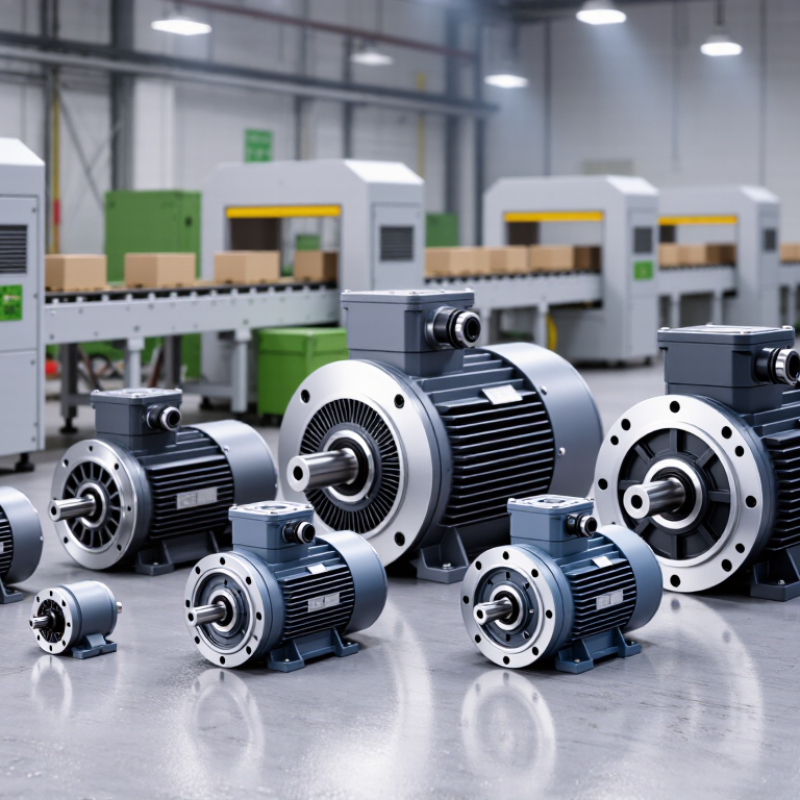
Geared electric motors combine an electric motor with a gearbox. The motor creates rotational power. The gearbox reduces speed and increases output torque. Its main parts include a stator, rotor, gears, bearings, seals, housing, and output shaft. Helical, planetary, worm, and bevel gears suit different load patterns. A conveyor may need steady torque, while a lifting unit needs stronger starting force.
The operating principle is practical. Electrical energy produces magnetic rotation inside the motor. The gearbox then changes speed, torque, and rotation direction. The U.S. Department of Energy reports that motor-driven systems consume about 68% of industrial electricity in the United States. The International Energy Agency also identifies motors as major global electricity users. Efficiency is not a minor detail. Buyers should check IEC 60034-30-1 efficiency classes, duty cycle, voltage, frequency, noise, and thermal limits. A larger motor is not always safer. It may waste energy during light loads.
Tips: Match the gear ratio to the real load, not the advertised peak load. Check the service factor and IP rating for dust or water exposure. Measure shaft torque during startup. Installation experience shows that alignment errors often create heat, vibration, and early bearing damage. Perfect selection is unrealistic. Recheck assumptions after field testing, especially when ambient temperature and operating hours differ from laboratory conditions.
For global buyers, the best geared electric motor in 2026 will match the application, not simply the highest efficiency label. The IEA reports that electric motor systems consume about 46% of global electricity. Small specification errors can therefore create large operating costs. Compare rated power, output torque, gear ratio, speed range, and duty cycle. IEC 60034-30-1 defines motor efficiency classes, including IE3 and IE4. However, the gearbox also affects total efficiency. Ask for combined motor-gearbox performance data.
Environmental details matter. Check the IP protection rating for dust and water exposure. Confirm insulation class, ambient temperature limits, mounting position, noise level, and thermal protection. A conveyor may need high starting torque, while a packaging machine may need smooth variable-speed control. Service factor deserves attention, but it should not hide poor sizing. Real installation data is often less perfect than the catalogue suggests.
Tips: Request a complete efficiency map, not one efficiency figure. Compare output torque at actual operating speed. Verify regional voltage, frequency, certification, spare-part access, and warranty terms. The U.S. Department of Energy recommends evaluating the whole motor-driven system, including controls and mechanical loads. That approach is practical. Still, buyers should question every assumed load profile. A motor selected from average conditions may overheat during daily peaks. Field testing remains valuable, even when the spreadsheet looks convincing.
Key specifications for comparing geared electric motors in 2026. The chart shows representative continuous efficiency at rated load for common industrial gearmotor designs. Actual performance varies with reduction ratio, lubrication, loading, temperature, and motor speed.
Helical and planetary gearmotors generally provide high efficiency for continuous-duty applications. Bevel-helical units are suitable when right-angle power transmission is required, while cycloidal designs offer high shock-load capacity. Worm gearmotors are often selected for compact, low-cost, or high-ratio systems, but their efficiency is typically lower.
For global buyers in 2026, the best geared electric motor depends on the duty, not marketing language. Helical geared motors suit conveyors, mixers, and packaging lines because they deliver strong efficiency and steady torque. Worm geared motors remain compact and affordable. However, their sliding contact creates more heat and lower efficiency under continuous loads. Bevel-helical units offer higher efficiency and flexible shaft arrangements for material-handling equipment.
Planetary geared motors handle high torque in a small package. They fit cranes, robotics, and heavy-duty positioning systems. The International Energy Agency reports that electric motor systems consume roughly half of global electricity. This makes gear selection an energy decision, not only a mechanical one. IEC 60034-30-1 efficiency classes also help buyers compare motor performance across markets. Check the complete system, including the gearbox, inverter, bearings, and load profile.
The U.S. Department of Energy’s Motor Systems Market Assessment shows that optimized motor systems can reduce industrial energy use through correct sizing and controls. In practice, a motor running at 40% load may waste more energy than expected. I have found that buyers often focus on rated torque and overlook starting frequency, ambient heat, and maintenance access. That is a costly gap. Sealing matters in dusty plants. Brake response matters in vertical lifting. Stainless housings may help in washdown areas, but they can increase cost and weight. A perfect choice rarely exists. Recheck the duty cycle before approving the purchase.
For 2026 geared electric motors, global buyers should compare operating evidence, not attractive catalog claims. The International Energy Agency estimates that electric motor systems consume about 46% of global electricity. Small efficiency differences can therefore become large lifetime costs.
Check rated torque, speed range, duty cycle, noise, temperature rise, and gearbox backlash. Ask for test records under conditions matching your machinery. IEC 60034-30-1 efficiency classes provide a useful comparison, but efficiency alone is not enough. A motor running efficiently with the wrong gear ratio may still waste energy.
Look beyond the purchase price. Calculate energy use, lubrication, spare parts, downtime, and expected service life. The U.S. Department of Energy reports that motor-driven equipment can represent about 70% of industrial electricity use. This makes poor sizing expensive. Very cheap units deserve extra questions.
Supplier reliability needs measurable proof. Request production lead-time records, warranty-claim rates, traceable serial numbers, inspection procedures, and independent test certificates. ISO 9001 certification supports process control, but it does not guarantee every shipment. I learned that the hard way. A supplier should also explain how it handles damaged gears, delayed components, and field failures. Ask for references from similar load conditions, not only high-volume customers. A perfect scorecard is unrealistic. Clear evidence is still better than confident promises.
2026 Best Geared Electric Motor for Global Buyers?
Installation, Maintenance, Safety, and Future Technology Trends
Choosing a geared electric motor in 2026 requires more than comparing torque and price. Installation conditions often decide long-term performance. Confirm the motor’s voltage, frequency, mounting position, and output speed before delivery. A level foundation reduces vibration. Accurate shaft alignment prevents early seal and bearing damage. Leave enough space around the housing for cooling and inspection. Small mistakes become expensive later.
Maintenance should follow operating conditions, not only calendar dates. Check lubricant levels, oil leaks, unusual noise, and rising surface temperature during routine inspections. A simple vibration reading can reveal misalignment before failure occurs. Keep cables dry and firmly secured. Lock out electrical power before opening any terminal box or guard. Use insulated tools and verify zero energy with suitable testing equipment. Safety depends on discipline.
Future geared motors will use connected sensors, variable-speed control, and improved thermal monitoring. Remote data may identify overloads during production peaks. However, digital alerts are not perfect. A sensor can fail, drift, or report incomplete information. Operators still need practical training and direct inspection. Energy-efficient designs may reduce operating costs, but actual savings depend on load patterns and maintenance quality. Global buyers should request clear manuals, spare-part availability, test records, and regionally accepted safety documentation before purchase.
| Decision Area | What to Evaluate | Practical Guidance | Buyer Checklist |
|---|---|---|---|
| Application fit | Required output speed, torque, duty cycle, load profile, and starting frequency | Select the gear ratio from the required output speed and motor speed. Check peak and starting torque as well as continuous operating torque; do not size from motor power alone. | Record load inertia, starts per hour, shock loads, operating hours, and any required service factor. |
| Gear type | Efficiency, reduction ratio, space, noise, and output-shaft arrangement | Helical gearboxes are commonly used for efficient, quiet power transmission. Bevel-helical designs can redirect the drive axis. Worm gearboxes offer compact right-angle arrangements, but efficiency varies with design and ratio. | Compare gearbox efficiency, permissible output torque, backlash where relevant, mounting position, and thermal limits. |
| Motor efficiency | Motor efficiency class, supply frequency, voltage, and variable-speed operation | For applicable line-operated AC motors, IEC 60034-30-1 defines IE efficiency classes. Verify the motor’s rating plate and applicable local regulations; motor efficiency does not represent the efficiency of the complete geared drive. | Confirm the required efficiency class, rated voltage and frequency, inverter compatibility, and total-drive energy needs. |
| Installation and alignment | Foundation, mounting position, shaft alignment, coupling, and external loads | Install on a rigid, level support and follow the manufacturer’s mounting-position instructions. Align coupled shafts carefully and keep belt, chain, and other radial loads within specified limits. | Check fasteners, guarding, lifting points, shaft fit, ventilation clearance, and electrical connections before commissioning. |
| Lubrication and maintenance | Gearbox lubricant, seals, bearings, cooling, and inspection access | Lubricant type, quantity, and service interval depend on gearbox design, mounting position, temperature, and duty. Some units are supplied with lifetime lubrication; others require scheduled checks or changes. Follow the specific product manual. | Establish a maintenance log for leakage, abnormal noise, vibration, temperature, fastener condition, and lubricant service where applicable. |
| Safety and protection | Electrical protection, moving parts, temperature, environment, and hazardous-area requirements | Select enclosure protection for the installation environment; IP ratings are defined by IEC 60529. Provide appropriate guards and electrical protection. Hazardous locations require equipment specifically assessed and certified for the applicable zone or division. | Apply lockout/tagout procedures before service and verify that local electrical, machinery, and hazardous-area rules are met. |
| Controls and braking | Variable-speed drive, encoder, brake, reversing, and stopping requirements | Confirm motor insulation and thermal suitability for inverter operation. A holding brake is not automatically a safety-rated stopping system; brake selection and control architecture must match the machine risk assessment. | Check speed range, braking duty, feedback needs, drive settings, and any required safety functions with the machine integrator. |
| Global procurement | Electrical compatibility, documentation, serviceability, and applicable approvals | Requirements vary by destination market and application. Confirm local supply voltage and frequency, connection details, required conformity documents, spare-part availability, and support for the installed configuration. | Request dimension drawings, wiring diagrams, rating data, lubricant details, manuals, and applicable declarations or certificates. |
| Future technology trends | Condition monitoring, connected drives, predictive maintenance, and system efficiency | Sensors and drive data can support monitoring of temperature, vibration, speed, and operating hours. Their value depends on sensor quality, data access, integration, and a maintenance process that uses the alerts. | Prioritize measurable energy savings, accessible operating data, cybersecurity practices, and long-term availability of components and service. |
| Selection summary | There is no single geared electric motor that is best for every global buyer. The appropriate choice is the configuration that meets the application’s torque, speed, duty, environmental, safety, efficiency, and service requirements, verified against the manufacturer’s technical documentation and local regulations. | ||
Compare rated torque, speed range, duty cycle, noise, temperature rise, and gearbox backlash. Catalog claims are not enough. Request test records matching your machinery’s actual load.
Motor systems consume a large share of industrial electricity. Small efficiency differences can create significant lifetime costs. However, efficiency alone can mislead. A wrong gear ratio may still waste energy.
Include purchase price, electricity, lubrication, spare parts, downtime, and expected service life. A cheap motor may become expensive during frequent repairs. Check the numbers carefully. I would not trust price alone.
Confirm voltage, frequency, mounting position, and output speed. Check that the foundation is level and stable. Leave space around the housing for cooling and inspection. Small installation errors can damage seals and bearings.
Align the motor and driven shaft accurately. A simple vibration reading can reveal misalignment early. Check unusual noise and rising surface temperature. Perfect alignment may still need later adjustment.
Request lead-time records, warranty-claim rates, serial-number tracking, and inspection procedures. Ask for independent test certificates when available. Seek references involving similar loads, not only large-volume customers. Confident promises are weak evidence.
Inspect lubricant levels, oil leaks, noise, vibration, and surface temperature. Keep cables dry and firmly secured. Maintenance should reflect operating conditions, not only calendar dates. Schedules can be wrong.
Disconnect and lock out electrical power before opening terminals or guards. Use insulated tools and verify zero energy with suitable equipment. Do not rely on a switch position alone. Safety depends on disciplined habits.
No. Sensors can fail, drift, or provide incomplete information. Digital alerts may reveal overloads during production peaks. Operators still need training and direct inspection. Technology helps, but it is not magic.
Ask for clear manuals, spare-part availability, test records, and accepted safety documentation. Confirm support for variable-speed control and thermal monitoring. Check regional service capability before purchasing. A perfect scorecard is unrealistic.
Choosing the best Geared Electric Motor in 2026 requires a clear understanding of its construction, operating principles, and intended working environment. By combining an electric motor with a gearbox, it delivers controlled speed, higher torque, and efficient power transmission for equipment such as conveyors, lifting systems, mixers, packaging machines, and automated production lines. Global buyers should compare rated power, output speed, torque, efficiency, duty cycle, protection rating, noise, thermal performance, and compatibility with control systems. Common solutions include helical, worm, planetary, and bevel geared motors, each offering different advantages in efficiency, compactness, load capacity, and directional flexibility.
A reliable purchasing decision also depends on total cost rather than initial price alone. Buyers should assess material quality, manufacturing consistency, testing procedures, spare-parts availability, delivery capability, technical support, warranty terms, and supplier communication. Correct installation, alignment, lubrication, overload protection, and routine inspection are essential for safe and long-lasting operation. Looking ahead, improved energy efficiency, smart monitoring, sensor integration, predictive maintenance, and more sustainable materials will continue shaping geared motor technology for global industrial users.

TorqFlex Motor